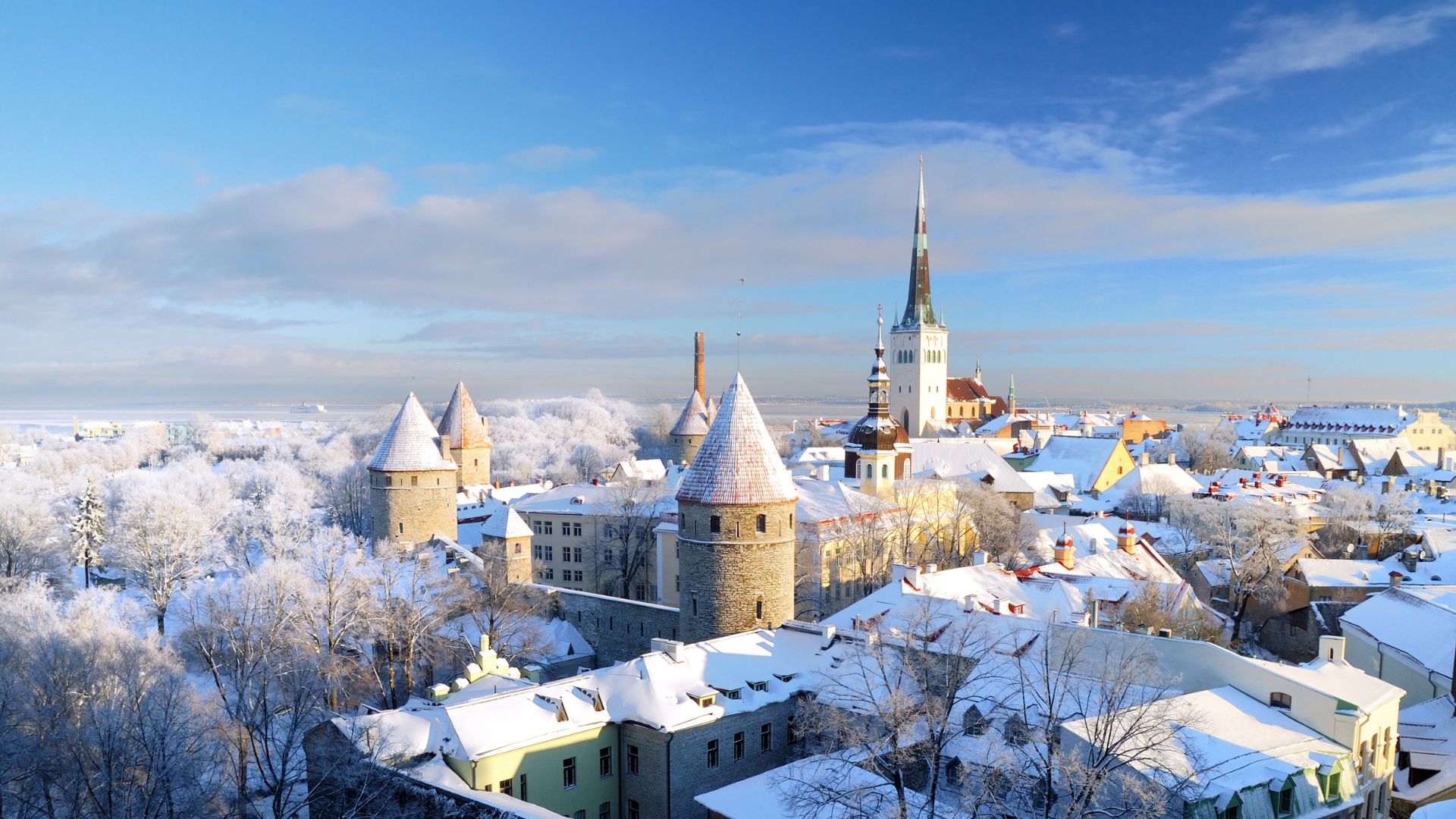
I still remember stepping off the train in Ljubljana on a gray January morning, my breath forming clouds in the crisp air, wondering if I’d made a mistake choosing winter for my European trip. Then I turned a corner and saw the city’s medieval castle perched above snow-dusted rooftops, Christmas lights still twinkling in shop windows, and locals sipping coffee in heated outdoor cafes. That moment changed everything I thought I knew about winter travel.
Most people think Europe shuts down in winter or that you’ll freeze and have nothing to do. They’re wrong. Some of the best European cities to visit in winter 2025 come alive in ways summer tourists never see: authentic, affordable, and wonderfully uncrowded.
Why Winter is Actually the Best Time for European City Breaks
The Crowds Disappear (Seriously)
Remember those photos of packed piazzas and hour-long museum lines? Gone. Last February, I walked straight into the Rijksmuseum in Amsterdam on a Wednesday afternoon. No reservation, no wait. I stood in front of Vermeer’s paintings for as long as I wanted without someone’s selfie stick blocking my view.
The least crowded European cities in winter give you a completely different experience. You can actually hear the acoustics in cathedrals, have conversations in museums, and get that perfect photo without 50 people in the background.
Your Budget Will Thank You
Off-season European travel deals are real and substantial. I’ve found flights for $300 round-trip from New York to Porto that would cost $900 in summer. Hotels drop their rates by 40 to 60 percent. That boutique hotel you couldn’t afford in July? It’s suddenly within reach in January.
I stayed in a beautiful 4-star hotel in Krakow for $65 a night, breakfast included. The same room goes for $180 in peak season. When you’re saving that much on accommodation, you can splurge on better meals, extra museum visits, or that wool sweater you’ve been eyeing.
You Experience Real Local Life
Without tourist hordes, cities return to their authentic rhythms. I watched morning markets in Seville where locals actually shopped for their daily groceries, not tourists hunting for souvenirs. I sat in cafes in Vienna where regulars read newspapers and played chess, not influencers staging photo shoots.
Winter travel in Europe, hidden gems reveal themselves when you’re moving at a local pace, not rushing between overcrowded attractions.
Cozy European Cities That Shine in Winter
Porto, Portugal: Warmth Without the Price Tag
Porto surprised me most. When people think of warm European cities to visit in winter, they often overlook Portugal’s second city. Temperatures hover around 50 to 60°F, chilly by Portuguese standards but pleasant for walking if you layer up.
I spent my mornings wandering the Ribeira district, watching the Douro River reflect cloudy skies, the colorful buildings somehow more vivid against the gray. The smell of roasting chestnuts filled the streets, and I discovered that pastel de nata tastes even better when you’re warming your hands on the paper bag.
The best part? Porto feels like a secret in winter. I had entire viewpoints to myself and never waited for a table at those famous port wine cellars. One evening, a local recommended a tiny family restaurant down a narrow alley. I never would have found it in summer’s chaos, and that meal, slow-cooked octopus and local wine, became my favorite memory of the trip.
Winter perks: Affordable European winter destinations don’t get much better. Flights and hotels are cheap, restaurants have space, and the city’s stunning tile work photographs beautifully under soft winter light.
Ljubljana, Slovenia: Europe’s Best-Kept Winter Secret
Ljubljana might be the most undiscovered European winter destination on this list. This compact capital becomes absolutely magical when temperatures drop. The old town glows with warm café lights, the Ljubljana Castle overlooks snow-touched Alps in the distance, and the Christmas market, which runs through early January, fills the air with mulled wine and cinnamon.
I got hopelessly lost trying to find a specific bridge and ended up in a tiny bookshop where the owner made me tea and practiced his English. These moments don’t happen in summer when everyone’s rushing between attractions.
The city is incredibly walkable, which matters when it’s cold. You can see the main sights in a day, but I’d recommend three to soak in the relaxed atmosphere. Try the traditional Slovenian dishes: rich stews, hearty dumplings, and strukli, a cheese pastry that’s pure comfort food.
Budget tip: Slovenia uses euros, but it costs significantly less than Western Europe. I ate phenomenal meals for under $15 and found charming Airbnbs for $40 a night.
Bruges, Belgium: Chocolate, Beer, and Medieval Charm
Yes, Bruges is touristy even in winter, but hear me out. Those summer crowds that make it feel like a theme park? They’re gone. What remains is a genuinely beautiful medieval city where you can appreciate the architecture without fighting through tour groups.
I visited in late November when the Christmas market was just opening. The scent of fresh waffles and chocolate mixed with the crisp air. I spent an afternoon in a tiny beer cafe, trying Trappist ales while rain pattered against centuries-old windows. The bartender explained each beer’s history, something he probably doesn’t have time for during peak season.
Bruges is one of the best small towns that European winter travel enthusiasts rave about because it feels like stepping into a storybook. Yes, it’s cold and often rainy, but that’s part of the charm. You’re not pretending to have an authentic experience; you’re having one.
What to know: Bring waterproof shoes and a good jacket. Belgian weather is unpredictable. But also bring an appetite. Winter is when you want those rich stews, crispy frites, and endless chocolate.
Salzburg, Austria: Snow-Covered Alpine Beauty
For those dreaming of snowy European towns to visit in winter, Salzburg delivers. Nestled in the Alps, this city transforms into a winter wonderland between December and February. The fortress overlooks snow-dusted rooftops, smoke curls from chimneys, and the Christmas markets are some of Europe’s most authentic.
I remember standing in Mirabell Gardens on a snowy morning, completely alone except for one person walking their dog. The formal gardens looked like a frosted cake, and the Alps rose dramatically behind the baroque architecture. It was one of those moments where you stop and think, “I can’t believe I’m actually here.”
The coffee house culture thrives in winter. I spent hours in traditional cafes, warming up with Melange coffee and apple strudel, watching locals meet friends and read books. This is what cultural winter experiences Europe should feel like: unhurried and genuine.
Practical note: Salzburg can get genuinely cold, often below freezing. But the city is well-prepared with heated trams, cozy restaurants, and indoor attractions. The Christmas markets are best in early December before they get too crowded.
Seville, Spain: Sunshine and Lower Prices
If cold weather isn’t your thing, Seville offers mild weather, and European winter destinations appeal. January temperatures reach 60°F during the day, perfect for exploring without summer’s brutal heat. It’s a great option for travelers who want sunshine without packing heavy winter travel essentials like thermal layers or snow gear.
I walked through the Alcázar gardens in February, when orange trees were heavy with fruit and the scent of citrus hung in the air. The palace was nearly empty, letting me appreciate the intricate Islamic architecture without tour groups blocking every corridor.
Seville’s tapas culture feels more authentic in winter. I found tiny bars where locals gathered after work, sharing plates of jamón and olives, nobody performing for tourists because there weren’t many around. One evening, I stumbled into a flamenco show in a small bar. No fancy theater, no expensive tickets, just raw, emotional music in an intimate space.
Food lover’s paradise: Seville ranks among the best food cities in Europe, winter or summer, but winter means restaurant tables are available, markets are less hectic, and you can actually have conversations with vendors. It’s also the best time to explore local street food, since popular stalls are less crowded and you can taste everything from crispy churros to fresh tapas without long lines.
Winter Markets and Festivals Worth Planning Around
Winter festivals in Europe 2025 add another layer to your trip. The famous Christmas markets in Germany and Austria are wonderful, but they’re also crowded and expensive. I prefer the lesser-known ones.
Strasbourg, France, has spectacular markets but is filled with visitors. Instead, try Colmar, a nearby town with equally beautiful markets and a fraction of the crowds. I spent a snowy afternoon there, drinking vin chaud and buying handmade ornaments from local artisans.
Budapest’s Christmas markets are magical, especially the one in front of St. Stephen’s Basilica. But visit in early December or January when they’re winding down. You’ll get better deals and more space to actually enjoy them.
The Challenges Nobody Talks About
Let’s be honest about winter travel drawbacks, because they’re real.
Shorter Days and Gray Skies
Daylight disappears by 4:30 or 5 p.m. in many European cities during winter. That gorgeous golden hour you see in summer photos? It barely exists. Many of my days were overcast, which affects photos and sometimes my mood.
My strategy: embrace it. Plan museum visits and indoor activities for afternoons. Use mornings, when there’s better light, for outdoor exploring and photography. And honestly, those moody gray skies create their own atmospheric beauty. Some of my favorite photos came from foggy Prague mornings and rainy Amsterdam afternoons.
Some Attractions Close or Have Limited Hours
This caught me off guard on my first winter trip. That famous garden? Closed until March. That coastal restaurant? Only open weekends. Always research opening hours before planning your itinerary.
I showed up at a museum in Lyon on a Tuesday only to find it closed. No sign, no warning on the unmarked door. A local saw my confused face and explained that many smaller museums close on Tuesdays and have reduced winter hours. Do your homework, especially if you’re relying on budget travel flight hacks to squeeze in short trips. Saving money on flights is great, but it only works if the places you want to see are actually open when you arrive.
Weather Can Disrupt Plans
Flight delays and cancellations happen more frequently in winter. I’ve had trains delayed by snow, ferries canceled due to storms, and outdoor markets closed because of wind. Build flexibility into your itinerary and always have a backup plan.
The Cold is Real
It sounds obvious, but European cold feels different than American cold. The dampness gets into your bones. Buildings aren’t always well-heated. You’ll spend more than you expect on warm meals and hot drinks just to stay comfortable.
Layer properly. Invest in good waterproof boots. Bring a warm coat, scarf, and gloves. I learned this the hard way, shivering through my first day in Edinburgh before buying proper gear.
Practical Tips for the Best Winter Travel Deals in Europe
Book flights on Tuesday or Wednesday for the best prices. I’ve consistently found cheaper fares midweek.
Stay outside the very center of cities. A 15-minute tram ride can save you $50 a night on hotels, and winter makes public transport more appealing anyway.
Eat lunch as your main meal. Many restaurants offer cheaper lunch menus with the same quality food. I ate phenomenal three-course lunches in France for $15 to $20.
Use city tourist cards when they make sense. Vienna’s card paid for itself in one day with free public transport and museum entry.
Europe Winter Itinerary Ideas
One Week: The Central Europe Loop
Prague (2 nights) > Vienna (2 nights) > Budapest (2 nights)
Affordable, well-connected by train, and each city offers distinct experiences. Prague’s gothic beauty, Vienna’s coffee houses and museums, and Budapest’s thermal baths are perfect for winter.
Long Weekend: Portuguese Escape
Porto (3 nights)
Fly in Friday, fly out Monday. Enough time to explore the city, a day trip to the Douro Valley, and relax without rushing.
Ten Days: Mediterranean Winter
Barcelona (3 nights) > Valencia (2 nights) > Seville (3 nights) > Lisbon (2 nights)
Follow the sun through Spain and Portugal. Mild weather, incredible food, and significantly cheaper than summer.
Why You Should Book Your Winter Trip Now
The best romantic winter destinations in Europe and family-friendly European winter destinations book up faster than you’d think. Those cheap flights? They disappear. Good hotels at great prices? Limited inventory. Many travelers are now even choosing Europe as a honeymoon destination during winter because the crowds are smaller, the cities feel cozier, and the overall experience is far more intimate.
I’ve also found that having a winter trip booked gives you something to look forward to during those dark, cold months at home. It’s easier to handle January when you know February holds cobblestone streets and European adventures.
Winter European travel isn’t for everyone. If you need beach weather and long sunny days, wait for summer. But if you want authentic experiences, incredible deals, and cities that feel more real and less like tourist attractions, winter reveals a different Europe. A quieter, cozier, and often more rewarding one.
Pack that warm coat, book that flight, and discover what you’ve been missing.
FAQ Section
Q: What are the best budget-friendly European cities to visit in winter?
A: The best budget-friendly winter trips in Europe include Porto, Ljubljana, Budapest, Krakow, and Valencia. These cities offer affordable accommodation (often under $70/night), cheap meals, and lower attraction costs during the winter months. Porto and Valencia also provide mild weather, while Eastern European cities like Budapest offer incredible value with winter festivals and thermal baths.
Q: Which European cities have mild winter weather?
A: The warmest European cities to visit in winter are located in Southern Europe and Portugal. Seville, Valencia, and Málaga in Spain average 55-60°F in winter. Porto and Lisbon in Portugal offer similar temperatures. These mild-weather European winter destinations let you explore comfortably without heavy winter gear, though you’ll still want layers for evenings.
Q: Are European Christmas markets worth visiting?
A: Yes, but timing matters. The best winter markets in Europe are most enjoyable in early December or the first two weeks when they’re festive but not overcrowded. Avoid the weekend before Christmas when they’re packed. Consider smaller cities like Colmar, Bruges, or Salzburg instead of overly touristy Munich or Vienna markets for more authentic experiences and better value.
Q: What are the downsides of winter travel in Europe?
A: Main challenges include shorter daylight hours (sunset by 4:30-5 p.m.), gray weather and potential rain, some attractions having reduced hours or closures, and genuinely cold temperatures in Northern and Central Europe. Flight delays and cancellations are more common. However, these drawbacks are offset by fewer crowds, lower prices, and more authentic local experiences for those who prepare properly.
Q: How can I find the best off-season travel deals for Europe?
A: For off-season Europe travel deals, book flights on Tuesdays or Wednesdays, travel in January through early March (excluding holidays), use hotel comparison sites to find 40-60% winter discounts, and book accommodation outside city centers. Sign up for airline newsletters for flash sales, consider alternative airports, and build flexible itineraries to take advantage of last-minute deals on tours and experiences.