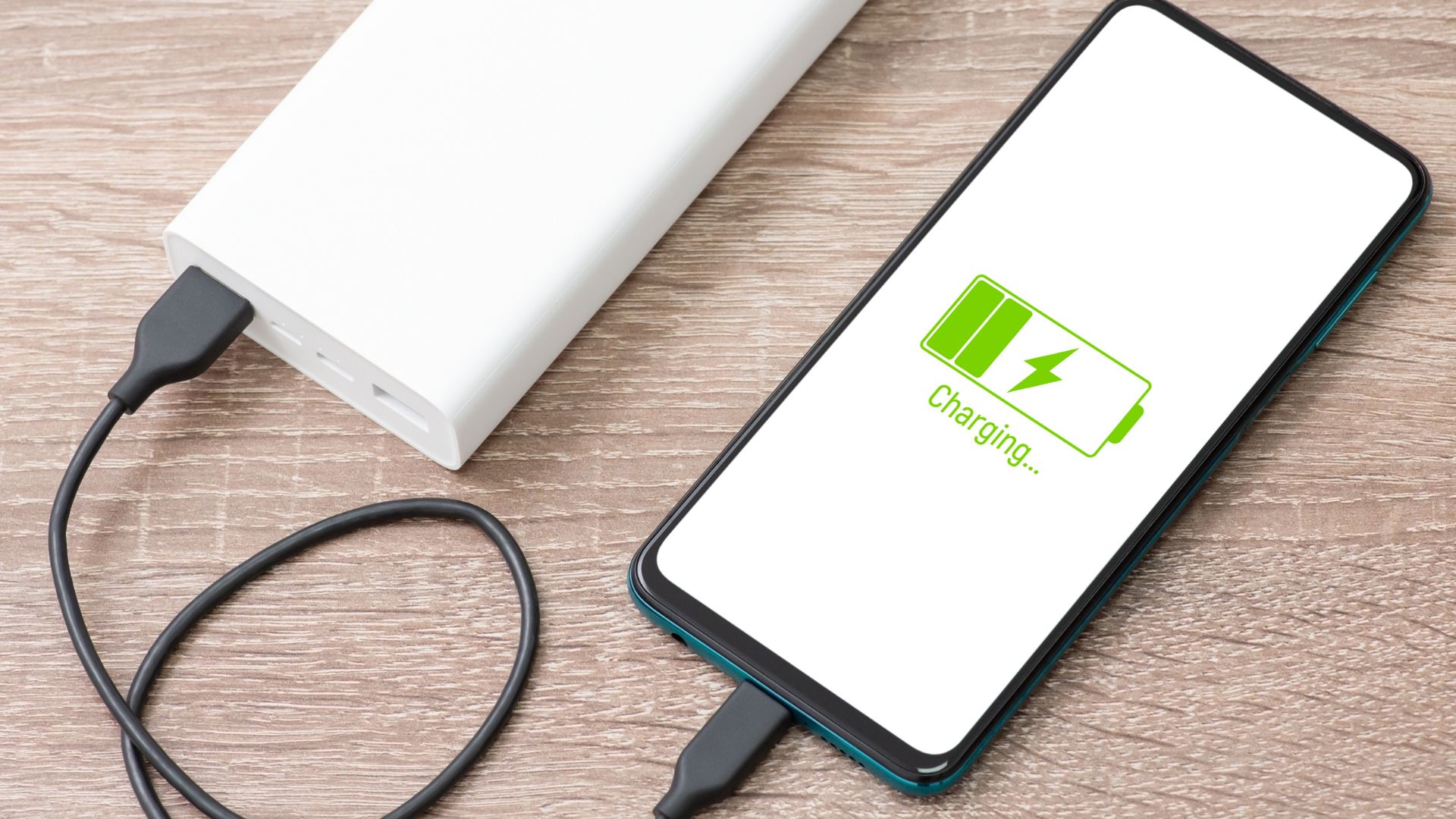
I still remember that sinking feeling in the Amsterdam airport. My phone was at 8%, my boarding pass was digital, and the nearest charging outlet had four people already camped around it with their devices. That’s when I realized a good power bank isn’t just a nice accessory for travel. It’s an essential backup that saves you from those moments of genuine panic.
Finding the best power banks for travel in 2026 means balancing several factors that don’t always play nicely together. You want high capacity for multiple charges, but that adds weight. You need fast charging, but that increases cost. You want something compact, but physics limits how much power fits in a small package.
After testing dozens of portable chargers across different trips, from weekend getaways to month-long backpacking adventures, I’ve learned which features actually matter and which are just marketing fluff. Let’s break down what works in real travel situations.
What Makes a Power Bank Good for Travel
Not all power banks suit travel equally well. The one that sits perfectly on your desk at home might be a nightmare to carry through airports or pack in a backpack.
Weight matters more than you’d think. An extra pound doesn’t sound like much until you’re carrying it alongside your laptop, camera, water bottle, and everything else for 12 hours of travel. The best portable chargers for international travel in 2026 strike a balance between capacity and portability that you’ll appreciate by the end of a long day.
Size and shape also impact usability. A slim power bank slides into jacket pockets or small bags easily. Bulky rectangular bricks take up valuable space and create awkward bulges in bags. I’ve had power banks that were technically small by specifications, but shaped so oddly that they never fit conveniently anywhere.
Charging speed has become increasingly important. Waiting three hours for your power bank to charge overnight might work at home, but it’s frustrating when you have limited time in a hostel or hotel before heading out for the day. Fast charging input means your power bank spends less time tethered to a wall outlet.
Understanding Power Bank Capacity
Capacity gets measured in milliamp hours (mAh), but the number can be misleading. A 20,000mAh power bank doesn’t actually deliver 20,000mAh to your devices due to conversion losses and voltage differences.
Realistically, expect about 60-70% efficiency. A 20,000mAh power bank delivers roughly 12,000-14,000mAh of usable charge. For reference, most modern smartphones have batteries between 3,000-5,000mAh. This means a 20,000mAh power bank typically provides 2-3 full phone charges, not the 4-5 charges the raw capacity might suggest.
The best 20000mAh power banks for travel in 2026 offer the sweet spot for most travelers. They’re large enough to charge multiple devices over several days but small enough to carry comfortably. For shorter trips or ultralight packing, 10,000mAh models work well, giving you 1-2 phone charges in a more compact package.
Higher capacity options exist, but they quickly become heavy and bulky. A 30,000mAh power bank might sound appealing, but carrying an extra pound for one additional charge often isn’t worth it unless you’re on extended trips without any electrical access.
Airline Regulations You Need to Know
Here’s something that catches travelers by surprise: airlines have strict rules about power bank capacity. The best airline-approved power banks in 2026 must follow Transportation Security Administration and International Air Transport Association guidelines.
Power banks up to 100Wh (approximately 27,000mAh at 3.7V) are generally allowed in carry-on luggage without special permission. Power banks between 100Wh and 160Wh require airline approval. Anything above 160Wh is prohibited on passenger aircraft.
You must always carry power banks in your carry-on bag, never in checked luggage. This rule exists because lithium-ion batteries can catch fire, and cabin crew can respond to fires in the cabin but not in the cargo hold.
I learned this the hard way at a security checkpoint in Tokyo. The agent pulled my bag, pointed at my power bank, and explained in broken English that it needed to come out during screening. Not all airports enforce this consistently, but being prepared saves time and stress.
Budget Options That Don’t Compromise Quality
The best power banks for travel in 2026 under budget typically range from $20-$40. You’d think cheap power banks would be unreliable, but several brands have figured out how to deliver solid performance at low prices.
What you sacrifice at this price point is usually faster charging speeds, premium build materials, and fancy features like wireless charging or digital displays. Basic functionality remains solid. These budget options charge your devices reliably and hold their charge reasonably well when not in use.
I’ve used budget power banks on multiple trips without issues. They take longer to recharge fully and might not support the absolute fastest charging protocols, but they get the job done. For occasional travelers or backup devices, spending more doesn’t necessarily provide proportional value.
The key with budget options is buying from established brands rather than unknown manufacturers. Reputable companies still include proper safety features like overcharge protection and temperature management even in cheaper models. No-name power banks from questionable sellers sometimes skip these safeguards, which creates genuine safety risks.
Mid-Range Power Banks: The Sweet Spot
Most travelers find the best value in power banks priced between $40-$80. This range typically includes the best fast charging power banks for travel in 2026, along with thoughtful design features that improve daily usability.
Mid-range models often include multiple ports, letting you charge a phone and tablet simultaneously. This convenience eliminates the need to choose which device charges first when you have limited time. They also tend to support faster charging protocols like Power Delivery and Quick Charge, which can charge compatible devices to 50% in 30 minutes or less.
Build quality improves noticeably in this price range. Better materials mean devices that survive being tossed in bags, dropped occasionally, and generally treated like travel gear gets treated. The difference between cheap plastic that cracks and durable casings that handle abuse becomes apparent after a few trips.
I’ve noticed mid-range power banks also maintain their capacity better over time. After a year of regular use, budget models sometimes lose 20-30% of their capacity while quality mid-range options retain 80-90% of their original performance. This longevity makes the higher upfront cost worthwhile if you travel frequently.
Premium Options for Serious Travelers
The best power banks for business travelers in 2026, and those who travel extensively often justify premium models costing $80-$150. These devices pack features that matter when you’re constantly on the move.
Premium power banks frequently include wireless charging capabilities, letting you simply place your phone on top instead of fumbling with cables. This convenience shines when you’re working in airports or cafes and want to keep your phone topped up without dedicating a port to it.
Digital displays showing exact remaining capacity prove surprisingly useful. Instead of guessing based on LED indicators that show rough quarters, you know precisely how much charge remains. This accuracy helps you plan when you need to recharge the power bank itself.
Some premium models also include laptop charging capabilities with higher wattage output. If your laptop charges via USB-C, a high-capacity power bank with 45W or 60W output can charge it alongside your phone and tablet. For digital nomads working remotely while traveling, this flexibility is genuinely valuable.
Specialized Power Banks for Different Travel Styles
For Camping and Outdoor Adventures
The best power banks for camping and hiking in 2026 need to be rugged and weather-resistant. Standard power banks fail quickly when exposed to dust, moisture, or accidental drops on rocky trails.
Rugged power banks typically feature rubberized exteriors that absorb impacts and provide grip. Some include waterproof ratings, though truly waterproof models remain rare. Water-resistant is more common, protecting against rain and splashes but not submersion.
Solar power banks sound appealing for outdoor use, but they’re often more marketing than practical. The solar panels on most portable chargers are too small to meaningfully recharge the battery. You’d need to leave them in direct sunlight for days to fully charge. The best solar power banks for outdoor travel in 2026 work better as emergency backup than primary charging methods.
I tested a solar power bank on a week-long hiking trip. The solar function added a negligible charge during actual use. However, having the option provided peace of mind for emergencies, which is worth something even if you rarely use it.
For Photographers and Content Creators
The best power banks for photographers while traveling need high capacity and multiple charging options. Camera batteries, phone, maybe a drone, possibly a laptop, all need power throughout the day.
Look for power banks with at least 20,000mAh capacity and multiple output ports at different voltages. Photographers often need to charge several batteries overnight, so simultaneous charging capability is essential. Some power banks include pass-through charging, which lets you charge devices from the power bank while the power bank itself charges from a wall outlet.
Weight remains a consideration since photographers already carry heavy gear. The best compact power banks for travel in 2026 that still offer high capacity typically use newer battery cell technology that packs more energy into smaller spaces, though they cost more.
For Backpackers and Budget Travelers
Backpackers prioritize weight and durability above almost everything else. The best power banks for backpackers in 2026 need to survive being stuffed in packs alongside dirty clothes, wet towels, and whatever else accumulates during travel.
The 10,000mAh range works well for backpackers. It’s light enough to carry without resentment but provides enough charge for a couple of days away from outlets. In hostel environments where you can charge nightly, a smaller capacity suffices while saving precious pack space and weight.
I’ve backpacked with both 10,000mAh and 20,000mAh power banks. The larger capacity sat unused in my pack most of the time because hostels and guesthouses always had outlets available. The extra weight wasn’t worth the redundant capacity.
Real-World Power Bank Comparison
Here’s how different power bank categories stack up for typical travel scenarios:
| Power Bank Type | Capacity | Weight | Typical Price | Phone Charges | Best For | Key Limitation |
| Ultra Compact | 5,000-8,000mAh | 4-6 oz | $15-$25 | 1-1.5 | Day trips, emergencies | Limited capacity |
| Standard Portable | 10,000mAh | 6-8 oz | $20-$40 | 2-2.5 | Weekend trips, daily carry | Single full charge cycle |
| High Capacity | 20,000mAh | 12-14 oz | $30-$60 | 4-5 | Week-long trips, multiple devices | Heavier, bulkier |
| Premium Fast Charge | 20,000mAh | 11-13 oz | $50-$90 | 4-5 | Business travel, frequent use | Higher cost |
| Rugged Outdoor | 15,000-20,000mAh | 14-16 oz | $40-$80 | 3-4 | Camping, hiking, adventure | Extra weight from protection |
| Laptop Compatible | 20,000-30,000mAh | 16-20 oz | $80-$150 | 5-6 plus laptop | Digital nomads, work travel | Size and weight |
These ranges reflect typical specifications, though outliers exist. Premium models sometimes achieve lighter weights through better battery technology, while budget options might be heavier for the same capacity.
Common Mistakes When Buying Power Banks
After watching people struggle with poorly chosen power banks during travels, certain patterns emerge in what leads to disappointment.
Buying Based Only on Capacity
The biggest mistake is focusing exclusively on mAh numbers while ignoring every other factor. A 30,000mAh power bank sounds impressive until you’re carrying it through airports and realize you’re hauling a brick that you rarely fully utilize.
Consider your actual usage patterns. If you charge your phone once per day and have nightly access to outlets, even 10,000mAh is overkill. Match capacity to realistic needs rather than theoretical maximums.
Ignoring Charging Speed Compatibility
Power banks advertise fast charging, but your devices also need to support the same protocols. A power bank with 45W Power Delivery output doesn’t help if your phone only supports 18W charging. You’re paying for capability you can’t use.
Check what charging standards your devices support before buying premium fast-charging power banks. Sometimes a mid-range option charges your specific devices just as quickly at half the cost.
Overlooking Physical Dimensions
Specifications list weight but rarely provide useful size information. I’ve bought power banks online that seemed reasonable based on weight only to discover they were oddly thick or long, making them awkward to pack or carry. This is similar to how shoppers compare the best laptops, where dimensions often matter as much as overall weight.
If possible, check actual dimensions and compare them to objects you know. A power bank the size of a thick smartphone fits in pockets and small bags. One the size of a paperback book requires dedicated bag space—just like choosing between compact and larger models when evaluating the best laptops for travel.
Forgetting About Cable Compatibility
This seems obvious, but causes frequent frustration. You buy a power bank with USB-C output for fast charging, but all your cables are USB-A to Lightning or USB-A to micro-USB. Now you need to buy new cables before your power bank is fully useful.
The best multi-device power banks for travel in 2026 include multiple port types (USB-A, USB-C, sometimes even Lightning input) to accommodate different devices without requiring cable adapters. This versatility prevents the cable juggling that creates frustration while traveling.
Assuming Solar Charging Will Be Useful
Solar power banks appeal to the idea of unlimited free charging, but the reality disappoints most people. The solar panels are tiny, efficiency is low, and meaningful charging requires optimal sunlight for extended periods.
If you specifically need solar capability for remote expeditions where you’ll be off-grid for weeks, invest in a proper foldable solar panel system separate from your power bank. The integrated solar panels on most portable chargers serve better as marketing features than functional tools.
Maintenance and Longevity Tips
Power banks degrade over time, but proper care extends their useful life significantly. I’ve had power banks last five years while others died within 18 months, and the difference came down to maintenance habits.
Store power banks at a partial charge when not in use. Lithium batteries degrade fastest when stored fully charged or completely depleted. If you won’t use your power bank for months, charge it to around 50-60% before storage. This sweet spot minimizes chemical stress on the battery cells.
Avoid extreme temperatures during use and storage. Heat accelerates battery degradation, while extreme cold temporarily reduces capacity and can damage cells. Don’t leave power banks in hot cars or expose them to freezing temperatures for extended periods.
Charge your power bank every few months, even if you’re not using it. Batteries self-discharge slowly, and letting them sit completely depleted for months can render them unable to hold a charge. A brief top-up every 3-4 months during storage periods maintains battery health.
What to Pack Besides Your Power Bank
The best power banks for travel in 2026 work best as part of a complete charging system. You’ll also need the right cables, potentially adapters, and a wall charger for recharging your power bank itself. This is especially important if you’re carrying multiple tech gadgets that all require different charging inputs.
Bring cables for all your devices. This sounds obvious, but many people pack their power bank and phone cable while forgetting they also brought a tablet, camera, or other tech gadgets needing different cable types. Having the wrong cables turns your power bank into dead weight.
A multi-port wall charger lets you recharge your power bank and devices simultaneously overnight. Instead of choosing what charges first, plug everything in and wake up with everything ready. Look for compact chargers with folding prongs that don’t take up much space.
For international travel, you’ll need plug adapters for different countries. Some premium power banks include universal input, but you still need physical adapter plugs to fit foreign outlets. Universal travel adapters work well, though they’re bulkier than region-specific options.
Making Your Decision
Choosing the best travel-friendly power banks for the money in 2026 comes down to honestly assessing your travel style and needs. Weekend travelers have different requirements than month-long backpackers. Business travelers need different features than outdoor adventurers.
Start by determining your minimum capacity needs. Count your devices and their battery sizes. Add them up and multiply by how many days you’ll be away from outlets. This gives you a baseline capacity target.
Consider your typical travel environment. If you’re always in hotels and cities with abundant charging options, a smaller capacity works fine. If you’re hiking, camping, or traveling in areas with unreliable electricity, invest in higher capacity and rugged construction.
Budget matters, but quality power banks last years while cheap ones often fail within months. Spending an extra $30 for a mid-range option that survives five years of travel costs less than buying three budget power banks that each last 18 months.
The best power banks for long trips in 2026 are the ones you’ll actually carry and use consistently. A technically superior power bank that’s too heavy or bulky to pack regularly provides less value than a lighter model you bring everywhere.
FAQ Section
Q: How many times can a 20,000mAh power bank charge my phone?
A 20,000mAh power bank typically provides 2-3 full charges for modern smartphones, not 4-5 as the raw capacity might suggest. Conversion losses from voltage differences and charging inefficiency mean you get about 60-70% of the stated capacity as usable charge. Exact numbers depend on your phone’s battery size and the power bank’s efficiency.
Q: Can I bring a power bank on a plane in my carry-on bag?
Yes, power banks must go in carry-on luggage, never in checked bags. Airlines allow power banks up to 100Wh (roughly 27,000mAh) without special permission. Power banks between 100-160Wh require airline approval, and anything larger is prohibited. Always keep power banks in carry-on bags for safety reasons.
Q: How long does it take to recharge a power bank?
Recharge time depends on the power bank’s capacity and input charging speed. A 10,000mAh power bank with standard 10W input takes 3-4 hours to fully charge. A 20,000mAh model with 18W fast charging input takes 4-6 hours. Higher-capacity power banks with slow input can take 8-12 hours. Check the input specifications, not just output, when buying.
Q: Are solar power banks worth buying for travel?
Solar power banks work better as an emergency backup than primary charging method. The solar panels are too small to meaningfully recharge the battery in practical timeframes. You’d need days of optimal sunlight to fully charge most solar power banks. They’re useful for extended off-grid adventures as an emergency backup, but not reliable as your main charging solution.