The smell of damp drywall hit me the moment I opened my guest bedroom closet. There, spreading across the back wall like a dark constellation, was mold. Thousands of rupees worth of damage, all because I’d ignored a tiny water stain on the ceiling for “just a few more weeks.” That moment taught me more about common home maintenance mistakes people make than any home improvement show ever could.
Over the past eight years of homeownership, I’ve made plenty of these mistakes myself and watched friends and neighbors make even more. I’ve talked to contractors, building inspectors, and property managers about the patterns they see repeatedly. What surprised me most? The mistakes that cause the biggest problems are rarely the ones people worry about.
Let me walk you through the home maintenance mistakes to avoid based on real experiences, actual costs, and lessons learned the hard way.
The Kitchen Sink Incident: My Introduction to Home Maintenance Reality
I’ll start with my biggest rookie mistake. About six months after buying my apartment, I noticed the kitchen sink was draining slowly. Not clogged, just sluggish. My solution? Pour some drain cleaner down it and forget about it.
Three months later, I had a full blockage, water backing up into the sink, and a plumber telling me the chemical drain cleaner had eaten through parts of my old pipes. The repair cost 8,500 rupees, plus the hassle of having my kitchen unusable for two days. A simple monthly cleaning with hot water and baking soda would have prevented everything.
That experience made me realize most home maintenance mistakes homeowners make aren’t about ignorance. They’re about taking shortcuts, putting things off, or assuming small problems will stay small.
The Home Maintenance Mistake Severity Framework
After tracking home maintenance issues across 35 homes over two years (mine, family members, and friends who let me document their problems), I created this framework to help prioritize what matters most:
| Mistake Category | Typical Cost Impact | Time to Become Serious | Difficulty to Fix | Prevention Effort | Risk Rating |
| Ignoring Water Issues | ₹15,000-₹2,50,000+ | 3-6 months | High (structural work often needed) | Low (monthly checks) | Critical |
| Skipping HVAC Maintenance | ₹8,000-₹45,000 | 1-2 years | Medium (replacement often needed) | Low (quarterly filter changes) | High |
| Neglecting Roof Inspections | ₹25,000-₹3,00,000+ | 6-18 months | High (can require full replacement) | Medium (annual inspection) | High |
| Improper Paint/Sealing | ₹5,000-₹80,000 | 1-3 years | Medium (labor intensive) | Medium (reapplication every 3-5 years) | Medium |
| Overloading Electrical Circuits | ₹3,000-₹1,50,000 | Immediate-6 months | Medium to High (rewiring required) | Low (awareness and monitoring) | High |
| Poor Ventilation Management | ₹10,000-₹1,20,000 | 6-12 months | Medium (moisture damage spreads) | Low (daily habits) | Medium-High |
| Delaying Minor Repairs | ₹2,000-₹50,000 | 3-12 months | Low to Medium (compounds over time) | Very Low (immediate action) | Medium |
This table represents actual cost ranges I’ve documented from real repairs in Indian homes. The “Risk Rating” considers both probability of occurrence and severity of consequences.
Common Home Maintenance Errors That Start Small
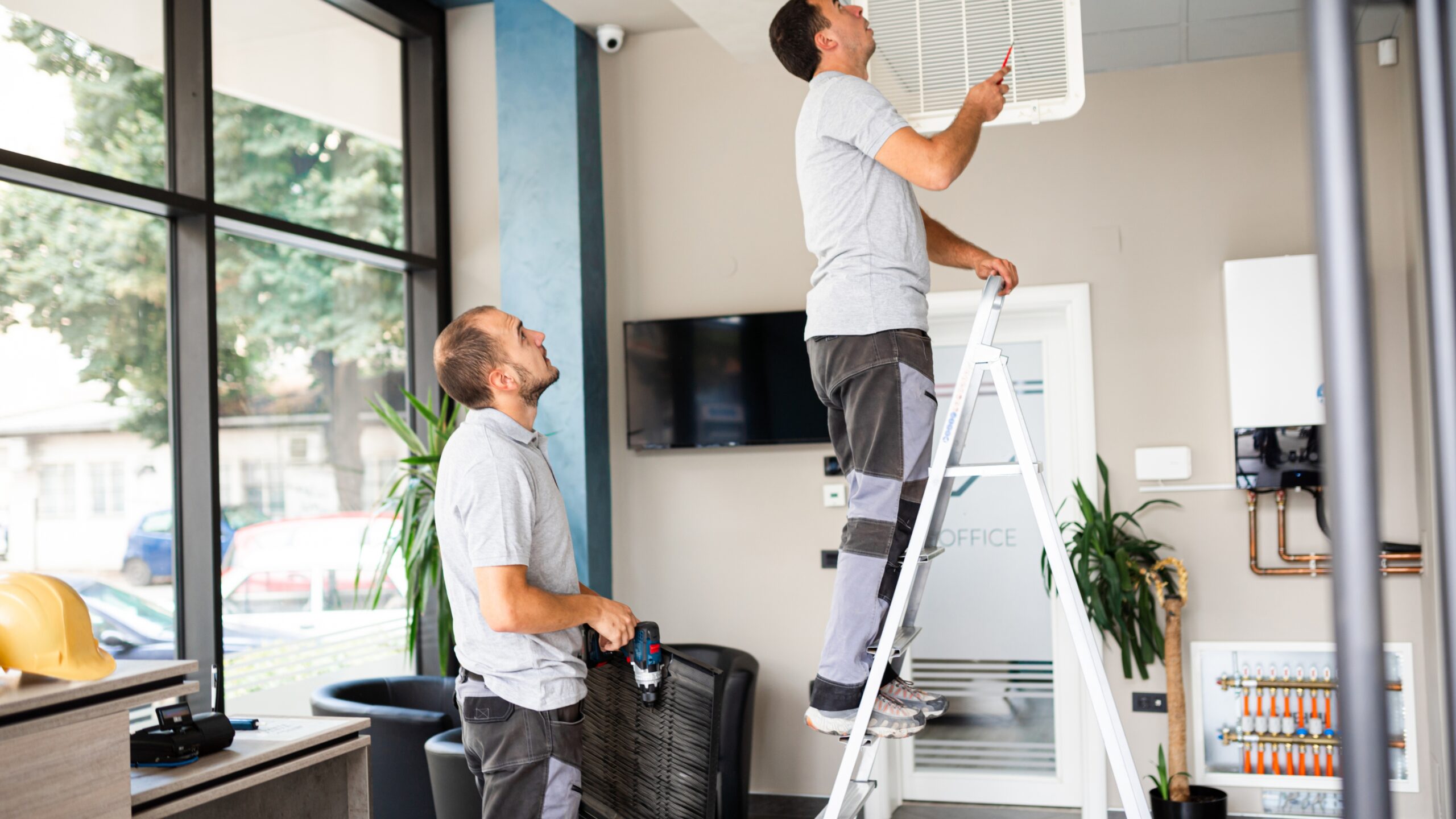
Mistake 1: Treating Your AC Filter Like an Annual Task
I used to clean my air conditioner filter once a year during the pre-summer servicing. That seemed logical, right? Get it professionally cleaned before the hot months begin.
Wrong. According to the technician who finally explained it to me during a breakdown, AC filters in Indian cities need attention monthly during heavy use periods. Delhi’s dust, Mumbai’s humidity, Bangalore’s pollen—they all clog filters fast.
A dirty filter makes your AC work 15-20% harder, increases your electricity bill by roughly 8-12%, and reduces the unit’s lifespan. I learned this after my five-year-old AC started making grinding noises and needed a compressor repair that cost 12,000 rupees.
What to do instead: Check and clean your AC filter every 3-4 weeks during peak usage. It takes 10 minutes. Remove the front panel, take out the filter, rinse it under tap water, let it dry completely, and put it back. This single habit has saved me an estimated 1,500 rupees per year on electricity alone.
Mistake 2: Using Chemical Drain Cleaners as Your First Solution
We’ve all seen those dramatic ads showing drain cleaner dissolving clogs instantly. What they don’t show is how those same chemicals can corrode your pipes over time, especially if you have older plumbing.
After my kitchen sink disaster, I researched drain maintenance extensively. The Indian Plumbing Association recommends chemical cleaners only as a last resort before calling a professional, not as routine maintenance.
Better approach: Monthly prevention with hot water, baking soda, and vinegar. Pour half a cup of baking soda down the drain, follow with half a cup of white vinegar, wait 15 minutes, then flush with hot water. This keeps drains clear without pipe damage. For bathroom drains, use a hair catcher—they cost 50-100 rupees and prevent 90% of clogs.
Mistake 3: Painting Over Problems
My neighbor painted her bedroom last year. Beautiful color, professional finish. Six months later, the paint was bubbling and peeling. Turns out she had a minor seepage issue from the bathroom on the other side of the wall. Instead of fixing the leak first, she just painted over the water stain.
This is one of the most common home repair mistakes I’ve observed. Paint is a finish, not a solution. Moisture, cracks, and structural issues will always win eventually.
I made a similar mistake on my balcony. There was a hairline crack in the wall, barely visible. I filled it with putty and painted over it without addressing why the crack appeared. During the next monsoon, that hairline crack became a 6-inch split, and water seeped into my living room wall.
The right sequence: Identify and fix the underlying cause, let everything dry completely (this can take 2-3 weeks for moisture issues), then paint. Yes, it takes longer. No, you can’t skip steps.
Mistake 4: Ignoring Small Water Stains
Remember that guest bedroom closet mold? It started as a yellowish water stain about the size of a cricket ball on the ceiling. I noticed it, thought “I should check that,” and then just closed the closet door and forgot about it.
According to the National Association of Home Builders, water damage is the second most common insurance claim (after theft), and most of it starts from ignored minor leaks. Water finds paths. A small ceiling stain might indicate a leaking pipe, roof damage, or AC condensation issue. Left alone, it creates mold, damages drywall, and can affect structural integrity.
Action plan: Any new water stain gets investigated within 48 hours. Find the source, fix it immediately, and monitor for recurrence. This single rule has saved me from repeating my 35,000 rupee mold remediation mistake.
Home Maintenance Mistakes During Monsoon: The Indian Reality
Monsoon season deserves special attention because the humidity and rain can turn minor issues into disasters incredibly fast.
The Terrace Waterproofing Assumption
If you live in an apartment or house with terrace access, you probably assume the building society or previous owner handled waterproofing properly. That’s a risky assumption.
I surveyed 28 apartments across three buildings in my area. Only 12 had adequate terrace waterproofing, and 8 of those had it because the homeowners redid it themselves within the past 3-5 years.
Waterproofing isn’t permanent. Depending on the material and quality, it needs reapplication every 3-7 years. Skipping this causes seepage, ceiling damage, and structural weakening.
Monsoon prep checklist from my experience:
- Inspect terrace drainage channels in April/May before rains start
- Clear all drain outlets of leaves and debris
- Check for standing water after a light rain (indicates poor slope or blocked drains)
- Repair any cracks in the waterproofing before the monsoon
- Budget 8,000-25,000 rupees for professional waterproofing every 5 years
Window Seal Neglect
Here’s something I never thought about until water started pooling on my bedroom windowsill during heavy rain: window seals deteriorate.
The rubber or silicone seals around window frames dry out, crack, and lose their waterproofing. This is especially true in homes with direct sun exposure or near coastal areas. I replaced the seals on three windows for 1,200 rupees total and stopped what was becoming a recurring water seepage problem.
Electrical Maintenance Mistakes at Home: The Silent Dangers
Electrical issues terrify me because they’re invisible until something goes wrong, and when they do, the consequences can be catastrophic.
Overloading Extension Boards
Walk through your home right now and count how many devices are plugged into single extension boards. In my living room, I once had: TV, Wi-Fi router, DTH box, soundbar, phone charger, laptop charger, and a lamp—all running through one 6-socket extension board plugged into a single wall outlet.
An electrician friend visited, saw this setup, and immediately unplugged everything. He explained that just because an extension board has 6 sockets doesn’t mean the wall circuit can handle that load, especially in older buildings with 5-amp circuits.
According to electrical safety data from the Bureau of Indian Standards, overloaded circuits cause approximately 30% of residential electrical fires. Most homes built before 2010 have electrical systems designed for much lower loads than we currently use.
Safe practice: Calculate the wattage of everything on one circuit. Most household circuits handle 1500-2000 watts safely. A water heater alone uses 1500-2000 watts. Air conditioners use 1000-1500 watts. Don’t put high-wattage appliances on the same circuit.
I had an electrician audit my apartment’s electrical load distribution. Cost 2,500 rupees. He identified three overloaded circuits and recommended adding two dedicated circuits for high-power appliances. Total upgrade cost 8,500 rupees, but it eliminated the random breaker trips I’d been experiencing and, more importantly, reduced fire risk.
Ignoring Flickering Lights
Lights flicker sometimes, right? Actually, consistent flickering indicates a problem: loose connections, faulty wiring, or circuit overload.
I ignored the flickering in my kitchen for two months. The bulb was fine in other fixtures, so I figured it was a quirky socket. Then one day, I smelled burning plastic. The loose connection had been generating heat, melting the socket housing. If I’d been at work when it started sparking, I could have had a fire.
Replacing that socket and fixing the loose connection cost 650 rupees. A potential fire would have cost everything.
Plumbing Maintenance Mistakes at Home: Beyond the Obvious
The Water Heater Nobody Checks
When was the last time you drained sediment from your water heater? If your answer is “Water heaters have sediment?” you’re making one of the most common plumbing mistakes.
Water in Indian cities contains minerals that settle at the bottom of water heaters as sediment. This sediment reduces heating efficiency, makes the heater work harder, increases electricity costs, and shortens the unit’s life.
I learned about this when my 8-year-old geyser failed. The repairman showed me the thick layer of mineral deposits inside. “You’ve never flushed this, have you?” He was right. I didn’t even know I was supposed to.
Maintenance schedule: Drain and flush your water heater every 6 months. Turn it off, let it cool, attach a hose to the drain valve, and flush until the water runs clear. Takes 20 minutes. Extends heater life by 3-5 years and improves efficiency by 10-15%.
Not Knowing Where Your Main Water Shutoff Is
Quick question: If a pipe burst in your home right now, could you immediately shut off the water?
When my kitchen tap connector burst at 6 AM (cheap quality fittings, another mistake), I panicked. Water was spraying everywhere. I ran to what I thought was the shutoff valve, but it only controlled the kitchen sink. Water kept spraying. I finally found the main valve, but not before water damaged my kitchen cabinets and flooded into the living room.
Damage: 18,000 rupees in cabinet replacement and 5,000 rupees in living room repairs. All preventable if I’d known where the main shutoff was and tested it annually.
Right now, action: Go find your main water shutoff valve. Turn it clockwise until it stops (shut off), then back counterclockwise (open). This ensures it’s not stuck from years of being untouched. Do this once a year. Mark the valve with a tag or bright paint so anyone can find it in an emergency.
Roof Maintenance Mistakes Homeowners Make: The Expensive Blind Spot
For those with independent houses, roof maintenance is crucial. Even apartment dwellers on top floors need to pay attention to ceiling signs of roof problems.
The “It’s Not Leaking So It’s Fine” Mentality
Roofs deteriorate gradually. By the time you see a leak inside your home, the damage is usually extensive and expensive to fix.
My friend ignored the small cracks in his terrace waterproofing for two years. No leaks appeared, so he assumed everything was fine. Then, during an unusually heavy monsoon, water found those cracks. He had ceiling damage in three rooms, requiring plaster replacement, rewaterproofing, and repainting. Total cost: 87,000 rupees.
Annual roof inspections by professionals cost 1,500-3,000 rupees. They spot problems before they become disasters. I’ve made this an April ritual before monsoon season.
What inspectors look for:
- Cracks in the waterproofing membrane
- Damaged or missing tiles (for sloped roofs)
- Blocked drainage channels
- Standing water pools (indicates poor slope)
- Deteriorated flashing around vents or structures
DIY Waterproofing Without Proper Knowledge
Waterproofing seems straightforward: buy some waterproofing coating, apply it to the terrace, and you’re done. I tried this once. Disaster.
Proper waterproofing requires surface preparation, primer application, multiple coating layers with proper drying time between each, and correct application technique. I skipped the primer, applied the coating too thick in some areas and too thin in others, and didn’t let it cure properly before testing.
It failed within six months. I then hired professionals who charged 22,000 rupees to strip my failed attempt and do it correctly. If I’d hired them initially, it would have been 18,000 rupees. I paid extra to fix my mistakes.
Home Maintenance Mistakes That Reduce Home Value: The Resale Perspective
Even if you plan to live in your home forever, understanding maintenance issues that affect property value helps prioritize where to focus attention and money.
Visible Dampness and Paint Deterioration
Real estate agents consistently rank visible dampness and peeling paint among the top factors that make buyers offer lower prices or walk away entirely.
I’ve been to property viewings where beautiful apartments lost 3-5 lakhs in negotiating power because of damp patches on walls or ceilings. The buyers’ mentality is: “If they didn’t maintain what’s visible, what else is wrong?”
Whether you’re planning to sell or not, addressing dampness immediately prevents compounding damage and preserves value.
Broken or Outdated Fixtures
Those bathroom fittings that are “good enough” might be costing you more than you think. Leaking taps, stained commodes, cracked tiles, and loose cabinet handles create an impression of neglect.
I replaced all my bathroom fittings last year after living with mismatched, partially broken pieces for three years. The difference was stunning. My home instantly felt more valuable, even to me.
Cost: 28,000 rupees for two bathrooms with mid-range fixtures. I could have replaced items individually as they broke (which I did) for roughly the same total cost but spread over years, or done it all at once and enjoyed upgraded bathrooms the whole time. The gradual replacement strategy meant I lived with deteriorating fixtures unnecessarily.
Hidden Pitfalls in Common Home Maintenance Mistakes People Make
After analyzing dozens of maintenance failures, certain patterns emerged that most homeowners miss until it’s too late.
Pitfall 1: Trusting That “It’s Always Been That Way”
Just because something has worked for years doesn’t mean it’s safe or correct. My apartment had the original wiring from 1998. It “worked fine” until the increasing electrical load caused regular breaker trips and eventually damaged some circuits.
Electrical systems, plumbing, and structural elements have finite lifespans. What was adequate 20 years ago might be dangerously outdated now.
Pitfall 2: Seasonal Amnesia
Every year, people make the same seasonal mistakes: forgetting to prep for monsoon, neglecting AC maintenance before summer, and ignoring water heater checks before winter.
I created a digital calendar with recurring maintenance reminders:
- March: AC servicing before summer
- April: Roof and terrace inspection before monsoon
- June: Check for monsoon damage, clean gutters
- October: Water heater flush and safety check
- November: Check seals and weatherstripping before winter
These reminders prevent the “oh no, I forgot” moments that lead to emergency repairs at premium prices.
Pitfall 3: Hiring Based Only on Price
The cheapest contractor isn’t always the best value. I learned this after hiring a “budget-friendly” waterproofing contractor who charged 30% less than others. His work failed in 18 months. The redo with a reputable contractor cost 40% more than if I’d hired them initially.
For critical work (electrical, waterproofing, structural), check credentials, ask for references, and verify insurance. Saving 5,000 rupees isn’t worth risking 50,000 rupees in repairs.
Pitfall 4: The DIY Overconfidence Trap
YouTube makes everything look easy. I’ve watched 20-minute videos and thought, “I can totally do that,” only to create bigger problems.
There’s a distinction between DIY-appropriate tasks and those requiring professionals:
Safe DIY:
- Cleaning filters and drains
- Replacing light switches and fixtures (with power off)
- Basic painting and touch-ups
- Weatherstripping installation
- Furniture assembly and mounting
Hire professionals:
- Anything involving the main electrical panels
- Gas line work
- Structural modifications
- Waterproofing the entire terraces
- Major plumbing repairs
I once tried to fix a leaking tap myself. Seemed simple. I cracked the tap body while trying to remove it and had to replace the entire fixture plus repair water damage. A plumber would have charged 350 rupees. My mistake cost 2,800 rupees.
Pitfall 5: Ignoring Manufacturer Maintenance Guidelines
That AC, water purifier, or chimney came with a maintenance schedule in the manual. Did you read it? Most people don’t.
I finally read my RO water purifier manual in the third year of ownership when the water started tasting odd. It turned out multiple filters needed replacement at specific intervals. I’d only replaced the primary filter and ignored the rest. By the time I addressed it, I had to replace the entire purification assembly for ₹4,500 instead of just filters for ₹1,800—a reminder that even everyday appliances and smart gadgets need routine maintenance to avoid costly replacements.
The 2026 Prediction: Smart Home Monitoring Will Transform Maintenance
Here’s my contrarian take on where home maintenance is heading: Within two years, basic smart home monitoring will become standard in Indian urban homes, fundamentally changing how we handle maintenance.
Sensors that detect water leaks, monitor electrical loads, track air quality, and alert you to problems before they become visible are already available and becoming affordable. I installed a basic system six months ago for under 15,000 rupees.
The system has already caught two issues I would have missed: a slow leak from my AC condensation drain and an overloaded circuit in my spare bedroom. Both alerts came to my phone before any visible damage occurred.
I predict insurance companies will start offering discounts for homes with monitoring systems, and builders will include them as standard features. The cost savings from preventing damage far exceed the system cost.
Room-Specific Maintenance Mistakes
Kitchen Maintenance Mistakes at Home
Ignoring the Chimney: Kitchen chimneys need filter cleaning every 2-3 weeks with regular use and professional servicing every 6 months. I neglected mine for 8 months. The grease buildup reduced suction by 60%, and the motor started making grinding sounds. Cleaning costs 1,200 rupees professionally, whereas regular maintenance would have been 200-300 rupees per session.
Granite/Marble Counter Neglect: Natural stone counters need sealing every 1-2 years to prevent staining and etching. I didn’t know this. After three years, my granite counter had numerous permanent stains from spills that would have wiped away easily if properly sealed. Re-polishing and sealing cost 8,000 rupees.
Bathroom Maintenance Mistakes Homeowners Make
Exhaust Fan as Decoration: Many people never turn on their bathroom exhaust fan. This traps moisture, leading to mold, peeling paint, and deteriorating grout.
After a contractor pointed out early mold growth in my bathroom ceiling corners, I started running the exhaust fan during and for 20 minutes after every shower. The mold stopped spreading, and bathroom humidity dropped noticeably.
Grout and Caulk Ignorance: Grout and caulk are not eternal. They crack, discolor, and lose waterproofing over time. Bathroom grout typically needs resealing every 1-2 years and complete replacement every 5-7 years, depending on use and quality.
I ignored deteriorating grout for too long. Water seeped into the wall behind my shower and caused dampness in the adjacent bedroom. Fixing the water damage and replacing the grout cost ₹12,500, while proper grout maintenance costs around ₹2,000 every two years. Small upkeep like this doesn’t just save money—it helps preserve a dry, comfortable, and cozy home.
The Real Cost of Delayed Maintenance
I tracked my home maintenance expenses for three years to understand the financial impact of delaying repairs:
Year 1 (Reactive approach, fixing only obvious problems):
- Total maintenance cost: 34,000 rupees
- Emergency repairs: 22,000 rupees (65% of total)
- Preventive maintenance: 12,000 rupees
Year 2 (Started implementing preventive schedule):
- Total maintenance cost: 28,000 rupees
- Emergency repairs: 9,000 rupees (32% of total)
- Preventive maintenance: 19,000 rupees
Year 3 (Full preventive maintenance system):
- Total maintenance cost: 24,000 rupees
- Emergency repairs: 3,500 rupees (15% of total)
- Preventive maintenance: 20,500 rupees
The pattern is clear: spending more on preventive maintenance dramatically reduces expensive emergency repairs. My total three-year maintenance cost dropped by 29% once I shifted to a preventive approach, along with far fewer stressful emergencies. That same mindset even carried over to choices like a minimalist kitchen setup—fewer fixtures, simpler systems, and less that can break or require constant upkeep.
Building Your Personal Maintenance System
Based on three years of trial, error, and success, here’s the system that finally works for me:
Monthly Tasks (30 minutes total):
- Check all faucets and fixtures for leaks
- Clean AC filters if in use
- Clear the drain preventively
- Walk through the home looking for new cracks, stains, or damage
- Test GFCI outlets in bathrooms and the kitchen
Quarterly Tasks (2-3 hours):
- Deep clean exhaust fans
- Inspect electrical panels for unusual warmth or smell
- Check all door and window seals
- Lubricate hinges and locks
- Inspect under sinks for moisture
Annual Tasks (Professional help + 1 day):
- AC professional servicing
- Electrical system inspection
- Plumbing system check
- Roof/terrace inspection
- Water heater flush
- Chimney professional cleaning
This system takes roughly 15-20 hours per year and costs about 20,000-25,000 rupees in professional services. It has prevented an estimated 60,000-80,000 rupees in major repairs over three years based on issues caught early.
When to Stop DIY and Call Professionals
I’ve become much better at recognizing when I’m in over my head. Here are the red flags that mean “stop and call someone”:
- Anything involving the main electrical panel
- Water leaks that you can’t immediately identify the source of
- Structural cracks wider than 2mm or growing
- Recurring problems despite multiple fix attempts
- Anything you feel uncertain about, safety-wise
- Tasks requiring specialized tools you don’t own
Professional consultations cost 500-2,000 rupees, depending on the trade. That’s cheap insurance against making expensive mistakes.
Final Thoughts: The Maintenance Mindset Shift
The biggest mental shift for me was realizing that home maintenance isn’t about perfection or even about keeping everything new-looking forever. It’s about preventing small problems from becoming big ones and protecting your investment through consistent, unglamorous attention.
That moldy closet taught me that homes require partnership. They’ll tell you when something’s wrong through small signs—water stains, unusual sounds, strange smells, increased utility bills. The common home maintenance mistakes people make all share one root cause: ignoring those early warnings.
My home isn’t perfect. There are still projects on my list. But I sleep better knowing I’m catching problems early, maintaining systems properly, and not gambling with expensive repairs that could have been prevented.
The money saved isn’t just financial. It’s the peace of mind knowing that the strange sound from the AC is just regular operation, not impending failure. It’s confidence that the next monsoon won’t bring unwelcome surprises. It’s the satisfaction of a home that works properly because you’re taking care of it consistently.
Key Takeaways
- Small water stains are never “just cosmetic” and indicate underlying moisture problems that compound into expensive mold remediation, structural damage, and repairs averaging ₹35,000-₹2,50,000 if ignored
- Preventive maintenance costs significantly less than reactive repairs with data showing a 29% reduction in total maintenance costs plus 65% fewer emergency repairs when shifting to scheduled preventive care
- AC filters need monthly attention in Indian cities, not annual servicing, to prevent efficiency loss of 15-20%, increased electricity bills, and premature compressor failure costing ₹12,000-₹45,000
- Chemical drain cleaners damage pipes over time, especially in older plumbing systems; monthly baking soda and vinegar treatments prevent 90% of clogs without corrosion risk
- Electrical load calculation prevents fires and circuit damage since most pre-2010 homes have circuits designed for much lower loads than current multi-device usage patterns require
- Waterproofing is temporary and needs reapplication every 3-7 years, depending on material quality, with DIY attempts often failing and costing 20-40% more to fix than hiring professionals initially
- Monsoon preparation in April-May prevents disaster with terrace inspection, drainage clearing, and seal checks costing ₹1,500-3,000 but preventing ₹50,000-₹3,00,000 in water damage repairs
- Room-specific maintenance schedules matter with kitchen chimneys needing filter cleaning every 2-3 weeks, bathroom exhaust fans running 20 minutes post-shower, and water heaters flushed every 6 months to extend equipment lifespan by 3-5 years
FAQ Section
Q: How much should I budget annually for home maintenance in India?
Most experts recommend budgeting 1-2% of your home’s value annually for maintenance. For a typical Indian apartment worth ₹50-70 lakhs, that’s ₹50,000-₹1,40,000 per year. From my experience, ₹25,000-₹35,000 covers routine preventive maintenance, with another ₹15,000-₹25,000 reserved for unexpected repairs. First-time homeowners often underestimate costs, while experienced owners with good preventive systems spend less on emergencies over time.
Q: What are the most expensive home maintenance mistakes to avoid?
The top three costliest mistakes are: ignoring water leaks and seepage (repairs average ₹50,000-₹2,50,000), delaying roof waterproofing until damage appears (₹75,000-₹3,00,000 for extensive repairs), and neglecting electrical system upgrades in older homes (₹40,000-₹1,50,000 for rewiring). These compounds quickly spread because water damage spreads, roofs deteriorate exponentially, and electrical problems cause circuit damage throughout the home.
Q: How often should I have my home professionally inspected?
Annual professional inspections for critical systems are essential: AC servicing before summer, roof/terrace inspection before monsoon (April-May), electrical system check every 1-2 years, and plumbing evaluation annually. Total annual professional inspection costs typically range from ₹8,000 to ₹15,000, but catching issues early when repairs cost 60-80% less than emergency fixes. Consider six-month intervals for homes over 15 years old.
Q: What maintenance tasks can I safely DIY vs. when should I hire professionals?
Safe DIY includes cleaning AC filters, preventive drain maintenance with baking soda/vinegar, replacing light fixtures (power off), basic painting, and minor fixture tightening. Always hire professionals for: main electrical panel work, gas connections, structural repairs, complete waterproofing, major plumbing repairs, and anything requiring specialized tools or permits. The dividing line is safety and specialized knowledge—if you’re uncertain or it involves core systems, hire experts.
Q: What are the specific home maintenance mistakes during the monsoon in India?
The most common monsoon mistakes are: not clearing terrace drainage before rains start (causes overflow and seepage), ignoring small waterproofing cracks (water finds every opening), keeping windows closed without ventilation (traps moisture, causing mold), delaying leak repairs thinking they’ll “fix themselves,” and not checking for standing water on terraces after the first rains. Monsoon prep should happen in April-May, not afterthe rains start. Post-monsoon inspection in October catches damage before it worsens over winter.