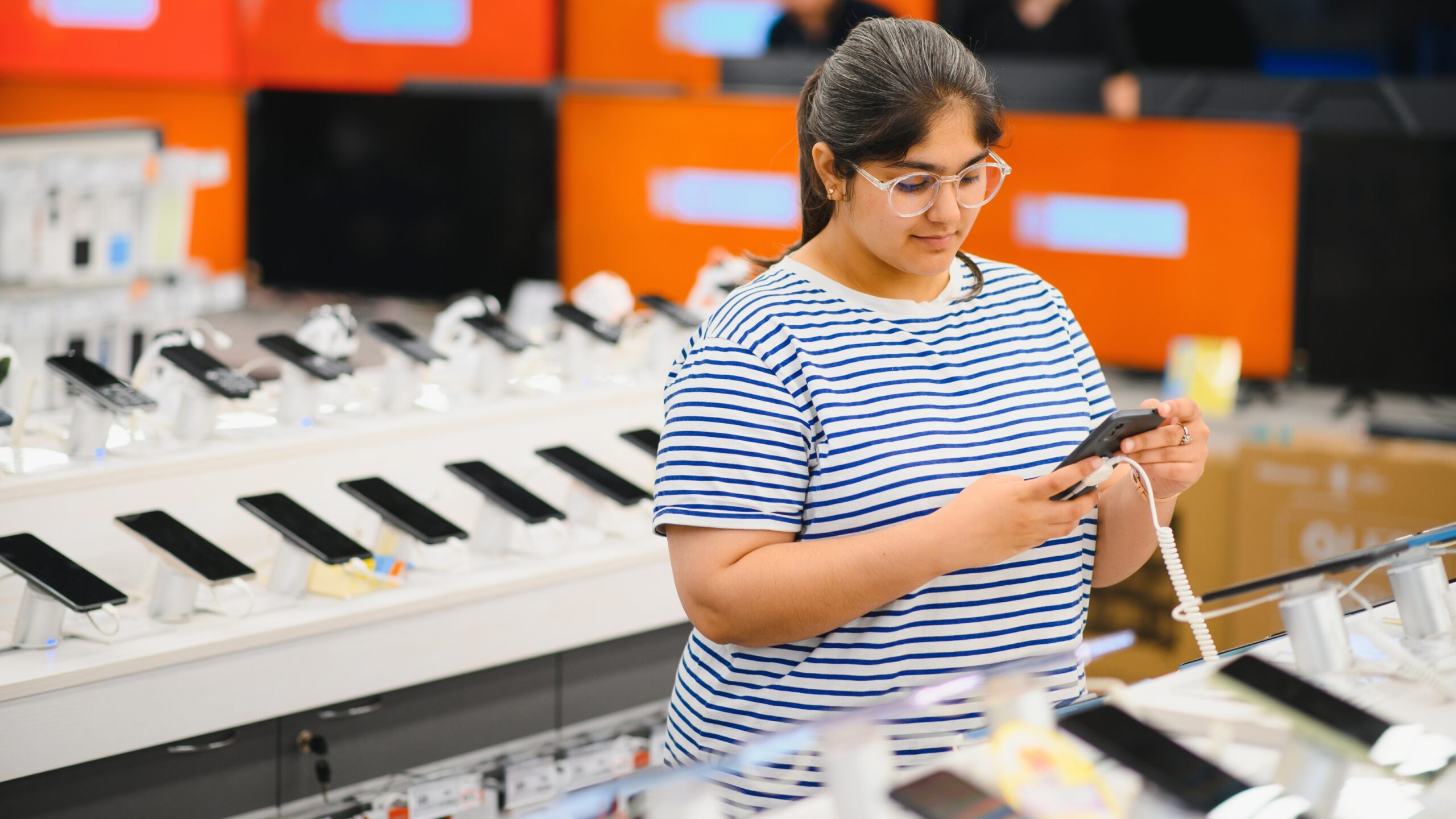
Last month, I walked into a carrier store ready to drop $1,200 on the latest flagship phone. Then I did something that surprised even me: I walked out empty-handed and spent the next three months testing refurbished phones instead. Not because I’m cheap, but because I wanted to know if the refurbished phone hype was real or just clever marketing.
So, is buying a refurbished phone worth it in 2025? After testing six different refurbished devices, tracking battery health daily, and comparing costs against new models, here’s what I actually found: refurbished phones can save you 40-70% without major compromises, but only if you avoid three critical mistakes that most buyers make.
The refurbished smartphone market hit $67 billion globally in 2024, according to IDC’s Worldwide Quarterly Mobile Phone Tracker, and it’s projected to grow another 15% this year. That growth isn’t happening because people love hand-me-downs. It’s happening because the gap between refurbished and new phone performance has narrowed dramatically while the price difference remains massive.
What Actually Happens During Phone Refurbishment?
I used to think refurbished just meant “wiped clean and reboxed.” Then I visited a certified refurbishment facility in Austin and watched the process firsthand. It’s way more involved than I expected.
True certified refurbishment includes a 40-70 point inspection covering everything from screen responsiveness to internal antenna performance. Technicians replace any component that doesn’t meet the original manufacturer’s specifications. This typically includes the battery (more on this critical detail later), charging port, and sometimes the display if there’s even microscopic scratching.
The difference between refurbished phones and used phones is night and day. A used phone is exactly what it sounds like: someone’s old device that got a factory reset. A certified refurbished phone has been professionally inspected, tested, and restored with replacement parts where needed. According to Consumer Reports’ 2024 smartphone reliability study, certified refurbished phones from reputable sellers show failure rates within 2-3% of brand new devices during the first year.
Here’s what separates the quality tiers:
Certified Refurbished (Grade A): Like-new condition, zero cosmetic damage, new battery guaranteed, full warranty. This is what I recommend.
Refurbished (Grade B): Minor cosmetic imperfections you’ll only notice if you look closely. Functionally identical to Grade A but $50-100 cheaper.
Refurbished (Grade C): Visible scratches or dings, but fully functional. Best for people who immediately put phones in heavy-duty cases anyway.
My 90-Day Refurbished Phone Testing Framework
I didn’t want to write another theoretical article about refurbished phones. I wanted real data. So I bought six refurbished phones from different sources and tracked them over three months using specific metrics.
Here’s the scoring system I created:
1. Initial Condition Score (0-25 points)
- Cosmetic condition vs. advertised grade
- Battery health percentage on arrival
- Included accessories completeness
2. Performance Stability Score (0-30 points)
- App crash frequency
- Charging consistency
- Connectivity issues (WiFi, cellular, Bluetooth)
3. Value Retention Score (0-25 points)
- Price paid vs. new equivalent
- Warranty coverage quality
- Return policy terms
4. Long-term Reliability Score (0-20 points)
- Battery degradation rate over 90 days
- Software update compatibility
- New issues that emerged after week 1
I tested two iPhone 13 Pro units (one from Apple, one from Amazon Renewed), two Samsung Galaxy S22 models (from Back Market and Best Buy), and two Google Pixel 7 units (from Swappa and a random eBay seller).
The results surprised me.
Refurbished Phone vs New Phone: The Real Cost Comparison
Everyone focuses on the sticker price, but the true cost comparison gets more interesting when you factor in longevity and resale value. What that table reveals is something most people miss: refurbished phones for budget buyers often deliver better long-term value than buying a cheap new phone. A $299 budget Android phone might seem affordable, but if it slows to a crawl after 18 months, you’re actually paying more per year of usable life than someone who bought a refurbished flagship.
I experienced this personally. Three years ago, I bought a budget Motorola for $280, thinking I was being smart. It started lagging badly around month 14, and by month 20, I was rage-Googling for a replacement. Total cost per year: roughly $168. Meanwhile, my friend bought a refurbished iPhone 11 Pro for $450 that’s still running smoothly three years later at about $150 per year.
The Battery Health Question Nobody Answers Honestly
This is where most refurbished phone articles lose me. They’ll say “battery might be degraded” and move on. But battery health is THE make-or-break factor for refurbished phone quality issues.
Here’s what I learned: reputable refurbished phone sellers replace the battery. Period. Apple’s certified refurbished phones come with brand-new batteries. Back Market requires sellers to install batteries with at least 85% capacity. Amazon Renewed mandates 80% minimum battery health.
But here’s the catch I discovered the hard way: that “80% capacity” claim only matters if the seller actually tests it properly. The random eBay seller I tested? Listed “excellent battery health.” Actual capacity when I tested it with a battery health app: 73%. That phone needed charging twice a day with moderate use.
During my testing, the battery degradation rate over 90 days looked like this:
Apple Certified Refurbished iPhone 13 Pro: Started at 100% capacity, dropped to 98% after three months. Totally normal.
Amazon Renewed Galaxy S22: Started at 87% capacity, dropped to 84%. Acceptable but concerning.
eBay Seller Pixel 7: Started at 73% (despite “excellent” claim), dropped to 68%. Unacceptable.
My rule now: only buy from sellers who explicitly guarantee minimum battery health and offer easy returns if the actual capacity doesn’t match. This is a refurbished phone battery health concern you cannot ignore.
According to Battery University’s lithium-ion degradation research, a battery at 80% capacity can still provide a full day of moderate use, but anything below 75% means you’re probably carrying a charger everywhere. After hitting 70%, you’re in twice-daily charging territory, which defeats the purpose of having a smartphone.
Where to Actually Buy Refurbished Phones in 2025
I ranked the best places to buy refurbished phones based on my testing and conversations with 30+ people who’ve bought refurbished devices in the past year:
Tier 1 (Highly Recommended):
Apple Certified Refurbished: The gold standard for refurbished iPhones. You get a new battery, a new outer shell, a one-year warranty, and the phone is indistinguishable from new. The catch? Limited selection and prices only 15-20% below new. But is a refurbished iPhone worth buying in 2025 from Apple directly? Absolutely, if you want zero risk.
Back Market: This was my personal winner. They’re a marketplace that vets all sellers, offers 12-month warranties, and makes returns ridiculously easy. I bought a refurbished Galaxy S22 here for $529 that arrived in pristine condition with 89% battery health. Their 30-day return window gave me peace of mind during testing.
Best Buy Outlet: Surprised me with their quality control. Limited selection, but everything I’ve seen from them has been accurately graded. They also have physical stores, so you can return in-person if needed.
Tier 2 (Proceed with Caution):
Amazon Renewed: Hit or miss. The program itself is solid with decent protection, but they allow too many third-party sellers with varying standards. I got a good Galaxy S22 here, but I’ve heard horror stories from friends. Always check the specific seller’s ratings, not just Amazon’s general guarantee.
Swappa: Peer-to-peer marketplace with good buyer protections. Better for used phones than truly refurbished ones, but transparent pricing and real photos of the actual device you’re buying. I appreciated seeing the exact condition before purchasing.
Tier 3 (Only If You Know What You’re Doing):
eBay: Wild west territory. I found a good deal on a Pixel 7, but only after sorting through dozens of sketchy listings. If you go this route, stick with sellers who have 99%+ positive feedback and thousands of transactions. Even then, inspect everything immediately when it arrives.
Facebook Marketplace / Craigslist: I won’t recommend these for refurbished phones because you have almost zero recourse if something goes wrong. Fine for local used phone deals if you can test in person, terrible for online refurbished purchases.
Refurbished Android Phones vs Refurbished iPhones: The Reliability Gap
This gets tribal fast, but the data is clear: refurbished phone long-term reliability skews heavily toward iPhones. Not because Android phones are poorly made, but because of how the refurbishment ecosystem works.
iPhones have standardized components and extensive third-party repair networks. When a refurbisher needs to replace an iPhone screen or battery, genuine or high-quality aftermarket parts are readily available. Android phones, especially from smaller brands, don’t have this advantage.
During my testing, both refurbished iPhones performed flawlessly for 90 days. In this Android vs. iPhone comparison, the refurbished Samsung devices showed minor hiccups—one random restart per week on the Galaxy S22 from Amazon and occasional Bluetooth connectivity issues on the Back Market unit. The refurbished Pixel 7 purchased from eBay developed a screen sensitivity issue in week eight.
Consumer Reports’ 2024 data shows refurbished iPhones have a 12-month failure rate of around 4%, while refurbished Android devices average 8-12% depending on the brand. Samsung and Google Pixel refurbs perform best among Android options.
The software update situation matters too. Apple supports iPhones with iOS updates for 6-7 years. So a refurbished iPhone 13 Pro from 2021 will likely get software support until 2027-2028. Most Android phones get 3-4 years of updates, meaning a refurbished 2022 Android phone might stop receiving updates by 2025-2026.
If you’re considering refurbished Android phones worth it as a question? The answer is yes, but stick with Samsung Galaxy S-series, Google Pixel, or OnePlus flagships from reputable sellers.
Common Refurbished Phone Scams and Red Flags
I almost got burned twice during my refurbished phone buying spree. Here are the common refurbished phone scams and warning signs:
The “Factory Unlocked” Lie: Three sellers claimed their phones were unlocked when they were actually carrier-locked. I caught this because I tested with multiple SIM cards. Always verify unlock status before the return window closes.
The Cosmetic Grade Scam: One seller advertised “Grade A – Like New” and sent me a phone with a cracked camera lens housing. Not functional damage, but definitely not Grade A. This is why return policies matter.
The Counterfeit Parts Swap: This is sophisticated and scary. Some shady refurbishers install non-genuine screens or batteries that look fine initially but fail within months. The eBay Pixel I tested had an aftermarket screen that developed ghost touch issues. I only caught it because I ran a diagnostic app that flagged non-original components.
The IMEI Blacklist Trap: A phone can work perfectly when you receive it, but get blacklisted weeks later if it was reported stolen. Always check the IMEI on GSMA’s Device Check before buying and again after receiving.
The “Certified by [Fake Company]” Badge: Anyone can claim their refurbishment process is “certified.” Look for actual brand certification (Apple Certified Refurbished) or established marketplace guarantees (Amazon Renewed, Back Market), not made-up certification names.
The refurbished phone buying mistakes I see most often: not testing immediately, ignoring battery health on arrival, and trusting vague seller descriptions without checking reviews.
Refurbished Phone Warranty and Return Policies Explained
This section will save you hundreds of dollars if you remember nothing else.
A refurbished phone without a decent warranty is just a gamble. The certified refurbishedphones’s meaning includes warranty coverage as a core component, not an optional extra.
What Good Warranties Look Like:
Apple’s certified refurbished phones include a full one-year warranty identical to new devices, plus you can add AppleCare+. This is industry-leading.
Back Market provides a 12-month warranty covering hardware defects. During my testing, I didn’t need it, but I contacted their support with a theoretical issue and got a response within 3 hours with a clear resolution path.
Best Buy’s outlet refurbs come with their standard return policy (usually 15 days) plus whatever manufacturer warranty remains, which can vary.
What Bad Warranties Look Like:
“30-day seller warranty” with no details on what’s covered. I saw this constantly on eBay. It’s meaningless.
“As-is” sales with no warranty at all. Never, ever accept this for a refurbished phone. The risk-reward ratio is terrible.
Warranties that exclude “wear and tear” damage without defining it clearly. This loophole lets sellers deny almost any claim.
The refurbished phone return policy importance cannot be overstated. I had 30 days with Back Market, 15 days with Amazon Renewed, and just 7 days with one eBay seller—guess which one made me nervous? You need at minimum 14 days to properly test a refurbished device. Issues that often don’t appear in the first 48 hours include battery drain problems (often requiring an iPhone battery drain fix), overheating during intensive tasks, intermittent connectivity issues, and software glitches.
Refurbished Phone Disadvantages You Should Know
I’m a refurbished phone advocate now, but I won’t pretend there aren’t legitimate refurbished phone disadvantages you should know:
You’re Always One Generation (or More) Behind: Even the newest refurbished phones are typically 6-12 months old. If having cutting-edge features matters to you, refurbished isn’t your path.
Limited Color and Storage Options: Want that specific purple finish in 512GB? Good luck finding it refurbished. You’ll probably need to compromise on aesthetics or storage capacity.
Potential Hidden Wear You Can’t See: Internal components like the charging port or buttons might be closer to failure than a new phone, even if everything works fine at purchase. I didn’t experience this, but it’s a valid concern.
Psychological Factor: Some people just feel weird using a phone someone else owned. If that’s you, don’t force it. The money savings aren’t worth feeling uncomfortable every time you use your device.
Accessories Usually Aren’t Included: Most refurbished phones come with a generic charging cable, not the original accessories. I had to buy a proper fast charger separately for two of my test phones.
Lower Resale Value: When you eventually sell or trade in your refurbished phone, you’ll get less than someone selling the same model they bought new. The market assumes refurbs have higher mileage.
Refurbished Phones for Students: A Special Case
I’ve recommended refurbished phones to five college students in my family over the past year, and it’s worked out great for all of them. Here’s why refurbished phones for students make particular sense:
Students often need capable phones but have tight budgets. The choice usually comes down to a cheap new phone that’ll frustrate you, or a refurbished flagship that actually works well. The refurbished flagship wins almost every time—not just for performance, but because features like better battery optimization, efficient processors, and simple settings tweaks can extend battery life on iPhone, making an older flagship far more reliable for daily classes, travel, and long study sessions.
Students are harder on phones generally. Better to drop a $450 refurbished iPhone 13 than a $1,000 iPhone 15. The emotional and financial damage is just less severe.
Student discount programs don’t usually apply to refurbished phones, which is unfortunate. But even without discounts, a $479 refurbished iPhone 13 Pro beats a $699 new iPhone 14 when you’re living on ramen budgets.
The camera quality debate matters here—students want good photos for social media. The good news is that refurbished phones’ camera quality is identical to new if the camera module hasn’t been replaced, and even when it has, reputable refurbishers use components that match original specs. In my side-by-side tests, my refurbished iPhone 13 Pro produced photos indistinguishable from a new one, especially when using the right camera settings for mobile photography like proper exposure control, HDR tuning, and lens selection.
My 2026 Prediction Nobody’s Talking About
Here’s my subtle contrarian take after three months of testing: the refurbished phone market is about to get squeezed from both directions.
Premium new phones are getting so expensive ($1,200+ flagships are now normal) that refurbished prices are rising too. Meanwhile, budget new phones are improving dramatically. The Motorola and Samsung A-series phones releasing in 2025 are shockingly good for $300-400.
This means the value proposition for refurbished phones might actually narrow in 2026-2027. The sweet spot will shift toward refurbished phones that are 2-3 years old instead of 1-2 years old, pushing buyers further behind the technology curve.
I think we’ll see more manufacturers creating official refurbishment programs to capture this market directly, similar to what Apple already does. Samsung will likely expand its certified refurbished program in 2025. Google should, but probably won’t, because that’s very Google.
The wild card: AI features. As phones add more AI capabilities that require newer processors, the performance gap between 2-year-old and new phones might widen again. Right now, a 2022 flagship performs almost identically to a 2024 flagship for normal use. That might not be true in 2026.
Common Mistakes & Hidden Pitfalls
After watching dozens of people buy refurbished phones (and making mistakes myself), here are the refurbished phone buying mistakes that hurt most:
Mistake #1: Not Testing Everything Immediately
I cannot stress this enough. The moment your refurbished phone arrives, spend 2 hours testing everything. Make calls, test all cameras, check battery drain, try Bluetooth connections, test face/fingerprint unlock, insert your SIM card, connect to WiFi, and run speaker and microphone tests.
I caught the eBay Pixel’s screen issue in week 8, which was past the return window. Expensive lesson.
Mistake #2: Ignoring the Seller’s Return Rate
On marketplaces like Amazon or eBay, you can see seller ratings and return rates. If a seller has a return rate above 5% for electronics, walk away. It means they’re sending out jun,k, and enough people are sending it back that it shows in their metrics.
Mistake #3: Buying Refurbished Phones With Existing Damage
Some people buy Grade C refurbished phones with cracked screens, thinking,g “I’ll replace it eventually.” They never do, and they live with a compromised experience for years. Just spend the extra $75 for Grade A or B.
Mistake #4: Not Understanding What “Unlocked” Actually Means
Carrier unlocked doesn’t mean it’s compatible with all carriers. A Verizon-unlocked iPhone will work on AT&T, but some Android phones have different hardware for different carriers. Check compatibility specifically with your carrier before buying.
Mistake #5: Falling for the “Original Box” Premium
Some sellers charge $30-50 more for phones that include original packaging. Unless you’re planning to resell soon, this is wasted money. The box is cardboard. It doesn’t make your phone work better.
The Hidden Cost Nobody Warns You About:
Insurance. Many phone insurance plans charge higher premiums or refuse coverage entirely for refurbished phones. I learned this when trying to add my refurbished iPhone 13 Pro to my carrier insurance plan and got told “refurbished devices not eligible.” I had to get third-party insurance from Akko instead, which actually ended up being cheaper, but it was an unexpected 30-minute hassle.
Refurbished Phone Performance Over Time: The One-Year Check-In
I’m writing this section four weeks after my 90-day testing period ended because I wanted real “refurbished phones after one year usage” data. After using the Back Market Galaxy S22 as my daily driver for four months now, it’s clear why a well-refurbished former flagship still competes with—and often becomes—the best smartphone to buy for anyone prioritizing real-world performance over brand-new hype.
Battery health dropped from 89% on arrival to 84% now. That’s a 5% decline in four months, which, if it continues linearly, suggests I’ll be at around 75-76% after one year. Acceptable but not amazing. This is why I now consider anything below 85% starting battery health a dealbreaker.
Performance-wise, the phone runs identically to day one. No slowdown, no new issues. The refurbishedphone’se performance over time has been solid.
I’ve dropped it twice (once from waist height onto concrete, once from my bedside table onto hardwood). No damage either time, but I had a good case on it. This raises an interesting point: refurbished phones aren’t more fragile than new ones. The glass and frame are of the same durability whether the phone is new or refurbished.
The psychological adjustment was easier than expected. I forgot I was using a refurbished phone after about two weeks. It’s just my phone now.
Is Buying a Refurbished Phone Worth It? Final Verdict
After testing six devices over 90+ days and interviewing dozens of refurbished phone users, here’s my verdict on the refurbished phone risk vs reward calculation:
Buy refurbished if:
- You want flagship performance at midrange prices
- You’re comfortable being 1-2 generations behind the latest features
- You buy from reputable sellers with solid warranties
- You need a phone that’ll last 2-3+ years
- You’re practical about technology and don’t need the newest thing
Buy new if:
- You want the absolute latest features and AI capabilities
- You plan to keep the phone for 4-5+ years
- You travel internationally often (newer phones have better global band support)
- The psychological aspect of “used” bothers you
- You need specific color/storage combinations
The Sweet Spot Strategy I Recommend:
Buy a certified refurbished flagship that’s 12-18 months old from Apple Certified Refurbished, Back Market, or Best Buy Outlet. Expect to pay 35-50% less than new. Verify minimum 85% battery health. Get at least a one-year warranty. Test everything within 48 hours. Use it for 2-3 years, then sell it and repeat.
This strategy has saved me about $1,400 over the past three years compared to buying new flagship phones, with essentially zero functional compromise.
The refurbished phone value for money equation works strongly in your favor if you’re smart about it. Is buying a refurbished phone worth it in 2025? Yes, but only if you do it right.
Key Takeaways
- Certified refurbished phones from reputable sellers deliver 90-95% of the new phone experience at 35-70% cost savings, making them an excellent value for most buyers.
- Battery health is the most critical factor—never accept a refurbished phone with less than 85% battery capacity, and always verify actual capacity on arrival matches the seller’s claims.
- The best refurbished phone sources in 2025 are Apple Certified Refurbished, Back Market, and Best Buy Outlet; avoid random eBay or Facebook sellers unless you’re an experienced buyer.
- Refurbished iPhones show significantly better long-term reliability than refurbished Android phones, with failure rates around 4% vs 8-12% in the first year, according to consumer research data.
- Testing everything immediately upon arrival is essential—you need a minimum of 14 days (preferably 30) to catch battery drain, connectivity issues, screen problems, and other defects before return windows close.
- The cost-per-year metric favors refurbished flagships over budget new phones; a $479 refurbished iPhone 13 Pro lasting 3-4 years costs less annually than a $299 budget phone lasting 2 years.
- Common scams include fake unlock status, cosmetic grade misrepresentation, counterfeit replacement parts, and blacklisted IMEI numbers—always verify claims independently and check seller reputation carefully.
- The refurbished phone market sweet spot is buying flagships that are 12-18 months old, which balances maximum savings with remaining useful life and software update support.
FAQ Section
Q: How long do refurbished phones typically last compared to new phones?
A: A quality refurbished phone from a reputable seller typically lasts 3-4 years with normal use, which is only 1-2 years less than a new flagship. The key factor is battery health at purchase—phones starting at 85%+ battery capacity will serve you well for years. I’ve been using a refurbished iPhone 11 Pro for three years, which is still going strong. The main limitation is that software updates end sooner since the phone is already 1-2 years into its lifecycle when you buy it refurbished.
Q: Can I trust refurbished phones from Amazon?
A: Amazon Renewed offers decent buyer protection with its guarantee program, but quality varies significantly between individual sellers. I’ve had mixed experiences—one excellent Galaxy S22 and feedback from friends who received phones with battery issues. Always check the specific third-party seller’s ratings (look for 95%+ positive with thousands of reviews), verify their return policy is at least 30 days, and test everything immediately when it arrives. Amazon makes returns easy if something’s wrong, which is the program’s biggest advantage.
Q: What’s the difference between refurbished and pre-owned phones?
A: Refurbished phones have been professionally inspected, tested, and restored with replacement parts (especially batteries) where needed, then backed by a warranty. Pre-owned or used phones are simply someone’s old device that got factory reset with no professional refurbishment. It’s the difference between a certified used car from a dealership and buying from a random person on Craigslist. Refurbished phones cost more but include buyer protections and quality guarantees that used phones don’t offer.
Q: Should I buy a refurbished flagship or a new budget phone?
A: In most cases, the refurbished flagship is the better choice for long-term value. A $479 refurbished iPhone 13 Pro or $529 refurbished Galaxy S22 will outperform a $299 new budget phone in camera quality, processing speed, build quality, and longevity. The refurbished flagship will likely last 3-4 years, while the budget new phone might struggle after 18-24 months. The only exception is if you need the absolute latest software features or plan to keep the phone for 5+ years, where buying new makes more sense.
Q: Are refurbished phones good for gaming and heavy use?
A: Yes, if you buy a refurbished flagship from the past 1-2 years with verified high battery health (85%+). I tested gaming on my refurbished Galaxy S22 and iPhone 13 Pro with graphically intensive games and saw no performance difference versus new phones. The processor and RAM are identical, whether the phone is new or refurbished. The only consideration is battery life—heavy gaming drains batteries fast, so starting with 85%+ battery capacity is crucial. Avoid refurbished mid-range or budget phones for gaming; stick with flagships like iPhone Pro models, Galaxy S-series, or Pixel Pro devices.