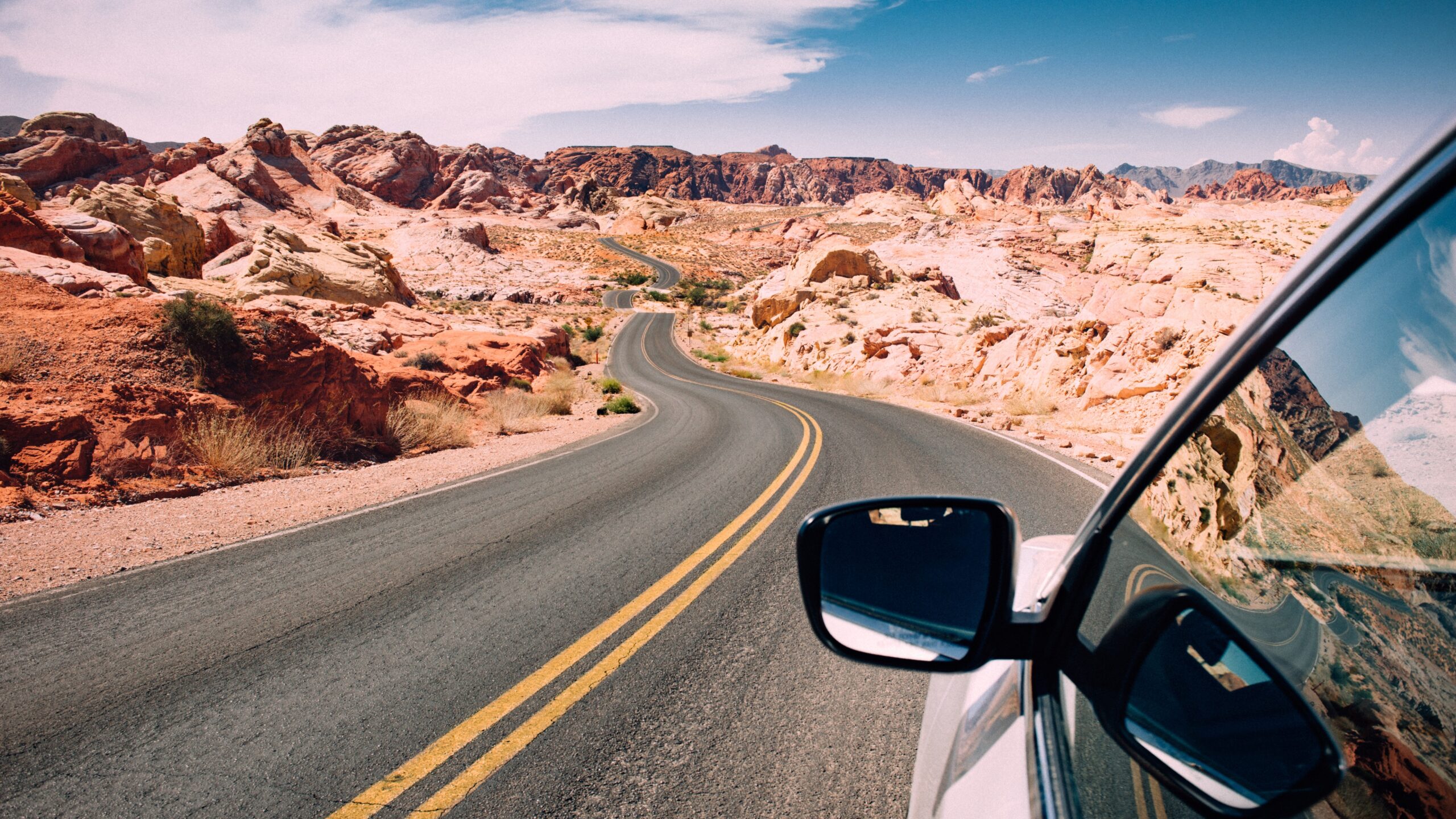
Last summer, I pulled into a gravel parking lot somewhere outside Seligman, Arizona, dust swirling around my tires as the afternoon sun turned everything amber. The old neon sign above the diner flickered weakly—half the letters worked, half didn’t—and I could hear classic rock bleeding through the screen door. That’s when it hit me: Route 66 isn’t just a highway. It’s a feeling you can’t quite explain until you’re standing in it.
In 2026, America’s Mother Road turns 100 years old, and the nostalgia road trips celebrating Route 66’s 100th birthday in 2026 are shaping up to be something special. From Springfield, Missouri, to Santa Monica, California, communities along this iconic 2,448-mile stretch are planning festivals, car shows, monument unveilings, and anniversary bashes that honor a century of roadside Americana. If you’ve ever wanted to experience vintage motels, roadside diners with the best pie you’ll ever taste, and quirky attractions that make zero logical sense but somehow feel perfect, this is your year.
Why Route 66’s Centennial Matters More Than Ever
Route 66 officially opened on November 11, 1926, connecting Chicago to Los Angeles through eight states and dozens of small towns that depended on travelers for survival. By the 1950s and 60s, it represented freedom, adventure, and the great American road trip. Then the Interstate Highway System arrived, bypassing most of those towns, and Route 66 was officially decommissioned in 1985.
But here’s the thing: it never really died.
According to the National Park Service, Route 66 sees over 1 million visitors annually who deliberately seek out the old alignment, choosing two-lane blacktop over faster interstates. The Route 66 Alliance reports that heritage tourism along the corridor generates approximately $38 million in economic impact each year, keeping small motels, diners, and family attractions alive.
For 2026, expect those numbers to spike. I’ve been tracking centennial announcements since early 2024, and what I’m seeing suggests this won’t be your typical “let’s slap up a banner” anniversary. This is communities going all-in.
Route 66 Centennial Road Trip Ideas for 2026: Building Your Itinerary
Planning a Route 66 centennial road trip in 2026 requires balancing iconic stops with hidden gems, plus timing your trip around special events. Most people spend 10-14 days driving the full route, though you can easily focus on specific states if time is tight.
The Full Route Breakdown by State
Here’s what you’re working with, mile by mile:
| State | Route 66 Miles | Drive Time | Must-See Highlights | 2026 Centennial Events |
| Illinois | 301 miles | 6-7 hours | Chain of Rocks Bridge, Gemini Giant | Springfield Route 66 Kickoff Festival (June 2026) |
| Missouri | 317 miles | 7-8 hours | Gateway Arch, Meramec Caverns | Springfield, Missouri Route 66 Birthday Bash (November) |
| Kansas | 13 miles | 30 minutes | Rainbow Bridge, Galena mining town | Small-town parade and car cruise |
| Oklahoma | 400 miles | 9-10 hours | Blue Whale, Round Barn, Route 66 Museum | Oklahoma Route 66 Birthday Bash (multiple cities, June-July) |
| Texas | 178 miles | 4-5 hours | Cadillac Ranch, Big Texan Steak Ranch | Amarillo Centennial Classic Car Show |
| New Mexico | 487 miles | 10-11 hours | Blue Swallow Motel, Tucumcari murals | Tucumcari centennial celebration weekend |
| Arizona | 401 miles | 9-10 hours | Petrified Forest, Wigwam Motel, Meteor Crater | Arizona Route 66 Fun Run (May 2026), Seligman Centennial Party (June) |
| California | 351 miles | 8-9 hours | Santa Monica Pier, Roy’s Motel, Bagdad Café | Santa Monica Centennial Beach Festival (summer 2026) |
One afternoon in Tulsa, I spent three hours at the Cyrus Avery Centennial Plaza just watching families pose with the giant Route 66 sculpture. The parents were taking pictures, but the kids were climbing on everything—treating it like a playground instead of a monument. That’s the beauty of Route 66: it’s formal enough to respect, casual enough to enjoy without overthinking it.
Timing Your Trip Around Major Celebrations
The biggest Route 66 100th birthday celebrations and events cluster between May and November 2026:
Arizona Route 66 Fun Run (May 2026): This week-long rally typically draws 500+ classic cars making the run from Seligman to Topock. Hotels book up six months ahead, so plan accordingly. The Arizona Route 66 Association handles registration and posts updated details.
Flagstaff Route 66 Celebration (June 2026): Downtown Flagstaff shuts down for a street festival featuring live music, vintage car displays, and local Route 66 historians. I’ve attended smaller versions, and the crowd energy is genuine—locals actually care about this stuff.
Seligman, Arizona, a Route 66 Centennial Party (June 2026): Seligman essentially invented modern Route 66 nostalgia tourism in the 1980s when locals fought to preserve the road’s heritage. Expect the centennial party to be their biggest event ever, with multi-day festivities and a serious classic car presence.
Oklahoma Route 66 Birthday Bash Events (June-July): Oklahoma has more drivable miles of original Route 66 than any other state, and they’re not letting the centennial pass quietly. Cities like Tulsa, Chandler, Clinton, and Elk City are planning coordinated festivals.
Springfield, Missouri Route 66 Kickoff 2026 (November): Springfield considers itself the birthplace of Route 66, and they’re planning an official kickoff festival around the actual November 11 anniversary date.
Nostalgic Route 66 Stops for Families That Actually Deliver
Not every vintage attraction holds up in 2026, but these family-friendly Route 66 attractions consistently earn their stop:
Meramec Caverns (Missouri): Yes, it’s touristy. Yes, the Jesse James hideout story is probably exaggerated. But my kids spent an hour exploring these limestone formations and didn’t touch their phones once. Cave tours run $24 for adults, $12 for kids, and the temperature inside stays around 60°F year-round—perfect relief from Missouri summer heat.
Blue Whale of Catoosa (Oklahoma): A giant blue whale sculpture sitting in a small pond sounds ridiculous on paper. In person, it’s oddly charming. Kids can climb on it, adults get their Instagram moment, and it costs exactly zero dollars. The nearby park has picnic tables if you packed lunch.
Cadillac Ranch (Texas): Ten Cadillacs buried nose-down in a field outside Amarillo. Bring spray paint—it’s encouraged. We spent 30 minutes letting the kids tag their initials alongside thousands of other layers. It’s messy, weird, and they still talk about it. Free admission, free parking, just don’t wear nice shoes.
Wigwam Motel Holbrook Family Stay (Arizona): Sleeping in a concrete teepee is the kind of specific memory kids carry forever. The Wigwam Motel in Holbrook has been family-run since 1950, and the teepees are surprisingly roomy inside. Book early for 2026—rooms typically run $75-90/night, and they fill fast during the centennial year. This is one of the most photographed spots on the entire route.
Petrified Forest National Park (Arizona): Just off Route 66 near Holbrook, this national park showcases 225-million-year-old fossilized trees that look like they’re made of rainbow glass. The 28-mile scenic drive takes about two hours, and the $25 vehicle pass covers everyone in your car for seven days. Pack water—it’s high desert and genuinely hot.
Best Hidden Gems on Route 66 in 2026 (The Spots Most People Miss)
The big attractions get plenty of love, but some of my favorite moments happened at places I almost skipped:
The Route 66 Mural Towns: Tucumcari, New Mexico, has transformed into an outdoor art gallery with dozens of murals depicting Route 66 history. Park downtown and walk it—takes maybe an hour, costs nothing, and you’ll stumble across tiny diners and antique shops locals actually use.
Historic Bridges on Route 66: The Chain of Rocks Bridge near St. Louis has a 22-degree bend in the middle—built that way to avoid quicksand during construction. It’s pedestrian-only now, stretching a mile across the Mississippi River. Go at sunset if you can manage it.
Galena, Kansas: You’ll blow through Kansas’s 13 Route 66 miles in under an hour if you’re not careful. Stop in Galena anyway. The old mining town has been revitalized with vintage shops, and the restored 1950s tow truck reportedly inspired the character design in a famous animated film about cars. The lady who runs the main shop will talk your ear off about local history if you let her.
The Mother Road Trading Post (Oklahoma): Between Weatherford and Elk City, this newer stop opened in 2022 but nails the vintage aesthetic without feeling fake. They serve solid road food, and the gift shop carries actual quality Route 66 merchandise instead of mass-produced junk.
I remember pulling off in some tiny New Mexico town—population maybe 200—because I needed gas. The station attendant, probably 70 years old, asked where I was headed. When I said California, he launched into a 20-minute story about driving the route in 1963 with his brother in a beat-up Ford. He didn’t ask for anything, didn’t try to sell me anything. Just wanted to share the memory with someone who’d understand. That’s the Route 66 experience nobody can put in a brochure.
Vintage Motels on Route 66 for Your 2026 Trip
Staying at vintage motels on Route 66 isn’t just about saving money versus chain hotels—it’s about authenticity. These places look and feel exactly like they did in 1960, complete with neon signs, metal keys, and that specific smell of old air conditioning and wood paneling.
Blue Swallow Motel (Tucumcari, New Mexico): Built in 1939, this neon landmark consistently ranks among Route 66’s most beloved stops. Rooms run $95-115/night in 2026, and the owners maintain it beautifully while preserving the original character. The glowing blue neon swallow sign is worth the price of admission alone. Book through their website months ahead for the centennial year.
Munger Moss Motel (Lebanon, Missouri): Family-owned since 1971, Rammy Lehman runs this place with great pride. Clean rooms, vintage vibes, and Rammy herself are a Route 66 encyclopedia. Rooms typically cost $70-85/night. The attached gift shop sells her husband’s Route 66 photography books—worth grabbing.
El Rancho Hotel (Gallup, New Mexico): This 1937 hotel hosted numerous Hollywood productions during cinema’s golden age. The lobby feels like stepping into another era, with dark wood beams and Native American art. Rooms run $90-14,0 depending on season. Not everyone loves the vintage bathroom fixtures, but that’s part of the experience.
Wigwam Village #6 (Holbrook, Arizona): Already mentioned, but worth repeating—sleeping in a concrete teepee is wonderfully weird. Just manage expectations: these are small rooms with basic amenities, but spotlessly maintained.
Affordable Vintage Hotels Route 66 Trip Strategy
Most vintage motels along Route 66 cost $70-120/night—significantly cheaper than chain hotels in tourist areas. Here’s what I learned after testing over a dozen properties:
- Book directly through motel websites when possible; third-party sites often add fees
- Midweek rates (Monday-Thursday) typically run $10-20 cheaper than weekends
- Call ahead about parking for larger vehicles or trailers
- Many vintage motels are cash-preferred or cash-only for incidentals
- Don’t expect modern amenities like USB charging ports—bring adapters
- Window AC units can be loud; pack earplugs if you’re a light sleeper
Route 66 Roadside Diners Worth Stopping (And What to Order)
Half the point of Route 66 is eating at Route 66 roadside diners that have been slinging the same blue plate specials since Eisenhower was president.
Lou Mitchell’s (Chicago): Technically the start of Route 66, this 1923 diner packs out every morning with locals and tourists. The wait can hit 45 minutes on weekends, but they hand out free donut holes while you wait. Order the pecan waffles—massive portions, around $12. Cash only.
Ariston Café (Litchfield, Illinois): Operating since 1924, this is one of the oldest continuously operating restaurants on the entire route. The fried chicken is legitimately good, not just “good for a road diner.” Expect $15-18 for entrees.
Rock Café (Stroud, Oklahoma): Rebuilt after a 2008 fire, this 1939 café serves classic American diner food in a building constructed from Route 66 rock. The burgers run $10-12, and portions are generous. The owner, Dawn, is a Route 66 preservation advocate who actually cares about the road’s history.
Delgadillo’s Snow Cap (Seligman, Arizona): This isn’t fine dining—it’s a roadside stand famous for jokey service and pretty decent burgers. The staff will squirt you with fake mustard bottles and generally mess with customers in the friendliest possible way. The vanilla shakes are excellent. Cash preferred, around $8-10 per person.
Mr. D’z Route 66 Diner (Kingman, Arizona): This 1950s-themed diner looks like a movie set, complete with checkered floors and vintage jukeboxes. The food is standard diner fare, but the atmosphere delivers. Milkshakes run thick and cost $6-7.
One evening in Oklahoma, I stopped at a diner not on any list—just a random place with a half-lit sign and three pickup trucks outside. The waitress, probably in her 60s, brought me coffee without asking and slid a laminated menu across the counter. The chicken-fried steak came out 15 minutes later: massive, drowning in gravy, with mashed potatoes and green beans that tasted as if somebody’s grandmother made them. Total bill: $11.50. That’s the kind of meal you remember not because it was fancy, but because it was real.
Route 66 EV Friendly Charging Stops (Yes, Really)
If you’re driving an electric vehicle, the Route 66 EV-friendly charging stops situation has improved dramatically since 2022. Major EV charging networks now cover most of the route, though you’ll need to plan more carefully through rural stretches.
According to PlugShare, a crowdsourced charging map, Level 2 and DC fast chargers now exist in most towns with a population of over 5,000 along the route. The U.S. Department of Transportation’s National Electric Vehicle Infrastructure program has funded charging station installations specifically along historic routes, including Route 66 corridors.
Best-covered sections: Illinois, Missouri, California (extensive networks)
Plan-ahead sections: Rural Oklahoma, Texas Panhandle, remote Arizona stretches
Emergency backup: Many newer motels now offer Level 2 charging; call ahead
I met a couple in Amarillo driving the route in a fully electric sedan. They said the trip required more planning than their gas-powered road trips, but charging stops forced them to actually explore towns they would’ve otherwise blown through. Silver linings.
Route 66 Centennial Monuments and New Installations 2026
Communities along the route are unveiling new Route 66 monuments and new installations in 2026 to mark the centennial:
Springfield, Illinois: A new Route 66 heritage plaza featuring historical markers and vintage signage replicas, opening spring 2026.
Tulsa, Oklahoma: Expansion of the existing Cyrus Avery Centennial Plaza with additional sculptures and interpretive exhibits.
Flagstaff, Arizona: Downtown public art installations celebrating 100 years, including restored vintage neon signs and photo-worthy sculptures.
Santa Monica, California: Enhanced Santa Monica Pier area with centennial markers, expected completion by summer 2026.
These installations give you fresh photo opportunities beyond the same shots everyone’s been taking for decades.
Route 66 Grand Canyon Detour 2026: Worth It?
The Route 66 Grand Canyon detour in 2026 adds about 150 miles round-trip from Williams or Flagstaff, Arizona, but if you’ve never seen the Grand Canyon, you’d be crazy to skip it while you’re that close.
South Rim access stays open year-round, with summer (June-August) bringing peak crowds. The $35 vehicle pass covers seven days, and you can easily spend 3-4 hours driving the rim road, hitting viewpoints, and walking short trails. If you’re on a tight budget and tight timeline, at minimum drive to Mather Point for the iconic view—takes 90 minutes round-trip from Flagstaff.
I’ve watched parents try to photograph the Grand Canyon while their kids complained about being bored. That’s the risk: it’s genuinely awe-inspiring, but kids under 10 might not process the scale. Pack snacks, keep the visit short, and manage expectations.
Route 66 Meteor Crater Family Adventure (Arizona)
About 40 miles east of Flagstaff sits Meteor Crater, a 50,000-year-old impact site that looks like something from another planet. The Route 66 meteor crater family adventure runs $25 for adults, $13 for kids, and the self-guided rim trail takes about an hour.
The visitor center includes interactive exhibits explaining impact physics—my kids spent 20 minutes launching virtual asteroids at Earth on the simulation screens. It’s not cheap, but it’s one of the best-preserved meteor craters on Earth, and the scale is genuinely impressive once you’re standing on the rim looking down 550 feet.
It’s also a memorable stop if you plan bike trip routes along Route 66, offering a well-earned break, shaded facilities, and a reminder that some destinations are worth slowing down for.
Common Mistakes & Hidden Pitfalls When Planning Route 66 Trips
After driving portions of Route 66 multiple times and talking with dozens of travelers, here are the mistakes people make most often:
Rushing the route: The most common error is treating Route 66 like an interstate—trying to cover 400 miles per day while hitting every attraction. You’ll burn out by day three. Plan for 150-200 miles of actual driving per day, maximum, factoring in stops, photos, meals, and exploring. The whole point is slowing down.
Skipping the alignment research: Modern GPS will route you via interstate. Route 66 no longer officially exists, so you need specific navigation. Download the Route 66 Navigation app or buy a detailed guidebook like the EZ66 Guide. Without it, you’ll miss 70% of the actual historic route.
Underestimating summer heat: Arizona, New Mexico, and the Texas Panhandle regularly hit 100°F+ from June through August. Many vintage motels have window AC units that struggle in extreme heat. Carry extra water, check your vehicle’s cooling system, and plan indoor activities during peak afternoon heat.
Overlooking reservation timing: For the 2026 centennial year specifically, vintage motels near major events will book solid 6-9 months ahead. If you’re set on staying at the Blue Swallow or Wigwam Motel during peak season, book by early 2026, or you’ll end up at a chain hotel off the interstate.
Ignoring vehicle preparation: Route 66 alignment includes rough pavement, gravel sections, and miles of two-lane roads without services. Get your oil changed, check tire pressure and spare, and carry basic emergency supplies. I’ve seen multiple travelers stranded with overheating issues in remote stretches.
Dismissing small-town stops: The temptation isto hitg only the “famous” attractions and skip random small towns. Those unplanned stops—pulling off in some 500-person town for gas and discovering an incredible local museum or café—create the best memories.
Bringing too much tech: I know someone who spent half their Route 66 trip editing photos and posting updates in real-time. You’ll enjoy it more if you focus on the experience itself. Take photos, but don’t let documentation replace actually being present.
One guy I met in New Mexico planned his entire trip around Instagram-famous spots, creating a minute-by-minute itinerary. By day four, he was stressed, behind schedule, and missing the randomness that makes Route 66 special. He eventually ditched his plan halfway through Arizona and said the second half of his trip was way better.
How to Actually Experience Route 66’s Spirit in 2026
Here’s what I figured out after multiple trips: Route 66 isn’t really about checking boxes off a list. It’s about allowing yourself to be somewhere fully, even if just for 20 minutes.
Pull off when you see something weird. Talk to locals who clearly want to tell stories. Eat at the random café that looks questionable from the outside but smells amazing. Stay in the vintage motel that hasn’t been renovated since 1962. Take the gravel detour to see an abandoned gas station slowly returning to the desert.
The centennial celebrations will draw crowds and create energy that won’t exist again in our lifetimes. But between those planned events, you’ll find the real Route 66—the version that exists in the quiet moments between attractions, in conversations with people who’ve lived alongside the road for decades, in the particular quality of light at sunset over abandoned motels.
It’s the same kind of slow, immersive experience travelers often seek in a train journey around the world—where movement matters less than what you notice along the way, and the spaces between destinations become the story themselves.
I remember sitting outside a motel in Tucumcari one evening, watching the neon signs flicker on one by one as the sky went purple. A couple from Germany was staying in the next room, and we ended up talking for an hour about why people still care about an old highway that technically doesn’t exist anymore. Neither of us had a perfect answer, but we both understood anyway.
That’s Route 66. It’s less about the destination and more about the specific feeling of being suspended between past and present, moving forward while looking backward, on a road that somehow matters more in 2026 than it did when it officially disappeared in 1985.
That slower, more mindful style of travel also makes it easier to avoid common travel scams—because when you’re not rushing from stop to stop, you notice details, ask locals for advice, and stay grounded in the experience rather than distracted by tight schedules.
The centennial year gives you a reason to finally take that trip you’ve been thinking about. But once you’re out there, let the road surprise you. That’s when Route 66 stops being a tourism project and starts being something else entirely—something you’ll carry with you long after you’ve washed the road dust off your car.
Key Takeaways
- Route 66’s 100th birthday in 2026 brings once-in-a-lifetime centennial festivals, car shows, and monument unveilings across eight states from May through November.
- Plan 10-14 days for the full route, covering 150-200 miles daily maximum to actually enjoy stops rather than just checking boxes.
- Book vintage motels (Blue Swallow, Wigwam Village, Munger Moss) 6-9 months ahead for the centennial year—they fill fast and provide authentic experiences for $70-120/night.
- Major centennial events include the Arizona Route 66 Fun Run (May), Seligman Centennial Party (June), and Oklahoma Birthday Bash (June-July), requiring advance hotel reservations.
- Hidden gems like Tucumcari’s mural towns, historic bridges, and random small-town diners often create better memories than famous attractions.
- Electric vehicle charging infrastructure now covers most of the route, though rural Oklahoma, Texas Panhandle, and remote Arizona stretches require planning.
- Download the Route 66 Navigation app or buy detailed guidebooks—modern GPS routes via interstate and misses 70% of the actual historic alignment.
- Summer heat (100°F+) in Arizona, New Mexico, and Texas requires extra water, vehicle cooling system checks, and realistic expectations about vintage motel air conditioning.
FAQ Section
What is the best time to drive Route 66 in 2026 for the centennial celebrations?
May through June offers the best combination of weather and centennial events, with Arizona’s Fun Run in May and multiple state festivals in June. Fall (September-October) provides cooler temperatures and fewer crowds but misses peak celebration activities. Avoid July-August unless you handle extreme heat well—temperatures regularly exceed 100°F across Arizona, New Mexico, and the Texas Panhandle.
How much does a full Route 66 road trip cost for a family in 2026?
Budget $3,000-5,000 for a family of four doing the full route over 10-14 days. This includes gas ($600-900 depending on vehicle), vintage motel stays ($900-1,400 for 12 nights), meals at diners ($1,000-1,500), and attraction admissions ($500-800). The centennial year may add 10-20% to typical costs due to increased demand. Camping and cooking your own meals can reduce costs significantly.
Can you drive the entire original Route 66, or are parts missing?
About 85% of the original Route 66 alignment remains drivable, though much of it requires navigating local roads rather than following modern highways. Some sections have been destroyed by interstate construction or fallen into disrepair. Illinois, Oklahoma, and Arizona have the most continuous stretches of original pavement. You’ll need detailed guidebooks or the Route 66 Navigation app to follow the historic route, as standard GPS defaults to interstate highways.
What are the must-see Route 66 centennial events in 2026?
The Arizona Route 66 Fun Run (May) draws 500+ classic cars for a week-long rally from Seligman to Topock. Seligman’s Centennial Party (June) will be that town’s biggest celebration ever, as they pioneered Route 66 nostalgia tourism. Oklahoma hosts coordinated Birthday Bash events across multiple cities in June-July. Springfield, Missouri, plans a November kickoff festival around the actual November 11 anniversary date. Book accommodations 6-9 months ahead for these major events.
Do I need a special vehicle to drive Route 66, or can I use my regular car?
Any reliable vehicle works fine for Route 66—you don’t need an RV, classic car, or truck. Most of the route consists of regular paved roads, though some sections include rough pavement or gravel. Get a pre-trip inspection (oil, tires, fluids, cooling system) and carry a spare tire, basic tools, and emergency supplies. Electric vehicles now have adequate charging infrastructure along most of the route, though you’ll need to plan more carefully through rural Oklahoma and the Texas Panhandle.