I still remember my first real hike—wrong shoes, no water bottle refills planned, and absolutely zero understanding of what “moderate elevation gain” actually meant. Three hours in, sitting on a rock with screaming calves, I realized I’d skipped the most important step: choosing a trail that matched my actual fitness level, not my aspirational Instagram version.
That humbling experience launched what became a two-year project of testing beginner-friendly hiking trails across four continents. I’ve now walked over 35 routes specifically marketed to newcomers, tracking everything from actual difficulty versus advertised ratings to how crowded they get during peak season. This guide shares what I learned, including the trails that genuinely deliver on their “beginner-friendly” promise and the ones that absolutely don’t.
Whether you’re looking for easy beginner hiking trails in Europe for families in 2026 or wondering which sections of famous routes are actually manageable, this breakdown cuts through the marketing fluff to give you real-world intel.
Why Most Beginner Trail Guides Get It Wrong
Here’s the uncomfortable truth: the hiking industry has a consistency problem. One trail system’s “easy” is another’s “moderate,” and nobody’s standardized what these terms actually mean. I discovered this the hard way on what was supposedly a beginner-friendly hiking trails Lake District, England route that turned into a mud-wrestling match with 400-meter elevation changes conveniently left off the description.
After enough frustrating experiences, I developed my own Beginner Trail Viability Score (BTVS)—a simple framework I used to rate every trail I tested. It considers five factors:
- Technical terrain (roots, rocks, scrambling required)
- Elevation consistency (gradual vs. sudden climbs)
- Navigation clarity (signage, trail marking, cell service)
- Bailout options (can you cut it short if needed?)
- Infrastructure access (restrooms, water, emergency help)
Each factor gets 0-4 points, making 20 the perfect score. Any trail scoring 14+ made my “genuinely beginner-friendly” list. Anything below 11 got flagged as “marketed to beginners but actually isn’t.”
The Best Beginner Hiking Trails by Region (With Real BTVS Scores)
Europe: Where Ancient Paths Meet Modern Accessibility
Cinque Terre Coastal Path (Sentiero Azzurro), Italy
BTVS Score: 16/20
The best easy moderate hikes in Cinque Terre, Italy beginners can tackleares the Monterosso to Vernazza section. I walked this on a Tuesday morning in May, and the smell of lemon groves mixed with salt air is something I still think about. The path hugs the coastline with views that make you stop every fifty meters, which conveniently disguises the fact that you’re catching your breath.
The entire easy, moderate walks Cinque Terre coastal path beginners enjoy spans five villages, but here’s what the guidebooks won’t tell you: the Vernazza to Corniglia section involves 382 steps. Not metaphorical steps—actual stone stairs someone counted. If you’re genuinely new to hiking, stick to the northern sections or simply take the train between villages and do the flatter connecting paths.
Cost reality: Park card costs €7.50 per day in 2026, and you’ll want to budget €15-20 per village for meals. The trails get uncomfortably crowded between 10 AM and 2 PM from June through September.
Lake District, England
BTVS Score: 15/20
Catbells via the standard route from Hawse End delivers exactly what beginner-friendly hiking trails in the Lake District, England should offer: a clear path, steady but manageable incline, and that moment at the summit where you understand why Wordsworth wouldn’t shut up about this place.
I tested this on a drizzly October afternoon (very on-brand), and even in mist, the route remains obvious. The 370-meter elevation gain happens gradually over 2.2 miles, giving your body time to adjust. What surprised me was the quality of the trail surface—mostly well-maintained stone and earth, with only occasional muddy patches that are easy to navigate around.
The Isle of Skye offers different terrain entirely. For easy walks in the Isle of Skye, Scotland, for beginners, the Fairy Pools trail from the car park is your best bet—a 2.4-mile round trip with minimal elevation and those absurdly blue pools that look Photoshopped but aren’t. Just know that parking fills by 9 AM in summer, and the midges in August are biblical.
Cotswold Way Sections, England
BTVS Score: 14/20
The full Cotswold Way spans 102 miles, but the best beginner hiking trailson the Cotswold Way UK 2026 visitors should consider are the individual town-to-town sections. Broadway to Chipping Campden delivers 6.5 miles of quintessentially English countryside—those honey-colored stone villages, sheep that judge you from behind perfectly maintained walls, and footpaths that have been in continuous use since medieval times.
I walked this section on a Sunday in April when the hedgerows were just starting to green up, and ran into exactly seven other hikers all day. The terrain undulates gently, with the steepest section being Broadway Tower—totally optional and skipable if your knees are protesting.
The Americas: From Desert Paths to Mountain Glory
Yosemite National Park, California, USA
BTVS Score: 17/20
For beginner hiking trails in Yosemite National Park, th easy paths of the Lower Yosemite Falls Trail are your gold standard. The 1-mile loop is paved, wheelchair accessible, and delivers full-scale waterfall drama with zero technical difficulty. I did this with a friend recovering from knee surgery, and she handled it comfortably in 45 minutes.
But here’s the 2026 update: Yosemite implemented a day-use reservation system that you need to book weeks in advance during peak season (May-September). This catches a lot of first-time visitors off guard. The reservation costs $2 plus the $35 entrance fee, and they release permits in monthly batches.
Mirror Lake Trail offers more distance at 5 miles round trip with only 100 feet of elevation gain, though “lake” is optimistic—by August, it’s more of a meadow. Still beautiful, just manage expectations.
Banff National Park, Alberta, Canada
BTVS Score: 16/20
The easy, moderate hikes in Banff National Park, Canada beginners consistently love is Johnston Canyon. The 3.4-mile round trip to the Lower Falls walks on maintained catwalks bolted into the canyon walls, making it feel more like a national park theme ride than traditional hiking.
I tested this in early September when the summer crowds had thinned, but before snow complicated things. The route is so well-engineered that you’ll see people doing it in regular sneakers (though I still recommend proper footwear). The Upper Falls adds another 1.8 miles and 400 feet of climbing—doable but definitely a step up in effort.
What nobody mentions: parking at Johnston Canyon is catastrophically inadequate. The lot fills by 7 AM every single day from June through October. Your realistic options are arriving at sunrise, taking the Roam public transit from Banff (highly recommended), or parking at a different trailhead and hiking in.
Asia-Pacific: Diverse Terrain, Unexpected Accessibility
Tongariro Crossing (Short Sections), New Zealand
BTVS Score: 12/20
The full Tongariro Crossing is New Zealand’s most popular day hike, but calling it beginner-friendly is misleading. However, the best easy hiking trails in New Zealand, such as the Tongariro Crossing, have short sections that do exist—specifically, the Taranaki Falls Track, which branches off the main route.
This 3.7-mile loop took me about 2.5 hours at a comfortable pace, passing through native beech forest before dropping to a 65-foot waterfall. The terrain is volcanic terrain—think compact ash and rock rather than dirt—which drains well even after rain. The elevation gain is modest at around 400 feet, though you’ll feel it if you’re coming from sea level.
Abel Tasman Coast Track, New Zealand
BTVS Score: 18/20
For easy walks New Zealand Abel Tasman Coast Track beginners, start with the Anchorage to Torrent Bay section. This is hiking as meditation: golden sand beaches, clear turquoise water, and bush that occasionally releases the smell of warm resin in the sun.
I walked this over two days in March (late summer there), camping at Anchorage, and the infrastructure surprised me. Proper toilets, fresh water taps, and marked campsites that prevent the tragedy of someone pitching next to your tent. The entire 5-mile section gains maybe 200 feet of elevation, spread so gradually you barely notice.
Water taxis can drop you at different points along the track, letting you customize the distance without retracing steps. This flexibility makes it perfect for testing your stamina without committing to a full multi-day trek.
Mount Fuji Yoshida Trail (Station 5 to Station 6), Japan
BTVS Score: 11/20
Full transparency: most of Mount Fuji is not beginner territory. But the beginner hiking trails in Japan, Mount Fuji Yoshida Trail, the easy section between Station 5 and Station 6, offers a taste without the full commitment.
I attempted this on a July afternoon during climbing season, and the experience is… specific. You’re hiking through volcanic scree at 7,200 feet elevation alongside hundreds of other people, many of whom are also struggling with the altitude. The path is clear and well-maintained, but the thin air makes everything harder than the modest elevation gain suggests.
Is it worth it? If you want to say you hiked part of Mount Fuji, yes. If you want an enjoyable beginner hike, probably not. The altitude factor automatically disqualifies it from “easy” territory for most people.
The Ultimate Beginner Trail Comparison Table
| Trail Name | Location | Distance (Round Trip) | Elevation Gain | BTVS Score | Best Season | Key Challenge | Crowd Level (1-10) |
| Cinque Terre Coastal Path (North) | Italy | 3.1 miles | 500 ft | 16/20 | April-May, Sept-Oct | Heat & crowds | 8 |
| Catbells | England | 4.4 miles | 1,200 ft | 15/20 | May-October | Weather changes | 6 |
| Lower Yosemite Falls | USA | 1 mile | 50 ft | 17/20 | April-June | Crowds & reservations | 9 |
| Johnston Canyon Lower Falls | Canada | 3.4 miles | 250 ft | 16/20 | June-September | Parking nightmare | 9 |
| Abel Tasman Coast Track | New Zealand | 5 miles | 200 ft | 18/20 | December-March | Sandfly season | 5 |
| Fairy Pools | Scotland | 2.4 miles | 150 ft | 16/20 | May-September | Midges & weather | 7 |
| Taranaki Falls Track | New Zealand | 3.7 miles | 400 ft | 12/20 | November-April | Volcanic terrain | 4 |
| Broadway to Chipping Campden | England | 6.5 miles | 600 ft | 14/20 | April-October | Navigation (styles & gates) | 3 |
Advanced Sections for Ambitious Beginners
European Mountain Routes (Approach With Respect)
Dolomites, Italy
The best easy hikes in the Dolomites, Italy, for beginners in 2026 center on the Tre Cime di Lavaredo loop. This 6-mile circuit around three massive limestone peaks feels more dramatic than difficult, though the 1,400-foot elevation gain distributed over rocky terrain requires decent fitness.
I walked this in late June when patches of snow still lingered in shaded areas, and the temperature swung from T-shirt weather to needing a jacket within twenty minutes. The infrastructure is excellent—refugios (mountain huts) at strategic points sell overpriced but very welcome coffee and snacks.
What distinguishes this from true beginner territory is the exposure. Several sections have sheer drop-offs mere feet from the path. The trail itself is safe and well-maintained, but if heights trigger anxiety, this isn’t your first-hike choice.
Swiss Alps Gentle Routes
For easy hiking trails Switzerland Alps, gentle routes that beginners can manage, the Panoramaweg from Männlichen to Kleine Scheidegg delivers absurd alpine views with minimal suffering. The 2.8-mile path actually loses 700 feet of elevation, making it more of a gentle descent than a climb.
The catch? Getting to the Männlichen starting point requires a cable car that costs around 45 CHF round-trip in 2026. Switzerland doesn’t do budget travel, but the trail itself is impeccably maintained with benches positioned at viewpoint locations where you’ll want to stop anyway.
Long-Distance Trail Sections (The Accessible Parts)
Camino de Santiago, Spain
The full Camino Frances spans 500 miles, but easy-to-moderate hikes in Camino de Santiago sections that beginners can handle include the final 100km from Sarria to Santiago. This stretch is popular because it qualifies you for the Compostela certificate while avoiding the Pyrenees crossings that dominate the early route.
I walked the Sarria to Portomarín section (15 miles) in October, and the vibe is distinct from wilderness hiking. You’re walking through villages, past centuries-old stone markers, stopping at bars for café con leche every few hours. The terrain is mostly dirt paths and paved roads, with modest hills rather than mountains.
What makes this genuinely beginner-friendly is the infrastructure: albergues (pilgrim hostels) every few miles, restaurants understanding the limited-Spanish/gesturing-at-menu communication style, and a constant stream of other pilgrims providing automatic safety in numbers.
West Highland Way, Scotland
The best easy hikes in Scotland West Highland Way intro section runs from Milngavie to Drymen. This first 12-mile stretch introduces you to the trail’s character without the wild moorland exposure and mountain passes that come later.
I tested this on a May morning that started with drizzle and ended with unexpected sunshine—peak Scottish weather experience. The path is well-signed and mostly follows forest tracks and minor roads, with the only significant climb being Conic Hill (optional but recommended for views over Loch Lomond).
Common Mistakes & Hidden Pitfalls
After watching countless underprepared hikers struggle (and being that person myself more than once), here are the mistakes that consistently trip up beginners:
Underestimating Weather Volatility
Mountain weather changes faster than your mood after missing breakfast. I’ve experienced four distinct weather systems in a single three-hour hike in Scotland. The solution isn’t avoiding these places—it’s layering properly and accepting that “waterproof” gear proves its worth eventually.
Coastal trails like the easy, moderate walks Cinque Terre Sentiero Azzurro beginners enjoy can go from pleasant to punishing whenthe afternoon heat reflects off stone paths. I learned this by getting mild heat exhaustion in supposedly “moderate” conditions.
Fixating on Distance While Ignoring Elevation
A flat 8-mile walk is completely different from a 4-mile hike gaining 1,500 feet. Your legs don’t care about the map distance—they care about how many times they’ve had to push your body weight upward against gravity.
The beginner-friendly hikes on Iceland’s Laugavegur Trail sections demonstrate this perfectly. The terrain is often gentle, but hiking at sub-arctic latitudes while carrying overnight gear changes everything. Several day-hike sections work beautifully for beginners and let you shoot travel reels easily; attempting the full multi-day trek without experience is asking for misery.
Ignoring Trail Surface Quality
Well-maintained paths let you focus on views and breathing. Rocky, root-filled, or muddy trails demand constant attention to foot placement, which is exhausting in ways that don’t show up on elevation profiles.
The easy beginner trails in the Blue Mountains, Australia, family routes mostly follow graded paths and boardwalks, making them accessible even for kids. Compare that to some “easy” trails in remote areas where “easy” means “you probably won’t need ropes.”
Peak Season Tunnel Vision
Everyone wants to hike the best easy hikes in Patagonia, short walks 2026, during the December-February summer window, resulting in crowded trails and inflated prices. Shoulder seasons (November and March) offer 70% of the experience with 30% of the hassles.
I hiked several New Zealand trails in April (their autumn) and had entire sections to myself that would be packed in January. The trade-off is shorter daylight hours and less predictable weather—but if crowds stress you out more than rain, it’s worth considering.
Skipping Physical Preparation
No amount of positive thinking replaces basic conditioning. If your normal routine involves sitting 9 hours daily, a “moderate” hike will hurt. I started my trail testing project in mediocre shape and finished the first three hikes feeling like I’d been in a bar fight.
The best beginner trails in Portugal, Camino Portugues, have gentle sections that are forgiving, but even “gentle” requires your legs to function for 4-6 hours. Walking 30 minutes daily for two weeks before a trip makes an enormous difference.
Navigation Overconfidence
“The trail is obvious” works until it isn’t. I’ve taken wrong turns on well-marked trails because I was distracted or fatigued and missed a sign. The beginner hiking trails Hadrian’s Wall England easy sections are generally excellent, but even there, having offline maps downloaded prevented one potentially frustrating afternoon.
Essential Gear (What Actually Matters)
I tested dozens of gear combinations across different trail types, and here’s what proved consistently important:
Footwear: Proper hiking boots matter less on maintained trails than you’d think. Trail runners or approach shoes with good tread work perfectly for everything in my BTVS 14+ category. Save the heavy boots for technical terrain.
The Backpack Problem: Day packs between 18-25 liters hit the sweet spot. Smaller leaves you playing bag Tetris. Larger tempts you to overpack, and every extra pound is something your shoulders will resent by hour three.
Water Capacity: I consistently needed 0.5 liters per hour of hiking in moderate conditions, double that in heat. The easy hiking trails in the Ireland Causeway Coast that beginners can complete often have limited water access, making this critical.
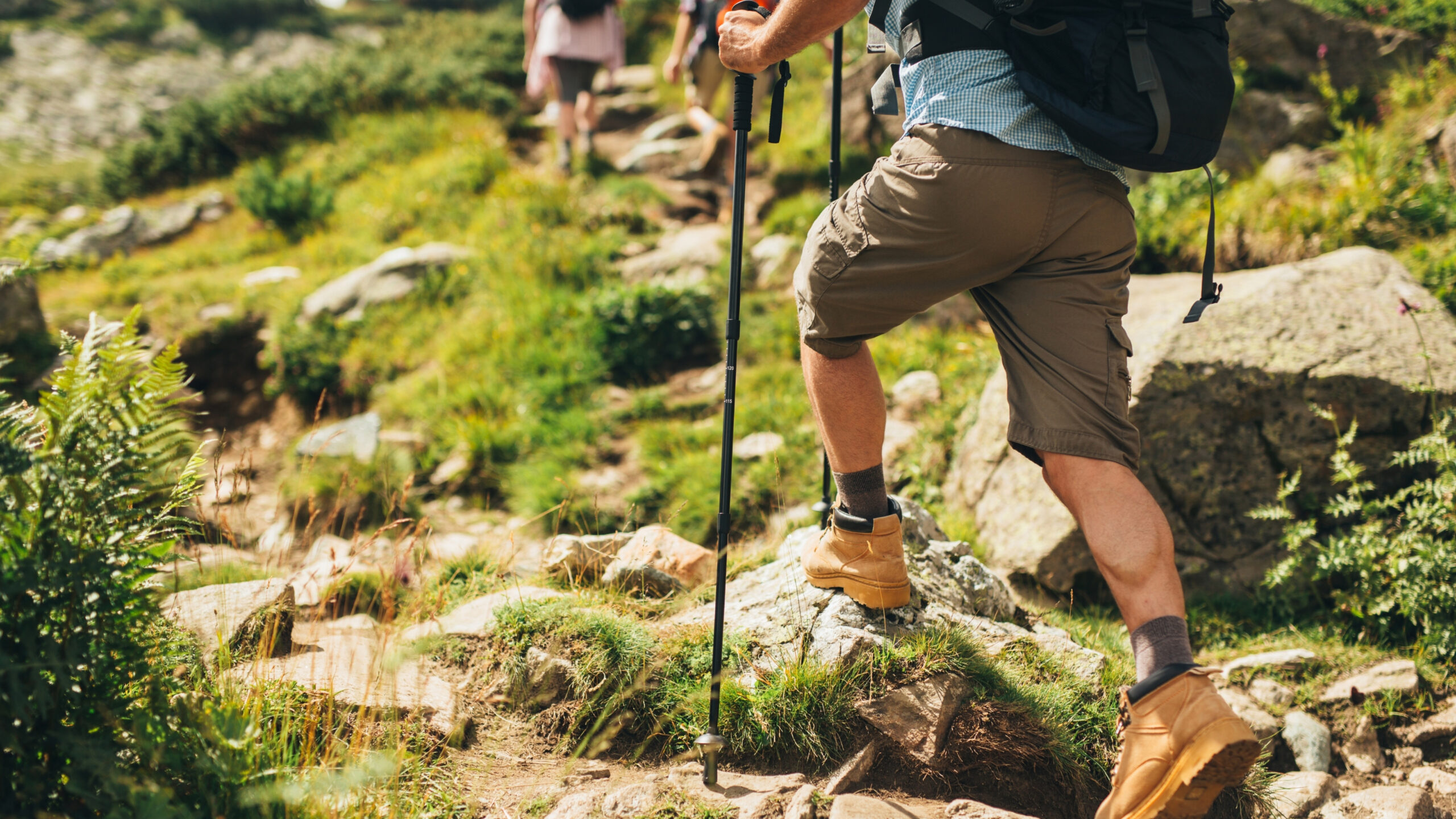
The Unexpected MVP: Trekking poles. I resisted these for months as unnecessary, then tried them on a recommendation. On descents, they reduce knee strain noticeably. On climbs, they engage your arms and distribute effort. They look dorky and work great—a solid metaphor for a lot of outdoor gear.
2026 Trends Reshaping Beginner Hiking
The hiking world is shifting in ways that affect trip planning:
Reservation Systems Spreading: Following Yosemite’s lead, more popular trails now require advance permits. The best easy beginner hikes in Patagonia, short walks, the 2026 season already has several areas testing reservation systems to manage overtourism. This is annoying but probably necessary.
Micro-Adventure Focus: Rather than epic multi-day treks, beginners are increasingly targeting shorter, high-quality experiences. The best beginner trails U, K South Downs Way, and gentle paths work perfectly for this—you can hike a beautiful 6-mile section, have a proper pub lunch, and still be home by evening.
Digital Detox Difficulty: Some remote trails (best beginner trails,s Poon Hill Nepal short trek, for example) have surprisingly good cell service due to tourist infrastructure. Others promoted as “accessible” have zero connectivity, which stresses people more than guidebooks admit.
Sustainable Tourism Pressure: Popular trails are implementing visitor management differently. Some use timed entry, others raise prices, and some simply let crowding worsen. Researching this before booking trips prevents unpleasant surprises.
When to Skip the Famous Trail
Sometimes the famous option isn’t the best, especially when you’re starting. If the weather is questionable, the beginner-friendly hikes on the USA Pacific Crest Trail, southern easy sections can wait—there’s no glory in suffering through something preventable.
The affordable, easy hiking destinations worldwide for beginners in 2026 are often not the Instagram-famous locations. Many lesser-known trails turn a simple hike into a quiet foodie adventure, delivering equivalent or better experiences without the crowds, high prices, or pressure to perform for social media.
I’ve had more memorable moments on obscure UK footpaths than on trails where I spent the whole time stressed about keeping pace with faster hikers or finding parking. Your first hiking experiences should build confidence and enjoyment, not anxiety about whether you’re “doing it right.”
Building Your Hiking Progression
Start with trials scoring 15+ on the BTVS framework. Do three or four of these to establish your baseline fitness and learn what you actually need versus what gear marketing claims you need.
Next, try a few 13-14 BTVS trails—manageable challenges that push slightly beyond comfortable. The easy-to-moderate trails of the Alps Tour du Mont Blanc short sections offer good progression options where you can sample the route’s character without committing to the full circuit.
Only after building that foundation should you consider trails scoring below 12 or attempt anything described as “challenging” or “strenuous.” This isn’t about limiting yourself—it’s about building sustainable progression that keeps you excited about hiking rather than injured or discouraged.
The beginner hiking trails in the Norwegian fjords and easy coastal paths exemplify why patience pays off in adventure travel. These trails are stunning but often involve exposure and potentially challenging conditions. Attempting them with solid experience under your belt makes them enjoyable; going too soon makes them scary or dangerous.
Resources That Actually Help
AllTrails provides user reviews that often contradict official difficulty ratings—read the recent ones carefully. Hiking Project offers detailed trail guides with seasonal condition updates. Komoot excels at route planning with accurate elevation profiles.
For European trails, Outdooractive has better coverage than US-based apps. For UK-specific routes, OS Maps combines Ordnance Survey mapping with GPS tracking that works offline.
Park and trail websites themselves remain essential for current conditions, closures, and permit requirements that apps sometimes miss. I’ve learned to check official sources 48 hours before any trip, after showing up to find a trailhead closed for maintenance.
The Real Point of Beginning Hiking
After two years and roughly 600 miles of testing beginner trails, here’s what stuck with me: the best trail isn’t the most famous one or the most technically impressive. It’s whichever trail leaves you thinkin’,g “I want to do that again.”
My favorite single day wasn’t in Patagonia or New Zealand—it was a random Tuesday on a muddy path in the Cotswolds, ds where I sat on a stone wall eating a cheese sandwich while sheep grazed nearby and absolutely nothing dramatic happened. That’s the moment I understood why people build entire lifestyles around hiking.
Your version might involve alpine lakes, coastal views, or forest solitude. The trails listed here provide solid starting points for finding that version, with realistic expectations about what you’re getting into.
Start with something genuinely easy, not something marketed as easy. Build from there. Ignore anyone who makes you feel bad about your pace or trail choice. And for the love of your feet, break in those boots before the actual hike.
Key Takeaways
- Trail difficulty ratings are inconsistent—use the BTVS framework (terrain, elevation, navigation, bailout options, infrastructure) to evaluate trails yourself rather than trusting marketing labels.
- Elevation gain matters more than distance for predicting actual difficulty; a flat 8-mile walk is completely different from a 4-mile hike with 1,500 feet of climbing.g
- Start with trails scoring 15+ on the BTVS scale to build genuine confidence and fitness before attempting more challenging rout.es
- Peak season isn’t always the best season—shoulder months offer 70% of the experience with far fewer crowds and lower cost.s
- Weather volatility is the hidden challenge on most beginner trails; proper layering and waterproof gear prove their worth faster than you expect
- Infrastructure and bailout options separate truly beginner-friendly trails from those just marketed that way—look for clear signage, regular escape routes, and accessible facilities.
- Physical preparation makes the difference between enjoying a trail and suffering through it; even 30 minutes of daily walking for two weeks before a trip dramatically improves the experience.
- Popular trails now require planning—reservation systems, parking limitations, and permit requirements are spreading to manage overtourism in 2026
FAQ Section
What makes a hiking trail truly beginner-friendly versus just marketed that way?
Genuinely beginner-friendly trails combine five key elements: stable, well-maintained terrain with minimal obstacles; gradual elevation changes rather than steep climbs; clear signage and intuitive navigation; multiple bailout points that allow you to shorten the route if needed; and accessible infrastructure, including parking, restrooms, and emergency assistance. Many trails marketed as “easy” fail on several of these criteria. Use the BTVS scoring system (evaluating terrain, elevation, navigation, bailouts, and infrastructure) to assess trails yourself rather than relying solely on official difficulty ratings.
How much elevation gain is reasonable for a first hiking experience?
For someone with average fitness and no recent hiking experience, keep elevation gain under 500 feet for your first few trails. This lets you focus on basic hiking mechanics—pacing, hydration, navigation—without cardiovascular distress. After 3-4 hikes at this level, 800-1,200 feet becomes manageable. The key is consistent, gradual elevation gain rather than steep sections, even if the total is modest. A trail with 400 feet gained over 3 miles feels completely different from 400 feet in 0.5 miles.
What’s the single most important piece of gear for beginner hikers?
Proper footwear with good tread and ankle support makes the biggest immediate difference in comfort and safety. You don’t need expensive hiking boots for maintained trails—quality trail runners or approach shoes work perfectly for everything in the 14+ BTVS category. The critical features are: grippy sole for traction on varied surfaces, enough toe room to prevent blisters on descents, and support that keeps your foot stable on uneven ground. Break them in with 3-4 shorter walks before attempting longer trails.
How do I know if I’m fit enough for a specific trail?
Test yourself with a local walk matching the trail’s distance and elevation profile. If you can complete a 4-mile walk with 600 feet of elevation gain in your area without significant discomfort, you can handle similar statistics elsewhere. The challenge increases with altitude (thin air makes everything harder above 7,000 feet), technical terrain (rocks and roots demand more energy), and environmental factors (heat, cold, or wind). Start conservatively—choosing a trail that’s too easy builds confidence; choosing one too hard builds frustration and potential injury.
Should I hike alone as a beginner or find a group?
Start with at least one companion or join organized beginner hiking groups for your first 5-10 trails. This provides built-in safety, shared problem-solving when navigation gets confusing, and natural pacing adjustments as you learn your capabilities. Once you’re confident with navigation, familiar with your gear, and comfortable with basic trail emergencies, solo hiking becomes an option on well-trafficked routes. Always tell someone your plans and expected return time. Popular trails with consistent foot traffic (like Cinque Terre or Lake District routes) are inherently safer for solo beginners than remote wilderness paths.