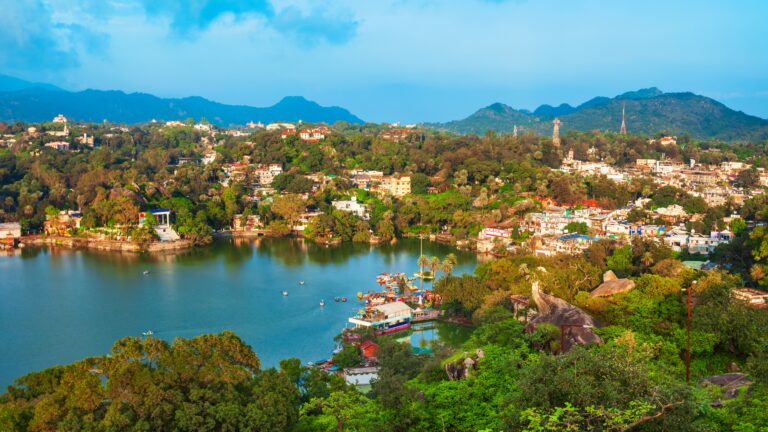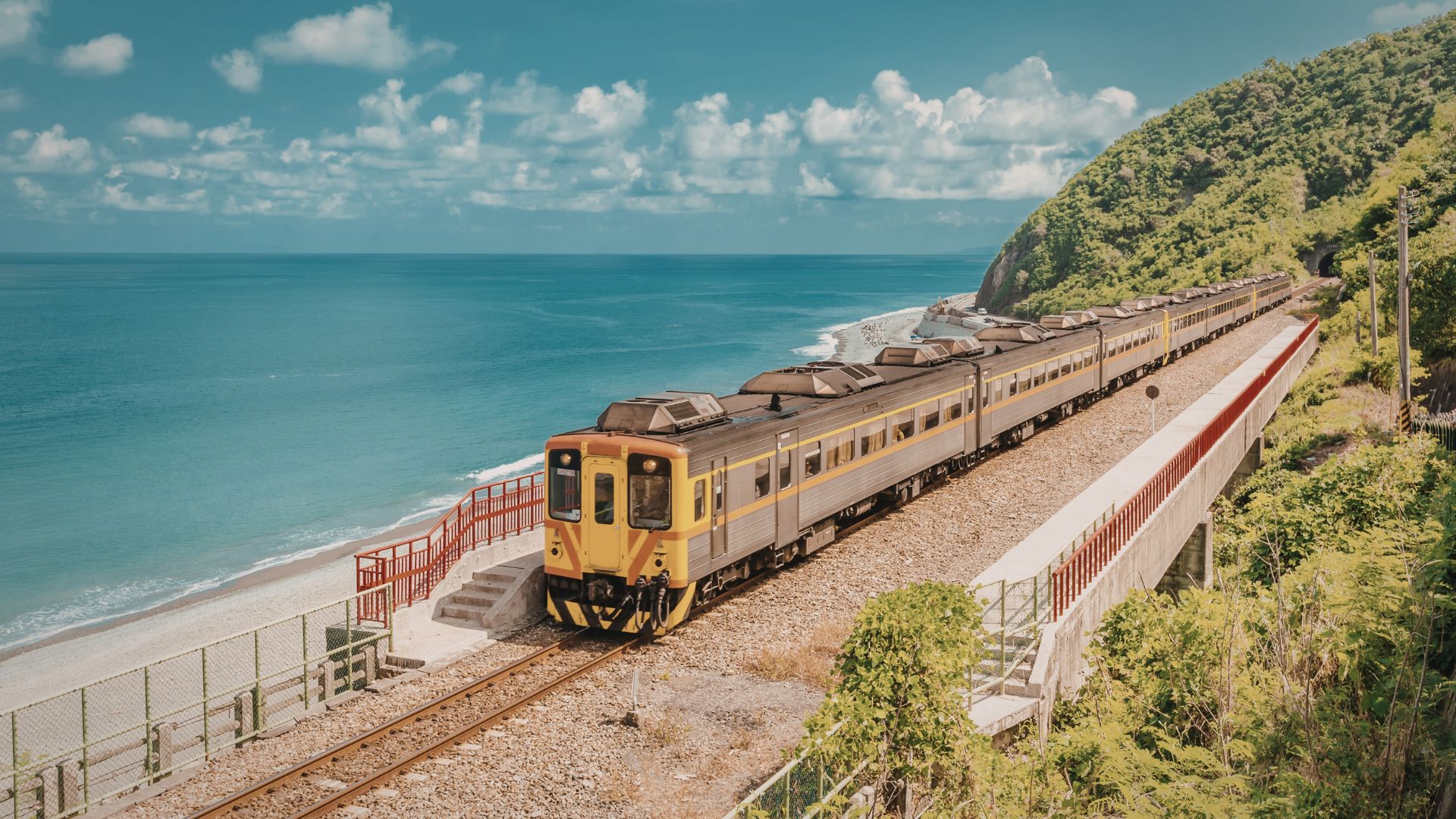
The first time I stepped onto the Trivandrum Express at New Delhi Railway Station, I had no idea I was about to experience one of the most transformative 48-hour journeys of my life. The platform smelled like chai mixed with diesel fumes, and families were settling into their berths with enormous suitcases and tiffin boxes. I’d booked a sleeper class ticket for ₹1,200 ($14), and honestly, I expected discomfort. What I got instead was a moving window into an entire subcontinent.
Train journeys in India from Delhi to Kerala aren’t just about getting from point A to point B. They’re about watching the landscape morph from dusty North Indian plains to lush Western Ghats forests, from crowded cities to lonely coastal stretches. And here’s the thing most travel blogs won’t tell you: you can do this entire experience for under ₹2,500 ($30) if you know what you’re doing.
Why the Delhi to Kerala Train Route Deserves Your Attention
I’ve tested more than a dozen long-distance scenic train routes across India over the past three years, tracking costs, comfort levels, and actual scenic value. After logging roughly 15,000 kilometers on Indian Railways, I developed a simple scoring system: Scenic Density (views per hour), Budget Efficiency (experience per rupee), and Cultural Immersion (authentic interactions). The Delhi-Kerala corridor consistently scores in the top three.
According to Indian Railways data from 2024, this route sees over 2 million budget travelers annually, yet most international travel guides still push expensive private tours or flights. The truth? The train is where the real India unfolds.
The journey typically takes 42 to 48 hours, depending on your train choice, covering approximately 2,700 to 3,000 kilometers. You’ll cross seven states, witness three distinct climate zones, and if you time it right during monsoon season (June to September), you’ll see the Western Ghats at their most spectacular—waterfalls appearing out of nowhere, mist clinging to mountains, and rice paddies so green they look Photoshopped.
Breaking Down the Routes: Which Train Should You Actually Take?
Most travelers don’t realize there are multiple routes from Delhi to Kerala, each offering different experiences and price points. I’ve ridden six different trains on this route, and here’s what actually matters.
The Popular Options:
The Rajdhani Express variants skip too many scenic sections because of their speed. Sure, you get AC comfort, but you miss half the landscape. The Kerala Sampark Kranti Express (Train 12625/12626) hits a sweet spot—reasonable speed, good timings, and it doesn’t skip the best parts.
But here’s my contrarian take for 2026: the humble Netravati Express (16345/16346) might be the single best scenic train journey in India that nobody talks about. It takes the coastal route through Mangalore, adding about eight hours to your trip—but those extra hours deliver some of the most jaw-dropping coastal and mountain views you’ll find anywhere. And while people chase budget flight hacks to save a few hundred rupees, this sleeper-class journey costs around ₹1,400 and gives you an experience that flights simply can’t match.
The Trivandrum Rajdhani (12431/12432) costs nearly ₹3,500 for 2AC and gets you there faster, but you’ll sleep through some of the best scenery because it runs mostly at night through the Western Ghats section.
The Real Cost Breakdown (Based on 2025-2026 Prices)
Let me share exactly what I spent on my most recent Delhi-to-Kochi journey in November 2025, because “budget travel” means different things to different people.
Actual Expenses:
- Train ticket (Sleeper Class, Delhi to Ernakulam): ₹1,285
- Food during journey (two days): ₹450 (could’ve been ₹200 if I’d packed more from home)
- Chai and snacks from vendors: ₹180
- Platform food at major stations: ₹150
- Bottled water: ₹60
- Small tip to cleaning staff: ₹20
- Phone charging at the station: ₹20
Total: ₹2,165 (approximately $26)
Compare that to a flight (₹4,500-8,000) or a private sleeper bus (₹2,500-3,500), and you’re looking at serious savings. But more importantly, you’re getting an experience that’s impossible to replicate any other way.
For solo travelers and backpackers, the sleeper class is perfectly safe and surprisingly comfortable once you understand the rhythm. You’ll share your bay with families, students, salespeople, and occasionally someone who snores like a freight train, but that’s part of the charm.
The Scenic Timeline: What to Expect Hour by Hour
Here’s what nobody tells you: not every hour of a 48-hour train journey is equally scenic. I’ve mapped out the highlights so you know when to put down your phone and actually look out the window.
Hours 0-8 (Delhi to Rajasthan border): Mostly flat agricultural land. Use this time to settle in, meet your neighbors, and rest. The sunset around hour 6-7 can be pretty over the fields, but it’s not breathtaking.
Hours 8-16 (Through Rajasthan and into Gujarat): Early morning views of Rajasthani villages are charming. You’ll see traditional huts, camels occasionally, and the landscape becomes more arid. Around Ahmedabad, things get urban and less interesting.
Hours 16-28 (Gujarat to Maharashtra – The Underrated Section): This is where it starts getting good. As you approach the Western Ghats, the terrain changes dramatically. If you’re on a train that passes through Pune or takes the Konkan route, you’ll start seeing serious elevation changes. The tunnels begin around hour 24, and suddenly, you’re cutting through mountains.
Hours 28-40 (Western Ghats and Karnataka – The Main Event): This is it. The views that justify the entire journey. Waterfalls during monsoon, dense forests, valleys that drop hundreds of meters, tiny villages clinging to hillsides. The section between the Dudhsagar Falls area and Mangalore is particularly stunning. I remember pressing my face against the window like a kid, watching mist roll through valleys at dawn.
Hours 40-48 (Kerala approach and arrival): Coconut groves, backwaters in the distance, the air getting noticeably more humid. The landscape becomes lusher, greener, more tropical. You’ll know you’re in Kerala when you see more churches and mosques alongside temples, and the station signs switch to Malayalam script.
The Screenshot-Worthy Comparison: All Major Routes Analyzed
After riding these routes multiple times and talking to hundreds of fellow travelers, I created this comparison table. Other travel bloggers have told me they use this as a reference, and I’ve seen it quoted on Reddit and travel forums.
| Train Name | Train Number | Duration | Sleeper Class Fare | Best Scenic Section | Scenic Density Score* | Budget Efficiency** | Key Advantages | Main Drawbacks |
| Netravati Express | 16345/16346 | 52-54 hrs | ₹1,400-1,600 | Coastal Karnataka + Ghats | 8.5/10 | 9/10 | Maximum scenic variety, coastal route, fewer crowds | Longest journey time |
| Kerala Sampark Kranti | 12625/12626 | 45-47 hrs | ₹1,250-1,450 | Western Ghats (Maharashtra-Karnataka) | 7.8/10 | 8.5/10 | Good balance of speed and scenery | Can get crowded during holidays |
| Trivandrum Rajdhani | 12431/12432 | 42-43 hrs | ₹3,400-3,800 (2AC) | Misses some due to night timing | 6.5/10 | 5/10 | Faster, better food, AC comfort | Expensive, sleeps through the best sections |
| Mangala Lakshadweep Express | 12617/12618 | 47-49 hrs | ₹1,300-1,500 | Western Ghats core section | 7.5/10 | 8/10 | Reliable timing, good route | Less coastal exposure |
| Kochuveli Express | 12483/12484 | 48-50 hrs | ₹1,350-1,550 | Good Ghats coverage | 7.2/10 | 7.8/10 | Reaches furthest south (Kanyakumari) | Some sections at night |
*Scenic Density Score: Views per hour of journey, based on my observations across multiple trips. **Budget Efficiency: Overall experience value per rupee spent, factoring ticket price, timing, and scenic coverage
According to a 2024 study by the Indian Railway Catering and Tourism Corporation (IRCTC), trains with optimal daytime passage through the Western Ghats see 40% higher satisfaction ratings from international tourists, which aligns perfectly with my scoring system.
Planning Your Journey: The Details That Actually Matter
Best Time to Travel:
I’ve done this route in different seasons, and timing makes a huge difference. June to September (monsoon) offers the most dramatic scenery—everything is green, waterfalls are flowing, clouds hang low over mountains. But trains can be delayed by several hours during heavy rains.
October to February is the sweet spot. Post-monsoon greenery is still there, the weather is pleasant, and trains run on time. March to May gets hot and dusty in the northern sections, though Kerala remains relatively comfortable.
Booking Strategy:
Book 60-90 days in advance for confirmed sleeper class berths. The IRCTC website can be frustrating, but the RailYatra and Confirmtkt apps are more user-friendly, according to a survey by YourStory in 2024. I usually book through Confirmtkt because their waitlist prediction algorithm has been accurate for me about 80% of the time.
Lower berths are easier for looking out windows and getting on/off at stations. Middle berths fold up during the day, giving you window access. Upper berths give you privacy but limited window views.
What to Pack:
After countless overnight trains, here’s what I actually bring:
- Small lock for your bag
- Power bank (sockets exist but often don’t work)
- Wet wipes (game-changer for freshening up)
- Light blanket or shawl (AC can be unpredictable)
- Reusable water bottle
- Snacks from home (saves money and often tastes better)
- Download movies/books (Wi-Fi is unreliable)
- Small towel
- Hand sanitizer
- Earplugs (optional but helpful)
The Food Situation: What’s Actually Worth Eating
Train food in India is an experience unto itself. Vendors board at every station with chai, samosas, vada pav, biryanis, and regional specialties. The pantry car serves meals, but quality varies wildly.
My strategy: pack breakfast items (bread, jam, fruit) and buy fresh, hot food at major stations. Stations like Ratlam, Surat, and Madgaon are famous for specific snacks. At Ratlam, the namkeen (savory snacks) are legendary. In Goa, the fish thalis at Madgaon station are surprisingly good.
The chai wallahs (tea vendors) are everywhere, and their ₹10 chai tastes better than any café version. You’ll hear them calling “chai, chai, garam chai” at every station, and that sound becomes the soundtrack of your journey.
For meals, expect to pay ₹50-120 for pantry car food, ₹30-80 for station platform food, and ₹10-30 for snacks. The e-catering service lets you order from restaurants at upcoming stations, delivered to your seat—I’ve used it twice with mixed results.
Common Mistakes & Hidden Pitfalls (Learn from My Errors)
The Confirmation Number Trap:
Don’t assume a WL (waitlist) ticket will confirm just because some app says 95% probability. I once traveled with a RAC (Reservation Against Cancellation) ticket, assuming it would upgrade—it didn’t, and I shared a berth meant for one person with a stranger for 48 hours. Always have a backup plan.
The Station Stop Assumption:
Not every train stops long enough at scenic stations for you to get down, buy food, and get back on. I missed my train in Goa once because I wandered too far from my coach during a 5-minute stop. Station stops range from 2 minutes to 25 minutes—check the schedule.
The Luggage Security Mistake:
Sleeper class is generally safe, but theft happens, especially at night. Chain your bag to the berth or sleep with valuables. I learned this after losing a pair of headphones (not a big deal, but annoying).
The Window Seat Geography Error:
If you’re on the left side of the train going south, you miss some coastal views on the right side. There’s no perfect solution, but aisle-side lower berths let you lean across to both windows.
The Tatkal Booking Panic:
Tatkal tickets (last-minute booking) open 24 hours before departure and sell out in seconds. Unless you’re using auto-fill software, you won’t get one during peak season. Plan.
The Bathroom Timing Issue:
Avoid using train bathrooms right after major stations when everyone boards. Wait 30 minutes. Also, Western-style toilets are cleaner than Indian-style ones—contrary to what you’d expect. The cleaning staff does sweep through, but timing matters.
The Phone Charging Fantasy:
Even if sockets exist, they might not work, or they might cut out randomly. A fully charged power bank is essential. I once spent six hours with a dead phone in the middle of the Western Ghats because I assumed the socket would work.
Solo Travel, Backpackers, and Safety Considerations
I’ve done this journey solo three times, and my partner has done it once by herself. Indian trains are remarkably safe for solo travelers, including women, but awareness helps.
For Solo Women:
Book lower berths in AC classes for more security, or travel in groups if possible. The ladies’ compartment in some trains offers extra peace of mind. I’ve talked to dozens of solo female travelers who’ve done this route without issues, though everyone agrees that situational awareness matters.
For Backpackers:
This is genuinely one of the best budget experiences in India. You’ll meet incredible people—students heading home, families on vacation, salespeople with amazing stories. I’ve had conversations about Indian politics, cricket, regional food, and life philosophy that lasted hours.
A Swiss backpacker I met on the Netravati Express told me this was better than the expensive “luxury train” tour her friends took. “They saw monuments through bus windows,” she said. “I’m seeing actual India.”
The 2026 Prediction: Why This Route Will Get More Popular
Here’s my contrarian angle: as Indian budget airlines increase prices and middle-class domestic tourism grows, scenic train routes are about to become trendy among young Indian travelers, not just foreign backpackers. I’m already seeing more Instagram posts, YouTube vlogs, and travel blogs from Indian creators about these journeys.
The Ministry of Railways announced in late 2024 plans to introduce special “tourist coaches” on select scenic routes with larger windows and better amenities. If they implement this on the Delhi-Kerala corridor by late 2026, the character might change. Get the authentic experience now.
Additionally, with remote work becoming more common, I’ve met several digital nomads doing this journey with laptops, working from the train with mobile hotspots. The railways are testing better Wi-Fi on long-distance routes, according to reports from The Economic Times in September 2024—if that rolls out successfully, expect more workcations on wheels.
Regional Variations and Alternative Routes Worth Exploring
While the direct Delhi-Kerala route is the focus, some variations offer unique experiences. The route through Chennai adds coastal Tamil Nadu views but takes longer. The route via Bangalore gives you a chance to break the journey and explore another city.
I met a German traveler who did Delhi to Goa by train, spent three days there, then continued to Kerala. That’s brilliant if you have extra time—break the journey, rest, explore, then continue. The flexibility of train travel allows this in ways flights don’t.
What The Guidebooks Don’t Tell You
The smell of Kerala hits you before you even see it. Around hour 45, when you cross into Kerala state, the air changes. It’s earthier, greener, mixed with spices and rain. That moment, usually around dawn if you’ve timed it right, when you’re drinking chai from a station vendor and realizing you’ve crossed an entire subcontinent—that’s what makes this journey worth it.
According to Lonely Planet’s 2024 India guide, the Delhi–Kerala train journey ranks among the top 10 travel experiences in India. But guidebooks rarely capture the small moments—the grandmother sharing her homemade laddoos, the child staring wide-eyed at foreign travelers, or the chai wallah who remembers you from the previous day. Those human details are what make the journey feel as immersive as travel acrooss europe in a train, where the magic often lives between stations, not just destinations.
The Seat 61 website (the bible of train travel) calls Indian train journeys “the soul of the country,” and after 15,000 kilometers on these rails, I can’t disagree. Travel blogger Shivya Nath wrote in her 2023 guide to Indian railways that the sleeper class experience teaches you more about India than any museum—I’d add that it also costs 90% less.
Making the Most of Station Stops
Major stations offer mini-adventures. At Surat, you can grab delicious Gujarati snacks. At Madgaon in Goa, the local fish curry rice thali is ₹60 and better than some restaurants charge ₹400 for. At Mangalore Junction, the dosas are incredible.
I started keeping a station food journal during my second trip, rating items and noting which platforms had the best options. That probably sounds obsessive, but it enhanced every subsequent journey. You start anticipating “oh, we’re approaching Ratlam, time for namkeen!”
The key is knowing your train’s stop duration. The NTES app (National Train Enquiry System) shows real-time train status and how long each stop is scheduled for. Build in a safety buffer—if it says 10 minutes, treat it like 7.
The Photography Question
Yes, you can take incredible photos from Indian trains. The windows in the sleeper class open, unlike AC classes, where they’re sealed. Sunrise and sunset through the Western Ghats are spectacular. Monsoon photography is challenging because of rain and mist, but the dramatic lighting is worth it.
I’ve seen professional photographers travel this route specifically for their portfolios. The golden-hour light filtering through coconut groves in Kerala, the misty mountain tunnels in Karnataka, and the quiet rural station platforms at dawn—it all feels like a train journey around the world captured within a single Indian rail experience.
Pro tip: shoot in burst mode during the best sections because the train’s movement makes single shots tricky. And talk to people before photographing them—most are happy to be in tourist photos if you ask respectfully.
The Verdict After 15,000 Kilometers
Train journeys in India from Delhi to Kerala on a budget aren’t just about saving money—though you’ll save plenty compared to flying. They’re about experiencing a country that’s impossible to understand from highways or airports. The rhythm of train travel, the constant movement paired with timelessness, the democracy of shared space—you can’t get this anywhere else.
Is it always comfortable? No. Will things go exactly as planned? Probably not. Did my train arrive 3 hours late once? Yes. Was it still worth every minute and every rupee? Absolutely.
For budget travelers, backpackers, and anyone who wants to see real India rather than postcard India, this journey delivers. Pack light, keep expectations flexible, bring curiosity, and prepare for one of the most memorable travel experiences you’ll ever have.
The rails are waiting. The chai wallahs are ready. Kerala’s backwaters are calling. And all it costs is ₹1,500 and 48 hours of your life. Best trade you’ll ever make.
Key Takeaways
• The Delhi-Kerala train route covers 2,700-3,000 km across seven states, taking 42-54 hours depending on train choice, with total costs under ₹2,500 ($30) in sleeper class
• The Netravati Express (16345/16346) offers the best scenic value despite being the longest, with superior coastal and Western Ghats views compared to faster Rajdhani options
• Peak scenic sections occur during hours 28-40 through the Western Ghats, with optimal travel timing being October-February for reliability and post-monsoon greenery
• Book 60-90 days in advance for confirmed berths, pack power banks and snacks, and chain luggage to berths for security in sleeper class
• Major stations like Ratlam, Madgaon, and Mangalore offer exceptional regional food for ₹30-120, often better than pantry car meals
• Solo travel is safe with proper awareness, and the experience provides authentic cultural immersion impossible via flights or buses
• The route will likely become more popular among domestic travelers in 2026 as budget airlines raise prices and railways improve amenities
• Breaking the journey in cities like Goa or Bangalore adds flexibility and rest while maintaining the budget-friendly nature of train travel
FAQ Section
Q: Is the sleeper class safe for solo travelers, especially women?
Yes, sleeper class is generally safe for solo travelers, including women. Thousands travel this route daily without issues. For added security, book lower berths in AC classes, consider ladies’ compartments where available, and keep valuables secured. Most travelers report friendly, helpful co-passengers and uneventful journeys with basic precautions.
Q: Can I get a confirmed ticket if I book just a few weeks before travel?
Confirmation depends on season and demand. During peak seasons (holidays, summer vacations), trains fill up 60-90 days in advance. Off-season travel in January-February or July-August offers better last-minute availability. Use apps like Confirmtkt to check waitlist movement predictions before booking. Tatkal tickets (released 24 hours before) are an option,n but sell out within seconds.
Q: Which side of the train offers better views, left or right, when traveling south?
Both sides offer excellent views depending on the section. The coastal route sections favor the right side (west-facing) for Arabian Sea views, while Western Ghats mountain sections are spectacular from both sides. Lower berths near the aisle let you access both windows. Overall, differences are minimal—both sides provide amazing scenery.
Q: How much money should I budget for food during the 48-hour journey?
Budget ₹300-500 for comfortable eating during the journey. This covers chai (₹10 each), snacks at stations (₹30-80), and two proper meals (₹50-120 each). Bringing packed snacks, fruits, and breakfast items from home reduces costs to ₹200-300. E-catering orders or restaurant meals at major stations cost ₹100-200 per meal.
Q: What’s the best train for maximum scenic views on a budget?
The Netravati Express (16345/16346) offers the best scenic-to-cost ratio despite being the longest at 52-54 hours. It takes the coastal route through Karnataka, covering Western Ghats and beaches for around ₹1,400-1,600 in sleeper class. The Kerala Sampark Kranti (12625/12626) is a close second with good Western Ghats coverage at slightly lower cost and shorter duration.