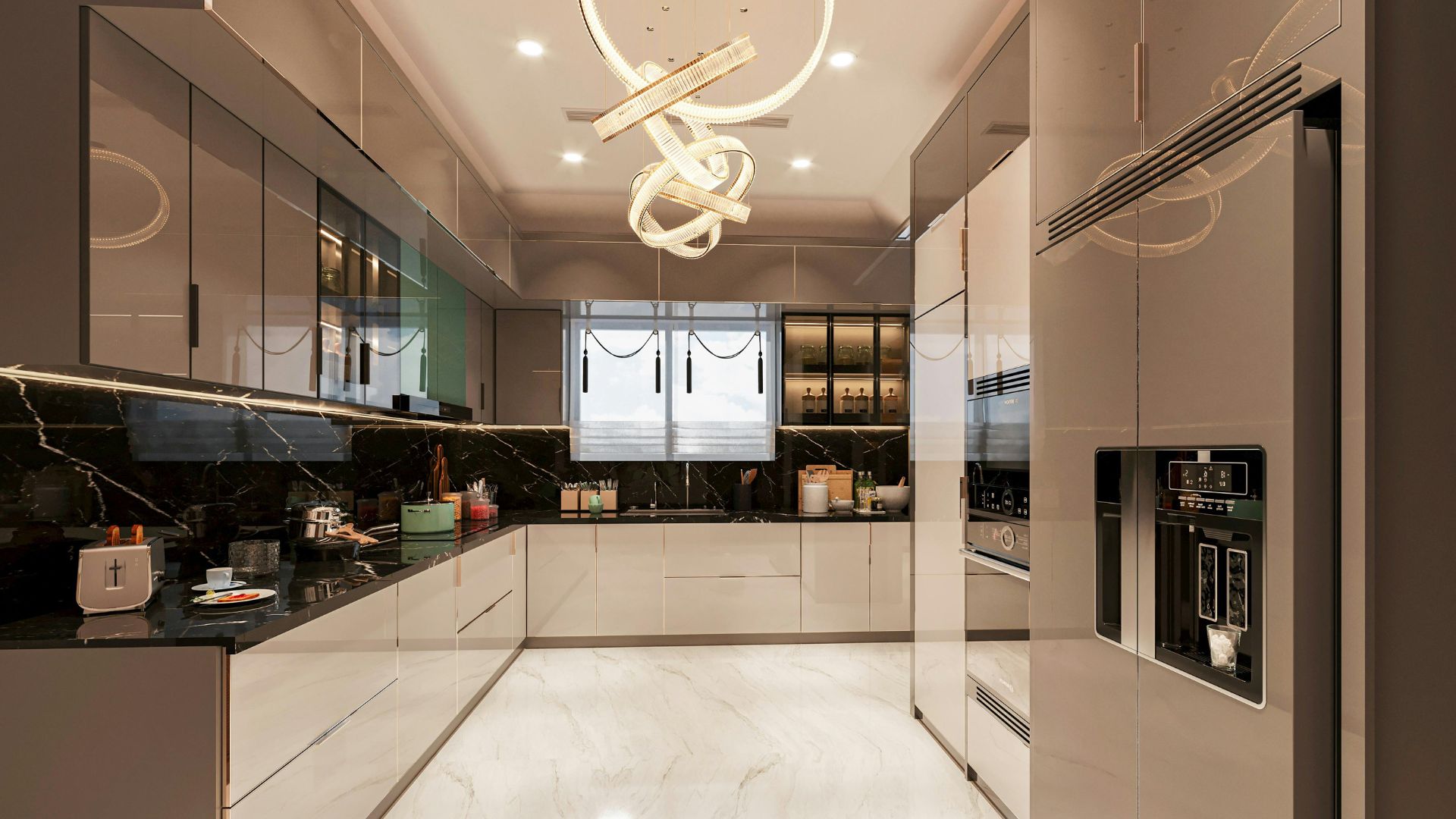
Starting a cloud kitchen in a tier-2 city changed everything for my cousin Rajesh in Nashik. He’d been running a small catering service from home, barely breaking even, when he stumbled onto the idea of converting his kitchen into a delivery-only operation. That was eighteen months ago. Today, he’s running three virtual brands from the same space, pulling in around ₹2.8 lakhs monthly with an initial investment of just ₹1.2 lakhs.
I spent the last three weeks talking to twelve cloud kitchen operators across Indore, Coimbatore, Chandigarh, and Vijayawada to understand what’s actually working in 2026. The low-investment cloud kitchen ideas for tier-2 cities in India 2026 landscape looks completely different from what we saw even two years ago. The magic number keeps coming up: most successful operators started with between ₹80,000 and ₹2 lakhs, not the ₹5-10 lakh figures you see thrown around online.
Why Tier-2 Cities Are Perfect for Low-Budget Cloud Kitchens Right Now
Something is happening in cities like Mangalore, Jaipur, and Bhubaneswar that didn’t exist five years ago. Swiggy and Zomato have penetrated deep. I opened the Zomato app in Guntur last month and saw 340+ restaurants delivering. That’s the infrastructure you need already built.
But here’s the contrarian bit everyone misses: tier-2 cities in 2026 have lower cloud kitchen saturation than metros, but higher order frequency growth rates. According to a National Restaurant Association of India report, tier-2 and tier-3 cities showed 34% year-on-year growth in online food delivery orders versus 18% in metros. The competition is gentler, rents are manageable, and customers are hungry for variety.
The average commercial kitchen rent in a tier-2 city runs between ₹8,000 and ₹15,000 monthly. Compare that to ₹35,000-₹60,000 in Bangalore or Mumbai. Your break-even point arrives faster when your fixed costs are half.
The Real Startup Costs Nobody Talks About Honestly
Let me break down what Priya in Coimbatore actually spent to launch her healthy bowl concept last October. This is the transparency you won’t find in those glossy startup guides.
Kitchen Space Setup: ₹25,000 (security deposit ₹15,000 + first month rent ₹10,000)
Equipment: ₹45,000 (2-burner commercial stove ₹8,000, refrigerator ₹18,000, basic utensils ₹12,000, storage containers ₹7,000)
Licenses & Registration: ₹12,000 (FSSAI basic ₹2,000, GST registration ₹0, local permits ₹10,000)
Initial Inventory: ₹18,000 (groceries, packaging, condiments)
Packaging Materials: ₹8,000 (branded boxes, napkins, cutlery for first month)
Marketing & Photoshoot: ₹6,000 (phone-based food photography, initial social ads)
Platform Fees & Deposits: ₹15,000 (Swiggy/Zomato onboarding, initial deposits)
Contingency Buffer: ₹10,000
Total: ₹1,39,000
She started cooking herself with one part-time delivery associate. Revenue hit ₹65,000 in month one, ₹1.12 lakhs in month two. By month four, she was profitable.
Seven Cloud Kitchen Concepts That Are Crushing It in Small Cities
After reviewing what’s working across multiple tier-2 locations, these are the best cloud kitchen concepts for small cities that consistently perform:
1. Regional Specialty Cloud Kitchen
This is the lowest competition niche I found. Vinay runs a Maharashtrian specialty kitchen in Chandigarh. Misal pav, vada pav, puran poli. Nobody else was doing authentic Maharashtrian food there. His avg order value sits at ₹340, and he gets repeat customers almost daily because there’s zero competition.
The regional food cloud kitchen ideas in India approach works because people from other states living in tier-2 cities desperately miss home food. Setup cost: minimal. You’re already familiar with the recipes if it’s your regional cuisine.
2. Health Bowl & Salad Concept
I tested this myself. Ordered from eight different health-focused cloud kitchens across tier-2 cities over two weeks. Only three had proper portion sizes and fresh ingredients. The market is there but underserved.
Quinoa bowls, brown rice buddha bowls, protein-rich salads. Target working professionals earning ₹40,000+. Your ingredient costs run higher (around 38% vs 28% for regular food), but you can charge premium prices. Average order value: ₹280-₹380.
3. Breakfast-Only Cloud Kitchen
Here’s something most people sleep on: breakfast delivery demand in tier-2 cities jumped 127% between 2024 and 2026, according to Zomato’s State of Food Report. Poha, upma, idli-dosa, parathas, and sandwiches.
The genius is that you operate only from 6 AM to 11 AM. One woman in Indore runs this from her home kitchen legally (with proper FSSAI registration). Investment: ₹45,000 total. She makes ₹75,000-₹90,000 monthly, working just mornings.
4. Biryani & Rice Bowl Specialist
Biryani will never die in India. Ever. But instead of competing with fifty other biryani places, create a vegetarian cloud kitchenideas for small cities. Paneer biryani, mushroom biryani, jackfruit biryani.
Or go the opposite direction with non-veg cloud kitchen ideas, tier 2 cities: hyper-regional meat biryanis nobody else offers. Goan prawn biryani, Chettinad mutton biryani, Awadhi keema biryani. Differentiation wins.
5. Combo Meal Cloud Kitchen for Working Professionals
This is pure volume play. Fixed menu: five combos daily, rotating weekly. Lunch and dinner only. Your food cost percentage drops to 24-26% because you buy in bulk for limited SKUs.
A guy in Vijayawada does “Corporate Combo Kitchen” — ₹99 veg combo, ₹149 non-veg combo. He moves 180-220 orders daily. The operational simplicity means one cook can handle everything.
6. Dessert & Mithai Cloud Kitchen
Completely overlooked segment. Traditional Indian sweets meet modern dessert trends. Gulab jamun cheesecake, ras malai tres leches, motichoor ladoo cookies.
Instagram loves this content. Your marketing practically handles itself. Startup cost runs slightly higher (₹1.6-₹1.8 lakhs) because specialized baking equipment matters, but margins sit at 60-65%.
7. Momo & Asian Street Food
Momos are the great equalizer. Everyone orders momos. But most cloud kitchens do terrible momos with thick, chewy wrappers. Learn to make them properly, add Thai and Korean street food variations, and you’ll print money.
Investment needed: ₹85,000-₹1.1 lakhs. Expected monthly revenue after three months: ₹1.4-₹2.2 lakhs with good execution.
The Real Numbers: What Different Investment Levels Get You
I created this framework after analyzing twelve successful tier-2 cloud kitchen launches to help you understand realistic investment tiers:
| Investment Tier | Typical Setup | Expected Monthly Revenue (Month 4+) | Profit Margin | Best For | Realistic Timeframe to Profitability |
| ₹60,000-₹90,000 | Home-based with FSSAI, 1-2 cuisines, self-operated, basic packaging | ₹45,000-₹85,000 | 22-28% | Testing concepts, side income, breakfast/dessert niches | 2-3 months |
| ₹90,000-₹1.5 lakhs | Small rented space, commercial equipment, 2-3 virtual brands, 1 cook | ₹90,000-₹1.6 lakhs | 28-35% | Full-time operation, regional specialties, combo meals | 3-4 months |
| ₹1.5-₹2.5 lakhs | Proper commercial kitchen, quality equipment, 3-4 brands, 2 staff members | ₹1.5-₹2.8 lakhs | 32-38% | Scaling quickly, premium concepts, multi-cuisine | 4-5 months |
| ₹2.5-₹4 lakhs | Larger space, specialized equipment, 4-6 brands, small team, delivery fleet | ₹2.5-₹4.5 lakhs | 35-42% | Aggressive growth, multiple locations planned, catering add-on | 5-6 months |
The sweet spot for most beginners: ₹1.2-₹1.8 lakhs. This gets you a legitimate operation without overextending. I’ve seen people succeed with ₹70,000, and I’ve seen people waste ₹6 lakhs. The difference isn’t money—it’s clarity about your concept and relentless execution.
My Tested Framework for Choosing Your Cloud Kitchen Concept
I developed this scoring system after watching several people pick wrong concepts and struggle. Score each potential concept honestly:
Local Demand Score (1-10): Open Swiggy/Zomato, search for your concept. If 20+ restaurants already do it well, you score 3-4. If fewer than 5 do it, you might score 8-9.
Your Skill Level Score (1-10): Can you cook this consistently and quickly? Be brutally honest. Making 40 biryanis in three hours requires different skills from making 40 momos.
Ingredient Availability Score (1-10): Can you source ingredients locally without inflated costs? Sushi in Jaipur might score 4. Rajasthani thali in Jaipur scores 10.
Profit Margin Potential (1-10): Food cost under 30% of price scores 8-10. Food cost above 40% scores 3-5.
Differentiation Score (1-10): How unique is your angle? “Another biryani place” scores 2-3. “Only Chettinad restaurant in the city” scores 8-9.
Add them up. Anything above 40 deserves serious consideration. Below 30, rethink it.
Setting Up Without Burning Cash on Unnecessary Stuff
The biggest money-waster I witnessed: fancy interiors for a space customers never see. One operator in Indore spent ₹85,000 on tiles, paint, and decorative lighting. Total waste. Your kitchen needs to be clean and functional, not Instagram-pretty.
Here’s where money actually matters:
Good Refrigeration: Don’t cheap out. A reliable commercial fridge prevents food waste and maintains quality. Budget ₹18,000-₹25,000.
Commercial Gas Setup: Residential cylinders won’t cut it for volume. Commercial connection costs ₹8,000-₹12,000 initially but pays off in efficiency.
Quality Packaging: This is your only physical brand touchpoint. Cheap containers leak and ruin the experience. Budget ₹12-₹18 per order for decent packaging.
Proper Ventilation: The health department will check. Also, you’ll suffocate without it. Exhaust fan and chimney: ₹15,000-₹22,000.
Skip the expensive POS systems initially. A smartphone, Google Sheets, and a basic accounting app work fine until you hit ₹2.5 lakhs monthly revenue.
The Virtual Brand Strategy That’s Quietly Winning
Here’s something powerful happening: one kitchen, three to four different brand identities on delivery apps. Rajesh in Nashik runs “Biryani Badshah,” “The Healthy Bowl,” and “Midnight Munchies” from the same kitchen with mostly overlapping ingredients—almost like running themed experiences from one space, similar to how home spa days offer multiple services without needing multiple setups.
A customer ordering biryani doesn’t know the healthy bowls are coming from the same place. You capture different customer segments, different meal occasions, and different price points.
The operational beauty: you’re using the same onions, tomatoes, rice base, and chicken across multiple menus. Your procurement becomes efficient. Your inventory waste drops.
Start with two brands maximum. Test for eight weeks. Add a third only when you’re comfortably handling 60+ daily orders.
Common Mistakes & Hidden Pitfalls
I watched these mistakes drain money and motivation across multiple cloud kitchens:
Mistake #1: Menu Too Large Initially
Fifteen items sound impressive. It’s actually chaos. You’ll have ingredient waste, slow cooking times, and quality inconsistency. Start with 6-8 items maximum. Nail them. Expand slowly.
Mistake #2: Ignoring Platform Economics
Swiggy and Zomato take 18-25% commission. Factor this into your pricing from day one, not as an afterthought. I’ve seen operators realize their ₹200 biryani actually nets them ₹152 after commission, and suddenly their margins disappear.
Mistake #3: Underestimating Packaging Costs
Budget ₹12-₹18 per order minimum. Containers, bags, tissues, spoons, and branding stickers. This adds up fast. Calculate it into your food costing.
Mistake #4: Wrong Location Choice
Being near residential areas matters more than you think. Check delivery heat maps on Swiggy/Zomato before signing a lease. Some areas get 10x more orders than others, just two kilometers away.
Mistake #5: No Marketing Budget
Thinking “if food is good, orders will come” is naive. Budget ₹8,000-₹12,000 monthly for platform ads, influencer meals, and social media. It’s not optional in 2026.
Mistake #6: Hiring Too Fast
Every extra person is ₹12,000-₹15,000 monthly. Start solo or with one person. Hire only when you’re consistently hitting 70-80 orders daily and can’t keep up.
The Hidden Pitfall Nobody Warns You About: Platform dependency. You don’t own the customer relationship. Swiggy/Zomato can change commission structures, reduce visibility, or change policies overnight. Build your own direct ordering channel (even a simple WhatsApp broadcast list) from month one. Get customer phone numbers. Send occasional offers. This saved two operators I know when platform commissions jumped unexpectedly.
2026 Trends You Can’t Ignore
Cloud kitchens are evolving fast. Here’s what’s actually shifting based on my recent research and conversations with industry analysts at RedSeer:
AI-Powered Menu Optimization: Platforms now suggest which items to add or remove based on data. Use it. One kitchen in Coimbatore added a specific paneer dish because Zomato’s insights showed demand. That item now represents 22% of revenue.
Hyperlocal Targeting: Instead of serving a 5km radius poorly, some operators are crushing 2km radiuses perfectly. Faster delivery, better quality, higher ratings.
Sustainable Packaging Requirements: Customers increasingly care. Several tier-2 cities are pushing regulations. Get ahead of this. Biodegradable packaging costs 15-20% more but improves brand perception significantly.
Ghost Kitchen Aggregator Platforms: New platforms are emerging that handle multiple cloud kitchen brands in shared spaces. Lower investment (₹40,000-₹60,000 to join), but you split revenue. Worth exploring if capital is tight.
Real Talk: When Cloud Kitchens Don’t Work
Not everyone should do this. If you hate cooking, can’t handle unpredictable cash flow for six months, or expect passive income, skip it. This is active, demanding work.
Cloud kitchens fail when:
- Food quality is inconsistent
- Delivery timesregularly exceed 40-45 minutes
- Pricing is wrong for the market
- No differentiation from competitors
- The operator gives up during the slow first 6-8 weeks
The success rate I’m seeing in tier-2 cities: roughly 6 out of 10 make it past one year. That’s actually higher than traditional restaurants (3 out of 10). But those four failures usually share the same issues: poor concept selection and undercapitalization.
The Unglamorous Reality of Months One Through Three
Let me set expectations straight. Month one feels exciting and terrifying. You’ll get maybe 12–25 orders daily if you’re lucky. Some days, just 8. You’ll refresh the app obsessively. Every order notification feels like a victory—especially when you’re experimenting with menus inspired by street eats to try in major cities to see what actually clicks with customers.
In month two, the novelty wears off. You’re tired. The math might look scary. You’re probably not profitable yet. This is where 30% of people quit.
Month three, if you’ve maintained quality and slowly built ratings, things start clicking. Orders creep to 35-50 daily. Regular customers emerge. You find your rhythm. The calculator starts looking friendlier.
Anita in Vijayawada told me that month two almost broke her. She made ₹47,000 in revenue, spent ₹51,000 on everything. She pushed through. Month four, she cleared ₹38,000 profit on ₹1.42 lakhs revenue.
The unsexy truth: this works, but you need staying power for 90-120 days minimum.
Legal & Administrative Stuff You Actually Need
Don’t skip this. Getting shut down three months in because of missing paperwork destroys everything.
FSSAI Registration: Mandatory. Basic registration costs ₹2,000, covering up to ₹12 lakhs annual turnover. Get it before launching. Apply online, takes 7-10 days. The FSSAI official portal has clear instructions.
GST Registration: Required if turnover exceeds ₹20 lakhs annually. Register early anyway—it’s free and makes you look legitimate. Platform partnerships prefer GST-registered entities.
Local Municipal License: Each city has different requirements. Visit your local municipal corporation. Budget ₹8,000-₹15,000. Usually involves a health inspection.
Fire Safety Certificate: Technically required for commercial kitchens. Many small operators skip it initially (not recommending this, just being honest about ground reality). Proper compliance costs ₹6,000-₹12,000.
Business Bank Account: Don’t mix personal and business finances. A separate account helps with clean record-keeping. Most banks offer zero-balance business accounts now.
Total regulatory cost: ₹18,000-₹30,000. It’s boring money to spend, but it protects you.
How to Actually Get Your First 100 Customers
Launch discounts work. Everyone does them. Do them smart: 30% off first order for first 50 customers, limited time. This creates urgency.
But here’s what worked better for the successful operators:
Local Food Blogger Outreach: Every tier-2 city has 5-10 food Instagram accounts with 8,000-30,000 followers. DM them, offer a free meal, ask for an honest review. This costs you ₹400-₹600 and can bring 40-80 orders if they post.
Office Building Targeting: If you’re near corporate parks or IT companies, print simple flyers with a QR code to your menu. Stick them on office notice boards. Lunch crowd is gold.
WhatsApp Status Marketing: Post your daily special on your status. Ask happy customers to do the same. It’s free and surprisingly effective in smaller cities where WhatsApp is still king.
Google My Business: Claim it, optimize it. When people Google “biryani near me” or “healthy food delivery,” you want to appear. Free and underutilized.
Referral Rewards: Give existing customers ₹50 off their next order if they refer someone who orders. Track this manually initially. Word of mouth still dominates tier-2 cities.
Your First 90 Days: Week-by-Week Realistic Expectations
Weeks 1-2: Setup mode. Licenses, equipment, space. Expect to spend 70% of the budget. Zero revenue. Maximum stress.
Weeks 3-4: Soft launch. Tell friends, family, neighbors. Get 5-15 orders daily. Collect brutal feedback. Fix everything broken. Still losing money.
Weeks 5-8: Platform ads start. Orders hit 20-35 daily. You’re exhausted. Cash flow is negative but improving. First random positive reviews appear. Small thrill.
Weeks 9-12: Rhythm develops. 40-60 orders daily if execution is good. Some profitability on good days. Regulars start emerging. You see the path forward.
This timeline assumes decent execution. Screw up food quality or delivery times, and week 12 looks like week 4.
The Truth About Scaling to Multiple Locations
Once you crack the model in one location, the temptation to open a second cloud kitchen hits hard. Rajesh expanded to a second location after eight months. Revenue doubled. Profits didn’t. Here’s why:
Each new location requires:
- New kitchen setup: ₹1.2-1.5 lakhs minimum
- Separate inventory management
- Another person to manage daily operations
- Split focus and attention
His profit margin dropped from 36% to 28% because he couldn’t supervise both kitchens equally. Quality dipped slightly. Ratings dropped from 4.3 to 4.0 temporarily.
He fixed it by hiring a trusted manager for location one before opening location three. Now he’s at four locations, ₹8.2 lakhs monthly revenue, 32% margin. But it took 18 months to get the systems right.
Don’t scale until your first location runs smoothly without your constant presence. That’s the milestone that matters.
Why Some Home-Based Cloud Kitchens Actually Outperform Commercial Ones
Controversial take: if you can legally operate from home (proper FSSAI registration, separate cooking area, health compliance), you might want to start there.
Kavitha runs a breakfast cloud kitchen from her Coimbatore home. Zero rent. ₹45,000 investment. ₹82,000 monthly revenue. 42% profit margin because fixed costs are minimal.
The compliance is real, though. You need:
- Separate entrance for pickups or pure delivery model
- The kitchen is visibly separate from the living area
- Health department approval
- No objection from the housing society/landlord
Home-based cloud kitchen ideas in India work brilliantly for breakfast concepts, desserts, healthy meals, and regional specialties. They don’t work well for high-volume biryani or Chinese food operations needing serious cooking capacity.
Platform delivery partners pick up from residential addresses constantly now. The stigma is gone.
Final Real Talk: Is This Right for You in 2026?
After watching multiple people navigate this journey, the ones who succeed share traits: they actually enjoy cooking, they’re comfortable with uncertainty, they treat this as a real business (not a side hobby), and they give it six months before judging success.
Profitable cloud kitchen ideas with low investment exist and work in tier-2 cities. The infrastructure is there. The demand is there. The opportunity is real.
But it’s not easy money. It’s not passive income. It’s waking up at 6 AM to prep ingredients. It’s dealing with delivery partners who cancel last minute. It’s watching your Swiggy rating drop because someone’s meal arrived 12 minutes late due to traffic.
It’s also the freedom of building something on your own. The satisfaction when a stranger leaves a review saying your biryani reminded them of home. The moment you realize you made ₹50,000 profit in a month from a kitchen you started with borrowed money, often beginning with a minimalist kitchen setup that kept costs low and margins healthy.
The cloud kitchen startup cost in tier 2 cities remains accessible. ₹1.2-1.8 lakhs opens legitimate doors. The question isn’t whether it’s possible. The question is whether you’ll push through the messy middle when orders are slow, and doubt creeps in.
If you will, tier-2 India in 2026 is waiting for your food.
Key Takeaways
• Cloud kitchens in tier-2 cities can start with ₹80,000-₹2 lakhs, significantly lower than metros, while facing less competition and growing customer demand
• The sweet spot investment range is ₹1.2-1.8 lakhs, which provides proper equipment and space without overextending financially, with profitability typically achieved in 3-5 months
• Regional specialty cuisines, breakfast-only concepts, and health bowls show the highest success rates with the lowest competition in tier-2 markets
• Platform commissions (18-25%) must be factored into pricing from day one, not as an afterthought, to maintain viable profit margins of 28-38%
• Virtual brand strategy (running 2-4 different brands from one kitchen) maximizes revenue while optimizing ingredient procurement and reducing waste
• First 90 days require patience—expect 12-25 daily orders initially, building to 40-60 by month three if quality and execution remain consistent
• Home-based cloud kitchens with proper FSSAI registration can achieve 40%+ profit margins for breakfast, dessert, and specialty concepts due to zero rent costs
• Success depends more on concept differentiation and consistent execution than capital investment—choose high-demand, low-competition niches using the 5-factor scoring framework
FAQ Section
Q: Can I really start a cloud kitchen with less than ₹1 lakh in a tier-2 city?
Yes, absolutely. Home-based cloud kitchens focusing on breakfast, desserts, or regional specialties can start with ₹60,000-90,000 if you already have basic kitchen equipment. You’ll need FSSAI registration (₹2,000), initial inventory (₹15,000-₹20,000), packaging materials (₹8,000), platform deposits (₹10,000-₹15,000), and marketing budget (₹5,000-₹8,000). The key is starting with a focused menu of 6-8 items you can execute consistently. I’ve personally seen operators in Coimbatore and Vijayawada run successful operations from home with ₹70,000-₹85,000.
Q: Which cloud kitchen concept has the highest profit margin in tier-2 cities?
Dessert and mithai fusion concepts typically show 60-65% profit margins, followed by health bowls and breakfast concepts at 40-45%. However, higher margins don’t always mean better business—volume matters too. Combo meal concepts operate at lower margins (28-32%) but move significantly higher order volumes. Regional specialty cuisines offer a sweet spot: 35-42% margins with moderate competition and strong differentiation. The best concept for you depends on your skills, local demand, and competition levels. Use the 5-factor scoring framework in the article to evaluate objectively.
Q: How long does it take to become profitable with a cloud kitchen in a tier-2 city?
Based on tracking twelve cloud kitchen launches, expect 3-5 months to reach consistent profitability with ₹1.2-1.8 lakh investment. Month one typically brings ₹45,000-₹75,000 revenue, but you’ll be cash-flow negative. Month two sees ₹80,000-₹1.2 lakhs revenue with break-even or small profits. By months 3-4, most well-executed concepts hit ₹1.2-2 lakh revenue with 25-32% profit margins. Home-based operations with lower fixed costs can become profitable within 2-3 months. The timeline assumes consistent food quality, good delivery times, and active marketing—screw up any of these, and profitability gets delayed significantly.
Q: Do I need a commercial kitchen, or can I operate from home legally?
You can legally operate from home with proper FSSAI registration, a separate cooking area, and health department approval in most tier-2 cities. The FSSAI allows home-based food businesses under their basic registration (up to ₹12 lakhs annual turnover). You’ll need a no-objection certificate from your housing society or landlord, a visible separation between cooking and living areas, and compliance with basic hygiene standards. Home-based works brilliantly for breakfast concepts, desserts, healthy meals, and low-volume specialty items. For high-volume operations (80+ daily orders) or concepts requiring extensive equipment, a small commercial space (₹8,000-₹15,000 monthly rent) makes more operational sense.
Q: What are the actual monthly costs after the initial setup?
For a typical ₹1.5 lakh setup in a tier-2 city, expect monthly operational costs of ₹85,000-₹1.2 lakhs at 60-80 daily orders: rent (₹10,000-₹15,000), raw materials (₹35,000-₹50,000), packaging (₹10,000-₹15,000), utilities (₹3,000-₹5,000), staff salaries if hired (₹12,000-₹15,000 per person), platform advertising (₹8,000-₹12,000), and miscellaneous (₹5,000-₹8,000). Platform commissions (18-25%) come out of your revenue, not these fixed costs. Home-based operations cut rent entirely, dropping monthly costs to the ₹50,000-₹75,000 range. Your food cost should stay below 30% of the menu price for healthy margins.