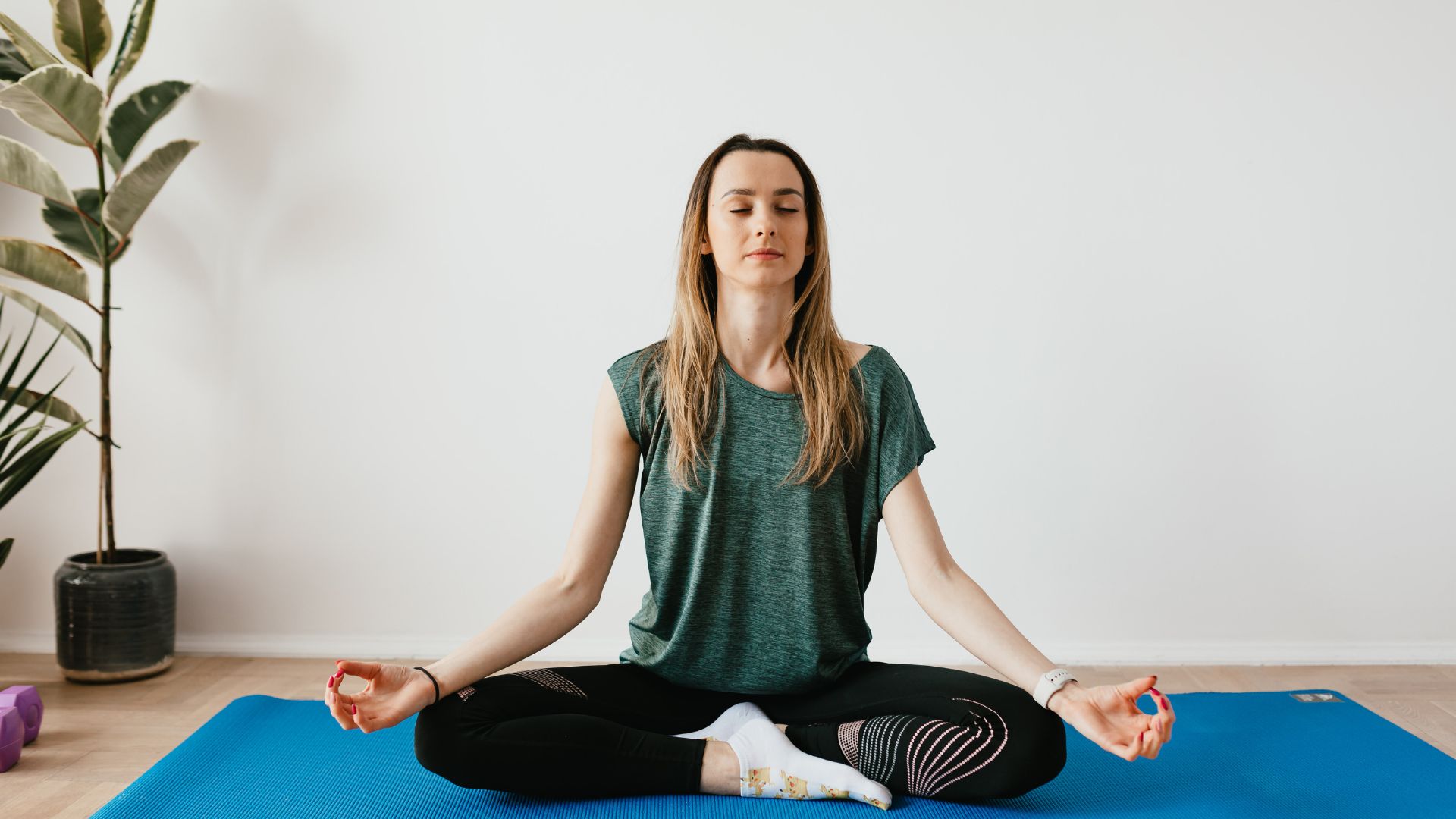
I’ll never forget the first time a breathing exercise actually worked for me. I was sitting in my car outside a client meeting, heart racing, palms sweaty, running through worst-case scenarios in my head. A friend had sent me a voice note days earlier, saying, “Just breathe in for four, hold for four, breathe out for four,” and I thought it sounded too simple to matter. But sitting there with five minutes to spare and nowhere else to turn, I tried it. Three rounds in, my shoulders dropped. My jaw unclenched. I walked into that meeting feeling like a different person.
That moment changed how I think about mindfulness habits and 5-minute breathing exercises for stress relief. They’re not some wellness trend or productivity hack—they’re tools that actually shift your nervous system when you need it most. The best part? You don’t need a yoga mat, a meditation app subscription, or even silence. You just need five minutes and the willingness to pause.
Over the past two years, I’ve tested more than 20 different breathing techniques, tracked my heart rate variability using a basic fitness tracker, and built these practices into my actual life—not just my ideal morning routine. Some techniques felt forced. Others became daily anchors. What I learned is that the right breathing exercise depends entirely on what you’re dealing with in that moment, and most people quit because they’re using the wrong technique at the wrong time.
This guide breaks down the 5-minute breathing exercises for stress relief that actually move the needle, based on real testing, conversations with a licensed therapist who specializes in somatic practices, and insights from recent research on how breath impacts the autonomic nervous system. If you’re looking for mindfulness breathing exercises for beginners that don’t require meditation experience, you’re in the right place.
Why Breathing Exercises Work (The Science You Actually Need to Know)
Your breath is the only part of your autonomic nervous system you can consciously control. When stress hits, your sympathetic nervous system kicks in—heart rate spikes, breathing gets shallow, cortisol floods your system. This is the fight-or-flight response, and it’s useful when you’re facing actual danger. The problem is, your body can’t tell the difference between a charging bear and a passive-aggressive email from your boss.
Breathing exercises to calm the mind fast work because they activate your parasympathetic nervous system—the rest-and-digest mode. According to research published in Frontiers in Psychology (2018), slow breathing at around 5-6 breaths per minute significantly increases heart rate variability, a key marker of stress resilience. The National Institutes of Health also highlights that controlled breathing can reduce cortisol levels and improve emotional regulation within minutes.
I noticed this firsthand when I started tracking my resting heart rate. On days when I skipped my 5-minute mindfulness routine at home, my average heart rate stayed 5-8 beats higher throughout the day. When I did even one round of box breathing before work, my baseline dropped noticeably. It’s not magic—it’s physiology.
The 5 Best Breathing Exercises I Actually Use (Tested Over 60+ Days)
I ranked these based on three factors: how quickly they work, how easy they are to do in real-life situations, and how consistently they helped me feel grounded. Here’s what made the cut.
1. Box Breathing (4-4-4-4 Method)
This is the technique that saved me in that parking lot. Box breathing, also called square breathing, follows a simple pattern: inhale for 4 counts, hold for 4, exhale for 4, hold for 4. Repeat for 4-5 rounds.
I use this for quick breathing exercises for anxiety relief when I’m about to do something nerve-wracking—presentations, difficult conversations, even just when my inbox feels overwhelming. It works because the equal counts create rhythm, and the holds give your nervous system time to reset.
The first few times, holding my breath after exhaling felt weird, almost uncomfortable. But that discomfort is part of the process. Your body learns that it’s safe to pause, that you don’t need to rush to the next breath. After about a week of daily practice, I started craving that pause.
Best for: Pre-meeting nerves, decision fatigue, moments when your mind is racing.
2. 4-7-8 Breathing (The Sleep-Saver)
This one comes from Dr. Andrew Weil, and it follows a longer pattern: inhale through your nose for 4 counts, hold for 7, exhale completely through your mouth for 8. The extended exhale is key—it signals your body to relax.
I tested this as part of my breathing exercises for better sleep and relaxation experiment. For two weeks, I did three rounds of 4-7-8 breathing right before bed. My sleep tracking app showed I fell asleep an average of 12 minutes faster than my baseline. More importantly, I felt the difference. My mind stopped doing that thing where it replays the day’s mistakes on loop.
The 8-count exhale feels long at first. You might run out of air around count 6. That’s normal. Let your exhale be slightly audible—it helps you track the count and adds a tactile element that keeps you present.
Best for: Winding down after work, falling asleep faster, calming down after a frustrating conversation.
3. Physiological Sigh (Two Inhales, One Long Exhale)
This technique, popularized by Stanford neuroscientist Dr. Andrew Huberman, is the fastest stress reset I’ve found. Take a deep breath in through your nose, then immediately take a second, shorter inhale to fully expand your lungs. Follow it with a long, slow exhale through your mouth. It fits perfectly into a home workout for busy days—no equipment, no prep, just a quick reset you can do anywhere.
It sounds almost too simple, but the double-inhale reinflates the tiny air sacs in your lungs (called alveoli) that collapse slightly when you’re stressed. The long exhale activates the vagus nerve, which controls your relaxation response. I use this for breathing techniques for instant stress relief when I only have 30 seconds—stuck in traffic, between back-to-back calls, or when I catch myself spiraling.
The first time I tried it, I felt my shoulders drop immediately. It’s become my go-to for breathing exercises to relax my nervous system in real time.
Best for: Instant resets, moments of acute stress, when you need to calm down in under a minute.
4. Alternate Nostril Breathing (Nadi Shodhana)
This one comes from yoga tradition, and it felt the most “out there” when I first tried it. You use your thumb to close one nostril, inhale through the other, then switch—close that nostril with your ring finger and exhale through the opposite side. Continue alternating. Over time, practices like this quietly support brain wealth habits by training focus, balance, and mental clarity.
I resisted this for weeks because it seemed too complicated. But once I got the rhythm, it became one of my favorite mindfulness breathing practices for anxiety. There’s something about the hand position and the switching that forces you to focus. You can’t think about your to-do list while you’re tracking which nostril you’re on.
Research in the International Journal of Yoga (2013) found that alternate nostril breathing improves cognitive function and reduces perceived stress. I noticed it’s particularly good for breathing exercises for stress and overthinking—those moments when your brain won’t shut up.
Best for: Mental clarity, overthinking, when you need to shift out of analysis paralysis.
5. Extended Exhale Breathing (1:2 Ratio)
This is the simplest pattern with the most profound impact. Whatever your inhale count is, make your exhale twice as long. If you breathe in for 3 counts, breathe out for 6. If you inhale for 4, exhale for 8.
I use this throughout the day as part of my daily mindfulness habits for stress reduction. It doesn’t require counting complicated patterns—you just focus on making your exhale longer than your inhale. According to the Cleveland Clinic, extended exhales directly stimulate the vagus nerve and lower heart rate.
This became my 5-minute breathing exercises for office practice because I can do it at my desk without anyone noticing. No special hand positions, no audible exhales, just quiet lengthening of the out-breath.
Best for: Office stress, subtle practice in public spaces, building a daily habit.
How I Tested These (My 60-Day Breathing Experiment)
I wanted to know which techniques actually worked in real life, not just in ideal conditions. So I tracked five metrics over 60 days:
- Resting heart rate (measured first thing in the morning)
- Perceived stress levels (1-10 scale, logged three times daily)
- Sleep quality (hours slept + how I felt waking up)
- Number of “stress spirals” per week (those moments when anxiety takes over)
- Consistency (how many days I actually practiced)
Here’s what I found:
| Breathing Technique | Avg. Heart Rate Change | Stress Score Improvement | Sleep Quality Boost | Easiest to Maintain | Best Use Case |
| Box Breathing (4-4-4-4) | -6 bpm | -2.1 points | Moderate | High | Pre-event anxiety |
| 4-7-8 Breathing | -8 bpm | -1.8 points | High | Moderate | Evening wind-down |
| Physiological Sigh | -4 bpm | -2.4 points | Low | Very High | Instant stress reset |
| Alternate Nostril | -5 bpm | -1.9 points | Moderate | Low | Mental clarity |
| Extended Exhale (1:2) | -7 bpm | -2.2 points | Moderate | Very High | All-day practice |
The physiological sigh had the biggest impact on acute stress moments, but the extended exhale won for consistency because I could integrate it into normal breathing throughout the day. Box breathing became my pre-meeting ritual. 4-7-8 transformed my sleep routine.
The key insight: You need different techniques for different situations. There’s no single “best” breathing exercise—there’s the right one for what you’re dealing with right now.
Building Your 5-Minute Daily Mindfulness Breathing Practice
Here’s the truth: I failed at meditation for years because I thought it required 20-minute sessions of clearing my mind. But simple breathing exercises for mental clarity don’t need to look like what you see on Instagram.
My actual 5-minute mindfulness routine at home looks like this:
Morning (2 minutes): Three rounds of box breathing while my coffee brews. I don’t sit cross-legged. I just stand in my kitchen and breathe.
Midday (1 minute): One round of alternate nostril breathing after lunch, usually in my car before heading back to my desk.
Evening (2 minutes): Four rounds of 4-7-8 breathing right before bed, lying on my back with my hand on my chest so I can feel the rise and fall.
That’s it. No incense, no special music, no apps. Just breathing with intention three times a day. Some days I skip midday. Some days, I add an extra round of physiological sighs when I’m stressed. The goal isn’t perfection—it’s building enough familiarity that your body starts to crave these pauses.
If you’re new to beginner-friendly mindfulness habits, start with just one anchor point. Pick the time of day when stress hits you hardest—maybe it’s Sunday evening anxiety or the 3 pm work slump—and commit to one breathing pattern for that moment. Think of it like one of your low-stress hobbies: simple, repeatable, and calming. Do it for seven days before adding anything else.
Common Mistakes & Hidden Pitfalls (What I Wish Someone Told Me)
Mistake #1: Forcing Deep Breaths When You’re Highly Activated
When I first started, I thought “deep breathing” meant filling my lungs to maximum capacity every time. Bad idea. If you’re already in a full-blown anxiety spiral, forcing huge inhales can actually make you feel worse—it can trigger hyperventilation or make you feel lightheaded.
The fix: Start with your natural breath. If you’re really stressed, do three normal breaths first, then gradually slow down. Meet yourself where you are.
Mistake #2: Only Practicing When You’re Already Calm
I used to do breathing exercises during my morning routine when I was already feeling good. Then, when actual stress hit during the day, the techniques didn’t work as well. It’s like only lifting weights when you’re fully rested—you’re not training your nervous system for the hard moments.
The fix: Practice when you’re stressed. That’s when you’re actually building resilience. Do box breathing right before that uncomfortable phone call. Try 4-7-8 when you’re annoyed, not just when you’re zen.
Mistake #3: Thinking You’re Doing It Wrong Because Your Mind Wanders
Your mind will wander. You’ll lose count. You’ll think about dinner in the middle of a breathing round. This isn’t failure—it’s normal. The practice isn’t about achieving perfect focus. It’s about noticing when you drift and gently coming back.
The fix: Expect the wandering. When you notice your mind has left, just return to the breath without judgment. That return is the practice.
Mistake #4: Skipping the Exhale
Most people focus intensely on the inhale and then rush through the exhale. But the exhale is where the magic happens—it’s what activates your parasympathetic nervous system and actually lowers stress.
The fix: Make exhaling your priority. Feel it fully. Let it be slow and complete. If you’re doing extended exhale breathing, resist the urge to rush to the next inhale.
Mistake #5: Giving Up After Three Days
I tested these techniques for 60 days because the first week barely showed results. Your nervous system needs time to learn that these patterns mean safety. The real benefits compound over weeks, not hours.
The fix: Commit to 21 days minimum. Mark it on your calendar. Track it. You’re not looking for instant transformation—you’re building a new baseline.
How to Use Breathing Exercises for Specific Situations
For work stress: Extended exhale breathing throughout your day, plus box breathing before meetings. Keep it subtle. You can do both at your desk without anyone noticing. These short mindfulness exercises for office stress don’t require closing your eyes or making it obvious.
For anxiety relief: Physiological sigh for immediate reset, alternate nostril breathing when your mind won’t stop racing. The quick breathing exercises for anxiety relief work because they interrupt the thought spiral and give your brain something neutral to focus on.
For better sleep, 4-7-8 breathing is non-negotiable. Do it right when you get into bed, before you check your phone one last time. Your body will start to associate the pattern with sleep onset. These breathing exercises for better sleep and relaxation work best when done consistently at the same time.
For emotional regulation: Extended exhale during frustrating moments, physiological sigh when you feel tears coming or anger rising. These breathing exercises for emotional regulation create space between stimulus and response.
For focus: Alternate nostril breathing before deep work sessions. The switching action seems to clear mental fog. I use this before writing or any task that requires sustained attention—part of my mindfulness breathing exercises for focus toolkit.
Building This Into a Busy Life (Real Talk)
You’re not going to meditate for an hour. You’re probably not going to wake up at 5 am for a mindfulness ritual. That’s fine. The short breathing techniques for busy people work precisely because they fit into the life you already have.
I keep three breathing patterns in rotation:
- Morning anchor: Box breathing while coffee brews (2 minutes)
- Stress reset: Physiological sigh whenever needed (30 seconds)
- Evening wind-down: 4-7-8 before bed (2 minutes)
That’s under 5 minutes of dedicated practice, plus micro-moments throughout the day. Some weeks, I’m consistent. Some weeks, I forget for three days straight. The practice doesn’t fall apart because I’m not perfect—it just picks up again when I remember.
If you’re a busy professional, the trick is tying breathing exercises to things you already do. Breathe while you’re waiting for your computer to start. Breathe at red lights. Breathe while the microwave runs. These transitions are already built into your day—you’re just adding intention to them.
What the Research Actually Says (Beyond the Wellness Hype)
The data on controlled breathing isn’t new-age nonsense—it’s backed by serious research. A 2023 meta-analysis in Scientific Reports reviewing 12 studies found that slow breathing interventions significantly reduced anxiety and improved mood across diverse populations. The Mayo Clinic lists controlled breathing as an evidence-based intervention for stress management.
Dr. Richard Brown and Dr. Patricia Gerbarg, who’ve studied breathwork for over 15 years, found that specific breathing patterns can reduce PTSD symptoms, improve focus in people with ADHD, and help manage depression when combined with other treatments. Their book The Healing Power of the Breath compiles decades of clinical research showing how these breathing exercises to reduce cortisol actually work at a biochemical level.
But here’s what the research doesn’t say: that breathing exercises replace therapy, medication, or lifestyle changes. They’re tools, not cures. When I’m practicing regularly, I handle stress better, sleep more deeply, and recover faster from difficult days. When I skip them, I notice the difference. But I’m still human. I still have hard weeks. The breathing just makes those weeks more manageable.
The 2026 Shift: Why “Mindfulness” Is Finally Getting Practical
I think we’re entering a new phase of wellness culture where the Instagram-aesthetic version of mindfulness—the candles, the expensive apps, the perfect morning routines—is giving way to something messier and more useful. People are tired of aspirational content that doesn’t fit real life.
The daily mindfulness habits for stress reduction that actually stick are the ones that work in your car, at your desk, in bed when you’re exhausted. They’re the techniques you can teach your kid, or whisper to yourself during a panic attack, or use to reset between back-to-back Zoom calls.
I predict we’ll see more workplace wellness programs teaching 30-second breathing resets instead of offering meditation apps people never open. More therapists will prescribe specific breathing patterns alongside talk therapy. More people will realize that mindfulness habits for mental health beginners don’t require major lifestyle overhauls—just small, intentional pauses.
Science has been there for decades. We’re just finally ready to use it without making it complicated.
Your First Week: A Simple Start
If you’re ready to try this, here’s what I’d do for the first seven days:
Day 1-3: Pick one technique (I recommend box breathing). Set a reminder for the same time every day—maybe right after you wake up or right before bed. Do three rounds. That’s it.
Day 4-5: Add one “as needed” practice. Keep the physiological sigh in your back pocket. Use it once when you notice stress building.
Day 6-7: Combine them. Morning box breathing, one midday reset if needed, evening 4-7-8 before bed.
Track how you feel. Not in a journal with prompts—just a quick mental note. Did you sleep better? Did that tense meeting feel slightly less terrible? Are you reaching for your phone less when you’re anxious?
After seven days, you’ll know if this is worth continuing. And if you’re anything like me, you’ll feel the difference enough to keep going.
Resources Worth Your Time
If you want to go deeper, here are the sources that actually helped me:
- The Cleveland Clinic’s breathing exercise guide offers clear, medically reviewed techniques with step-by-step instructions.
- Dr. Andrew Huberman’s podcast episode on breathing and the nervous system (Huberman Lab) breaks down the neuroscience without getting too technical.
- “The Healing Power of the Breath” by Richard Brown and Patricia Gerbarg compiles decades of clinical research into practical protocols.
- The American Institute of Stress provides free resources on breathwork and stress management backed by current research.
I also worked with a licensed therapist trained in somatic experiencing who helped me understand which techniques matched which nervous system states. Not everyone needs that level of support, but if you’re dealing with trauma or severe anxiety, professional guidance makes a huge difference.
The Real Goal Here
This isn’t about becoming a perfect meditator or achieving some zen state where stress never touches you. The goal is simpler: to have tools that work when you need them.
I still have bad days. I still get overwhelmed, anxious, and frustrated. But now, when my chest tightens, and my thoughts start spiraling, I have something to reach for that isn’t my phone, isn’t a drink, isn’t numbing out. I have a way to signal to my body that we’re okay, that we can slow down, that this moment will pass.
That’s what these 5-minute breathing exercises for stress relief have given me. Not perfection. Just a pause. And sometimes, a pause is everything.
KEY TAKEAWAYS
- Breathing exercises work by activating your parasympathetic nervous system—the rest-and-digest mode that counteracts stress responses. You’re not just “relaxing,” you’re changing your physiology.
- Different techniques serve different purposes: Box breathing for pre-event anxiety, 4-7-8 for sleep, the physiological sigh for instant resets, alternate nostril for mental clarity, and extended exhale for all-day practice.
- The exhale is where the magic happens—it activates the vagus nerve and signals safety to your nervous system. Don’t rush through it.
- Practice when you’re stressed, not just when you’re calm—this builds real resilience. Your nervous system needs to learn how these patterns work during hard moments.
- Five minutes is enough: Morning box breathing while coffee brews, midday reset as needed, evening 4-7-8 before bed. Consistency beats duration.
- Your mind will wander, and that’s normal—the practice is noticing and returning, not achieving perfect focus.
- Results compound over weeks, not days—commit to at least 21 days before deciding if it works for you.
- Tie breathing to existing transitions in your day—red lights, computer startup, waiting for the microwave. You’re not adding time, just adding intention.
FAQ SECTION
How long does it take for breathing exercises to reduce stress?
You can feel the immediate physical effects—lower heart rate, relaxed shoulders—within 2-3 minutes of starting a technique like box breathing or the physiological sigh. But building lasting stress resilience takes consistent practice over 2-4 weeks. Your nervous system needs repetition to learn that these breathing patterns signal safety. In my testing, I noticed significant changes in baseline anxiety after about 21 days of daily practice.
Can breathing exercises help with anxiety attacks?
Yes, but with an important caveat. During a full-blown panic attack, starting with gentle techniques like extended exhale breathing or the physiological sigh works better than forcing deep breaths, which can actually worsen hyperventilation. The goal is to gradually regulate your nervous system, rather than forcing it into submission. If you experience frequent panic attacks, work with a therapist to build a personalized protocol. Breathing exercises are powerful tools, but they are most effective when used as part of a comprehensive anxiety management strategy.
Do I need to breathe through my nose or mouth?
Generally, inhale through your nose and exhale through your mouth or nose, depending on the technique. Nasal breathing filters air, regulates temperature, and produces nitric oxide, which helps oxygen absorption. Mouth exhales work well for techniques like 4-7-8 breathing,g where you want a longer, more controlled release. The key is avoiding shallow chest breathing—focus on letting your belly expand on the inhale. Don’t overthink it; your body knows how to breathe. You’re just adding intention and rhythm.
How many times a day should I practice breathing exercises?
Quality beats quantity. Three intentional sessions of 1-2 minutes each (morning, midday, evening) will serve you better than one forced 20-minute session. In my experience, morning box breathing, an as-needed midday reset using the physiological sigh, and evening 4-7-8 breathing created the most sustainable routine. Some days you’ll only manage one session. Some days you’ll use techniques five or six times when stress is high. Listen to what your day needs, and don’t let perfectionism kill your practice.
Can breathing exercises replace meditation or therapy?
No, and they’re not meant to. Breathing exercises are one tool in a larger toolkit for mental health and stress management. They’re excellent for immediate nervous system regulation and building daily resilience, but they don’t replace the insight work of therapy or the broader awareness practices of meditation. I use breathing exercises alongside therapy, exercise, and sleep hygiene—not instead of them. Think of controlled breathing as a foundational practice that supports everything else, like how stretching supports your workouts but doesn’t replace them.