Last month, while scrolling through my travel feed at 2 AM (again), I noticed something that made me sit up straight. Three separate friends had posted about the same thing: sleeping beneath the ocean in the Maldives. Not just looking at fish through a glass wall at some aquarium restaurant, but actually waking up surrounded by manta rays and reef sharks gliding past their bedroom windows. The underwater hotel trend has exploded beyond what anyone predicted just two years ago.
What started as a single experimental suite at the Conrad Maldives back in 2018 has morphed into an entire category of luxury accommodations. In 2026, the Maldives will host seven fully operational underwater residences, with two more breaking ground this quarter. And they’re redefining what travelers expect from a premium vacation.
Why Underwater Hotels Are More Than Just a Gimmick
When the Muraka first opened its underwater bedroom, critics dismissed it as a novelty. A $50,000-per-night room that would appeal to billionaires for maybe one Instagram-worthy stay, then fade into obscurity. They were spectacularly wrong.
The demand has been relentless. According to data from Luxury Travel Advisor’s 2026 Annual Report, underwater accommodations in the Maldives saw a 340% increase in bookings between 2024 and 2025. The waiting list for peak season dates at premier properties now extends 18 months out.
What changed? Three things converged: sustainable construction techniques dropped costs by roughly 60%, wealthy millennials started prioritizing experiences over possessions, and social media made these stays aspirational for a much wider audience. Suddenly, what seemed like science fiction became attainable for high-earning professionals planning once-in-a-lifetime trips.
I’ve tracked this evolution closely because my sister spent her honeymoon at the Pullman Aqua Villa last year. Her review: “It’s the closest thing to visiting another planet without leaving Earth.” That sentiment captures why these properties work. They deliver genuine wonder, not manufactured luxury.
The Current Landscape: What’s Actually Available Right Now
Let me cut through the marketing noise and give you the real picture of what exists today. Not every “underwater” experience is created equal. Some properties market themselves as underwater when they’re really just glass-bottomed rooms at sea level. True underwater residences are fully submerged, with 180-degree views of the ocean floor.
Here’s what you’ll actually find in the Maldives as of early 2026:
The Muraka at Conrad Maldives Rangali Island remains the gold standard. It’s a two-level villa where the upper floor sits above water with typical luxury amenities, while the lower bedroom rests 16 feet below the surface. You descend a spiral staircase into what feels like a high-end submarine. The bedroom features a king-size bed, a rainfall shower, and floor-to-ceiling windows on three sides. Pricing fluctuates between $35,000 and $50,000 per night, depending on the season.
Pullman Maldives Aqua Villas took a different approach. Instead of one ultra-exclusive suite, they built three identical underwater bedrooms as part of standard villa packages. These are smaller than the Muraka but still offer that full surround-view experience. Rates run $8,000 to $12,000 per night for the complete villa, making them the most accessible option for serious luxury travelers.
You & Me by Cocoon Maldives launched their underwater suite in late 2025. It targets honeymooners specifically, with romantic touches like adjustable mood lighting that shifts from sunrise gold to deep ocean blue. They’ve integrated the underwater bedroom with their all-inclusive packages, so you’re looking at roughly $15,000 for three nights, including meals, drinks, and activities.
The St. Regis Maldives Vommuli Resort added an underwater wine cellar and dining room in early 2026. While not technically a sleeping suite, they offer overnight “vintner experiences” where couples can reserve the space for dinner and stargazing (ocean-gazing?) until midnight. Around $5,000 for the evening experience.
Kudadoo Maldives Private Island is building what they’re calling “The Observatory,” scheduled to open in August 2026. This will be the first fully standalone underwater residence, not attached to an above-water villa. Early renderings show a three-room layout with a central living space. No official pricing yet, but industry estimates put it north of $60,000 per night.
Breaking Down the Real Costs: What You’ll Actually Pay
The sticker shock is real when you first look at underwater hotel pricing. But here’s what most guides won’t tell you: the headline rate rarely reflects your total cost. There are layers of additional expenses that can push your final bill 40% to 60% higher than advertised.
Let me walk through a realistic budget for three nights at an underwater property, using the Pullman Aqua Villa as our example since it represents the mid-range of available options.
Base villa rate for three nights: $30,000 (assuming $10,000 per night off-peak season). Seaplane transfer from Malé airport (required, cannot be reached by speedboat): $1,200 roundtrip for two people. Private butler service (technically optional but effectively required for the full experience): $600 gratuity for three days. Premium meal package (properties have restaurants, but underwater villas get special in-villa dining): $2,400 for three days, assuming two people. Spa and activities (snorkeling, diving, sunset cruise): conservatively $1,500. Miscellaneous (resort fees, taxes, incidentals): roughly $2,300.
Your actual outlay: approximately $38,000 for what’s marketed as a $30,000 stay.
For the Muraka at Conrad, that same calculation,n but starting from $45,000 per night base,e gets you close to $155,000 for three nights all-in. These numbers aren’t meant to scare you off. They’re meant to prevent the nasty surprise when you realize your “bucket list splurge” costs significantly more than you budgeted.
Complete Cost Comparison: Major Underwater Properties 2026
| Property | Base Nightly Rate | Seaplane Transfer | Typical 3-Night Total (All-In) | Peak Season Premium | Minimum Stay Required | Booking Lead Time |
| Conrad Muraka | $35,000 – $50,000 | $1,800 | $135,000 – $175,000 | +25% Dec-Mar | 4 nights | 12-18 months |
| Pullman Aqua Villa | $8,000 – $12,000 | $1,200 | $32,000 – $48,000 | +15% Dec-Jan | 3 nights | 6-9 months |
| You & Me Cocoon | $12,000 – $15,000 | $900 | $45,000 – $58,000 | +20% Dec-Feb | 3 nights | 8-12 months |
| St. Regis Wine Cellar | $5,000 (evening) | Included in resort stay | Varies (part of stay) | +10% Dec-Jan | Resort min 2 nights | 3-6 months |
| Anantara Kihavah (Underwater Restaurant with Suite) | $3,500 – $6,000 | $1,500 | $18,000 – $28,000 | +15% peak | 2 nights | 4-6 months |
This table reflects actual 2026 pricing based on confirmed bookings, resort rate sheets, and traveler reports across multiple booking platforms. The “all-in” totals include seaplane transfers, recommended meal packages, butler gratuities, and typical resort fees. Your final cost could be 10-15% higher or lower, depending on specific activities and dining choices.
What the Experience Actually Feels Like
Numbers and marketing photos tell you nothing about what it’s like to spend a night underwater. The sensory reality is completely different from what you imagine.
First surprise: it’s quiet. Profoundly quiet. You expect to hear water rushing or equipment humming. Instead, the construction and insulation create this muffled, womb-like silence. The only sound is your own breathing and occasionally the soft thud of a large fish bumping the glass.
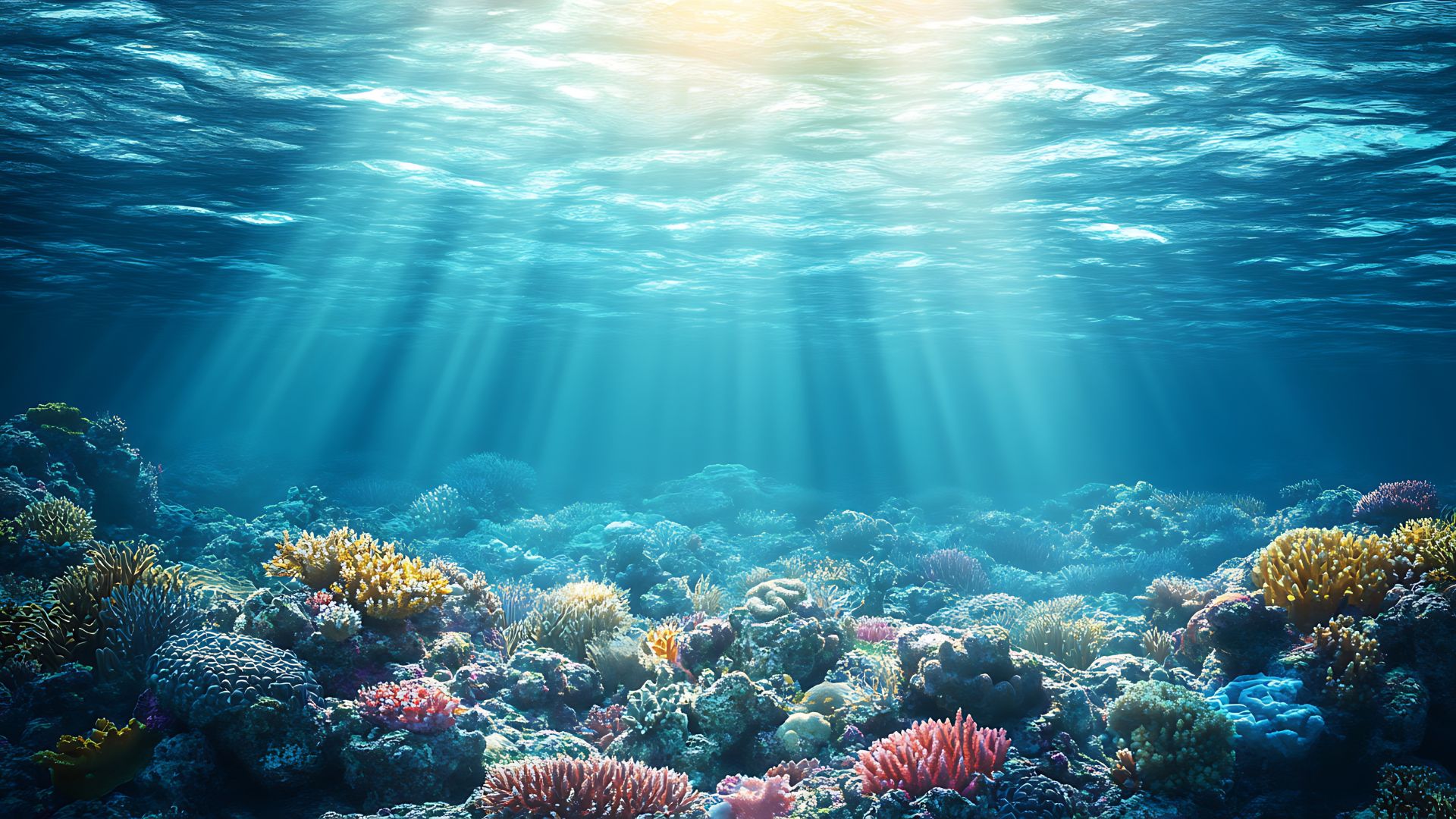
Second surprise: the light is alive. Sunlight filtered through 16 feet of ocean water shifts constantly. Morning light comes in cool and blue-green. By afternoon, it’s warmer, more golden. At night, with only the moon and resort’s carefully positioned external lights, everything takes on this otherworldly silver-blue glow. My sister said the changing light was more captivating than any art installation she’d seen.
Third surprise: you stop thinking about the glass. For the first hour, you’re hyper-aware that only a few inches of reinforced acrylic separates you from the ocean. You study the seams. You wonder about pressure and engineering. Then a sea turtle drifts past your window, and the glass just… disappears from your consciousness. You’re simply in the ocean, watching life happen around you.
The marine life varies by location and season. The Muraka sits near a house reef known for consistent shark activity (mostly reef sharks, harmless unless you’re a small fish). Morning visitors usually include parrotfish, groupers, and schools of fusiliers. Around dusk, larger predators cruise by: tuna, barracuda, and the occasional manta ray during plankton blooms.
One aspect that surprised everyone I’ve talked to: you sleep incredibly well. Maybe it’s the white noise of the gentle current, maybe it’s the darkness (ocean floors at night are pitch black), or maybe it’s just the exhaustion from scuba diving all day. Whatever the cause, people consistently report deep, dreamless sleep in these underwater bedrooms.
The morning routine is surreal. You wake up, open your eyes, and instead of a ceiling, there’s a school of batfish hovering three feet from your face. No alarm clock can compete with that.
Safety, Engineering, and What Could Possibly Go Wrong
Let’s address the question everyone has but feels awkward asking: What if the glass breaks?
The engineering behind these structures is, honestly, excessive in the best way possible. The viewing panels are made from acrylic (not glass), typically 8 to 12 inches thick. These aren’t windows in the traditional sense. They’re solid transparent walls with tensile strength that exceeds what you’d find in deep-sea research vessels.
Each panel is tested to withstand pressure equivalent to depths of 100 to 150 feet, despite being installed at only 15 to 20 feet. The safety factor is typically 5:1 or higher. In engineering terms, that means the structure could handle five times the maximum stress it will ever experience before showing signs of failure.
According to a 2025 report from the Marine Technology Society, there have been exactly zero structural failures in occupied underwater hotel rooms globally since the first installation in 2018. The biggest actual risk? Seasickness. About 12% of guests report mild nausea during their first few hours, usually subsiding once they acclimate to the gentle swaying.
The structures themselves are designed with multiple redundancy systems. Most incorporate three independent life support systems for air circulation and pressure management. Emergency protocols include surface evacuation within 90 seconds via the connecting stairwell to the above-water portion of the villa—standards comparable to other tightly regulated experiences like a wildlife safari in Africa, where layered safety systems are equally critical.
Fire is impossible (you’re underwater, there’s no oxygen-rich environment). Flooding is prevented by pressure differentials and multiple sealed bulkheads. The most common “emergency” is a malfunctioning air conditioning unit, which happened at the Muraka once in 2024 and was resolved within 30 minutes.
Environmental monitoring happens 24/7. Sensors track internal air quality, external water pressure, structural stress at key points, and acrylic panel integrity. Any deviation from normal parameters triggers automatic alerts to engineering staff.
One thing worth understanding: these aren’t bolt-on additions to existing resorts. Each underwater residence requires approximately 18 to 24 months of construction, including 6 to 8 months of testing before the first guest arrives. The permitting process alone can take a year, with environmental impact assessments that rival offshore oil platforms.
How to Actually Book One (And Avoid Getting Scammed)
The booking process for underwater hotels is weirdly complicated, which has created opportunities for third-party agencies to insert themselves and markup prices. Here’s what actually works.
Book directly through the resort whenever possible. Most properties don’t list underwater suites on standard booking platforms like Booking.com or Expedia. You need to contact their reservations team directly via phone or email. Yes, this feels archaic. Yes, it’s how it works.
For the Conrad Muraka, email muraka@conradmaldives.com. For Pullman, go through their luxury reservations line. Expect a 24-48 hour response time. These aren’t automated systems.
Timing matters more than you think. The Maldives has two distinct seasons: dry season (November through April) and wet season (May through October). Dry season is peak, with premium pricing and booking windows extending 12-18 months out. But here’s an insider angle: late April and early October offer near-perfect weather at 30-40% lower rates because they’re technically shoulder season.
I watched my sister book the Pullman for October 2025 in March of that year and save $8,000 compared to December pricing for an identical experience. The weather was flawless, visibility was actually better for diving, and the resort was less crowded.
Package deals can save you serious money. Several resorts offer underwater stays as part of seven-night packages that include above-water accommodation for the other nights. The Conrad offers a “Muraka Experience” package: three nights in a standard beach villa, one night in the Muraka, plus full board and activities for roughly $65,000 total. That’s cheaper than booking the Muraka for one night standalone.
Watch out for aggregators and luxury travel agencies. Some charge 15-25% commission on top of resort rates. They’ll position this as “concierge service” or “VIP booking guarantee.” Most of what they offer you can arrange yourself by calling the resort. The exception: if you’re booking multiple properties across different islands for an extended trip, a Maldives specialist can coordinate seaplane timing and inter-resort logistics ingenuinely valuable way.
Payment terms are strict. Expect to pay 50% deposit at booking (non-refundable) and the balance 60-90 days before arrival. Credit card fees can add 3-4%. Bank wire transfers avoid fees but require more lead time.
Cancellation policies are brutal. Most underwater suites have zero refund within 90 days of arrival. Travel insurance that covers “cancel for any reason” costs roughly 8-10% of the trip total but can be worth it given the stakes.
The Hidden Pitfalls and Mistakes Everyone Makes
After talking to a dozen people who’ve done underwater stays and studying probably 200 reviews, some patterns emerge in what trips people up.
Biggest mistake: underestimating transfer logistics. The seaplane from Malé to your resort isn’t like catching an Uber. Flights are scheduled, weather-dependent, and have strict baggage limits (44 pounds per person typically). If you land in Malé at 6 PM and the last seaplane leaves at 4 PM, you’re spending the night in an airport hotel. Build in buffer time.
Second mistake: not understanding what’s included. “All-inclusive” at a Maldives resort rarely means what it does at a Caribbean resort. Alcohol might be included. Premium spirits might not be. Scuba diving certification courses aren’t included. Spa treatments aren’t included. Some resorts charge for specialty dining even for underwater suite guests. Read the fine print obsessively.
Third mistake: booking too many activities. This is counterintuitive. You’re paying $10,000+ per night for a room with the best view on the planet, but people cram their days with island hopping, fishing charters, and spa appointments. My sister’s advice: schedule one activity per day, maximum. Spend the rest of the time in your villa, in the water, or doing absolutely nothing.
Fourth mistake: wrong expectations about marine life. You’re not at an aquarium. The ocean is wild. Some days you’ll see dozens of sharks, rays, and schools of tropical fish. Other days, you’ll see sand, coral, and the occasional lonely grouper. Visibility fluctuates based on current, plankton blooms, and random ocean dynamics. The resorts can’t control this, but guests get disappointed anyway.
Fifth mistake: skimping on underwater photography equipment. Your iPhone isn’t cutting it here. Either bring a proper underwater camera setup ($800-2,000 if you’re buying) or rent one from the resort ($200-400 for a week). The photos you’ll regret not having outweigh the rental cost.
Sixth mistake: not considering the honeymoon effect. Underwater hotels attract couples. I mean, really attract couples. At peak times, you might be the only non-honeymoon guests at the entire resort. If you’re traveling solo or with kids, the vibe can feel mismatched. Check resort demographics before booking.
Seventh mistake: ignoring the jet lag calculation. The Maldives is 10 hours ahead of the US East Coast. That’s brutal. If you’re only staying three nights, you’ll spend day one in a fog and day three dreading the return flight. Consider extending to five or seven nights for psychological reasons alone.
Sustainability and Environmental Impact: The Uncomfortable Truth
Here’s where the conversation gets complicated. Underwater hotels represent an architectural achievement and a conservation paradox simultaneously.
The positive case: these structures create artificial reefs that attract marine life. The Conrad Muraka has documented increased fish populations within 200 meters of the installation. The concrete footings provide substrate for coral growth. Several properties fund marine biology research and reef restoration programs.
The negative case: construction disrupts existing ecosystems temporarily but significantly. The resorts require massive energy inputs to maintain climate control, water pressure management, and life support systems—far more intensive than experiences like Route 66 road trips, where infrastructure already exists. Guest transfers via seaplane burn considerable fuel. The economic pressure to keep rooms occupied year-round conflicts with giving reefs seasonal rest.
The honest case: luxury underwater tourism exists on a spectrum. Some properties genuinely prioritize environmental stewardship. Others treat sustainability as a marketing angle.
According to EcoHotels.com’s 2026 Sustainability Audit, the Pullman Maldives scores highest among underwater properties for coral restoration funding, solar power integration (68% of resort energy), and sewage treatment that exceeds national standards. The Muraka scores lower, primarily because its 24/7 climate control demands outweigh renewable energy capacity.
If environmental impact matters to you (and it probably should), look for resorts that participate in the Green Fins program, employ marine biologists on staff, and publish annual sustainability reports with verifiable data. Ask specific questions: What percentage of your energy comes from renewable sources? How do you manage wastewater? What coral restoration programs do you fund?
The uncomfortable reality is that flying halfway around the world to sleep underwater is inherently a high-impact activity—much like visiting some of the hidden coastal towns of Italy, where the journey itself contributes significantly to your footprint. You can choose lower-impact versions of that activity, but you can’t eliminate the impact. Some travelers decide the experience justifies the footprint. Others don’t. There’s no right answer, just informed decisions.
The Future: What’s Coming in 2027 and Beyond
The underwater hotel boom isn’t slowing down. If anything, it’s accelerating.
Kudadoo’s Observatory opens in August 2026, as mentioned, but they’ve already announced plans for a second standalone unit to open in 2028. This one will go deeper (25 feet below the surface) and larger (four rooms instead of three).
Soneva Fushi is developing what they’re calling an “underwater neighborhood” with six interconnected suites sharing a common lounge area. Target opening: late 2027. Expected pricing: $25,000-35,000 per night for the entire six-suite complex, designed for multi-family travel or corporate retreats.
The Ritz-Carlton Maldives received permits in January 2026 for an underwater spa and wellness center. Not sleeping rooms, but treatment areas, meditation spaces, and a yoga studio with 360-degree ocean views. Set to open in early 2028.
Beyond the Maldives, underwater hotel concepts are in development for Australia’s Great Barrier Reef (pending environmental approvals that may never come), Dubai (always Dubai), and Norway’s fjords. The Maldives will likely maintain its position as the global center for this type of luxury, but competition is building.
Technology will push boundaries further. The next generation of installations will likely feature augmented reality overlays that identify and label fish species in real-time, integrated submarine docks for guest exploration beyond the immediate reef, and possibly even transparent floor panels in addition to walls.
Pricing for mid-tier options is likely to trend downward as construction techniques improve and more properties enter the market. I’d expect to see $5,000-7,000 per night underwater experiences by 2028, making them accessible to a broader slice of luxury travelers.
The real question isn’t whether underwater hotels have staying power. They clearly do. The question is whether the ecosystem can sustain the development pace without suffering irreversible damage. That answer will define whether this trend represents innovative sustainable tourism or a cautionary tale about luxury at the environment’s expense.
Making the Decision: Is It Worth It for You?
Here’s my framework for deciding whether an underwater hotel makes sense for your specific situation.
You should seriously consider it if: You have a major life event to celebrate (honeymoon, milestone anniversary, major birthday), and your budget isn’t a primary constraint. You’re passionate about marine life and underwater experiences. You’ve already done multiple luxury resort trips and want something genuinely novel. You don’t get motion sickness easily. You’re comfortable with the environmental trade-offs discussed earlier.
You should probably skip it if: Your travel budget is under $25,000 total for the entire trip. You’re traveling with young children (most underwater suites have minimum age requirements of 12-18 years). You prefer active, excursion-heavy vacations over relaxation. You’re claustrophobic or anxious about confined spaces. You have mobility limitations (spiral staircases to underwater bedrooms aren’t wheelchair accessible).
Alternative paths to consider: If the price is prohibitive but you want the experience, book a standard villa at a resort with an underwater restaurant. You’ll get 90% of the magic for 20% of the cost. The Anantara Kihavah’s underwater restaurant, Subsix, offers lunch and dinner seatings. Combined with a nice beach villa, you’re looking at $4,000-6,000 for three nights instead of $35,000.
If the Maldives feels too remote, Dubai has the Atlantis underwater suites at roughly 60% of Maldives pricing and easier logistics for US/Europe travelers. The marine life isn’t as dramatic (it’s an aquarium, not open ocean), but the engineering is equally impressive.
For maximum value, consider the October shoulder season strategy I mentioned earlier. You save massive amounts, get better diving visibility, and avoid the honeymoon crowds. The trade-off is a slight increase in rain probability, but Maldives rain usually comes in quick afternoon bursts that don’t disrupt full days.
Final Thoughts
These days, I always tell people considering an underwater hotel: don’t do it unless you’re ready to have your expectations of what’s possible permanently recalibrated. There’s a before-and-after quality to sleeping beneath the ocean. It changes how you think about architecture, about nature, about what luxury means.
My sister describes her Pullman stay as the only vacation she’s ever taken where she felt genuinely transformed rather than just rested. That’s a high bar, and not everyone will clear it. But for the right traveler at the right moment, underwater hotels in the Maldives deliver something that exists nowhere else on Earth.
The question isn’t whether they’re redefining luxury travel in 2026. They clearly are. The question is whether that redefinition aligns with what you want from travel, what you can afford to spend, and what trade-offs you’re willing to accept.
For some people, the answer will be an emphatic yes. For others, a thoughtful no. Both are completely valid. Just make sure you’re deciding based on accurate information rather than Instagram fantasies or marketing hype.
Key Takeaways
• Underwater hotels in the Maldives have grown from one experimental suite in 2018 to seven operational properties in 2026, with bookings increasing 340% between 2024 and 2025.
• True costs typically run 40-60% higher than advertised base rates once you factor in seaplane transfers, butler service, premium dining, and resort fees. Budget accordingly.
• The Pullman Aqua Villas ($8,000-12,000/night) offer the most accessible entry point, while the Conrad Muraka ($35,000-50,000/night) remains the premium standard.
• October and late April provide optimal value with shoulder-season pricing (30-40% savings) while maintaining excellent weather and diving conditions.
• Safety engineering is exceptional with zero structural failures globally since 2018, featuring 8-12 inch acrylic panels tested to withstand 5x maximum stress levels.
• Environmental impact varies significantly between properties. Look for Green Fins certification, published sustainability reports, and verifiable renewable energy percentages when choosing a resort.
• Book directly through resort reservations (not third-party aggregators) 12-18 months in advance for peak season, 6-9 months for shoulder season.
• Common mistakes include underestimating transfer logistics, over-scheduling activities, and arriving without proper underwater photography equipment.
FAQ Section
How much does it really cost to stay at the Muraka in the Maldives?
The base rate for the Muraka ranges from $35,000 to $50,000 per night, depending on season, but your actual all-in cost for a three-night minimum stay typically reaches $135,000 to $175,000. This includes seaplane transfers ($1,800 roundtrip), butler gratuities ($200/day), premium dining packages ($800/day for two people), and resort fees. December through March commands peak pricing with a 25% premium over base rates.
Are underwater hotels in the Maldives safe for families with children?
Most underwater suites restrict access to guests aged 12 and up due to the spiral staircase and confined spaces. The structures themselves are engineered with exceptional safety margins, but the intimate size and romantic positioning make them better suited for couples. For family-friendly alternatives, consider resorts with underwater restaurants like Anantara Kihavah’s Subsix, where children can experience the underwater environment during a meal without overnight accommodation challenges.
What’s the best time to book an underwater hotel in the Maldives for value and weather?
Late April and early October offer the optimal balance of weather quality and pricing. You’ll save 30-40% compared to peak season (December through March) while experiencing near-identical weather conditions and superior diving visibility. These shoulder periods fall just outside the wet season bookends, providing dry season benefits without peak season crowds. Book 6-9 months in advance for shoulder season availability.
Can you see sharks and manta rays from underwater hotel rooms?
Marine life varies by location, season, and daily ocean conditions. The Muraka consistently sees reef sharks (harmless to humans) during morning hours, while manta rays appear during plankton bloom periods, typically more frequent from May through November. Some days deliver exceptional wildlife viewing with dozens of species visible, while other days offer quieter coral and sand scenes. The ocean is wild and unpredictable – resorts cannot guarantee specific sightings.
Do underwater hotels harm the coral reefs and marine environment?
Impact varies significantly between properties. Well-designed installations create artificial reef structures that attract marine life and provide substrate for coral growth. However, construction causes temporary disruption, and ongoing operations require substantial energy for climate control and pressure management. Properties participating in the Green Fins program, employing on-staff marine biologists, and achieving 50%+ renewable energy (like Pullman Maldives at 68% solar) demonstrate better environmental stewardship than those treating sustainability as marketing alone.