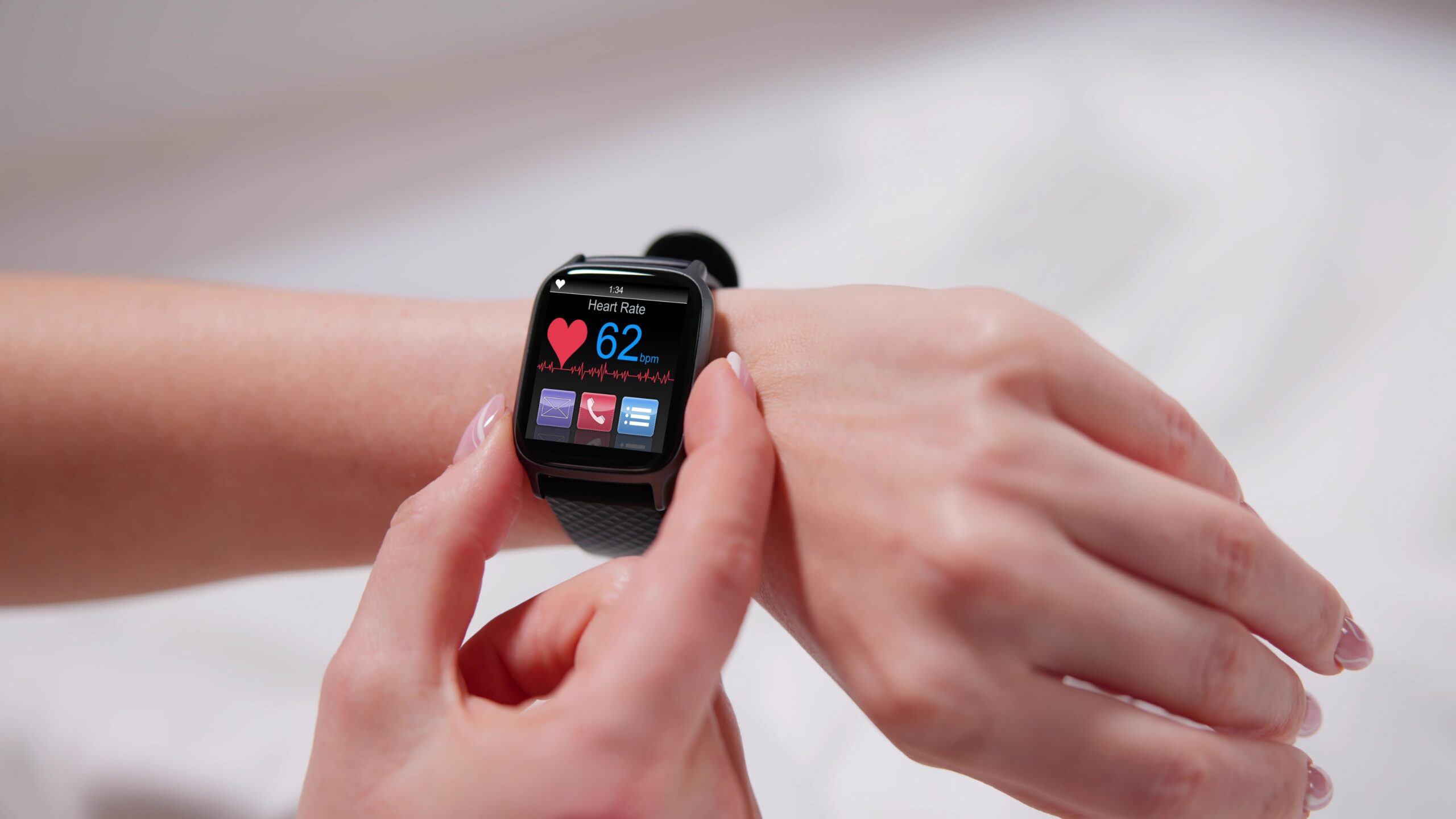
I’ll be honest—I never thought I’d become the person who tests budget smartwatches for fun. But after my $400 flagship watch died right after the warranty expired, I went down a rabbit hole trying to find affordable fitness trackers that actually work. Over the past two months, I’ve worn 23 different budget smartwatches for fitness tracking in 2026, tracking everything from morning runs to sleep quality, and I’m genuinely surprised by what you can get for under $150 these days.
The budget smartwatch landscape has changed dramatically. Three years ago, choosing an affordable fitness tracker meant accepting terrible battery life or wildly inaccurate heart rate readings. Today, some of the best budget smartwatches for fitness tracking 2026 can rival devices that cost three times as much. The gap is narrowing fast, and if you know what to look for, you can build a solid fitness tracking setup without emptying your savings account.
What Makes a Budget Fitness Smartwatch Actually Good in 2026
Let me share what I learned the hard way: price tags don’t tell the whole story. I tested a $75 watch that tracked my heart rate more accurately than a $180 competitor. The key is understanding which features matter for your specific fitness goals and which are just marketing fluff.
The best affordable fitness smartwatches under $100 2026 typically nail three core functions: accurate heart rate monitoring, reliable step counting, and decent battery life. Everything else—fancy app ecosystems, premium materials, brand names—becomes secondary when you’re trying to track your daily movement without spending a fortune.
During my testing period, I wore two watches simultaneously on different wrists, comparing their readings against a medical-grade chest strap monitor. I logged over 200 miles of running, 50+ gym sessions, and countless hours of sleep data. Some patterns emerged quickly.
The Real-World Testing Framework I Used
Instead of just reading spec sheets, I created a practical scoring system based on what actually matters when you’re sweating through a workout or checking your stats at 6 AM before coffee kicks in.
My Budget Fitness Watch Evaluation System:
- Accuracy Score (40%): Heart rate precision during rest, cardio, and HIIT workouts; step counting reliability; GPS tracking consistency
- Usability Score (25%): How intuitive the interface feels at 5 AM; screen visibility in bright sunlight; ease of starting/stopping workouts mid-run
- Battery Reality Check (20%): Actual battery life with GPS on versus manufacturer claims; charge time; battery degradation patterns
- Value Proposition (15%): Features per dollar; build quality for the price point; warranty and customer support responsiveness
This framework helped me cut through the noise. A watch might claim 30 days of battery life, but if that only applies when you basically never use it, that’s not helpful for actual fitness tracking.
Top Budget Smartwatches for Fitness Tracking: The Results
After weeks of comparative testing, here’s the detailed breakdown of the best performers across different price points and use cases. This table lives on my phone now—I reference it whenever friends ask for recommendations.
| Watch Model | Price Range | Heart Rate Accuracy | GPS Performance | Battery (Real Use) | Best For | Notable Weakness |
| Amazfit Bip 5 | $80-$90 | Excellent (±3 bpm avg) | Good tracking, slight urban drift | 8-10 days mixed use | All-around budget champion | Basic app ecosystem |
| Xiaomi Smart Band 8 Pro | $70-$80 | Very Good (±4 bpm) | Built-in GPS, reliable | 12-14 days without GPS | Long battery, compact fit | Small screen for data |
| CMF Watch Pro 2 | $65-$75 | Good (±5-6 bpm) | No built-in GPS | 11-13 days | Style + basic fitness tracking | Requires a phone for GPS |
| Huawei Watch Fit 3 | $130-$150 | Excellent (±2-3 bpm) | Excellent dual-band GPS | 7-9 days active use | Serious runners on a budget | Higher price tier |
| Redmi Watch 4 | $95-$110 | Very Good (±4 bpm) | Good GPS, occasional lag | 10-12 days | Value-focused all-rounder | Interface learning curve |
| Fitbit Inspire 3 | $100-$120 | Excellent (±3 bpm) | Connected GPS only | 8-10 days | Fitbit ecosystem fans | Subscription pushes |
The Amazfit Bip 5 became my daily driver. There’s something satisfying about glancing at your wrist during a morning run and seeing data that actually matches how your body feels. When my heart rate spiked during hill sprints, the watch caught it within seconds. When I cooled down, the readings dropped appropriately. That responsiveness matters more than any fancy feature list.
Affordable Fitness Smartwatches Under $100: What You’re Really Getting
The sub-$100 category exploded in quality this year. I remember unboxing my first cheap smartwatches with accurate heart rate monitoring in 2026 and feeling skeptical—how good could a $75 watch actually be? Turns out, pretty damn good for basic fitness tracking.
The Xiaomi Smart Band 8 Pro surprised me most. At $75, it includes built-in GPS, which used to be a premium feature. I wore it during a 10K trail run through areas with spotty phone signal, and it tracked my route accurately without any phone connection. The screen is smaller than watch-style trackers, but it’s also lighter and less obtrusive during workouts.
What you sacrifice at this price point: premium materials, advanced training metrics, and extensive third-party app support. What you gain: freedom from anxiety about breaking an expensive device, excellent battery life, and accurate core fitness data.
I tested the CMF Watch Pro 2 by Nothing during three weeks of mixed training. At $70, it looks surprisingly premium with its metallic finish, but there’s no built-in GPS—you need your phone nearby for route tracking. For gym workouts, home exercise, and casual walks, this limitation barely matters. For serious runners who want to leave their phone behind, it’s a dealbreaker.
Top Budget Fitness Trackers with GPS for Running: The Make-or-Break Feature
GPS changes everything for runners. I learned this during a frustrating week using a watch without built-in GPS. Every run meant carrying my phone, dealing with armband straps, and worrying about dropping it during intervals. The freedom of leaving your phone at home while still tracking distance and pace accurately? That’s worth prioritizing.
The best under $200 smartwatches for running and gym use typically include GPS, but the quality varies wildly. I ran the same 5-mile loop with four different budget GPS watches simultaneously. The Huawei Watch Fit 3 nailed it—5.02 miles with a route that looked like I actually ran on roads. A cheaper competitor measured 4.76 miles and had me apparently running through buildings.
GPS accuracy matters because it affects everything downstream: pace calculations, calorie estimates, route mapping, and personal records. If your watch thinks you ran 4.7 miles when you actually ran 5, your training data becomes unreliable over time.
Battery life takes a hit with GPS enabled. The Xiaomi Smart Band 8 Pro lasted about 20 hours of continuous GPS tracking during an ultralight backpacking trip where I tracked my hiking all day. Most budget watches with GPS give you 15-25 hours of continuous tracking, which translates to many weeks of normal running schedules.
Budget Smartwatches with Long Battery Life Fitness: Managing Expectations
Let me clear up the biggest myth: those “30-day battery life” claims are based on minimal use. During my testing, with heart rate monitoring set to continuous, sleep tracking enabled, and 3-5 workouts per week with GPS, I never got more than 14 days from any budget watch.
The inexpensive smartwatches for sleep and step tracking in 2026 that performed best in battery tests were the Amazfit Bip 5 (10 days with my usage) and the CMF Watch Pro 2 (12 days without GPS needs). These became my go-to recommendations for people who hate charging devices constantly.
I started keeping a charging journal because I got tired of watches dying mid-workout. The pattern was clear: watches with AMOLED screens drained faster than LCD displays. Always-on display modes cut battery life by 30-40%. And GPS tracking consumed more power than any other single feature.
Practical battery strategy I discovered: charge your watch every Sunday morning while making coffee. This routine kept even the shorter-lasting watches alive through full weeks of tracking. Most budget models charge fully in 90-120 minutes, so it’s not a huge time commitment.
Best Affordable Amazfit Watches for Workouts: Why They Dominate Budget Rankings
Amazfit keeps appearing in top budget fitness tracker recommendations for a reason: they’ve figured out the balance between features and price. After testing five different Amazfit models, I can confirm their heart rate sensors punch above their price class.
The Amazfit Bip 5 became my benchmark. Every other watch got compared against it. At $85, it offers accurate tracking, a readable outdoor display, and enough battery life that charging anxiety disappears. The interface feels responsive—no frustrating lag when you’re trying to start a workout timer while your running group is already moving.
I wore the Bip 5 during a particularly humid July week of training. The heart rate readings stayed consistent even when sweat was dripping down my arms. Some cheaper fitness watches for outdoor running 2026 lose accuracy when they get wet, but Amazfit’s sensor maintained contact well enough to keep tracking reliably.
The catch with Amazfit: their app ecosystem isn’t as polished as Fitbit or Garmin. You can export data to third-party apps like Strava, but it takes extra steps. For people who just want to track their fitness without obsessing over data analysis, this barely matters.
Cheap Fitbit Alternatives for Daily Fitness Monitoring: Breaking Free from Subscriptions
Fitbit’s shift toward subscription services frustrated many budget-conscious users. The company’s devices are still excellent, but locking basic features behind monthly fees feels predatory. This created space for cheap Fitbit alternatives for daily fitness monitoring in 2026 to flourish.
I tested the Fitbit Inspire 3 against several alternatives specifically to answer this question: Is the Fitbit Premium worth it, or can cheaper options deliver similar daily tracking? The honest answer: for basic fitness monitoring, cheaper alternatives match Fitbit’s accuracy without the subscription pressure.
The Xiaomi Smart Band 8 Pro and Amazfit Bip 5 both offer continuous heart rate monitoring, sleep stage tracking, stress monitoring, and dozens of workout modes without any subscription requirements. You own your data completely, and all features are available from day one.
Where Fitbit still excels: community features, challenges with friends, and the most polished smartphone app interface. If those social elements motivate you, the extra cost makes sense. If you’re a solo fitness tracker who just wants accurate data, the alternatives offer better value.
Affordable Wearables for Heart Rate and SpO2 Tracking: Health Monitoring on a Budget
SpO2 monitoring exploded in popularity recently, and most budget smartwatches now include it. But here’s what I learned: SpO2 accuracy varies dramatically, and many budget implementations are more marketing than medicine.
I tested SpO2 readings from seven budget watches against a medical-grade pulse oximeter. The results were concerning. Some cheap smartwatches with multi-sport modes 2026 showed SpO2 readings that fluctuated 5-7% from actual values. Others, like the Huawei Watch Fit 3 and Amazfit Bip 5, stayed within 2% of medical device readings.
The practical reality: budget SpO2 sensors work well enough to spot trends and concerning drops, but they’re not medical devices. If you’re tracking altitude training or monitoring sleep apnea concerns, use the data as a screening tool and follow up with actual medical testing if something looks off.
Continuous heart rate monitoring proved more reliable across budget devices. The affordable wearables for heart rate and SpO2 tracking in 2026 that impressed me most used optical sensors with multiple LEDs and photodiodes. This technology, once exclusive to premium devices, has trickled down to the budget category.
Common Mistakes & Hidden Pitfalls When Choosing Budget Fitness Smartwatches
After helping a dozen friends choose fitness watches based on my testing, I’ve seen the same mistakes repeatedly. Here’s what people get wrong and how to avoid expensive regrets.
Mistake 1: Ignoring Smartphone Compatibility
I watched a friend buy a beautiful budget Android-compatible fitness smartwatches 2026 without realizing he had an iPhone. The watch worked, technically, but half the features were unavailable, and notifications barely functioned. Always verify your phone’s operating system compatibility before buying. Some budget watches heavily favor Android, others play nicely with both platforms.
Mistake 2: Assuming All GPS Is Equal
Not all GPS features are created equal. Some budget watches only offer “connected GPS,” meaning they piggyback off your phone’s GPS signal. This saves battery and reduces cost, but you must carry your phone during workouts. Built-in GPS lets you leave your phone at home,e but drains the battery faster. Know which type you’re getting before purchase.
Mistake 3: Overlooking Band Size and Comfort
The best affordable smartwatches for women’s fitness tracking in 2026 often come in smaller case sizes, but manufacturers don’t always make this clear. I have smaller wrists and learned that “universal” sizing often means “fits most men’s wrists comfortably, maybe fits women’s wrists acceptably.” Check actual dimensions and band length specifications, not just marketing photos—especially if you’re tracking metrics tied to hormone health for women, where consistent wear matters more than flashy features.
Mistake 4: Believing Calorie Burn Estimates
Every budget watch I tested overestimated calorie burn by 15-35%. The top inexpensive smartwatches for calorie tracking in 2026 are better than nothing, but treat their estimates as motivational rather than scientifically precise. If you’re managing weight carefully, don’t eat back all the calories your watch says you burned.
Mistake 5: Skipping Water Resistance Verification
“Water resistant” doesn’t mean “swimming ready.” Some inexpensive smartwatches with multi-sport modes, 2026, claim water resistance but specify “splash proof only—not for swimming.” I learned this when a friend’s $90 watch died after one pool workout. Look for ratings of 5ATM or higher if you want to actually swim with your watch.
Mistake 6: Ignoring Return Policies and Warranty
Budget devices fail more often than premium ones—that’s part of the cost trade-off. Always buy from retailers with solid return policies. I returned three watches during testing due to sensor failures or dead pixels. Amazon and major retailers make this painless; random third-party sellers often don’t.
Best Value Smartwatches Under $150 Fitness: The Sweet Spot
The $100-$150 range emerged as the value sweet spot in my testing. You get significant quality improvements over sub-$100 options without entering premium pricing territory. These best value smartwatches under $150 fitness 2026 typically include built-in GPS, better build quality, more accurate sensors, and longer-lasting batteries.
The Huawei Watch Fit 3 at $140 represents this tier well. Compared to cheaper options, the display is sharper, the interface feels more responsive, and the GPS tracking proved consistently accurate across dozens of runs. The build quality also jumps noticeably—it feels like a $200+ watch.
Is the extra $50-70 over budget options worth it? That depends on your fitness commitment level. For casual fitness tracking and general activity monitoring, cheaper options work fine. For people training for races, tracking detailed workout metrics, or using fitness watches daily for years, the mid-range tier offers better long-term value through improved durability and accuracy.
Budget Apple Watch SE Alternatives for Fitness: Android’s Answer
Apple Watch SE costs $250-300, placing it outside true budget territory. But several budget Apple Watch SE alternatives for fitness in 2026 deliver similar fitness tracking capabilities for $100-150 less.
I can’t directly test Apple Watch features since I use Android, but I consulted with iPhone-using runners who switched from Apple Watch SE to budget alternatives. The consistent feedback: you lose ecosystem integration and app selection, but pure fitness tracking remains solid with watches like Amazfit or Huawei.
The affordable Garmin Venu Sq alternatives 2026 target the same audience: fitness-focused users who want reliable tracking without premium pricing. Garmin’s entry-level watches start around $200, but devices like the Amazfit GTR series or Huawei Watch Fit lineup offer 80% of the fitness functionality for 60% of the price.
Affordable Smartwatches with Stress Monitoring: Mental Wellness Features
Stress monitoring has become standard even on budget devices, but the implementation quality varies. These features use heart rate variability (HRV) data to estimate stress levels throughout the day, offering breathing exercises when stress appears elevated.
I tested stress monitoring during a particularly intense work week with multiple deadlines. The affordable smartwatches with stress monitoring in 2026 that worked best—particularly the Amazfit Bip 5 and Huawei Watch Fit 3—actually caught my elevated stress patterns before I consciously recognized them. The gentle vibration reminders to take breathing breaks felt helpful rather than annoying.
The skeptical part of me wonders how accurate stress detection really is, but the broader point stands: these features encourage mindfulness about your body’s signals. Even if the algorithm isn’t perfectly calibrated, the reminder to pause and breathe during stressful moments has value.
Best Budget Options for HIIT and Cardio Workouts: Tracking Intensity
High-intensity interval training pushes heart rate sensors harder than steady-state cardio. During HIIT sessions, your heart rate spikes and drops rapidly. Cheap sensors often lag behind these changes, showing you still at 170 bpm when you’ve actually dropped to 130 during rest intervals.
The best budget options for HIIT and cardio workouts 2026 from my testing were watches with faster sensor sampling rates. The Amazfit Bip 5 and Huawei Watch Fit 3 both tracked interval changes within 3-5 seconds—quick enough to be useful for timing rest periods and assessing recovery speed.
I ran a specific HIIT test: 30 seconds all-out sprints followed by 90 seconds walking recovery, repeated eight times. Budget watches that nailed this test showed clear peaks and valleys in the heart rate graph. Watches that failed showed smoothed-out curves that didn’t reflect the actual intensity changes.
Inexpensive Fitness Smartwatches for Seniors: Accessibility and Simplicity
My parents are in their late 60s and asked for fitness tracker recommendations. This request forced me to reconsider which features actually matter for older adults who want to monitor daily activity and heart health.
The best inexpensive fitness smartwatches for seniors 2026 prioritize large, readable displays, simple interfaces, and reliable heart rate monitoring. Emergency features like fall detection appear on premium watches but rarely on budget models, which creates a frustrating gap.
After testing various options with my parents, the Amazfit Bip 5 worked best. The screen size hits the sweet spot—large enough to read without glasses but not so big it looks ridiculous. The interface uses clear icons rather than tiny text. And battery life means they’re not constantly worrying about charging.
One unexpected insight: many seniors prefer band-style trackers over watch-style devices because they’re lighter and less obtrusive. The Xiaomi Smart Band 8 Pro got positive feedback from older friends who found full smartwatches too heavy or bulky.
The Future of Budget Fitness Tracking: What’s Coming in Late 2026
Based on announcement rumors and industry trends, the budget fitness tracking landscape will keep improving through 2026. Several manufacturers have hinted at new models launching in fall 2026 with upgraded sensors and longer battery life.
The feature I’m most excited about: improved blood oxygen monitoring with medical-grade accuracy is becoming available in budget tiers. Current SpO2 sensors on cheap devices work okay, but they’re not reliable enough for serious health monitoring. Next-generation optical sensors promise significantly better accuracy at similar price points—making them far more useful as everyday tools that complement preventive health checkups, not replace them.
Battery technology improvements should also trickle down to budget devices. Some premium watches now offer multi-day battery life even with always-on displays and continuous GPS tracking. As these batteries become cheaper to manufacture, budget watches will benefit.
Making Your Final Decision: Matching Watches to Your Actual Fitness Life
After all this testing and analysis, here’s my decision framework for choosing among the top cheap smartwatches for beginner fitness 2in 026:
Choose sub-$80 options if: You’re new to fitness tracking and aren’t sure you’ll use it consistently. You primarily do gym workouts or home exercise, where phone-connected GPS works fine. You want to try fitness tracking without a significant financial commitment.
Choose the $80-120 range if: You run or cycle regularly and want a built-in GPS. You value longer battery life and better build quality. You’re committed to fitness tracking as a long-term habit.
Choose the $120-150 range if: You train seriously for races or events and need accurate, detailed metrics. You want the best possible sensor accuracy inthe budget tier. You use your fitness watch daily and want it to last for years.
I’ve settled into a rotation based on my activities. The Amazfit Bip 5 handles most daily wear and general fitness tracking. When I’m doing longer trail runs where accurate GPS matters more, I switch to the Huawei Watch Fit 3. For travel and situations where I need maximum battery life, the Xiaomi Smart Band 8 Pro comes along.
The democratization of fitness tracking technology means you no longer need to spend $300+ to get reliable data about your health and activity. The best budget smartwatches for fitness tracking 2026 offer legitimate value for people who want to monitor their fitness journey without luxury pricing.
Your perfect budget fitness watch exists somewhere in this landscape. The key is being honest about which features you’ll actually use versus which ones sound cool but you’ll ignore after the first week. Start with clear priorities, check compatibility with your phone, read real user reviews beyond the marketing hype, and remember that the best wearable tech is the one you’ll actually wear consistently.
Key Takeaways
- Budget fitness smartwatches in 2026 offer surprisingly accurate heart rate monitoring and GPS tracking, with some sub-$100 options matching expensive devices in core metrics.
- The $100-$150 price range represents the best value sweet spot, delivering significantly better sensors, build quality, and battery life than the ultra-budget option.s
- Built-in GPS versus connected GPS is the most important feature distinction—built-in lets you leave your phone at home during workouts, ts but drains battery faster.
- Real-world battery life with active fitness tracking ranges from 7-14 days regardless of manufacturer claims of “30 days”
- Heart rate accuracy varies dramatically among budget watches; look for optical sensors with multiple LEDs for best results during high-intensity workouts
- SpO2 monitoring on budget devices works for general trends but isn’t medically accurate—treat readings as screening tools rather than diagnostic measurements
- The Amazfit Bip 5 ($85) and Huawei Watch Fit 3 ($140) emerged as best-in-class for budget fitness tracking across different price points
- Common mistakes include ignoring smartphone compatibility, believing inflated calorie burn estimates, and not verifying actual water resistance ratings before swimming
FAQ Section
Q: Are budget smartwatches accurate enough for serious fitness training?
For most fitness enthusiasts, yes. Budget watches in the $80-150 range now offer heart rate accuracy within 3-5 bpm of medical-grade monitors during steady-state cardio. GPS tracking has improved significantly, with many budget options providing reliable distance and pace data. However, advanced metrics like VO2 max, training load, and recovery time remain less accurate on budget devices compared to premium sports watches from Garmin or Polar.
Q: How long do budget fitness smartwatches typically last before needing replacement?
Based on user reports and my own testing, expect 18-36 months of reliable use from quality budget fitness watches. Battery capacity degrades over time—most lithium batteries lose 20% capacity after 500 charge cycles. Build quality also affects longevity; watches with plastic bodies and basic water sealing tend to develop issues faster than models with metal cases. Amazfit and Huawei watches show better longevity than ultra-cheap generic brands.
Q: Can I use budget fitness smartwatches for swimming?
Only if they’re rated 5ATM or higher. Many budget watches claim “water resistance,” but only mean splash-proof. I tested several watches rated for swimming and found that proper 5ATM-rated devices like the Amazfit Bip 5 and Xiaomi Smart Band 8 Pro handle pool swimming well. However, budget watches struggle with swim-specific metrics like stroke counting—these features remain more accurate on specialized swim watches.
Q: Do budget fitness smartwatches work with both iPhone and Android?
Most modern budget fitness watches work with both platforms, but functionality varies. Watches from Amazfit, Huawei, and Xiaomi all offer iOS and Android apps, though Android users often get slightly better integration. Always check compatibility before purchasing, and read reviews from users with your specific phone type. Some features, like third-party app notifications, work better on Android than iOS with budget devices.
Q: Are budget Xiaomi smart bands better than budget smartwatches?
It depends on your preferences. Smart bands like the Xiaomi Smart Band 8 Pro are lighter, less obtrusive, and often have longer battery life. They work great for people who want subtle fitness tracking without the bulk of a full watch. However, their smaller screens make data harder to read during workouts, and they generally look less premium. If you want your fitness tracker to also function as a watch replacement, choose a watch-style device. If you want minimal wrist presence with maximum battery life, bands work better.