Introduction: The Urban Renaissance of 2026
Cities are breathing differently now. Walk through Galway’s cobblestoned alleys at dusk and hear traditional Irish music mingling with conversations in a dozen languages. Step into a Kochi backstreet restaurant where coconut curry aromas tell stories older than the spice routes themselves. Stand on a Copenhagen bridge at midnight during summer as the sky refuses to darken completely.
In 2026, the world’s great cities aren’t just recovering, they’re reimagining urban life. The frantic pace has slowed to something more human. Neighborhoods once overrun with tour groups have found their rhythm. Local markets thrive. The barista knows your name.
This shift isn’t accidental. Travelers today seek authenticity over Instagram moments, conversations over checkboxes. We’re staying longer in fewer places, eating where locals eat, choosing guesthouses run by third-generation families over sterile chains. Sustainability isn’t a buzzword; it’s infrastructure, and many of the top travel trends now focus on cities like Oslo and Melbourne that lead in renewable transport, walkable streets, and forward-thinking green design.
The cities that matter most in 2026 understand that tourism should enrich, not extract. They’re investing in pedestrian zones, preserving heritage, and welcoming visitors as temporary neighbors rather than cash machines.
THE 20 BEST CITIES TO VISIT IN 2026
1. Seville, Spain
Seville is a city of warm light, intimate plazas, and streets scented with orange blossoms. Its flamenco heritage and Moorish architecture give it a timeless character that feels alive everywhere you walk. Its slow, inviting rhythm and cultural richness make it a strong contender for the best European city to visit in 2026.
Why 2026: Seville has expanded its pedestrian zones, making the old city easier and more enjoyable to explore. New sustainability programs have improved air quality and enhanced cycling routes. Its cultural scene is thriving with renewed support for traditional flamenco spaces and local artisans.
What to Do: Visit the Real Alcázar early to experience its gardens in peaceful morning light. Wander Triana’s backstreets for authentic flamenco and family-run tapas bars. Walk the riverfront at sunset when the city glows, and locals gather outdoors.
2. Kochi, India
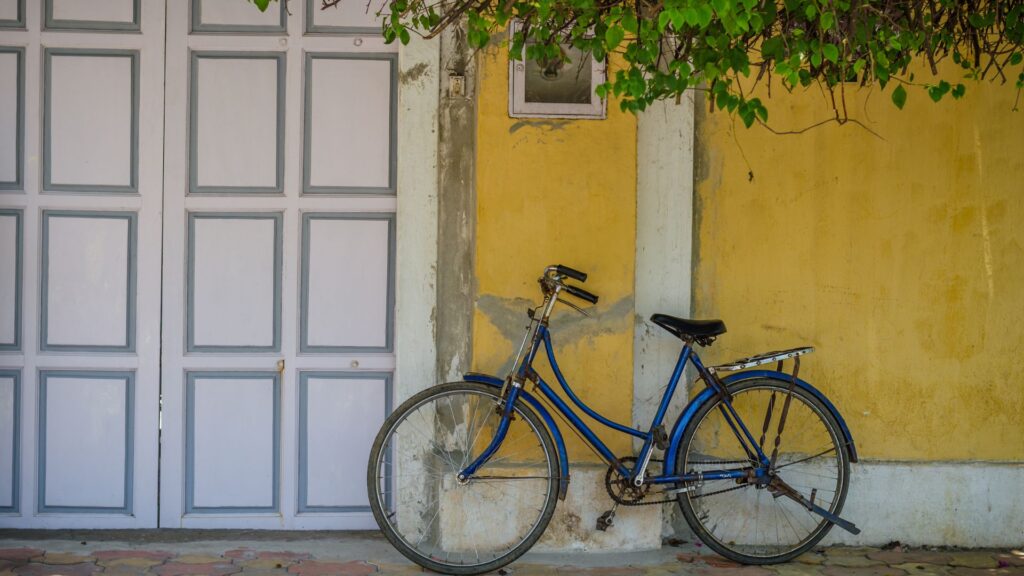
Kochi blends centuries of global influence with Kerala’s coastal charm, offering a city shaped by art, spice routes, and multicultural neighborhoods. Fort Kochi’s streets are lined with galleries, cafés, and murals that reflect its creative spirit. The surrounding backwaters add calm and natural beauty within a short distance.
Why 2026: The Kochi-Muziris Biennale has elevated the city as India’s leading contemporary art destination. Sustainable tourism projects now support eco-friendly backwater experiences and heritage preservation. Food culture is expanding with new spaces celebrating traditional Kerala cuisine.
What to Do: Explore Fort Kochi’s art districts and heritage buildings. Visit the spice markets near Mattancherry to understand the city’s historic trade routes. Take a guided canoe trip through the backwaters for a quiet, authentic look at village life.
3. Montréal, Canada
Montréal is a lively blend of history, creativity, and cultural expression. Its neighborhoods each offer a distinct energy, from European-style Old Montréal to the artistic Plateau. Festivals, food markets, and music scenes make it one of North America’s most dynamic cities.
Why 2026: Major transportation upgrades, including the REM rail system, have improved mobility across the city. Montréal’s culinary scene continues to grow with innovative chefs mixing global influences. Public art and annual festivals are returning with renewed scale and ambition.
What to Do: Wander Old Montréal’s cobblestone streets and waterfront. Explore Jean-Talon Market for local produce and multicultural snacks. Spend an evening in the Plateau for live music, independent cafés, and street art.
4. Galway, Ireland
Galway is a coastal city full of color, live music, and artistic character. Its compact streets are lined with traditional pubs, local shops, and performers who bring Irish culture to life each day. The city feels intimate yet energetic, especially during festivals and weekend nights.
Why 2026: Galway’s sustainability initiatives have strengthened its appeal, promoting cycling routes and limiting large cruise traffic. Creative spaces and markets have expanded, supporting local craftspeople and musicians. Its position along the Wild Atlantic Way keeps outdoor and cultural tourism thriving.
What to Do: Visit the Saturday market for local cheese, baked goods, and crafts. Enjoy traditional music sessions at pubs like Tigh Cóilí. Take a day trip to the Aran Islands or Connemara for dramatic Atlantic scenery.
5. Copenhagen, Denmark
Copenhagen is a model for modern, people-centric urban living. Its waterfronts are clean and lively, and cycling remains the most natural way to explore the city. Design, food, and understated Scandinavian aesthetics shape its identity.
Why 2026: Copenhagen’s push toward carbon neutrality continues with new eco-friendly districts like Nordhavn. Public spaces and transport options have been upgraded to encourage sustainable mobility. Its culinary innovation remains globally influential.
What to Do: Cycle through the city’s key neighborhoods to experience its human-scale design. Swim or relax at the harbor baths in summer. Explore markets and bakeries to taste New Nordic flavors.
6. Salzburg, Austria
Salzburg blends baroque architecture with alpine scenery in a way few cities can match. Its music heritage is unmistakable, yet the local culture extends far beyond Mozart. The old town’s quiet squares and hillside views give it a cinematic charm.
Why 2026: Expanded pedestrian zones and electric bus networks make the city more accessible. Cultural festivals now incorporate modern arts alongside classical performances. The surrounding mountains offer improved access to eco-trails.
What to Do: Visit Hohensalzburg Fortress for sweeping views of the Alps. Enjoy coffee at historic cafés dating back centuries. Take the Untersberg cable car for hikes and fresh mountain air.
7. Melbourne, Australia
Melbourne thrives on creativity, diversity, and a strong café culture. Its laneways reveal street art, hidden bars, and boutique shops, each contributing to the city’s layered personality. Festivals and sporting events keep the city lively year-round, making it a major highlight for anyone interested in sustainable travel through Australia, thanks to its bike-friendly streets, green initiatives, and community-focused urban planning.
Why 2026: Melbourne continues expanding bike infrastructure and green urban planning. Art and design districts have received renewed investment, supporting independent creators. The culinary scene remains the most diverse in Australia.
What to Do: Explore Fitzroy and Collingwood for vintage shops and murals. Visit Queen Victoria Market for multicultural food. Stroll along St. Kilda’s waterfront for sunset views.
8. Dubai, UAE
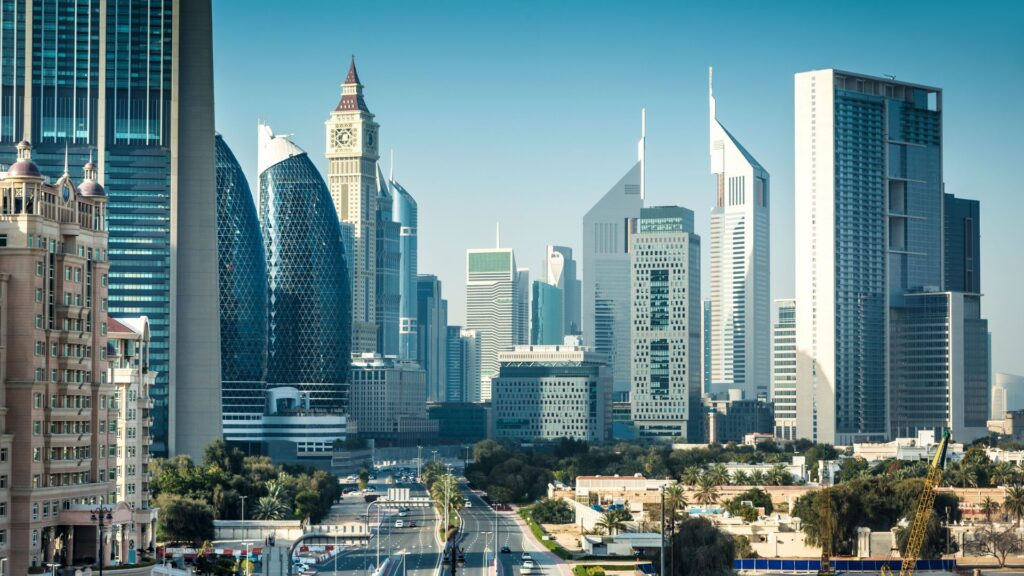
Dubai is a global crossroads where modern architecture stands beside traditional souks. Its neighborhoods reflect a wide mix of cultures shaped by decades of migration. Despite rapid development, the city is increasingly committed to heritage and sustainability, making it one of the most compelling choices for Dubai trips in 2026.
Why 2026: Ongoing arts investment has strengthened districts like Alserkal Avenue. Remote-work visa programs attract long-term visitors. Eco-focused initiatives are reshaping transport and public spaces.
What to Do: Visit the historic Al Fahidi district to understand old Dubai. Explore the Gold and Spice Souks in Deira. Experience the desert at sunset for a quiet contrast to the city’s lights.
9. Seattle, USA
Seattle sits between mountains and water, offering an appealing balance of nature and culture. Its neighborhoods are known for their individuality and creative spirit. Coffee culture, music heritage, and outdoor activities shape everyday life.
Why 2026: The expanding light rail network makes the city easier to explore without a car. A growing food scene emphasizes Asian and Pacific Northwest influences. Public waterfront redevelopment continues to improve urban spaces.
What to Do: Visit Pike Place Market for seafood and local crafts. Explore Capitol Hill for nightlife and independent cafés. Take a ferry to Bainbridge Island for scenic views and nature walks.
10. Kathmandu, Nepal
Kathmandu is a dense, vibrant city filled with ancient temples, markets, and spiritual rituals. Despite its energy and chaos, it offers moments of calm in courtyards and monasteries. Its cultural depth and proximity to the Himalayas make it one of Asia’s most compelling capitals for adventure travel.
Why 2026: Post-earthquake restoration of heritage buildings is nearing completion. Improved trekking logistics strengthen Kathmandu as the gateway to the Himalayas. Local artisan industries are seeing renewed support.
What to Do: Visit Swayambhunath for early-morning views. Wander Durbar Square’s restored temples. Eat Tibetan momos in Thamel after a day of exploring.
11. Cairo, Egypt
Cairo is intense, historic, and endlessly fascinating. The city blends pharaonic sites with Islamic architecture and modern energy. It remains one of the world’s greatest open-air history museums.
Why 2026: The Grand Egyptian Museum is fully open, showcasing thousands of artifacts. New creative spaces are reviving downtown Cairo. Tourism infrastructure has improved around major sites.
What to Do: Visit the pyramids early morning for fewer crowds. Explore Islamic Cairo’s mosques and bazaars. Take a felucca ride on the Nile at sunset.
12. Mérida, Mexico
Mérida offers a mix of colonial charm, rich Mayan heritage, and a relaxed lifestyle. Its pastel streets and friendly communities make it one of Mexico’s most welcoming cities. Food markets and cultural events animate the city throughout the week, and its proximity to some of the most significant historical landmarks of Mexico adds even more depth to the experience.
Why 2026: Cultural investments following its 2025 designation have enhanced museums and public spaces. Safety improvements continue to attract global visitors. The Tren Maya has boosted access to archaeological sites.
What to Do: Walk Paseo de Montejo’s historic mansions. Visit local markets for Yucatecan dishes. Take day trips to cenotes or nearby ruins.
13. Valletta, Malta
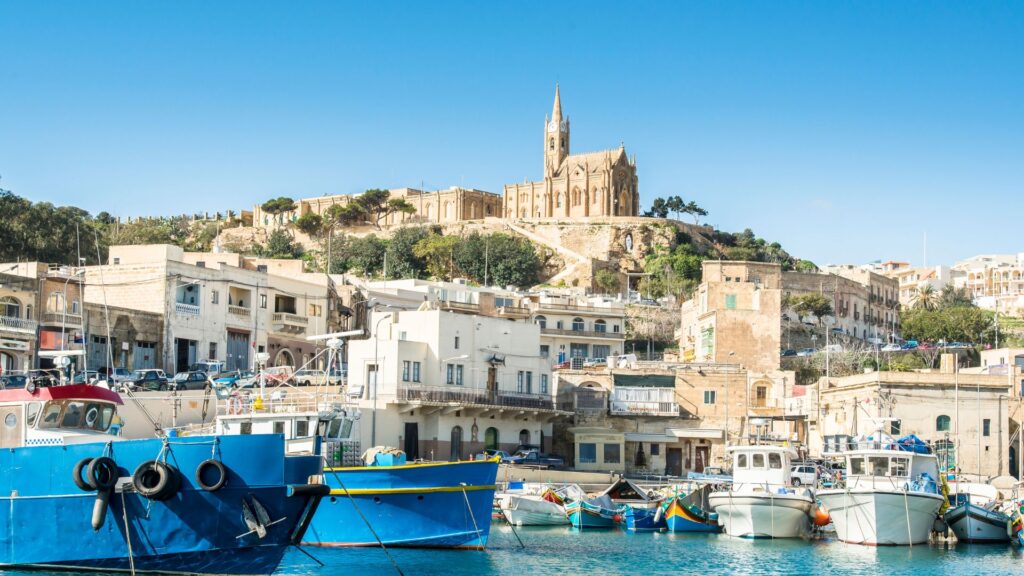
Valletta is a compact capital filled with golden limestone buildings and baroque architecture. Its harbor views and narrow streets offer a beautifully preserved sense of history. Despite its size, the city is culturally rich.
Why 2026: Restoration of heritage sites has improved accessibility. Boutique hotels and galleries continue to open in historic buildings. Malta’s push for digital nomad visas increases long-term stays.
What to Do: Visit St. John’s Co-Cathedral for Caravaggio’s masterpieces. Explore Upper Barrakka Gardens for harbor views. Take a ferry to Gozo or the Three Cities.
14. Oslo, Norway
Oslo balances nature and urban culture better than almost any European capital. Forests and fjords are minutes from the city center. Clean design and calm public spaces define its atmosphere.
Why 2026: Electric transport networks are nearly citywide. Renewed waterfront districts add museums and pedestrian paths. Green initiatives have made it one of Europe’s most sustainable cities.
What to Do: Visit the Viking Ship Museum. Take a sauna and fjord swim near Sørenga. Walk through Vigeland Sculpture Park.
15. Denver, USA
Denver blends urban development with easy access to the Rocky Mountains. Its neighborhoods are lively with breweries, cafés, and art spaces. Sunshine and outdoor culture shape everyday routines.
Why 2026: Transit expansions now connect the city better to nearby towns. Local tourism has shifted toward wellness and outdoor experiences. New creative venues support music and visual arts.
What to Do: See a show at Red Rocks Amphitheatre. Explore RiNo’s murals and breweries. Visit the Denver Art Museum for regional culture.
16. Toronto, Canada
Toronto is one of the world’s most multicultural cities, offering authentic global food and culture. Its skyline, markets, and waterfront make it visually impressive. Each neighborhood reveals a unique mix of communities.
Why 2026: Waterfront redevelopment continues with parks and bike routes. Cultural institutions are expanding exhibitions and events. Transit improvements make navigation smoother.
What to Do: Visit Kensington Market for global cuisine. Walk through the Distillery District’s restored industrial buildings. Explore museums like the ROM and AGO.
17. Riga, Latvia
Riga’s Art Nouveau architecture and creative youth culture make it a rising European destination. The city offers historic charm with surprising modern energy. Its affordability adds strong appeal.
Why 2026: New cultural centers support visual arts and music. Digital nomad interest is growing due to low costs and fast internet. Heritage districts have undergone restoration.
What to Do: Walk Alberta Street for Art Nouveau façades. Explore the Central Market inside old Zeppelin hangars. Visit Old Town’s medieval landmarks.
18. Auckland, New Zealand
Auckland combines natural landscapes with a thriving urban core. Its harbors, volcanic hills, and multicultural population shape a varied city experience. Food and outdoor activities are central to local life.
Why 2026: Sustainable transport initiatives make exploring easier. Māori cultural experiences continue to expand. The dining scene is becoming one of the most exciting in the region.
What to Do: Climb Mount Eden for panoramic views. Visit the waterfront districts for fresh seafood. Explore black sand beaches or nearby islands.
19. Manchester, UK
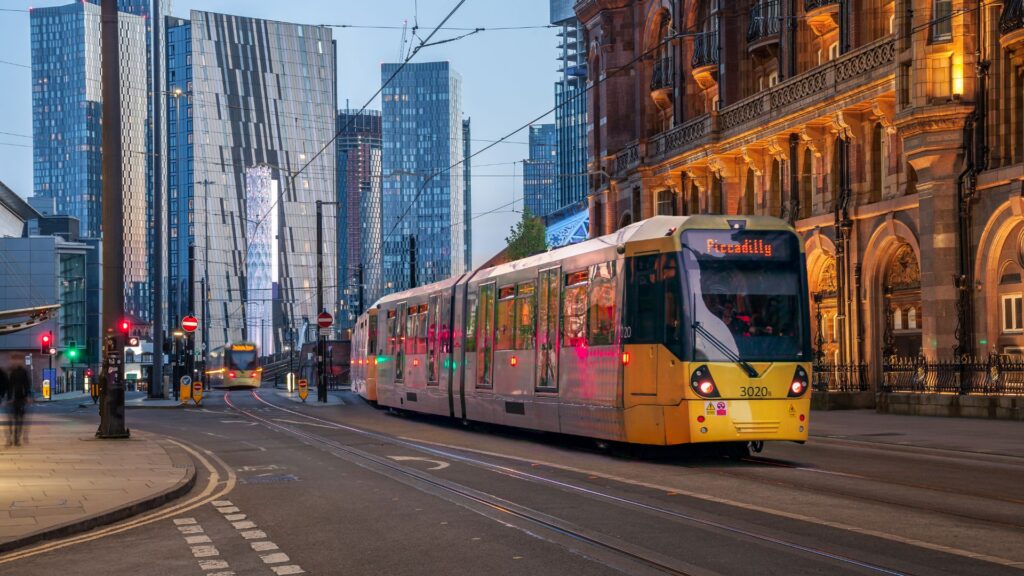
Manchester is a creative powerhouse with strong music, sports, and cultural identities. Former industrial zones now host galleries, studios, and cafés. The city blends innovation with working-class character.
Why 2026: Major investments in cycling and public spaces continue. Cultural districts like the Northern Quarter are expanding. New museums and performance venues strengthen the arts scene.
What to Do: Visit the Science and Industry Museum. Explore football landmarks like Old Trafford. Wander the Northern Quarter for street art and independent shops.
20. Bordeaux, France
Bordeaux balances wine heritage with elegant urban living. Its restored architecture and riverside promenades create a relaxed atmosphere. The city’s food and cultural scenes continue to grow.
Why 2026: Rail connections make Bordeaux more accessible than ever. New museums and galleries strengthen their cultural influence. Sustainable planning has improved public spaces.
What to Do: Visit vineyards in the surrounding countryside. Walk the waterfront and Miroir d’Eau. Explore historic districts like Saint-Pierre.
How We Selected These Cities
Our selection balanced multiple criteria beyond gut feeling:
Cultural Relevance & Authenticity: Cities preserving traditions, supporting artisans, maintaining neighborhood character.
Sustainable Infrastructure: Renewable transport, pedestrian zones, green spaces, and responsible tourism policies.
Walkability & Livability: Compact centers, pedestrian design, reliable transit, human-scale neighborhoods.
Food Scene Excellence: Markets, family restaurants, regional specialties, dining as social ritual.
Digital Nomad Viability: Internet reliability, coworking spaces, visa policies, and cost of living.
Affordability Spectrum: From expensive (Copenhagen, Oslo) to budget-friendly (Riga, Mérida, Kathmandu).
Safety & Accessibility: Political stability, infrastructure, English proficiency, and solo traveler safety.
Momentum & Investment: Cities actively improving infrastructure and embracing sustainable tourism.
Geographic Diversity: Spanning six continents, representing various cultures and experiences.
Avoiding Overtourism: Cities that can absorb visitors without compromising local quality of life.
Essential Travel Tips for 2026
Master Public Transport: Download transit apps before arrival. Buy multi-day passes immediately to save time and money.
Walk Strategically: Best discoveries happen on foot, but map days intelligently. Walk mornings and evenings when temperatures moderate.
Stay Local, Not Central: Book apartments in residential areas with good transit. Experience how locals actually live while saving money.
Avoid Peak Dining Hours: Eat lunch at 11:30 am or 2 pm, dinner at 5:30 pm or 9 pm for better service and availability.
Connectivity for Remote Workers: Get local SIM cards with data, don’t rely on café wifi for important work. Test the accommodation’s internet before booking.
Book Strategically: Top restaurants require reservations. Museums increasingly need timed tickets, pre-book to avoid disappointment.
Frequently Asked Questions
1. What are the best cities to visit in 2026?
Some of the best cities to visit in 2026 include Seville, Kochi, Copenhagen, Montréal, and Auckland, each offering a different blend of culture, food, and local character. These cities have strengthened their sustainability efforts, improved public spaces, and preserved their heritage more thoughtfully. Depending on your interests, art, food, history, or nature, each one delivers a standout travel experience.
2. Which cities are most budget-friendly for travelers?
Riga, Kathmandu, Galway, and Mérida offer some of the best value for money in 2026. These cities provide affordable accommodations, inexpensive local food, and plenty of free cultural attractions. Their walkability and efficient transit systems also help travelers cut down on overall expenses.
3. Which cities are best for digital nomads in 2026?
Mérida, Melbourne, Dubai, and Riga stand out for reliable internet, coworking spaces, and long-term stay options. These cities offer a balance of affordable living, multicultural communities, and strong infrastructure. Digital workers can easily find cafés, libraries, and neighborhoods suited for a productive, extended stay.
4. What time of year is best to visit these cities?
European cities like Salzburg, Copenhagen, and Bordeaux are best visited from May to September for comfortable weather and lively outdoor events. Warmer destinations such as Kochi or Dubai are ideal from November to February when temperatures are cooler. Checking the local festival calendar can help you plan an even more memorable visit.
5. Are these cities good options for sustainable travel?
Yes, many of the 2026 highlights, including Oslo, Copenhagen, and Bordeaux, lead global efforts in sustainable city planning. They focus on renewable energy, cycling networks, public transport, and locally sourced food. Choosing eco-certified stays and supporting local businesses can make your trip even more responsible.