The world has opened its doors again, and travelers everywhere are craving something deeper than just a vacation. We’re looking for places that make us feel alive again, destinations where you can smell the ocean in the morning, share meals with locals, get lost in small streets, or watch a sunset that reminds you why you started traveling in the first place.
2026 is a turning point in global travel. People no longer want crowded hotspots or rushed itineraries. Instead, there’s a growing hunger for meaningful experiences: slow travel, sustainable adventures, and countries that protect their culture and landscapes. Whether you’re a solo traveler seeking safety, a remote worker exploring the world’s best digital nomad destinations, or a curious explorer chasing new stories, the world is full of places ready to inspire you.
This guide highlights the countries making waves in 2026, places that combine beauty, culture, value, and heart. These are destinations that stay with you long after you return home.
Top Countries to Visit in 2026
1. Paraguay
Why it’s trending: Named a breakout destination, Paraguay offers authentic South American experiences without the crowds overwhelming Peru or Argentina.
Top experiences: Explore Jesuit Missions of La Santísima Trinidad, cruise the Paraguay River through Pantanal wetlands, and discover Asunción’s emerging food scene blending Guaraní traditions with European influences.
Travel tip: Spanish and Guaraní are both official languages. Visit May through September for mild temperatures and wildlife watching. Extremely affordable with visa-free entry for most nationalities up to 90 days.
2. Ireland
Why it’s trending: Ireland continues building its reputation as a literary powerhouse while developing sustainable tourism initiatives across the Wild Atlantic Way.
Top experiences: Walk the Cliffs of Moher at sunrise, explore Dublin’s literary pub crawl, cycle the Great Western Greenway, and attend traditional music sessions in Doolin, where local musicians gather nightly.
Best cities: Dublin balances historic charm with tech-hub modernity. Cork has emerged as a culinary capital. Galway offers bohemian vibes and serves as a gateway to the Aran Islands.
Travel tip: Book accommodations ahead for summer. Consider shoulder seasons (April-May or September-October) for fewer crowds and dramatic coastal weather. Many B&Bs now operate on renewable energy.
3. Chile
Why it’s trending: From the Atacama Desert to Patagonian glaciers, Chile’s extreme geography creates unmatched diversity. As one of South America’s most diverse and dramatic countries, Chile continues to attract travelers seeking landscapes found nowhere else. Recent infrastructure improvements have also made remote regions more accessible.
Top experiences: Trek the W Circuit in Torres del Paine, stargaze in the Atacama (world’s clearest skies), explore Pablo Neruda’s homes, and sample wines in Colchagua Valley.
Best cities: Santiago has transformed into a cosmopolitan hub with Andean views. Valparaíso’s hillsides explode with street art. Punta Arenas serves as a gateway to Antarctic expeditions.
Travel tip: Chile stretches 4,300 kilometers—internal flights save time. Visit December through March for Patagonia. Chile ranks among South America’s safest countries.
4. Sri Lanka
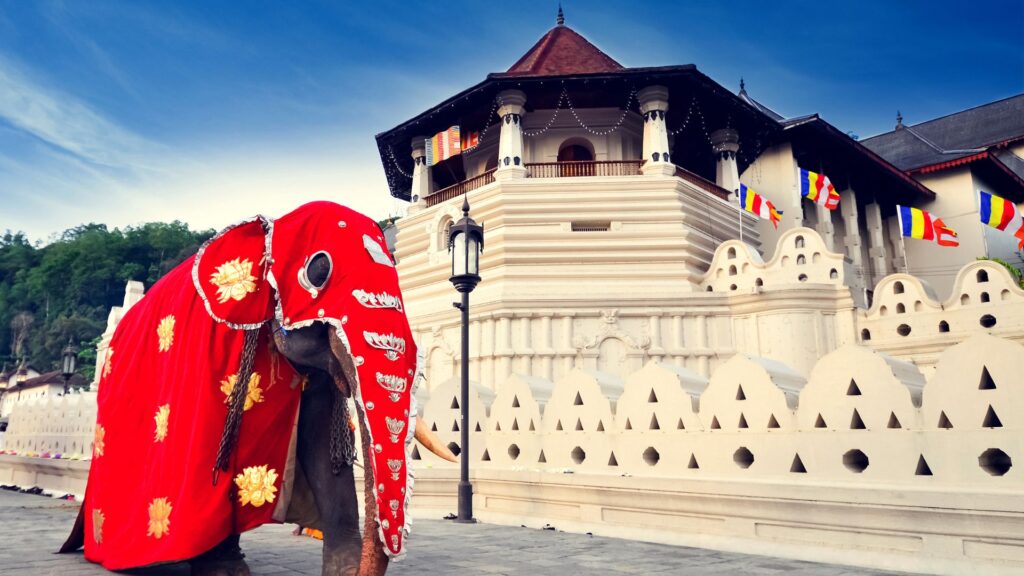
Why it’s trending: After navigating challenges, Sri Lanka offers exceptional value, pristine beaches, ancient sites, and wildlife experiences rivaling East Africa at a fraction of the cost.
Top experiences: Ride the scenic train through tea plantations from Kandy to Ella, climb Sigiriya Rock Fortress at dawn, spot leopards in Yala National Park, and explore colonial Galle Fort.
Best cities: Colombo blends historic neighborhoods with contemporary galleries. Kandy maintains spiritual significance as home to the Temple of the Tooth. Galle’s fort area preserves Dutch colonial heritage.
Travel tip: Visit during Esala Perahera (July-August) in Kandy for one of Asia’s most spectacular Buddhist festivals. December through March suits the west and south coasts.
5. Norway
Why it’s trending: Norway leads global sustainable tourism efforts while offering some of Earth’s most dramatic landscapes. The country has invested heavily in electric transportation and eco-certified accommodations.
Top experiences: Cruise Geirangerfjord’s emerald waters, hike to Trolltunga or Preikestolen, chase Northern Lights in Tromsø, and cycle through Lofoten Islands’ fishing villages.
Sustainability angle: Norway pioneered sustainable fjord cruising with electric ships. Many hotels operate carbon-neutral, and extensive public transportation reduces driving needs.
Travel tip: High costs require budget planning—self-catering and grocery shopping reduce expenses significantly. Visit May through September for hiking; November through March for Northern Lights.
6. Canada
Why it’s trending: Canada balances cosmopolitan cities with vast wilderness, indigenous cultural experiences, and world-class culinary scenes.
Top experiences: Drive the Icefields Parkway between Banff and Jasper, kayak among orcas off Vancouver Island, explore Québec City’s European charm, and visit Churchill for polar bears.
Best cities: Vancouver offers urban sophistication with mountain and ocean access. Montréal pulses with festivals and francophone culture. Toronto showcases global diversity.
Travel tip: Canada’s size requires realistic planning—focus on one or two regions per trip. Book popular national park accommodations months ahead. Visit June through September for most regions.
7. Nepal
Why it’s trending: Beyond Everest, Nepal has developed diverse trekking routes and community-based tourism initiatives that distribute benefits to remote villages.
Top experiences: Trek to Everest Base Camp or Annapurna Circuit, explore Kathmandu’s ancient Durbar Squares, raft the Trishuli River, and spot rhinos in Chitwan National Park.
Best cities: Kathmandu overwhelms the senses with temples and mountain views. Pokhara serves as a relaxed base for Annapurna treks. Bhaktapur preserves medieval architecture.
Travel tip: Hire guides and porters through reputable agencies—your spending directly supports mountain communities. Visit October through November for clear views; March through April brings rhododendron blooms.
8. Morocco
Why it’s trending: Morocco’s blend of Arab, Berber, and French influences creates intoxicating cultural richness. Recent tourism investments have improved infrastructure while preserving authentic medina experiences.
Top experiences: Navigate Marrakech’s Jemaa el-Fnaa square, trek the High Atlas Mountains, camp under Sahara stars in Erg Chebbi, explore blue-painted Chefchaouen, and learn traditional cooking.
Best cities: Marrakech dazzles with souks and palaces. Fes preserves the world’s largest car-free urban area. Essaouira offers coastal relaxation.
Travel tip: Engage guides to navigate medinas—their knowledge adds significant value. Respect conservative dress norms. Visit March through May or September through November to avoid extreme heat.
9. Portugal
Why it’s trending: Portugal delivers Mediterranean appeal without the crowds or costs of Spain, Italy, or France. The country has embraced sustainable tourism while developing surf, wine, and cultural offerings.
Top experiences: Ride Lisbon’s tram 28, surf at Peniche or Nazaré (record-breaking waves), taste port wine in Vila Nova de Gaia, explore Sintra’s palaces, and hike Rota Vicentina coastal trails.
Best cities: Lisbon captivates with hills, tile-covered buildings, and melancholic fado music. Porto charms with riverfront and wine lodges. Lagos offers Algarve beaches.
Digital nomad appeal: Portugal’s D7 visa and favorable tax treatment have made Lisbon and Porto hubs for remote workers seeking European bases.
10. Finland
Why it’s trending: Finland consistently ranks among the world’s happiest countries. The combination of pristine nature, design excellence, and unique cultural practices like sauna rituals creates memorable experiences.
Top experiences: Sleep in glass igloos under Northern Lights in Lapland, experience authentic sauna culture, meet Santa Claus in Rovaniemi, and explore Helsinki’s design district.
Best cities: Helsinki balances minimalist design with Art Nouveau architecture. Turku offers archipelago access. Rovaniemi serves as Lapland’s capital.
Travel tip: Summer’s midnight sun (June-July) brings higher prices. Consider May or September for better value. Visit December through March for winter activities and Northern Lights.
11. Singapore
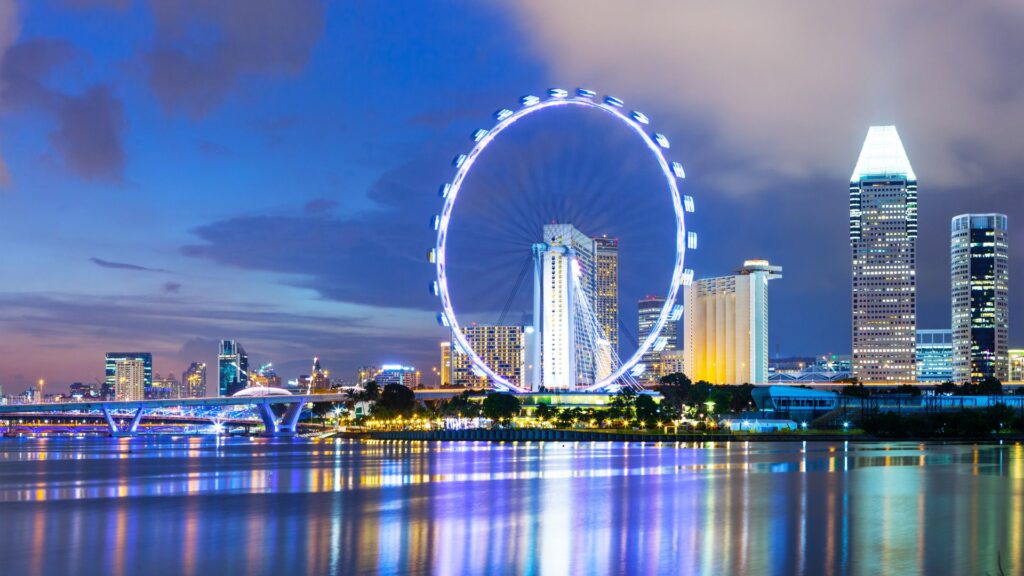
Why it’s trending: Singapore has evolved into a culinary powerhouse and sustainable urban model. The city-state’s “City in a Garden” vision creates unexpected nature experiences amid skyscrapers.
Top experiences: Explore Gardens by the Bay’s futuristic Supertrees, eat your way through hawker centers, visit Jewel Changi Airport, and experience Peranakan culture in colorful shophouses.
Travel tip: Strict laws extend to chewing gum and jaywalking. Hawker centers offer exceptional food at budget prices. Visit from February through April to avoid monsoon rains. One of Asia’s safest cities.
12. Malta
Why it’s trending: This Mediterranean archipelago packs remarkable experiences—prehistoric temples older than Stonehenge, baroque cities, crystalline diving sites, and a bilingual population.
Top experiences: Explore Valletta’s fortress walls and Caravaggio paintings, dive the Blue Hole in Gozo, discover prehistoric Ħaġar Qim temples, and walk Mdina’s medieval streets.
Travel tip: Malta’s compact size allows day trips to the outer islands. Visit April through June or September through October for swimming without oppressive heat. Malta’s Nomad Residence Permit attracts remote workers.
13. Kazakhstan
Why it’s trending: Central Asia’s sleeping giant offers Silk Road history, dramatic landscapes, and cultural experiences far from typical tourist trails with visa-free policies.
Top experiences: Marvel at Charyn Canyon’s rock formations, explore Almaty’s mountain-backed setting and Soviet architecture, visit futuristic Nur-Sultan, and stay in yurts with nomadic families.
Travel tip: Limited English outside major cities makes translation apps essential. Visit May through September for mountain trekking. Visa-free entry for many nationalities up to 30 days.
14. Netherlands
Why it’s trending: Beyond Amsterdam’s canals, the Netherlands exemplifies sustainable urban design and cycling culture. Recent campaigns promote regional exploration.
Top experiences: Cycle through tulip fields in Keukenhof, explore Amsterdam’s canal ring and Rijksmuseum, visit windmills at Kinderdijk, and discover Utrecht’s hidden canals.
Best cities: Amsterdam balances history with modernity. Rotterdam impresses with its architecture. The Hague combines royal heritage with beach access.
Travel tip: Reserve Anne Frank House tickets months ahead. Bicycles are the best way to experience Dutch cities. Visit April-May for the tulip season.
15. Poland
Why it’s trending: Poland combines poignant history with vibrant contemporary culture and exceptional value. The country has emerged as a culinary destination.
Top experiences: Walk Kraków’s medieval market square, explore Wieliczka Salt Mine, discover Gdańsk’s Baltic charm, hike in the Tatra Mountains, and sample regional pierogi varieties.
Best cities: Kraków enchants with its preserved Old Town. Warsaw blends reconstructed historic districts with communist-era architecture. Wrocław surprises with an island cathedral and gnome sculptures.
Travel tip: Poland’s affordability extends to high-quality restaurants and hotels. Visit May through September for pleasant weather; December for magical Christmas markets.
16. Dominica
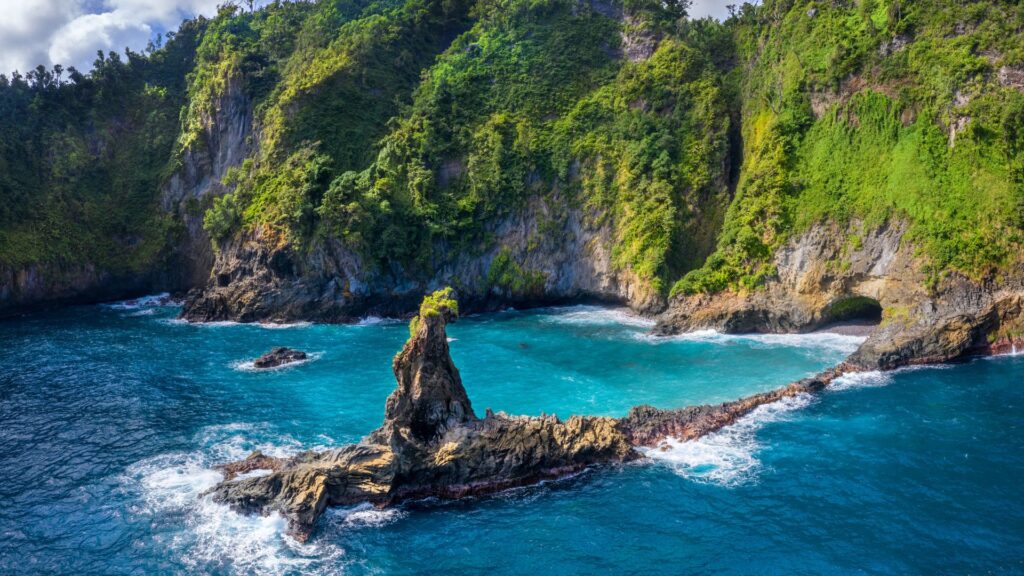
Why it’s trending: Dominica earned recognition as the Caribbean’s Nature Island through its commitment to and preservation of rainforests and marine environments.
Top experiences: Hike to Boiling Lake (world’s second-largest hot spring), snorkel Champagne Reef’s underwater bubbles, explore Morne Trois Pitons National Park, and swim in Emerald Pool.
Sustainability angle: Dominica aims to become the world’s first climate-resilient nation. Community tourism ensures local benefits from visitor spending.
Travel tip: Expect rugged trails and basic infrastructure in exchange for authentic experiences. Visit December through April to avoid hurricane season.
17. Zimbabwe
Why it’s trending: Improvements have made Zimbabwe increasingly accessible while maintaining incredible wildlife experiences and natural wonders at more affordable prices than overcrowded alternatives.
Top experiences: Witness Victoria Falls from multiple viewpoints, canoe the Zambezi River past hippos and elephants, track rhinos on foot in Matobo National Park, and enjoy walking safaris in Mana Pools.
Travel tip: Zimbabwe accepts US dollars—bring clean, newer bills. Visit May through October for wildlife viewing as animals concentrate around water sources. Book reputable safari operators.
18. Uganda
Why it’s trending: Uganda delivers Africa’s most accessible gorilla trekking alongside diverse landscapes from volcanic mountains to Nile River adventures.
Top experiences: Trek to see mountain gorillas in Bwindi Impenetrable Forest, raft the Nile in Jinja, track chimpanzees in Kibale Forest, and spot tree-climbing lions in Queen Elizabeth National Park.
Sustainability angle: Gorilla tourism revenue directly funds anti-poaching efforts and provides income to communities near national parks.
Travel tip: Gorilla permits cost $700—book months ahead as daily numbers are limited. Yellow fever vaccination required. Visit June through September or December through February.
At-a-Glance: Destination Comparison
| Destination | Best For | Budget Level | Best Season | Unique Appeal |
| Paraguay | Off-the-beaten-path | $ | May–Sep | Emerging destination, authentic culture |
| Ireland | Culture & nature | $$$ | Apr–Oct | Literary heritage, dramatic coastlines |
| Chile | Adventure seekers | $$ | Dec–Mar | Extreme landscapes, world-class wine |
| Sri Lanka | Value & diversity | $ | Year-round | Beaches, wildlife, and ancient temples |
| Norway | Sustainable luxury | $$$$ | May–Sep | Fjords, Northern Lights, and eco-tourism |
| Canada | Wilderness & cities | $$$ | Jun–Sep | National parks, multicultural cities |
| Nepal | Trekkers | $ | Oct–Nov | Himalayan peaks, spiritual experiences |
| Morocco | Cultural immersion | $$ | Mar–May | Souks, Sahara, vibrant medinas |
| Portugal | Digital nomads | $$ | Apr–Oct | Surf, wine, affordable European base |
| Singapore | Urban sophistication | $$$ | Feb–Apr | Culinary capital, futuristic gardens |
| Uganda | Wildlife enthusiasts | $$ | Jun–Sep | Gorilla trekking, adventure safaris |
| Poland | History & value | $ | May–Sep | Medieval towns, emerging food scene |
Budget levels: $ (under $50/day) | $$ ($50-100/day) | $$$ ($100-200/day) | $$$$ ($200+/day)
How We Selected These Destinations
Our methodology balances quantitative data with qualitative assessment to identify the countries that truly stand out. We analyzed global tourism trends, safety indices, environmental policies, infrastructure development, and cultural significance across multiple countries. We then prioritized countries demonstrating strong commitments to sustainable practices, equitable tourism distribution, and authentic cultural preservation.
Special weight was given to countries investing in community-based tourism, where visitor spending directly benefits local populations. We also evaluated countries showing significant year-over-year interest increases, those recovering thoughtfully from past challenges, and emerging countries opening new regions to responsible tourism. These are the countries shaping the future of meaningful travel.
Best Travel Tips for 2026
Book strategically: Popular destinations require bookings months in advance. However, last-minute deals exist for flexible travelers during shoulder seasons.
Embrace slow travel: Spending more time in fewer places creates richer experiences while reducing carbon footprints.
Travel insurance is essential: Comprehensive coverage, including medical evacuation and trip cancellation, provides crucial protection.
Pack light and smart: Well-planned carry-ons save money and stress. Packing cubes maximize space.
Support local economies: Choose locally-owned guesthouses, eat at family-run restaurants, and purchase crafts directly from artisans.
Sustainable Travel Recommendations
Choose rail over air when practical: Train travel offers scenic journeys with significantly lower carbon emissions.
Carry reusable items: Water bottles, coffee cups, and shopping bags reduce single-use plastic waste.
Seek certified accommodations: Look for hotels with sustainability certifications like Green Key or EarthCheck.
Respect wildlife viewing guidelines: Maintain proper distances, never feed animals, and choose ethical operators. Avoid exploitative experiences like elephant rides.
Eat and shop locally: Regional products support local economies while reducing transportation emissions.
Safety & Visa Considerations
Research visa requirements early: Processing times vary dramatically. Check passport validity requirements—many countries require six months’ validity beyond your stay.
Understand local laws: What’s legal at home may carry severe penalties elsewhere. Research drug laws, alcohol regulations, and cultural taboos.
Health preparations: Required vaccinations vary by destination. Schedule appointments weeks ahead, as some vaccines require multiple doses.
Travel insurance coverage: Verify your policy covers planned activities. Standard policies often exclude adventure sports.
Financial security: Notify banks of travel plans. Carry multiple payment methods. Keep emergency cash in secure locations.
Frequently Asked Questions
What is the cheapest country to visit in 2026?
Paraguay, Nepal, and parts of Eastern Europe provide affordable experiences with daily budgets under $40 for accommodation, meals, and local transportation.
Which countries are best for solo female travelers?
Ireland, Finland, Canada, Singapore, and Portugal offer excellent infrastructure, low crime rates, and welcoming atmospheres for women traveling alone.
What are the most sustainable destinations?
Norway, Finland, and Dominica lead global sustainability efforts with comprehensive policies protecting natural environments while developing low-impact tourism.
Do I need travel insurance?
Yes. Comprehensive travel insurance protects against medical emergencies, trip cancellations, lost luggage, and evacuation costs. Policies typically cost 4-8% of the total trip cost.
Which countries offer digital nomad visas?
Portugal, Malta, and over 40 other countries now offer specific digital nomad visas. Requirements typically include proof of income and health insurance.
How do I avoid over-tourism?
Visit popular destinations during shoulder seasons, explore secondary cities, book small group tours, stay in locally-owned accommodations, and research emerging alternatives.
The world awaits with unprecedented diversity of experiences. Whether you’re drawn to Patagonian glaciers or Moroccan medinas, Finnish forests or Sri Lankan temples, 2026 invites travelers to discover countries that inspire, heal, and transform. This is the year to explore countries that champion sustainability, celebrate culture, and welcome visitors with genuine warmth. And as journeys become more intentional, even simple essentials like the right travel gadgets can enhance how you experience these remarkable places. From well-loved favorites to emerging countries opening their doors to conscious travelers, the opportunities are limitless. As more countries embrace responsible tourism, your journey becomes part of a positive global impact. Start planning your adventure; the best time to explore these remarkable countries is now.