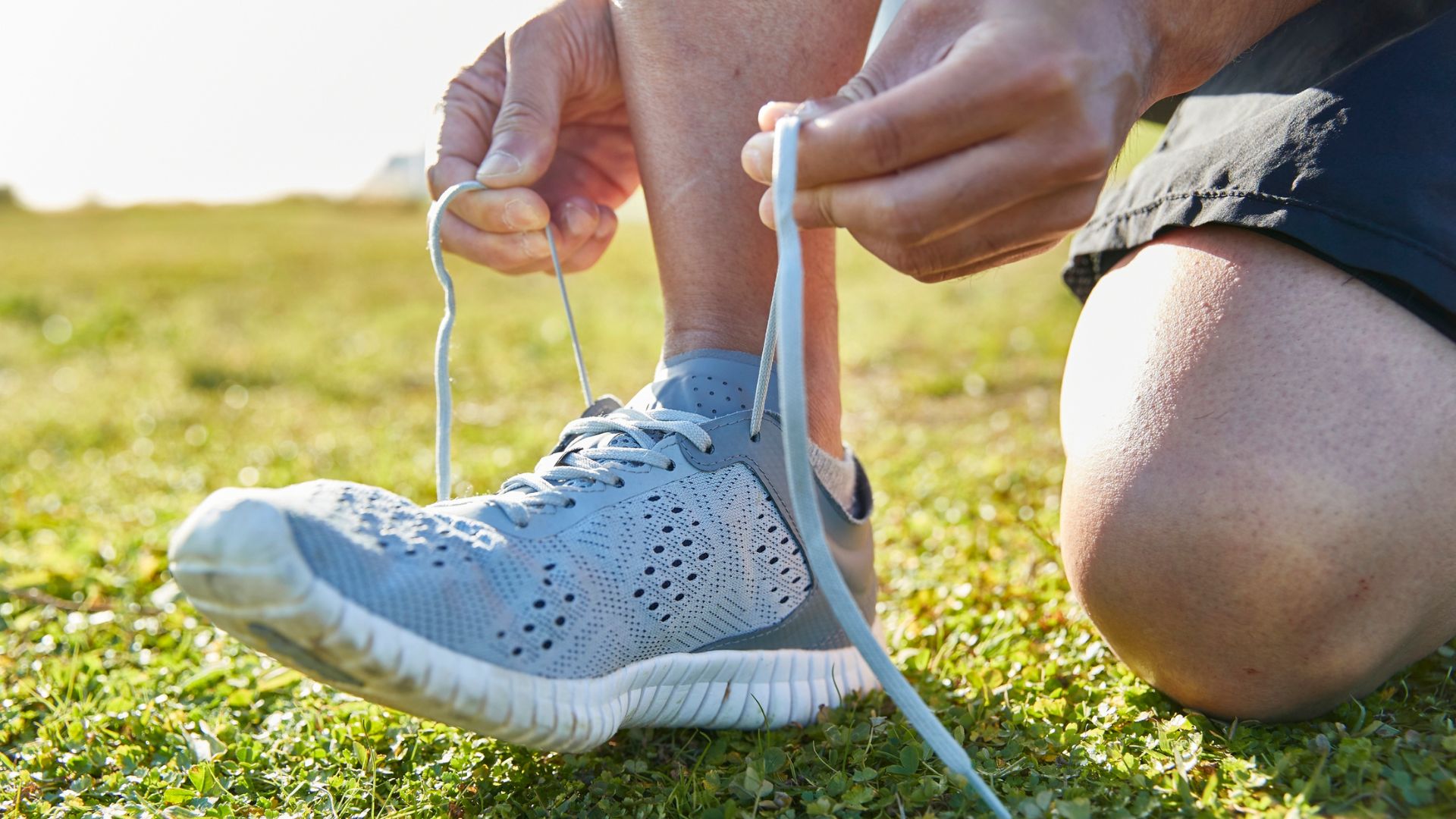
When I first decided to start running, I made the mistake of thinking any athletic shoe would work. After two weeks of shin pain and blisters that made me wince every time I put on socks, I learned that the right shoe actually matters. A lot.
Finding the best running shoes for beginners in 2026 doesn’t mean you need to spend a fortune or understand complex biomechanics. It means finding something comfortable enough that you’ll actually want to lace up for your next run, supportive enough to protect your joints as you build strength, and durable enough to last through those early months when you’re figuring out if running is your thing.
Let’s break down what actually works for new runners, based on real experience and what you’ll encounter on those first uncomfortable (but eventually rewarding) miles.
What Makes a Good Beginner Running Shoe Different?
Beginner-friendly running shoes in 2026 prioritize forgiveness over speed. Your running form isn’t perfect yet—mine definitely wasn’t—and your legs are still adapting to the impact. You need shoes that can handle a bit of awkwardness while your body learns the movement patterns.
The key differences you’ll notice:
More cushioning: Your legs haven’t built up the strength and adaptation that experienced runners have. Extra padding absorbs impact and reduces stress on your joints during those early runs when everything feels harder than it should.
Stability features: Many beginners naturally pronate (roll inward) or supinate (roll outward) more than they realize. Shoes with gentle guidance help keep your foot aligned without forcing an unnatural gait.
Forgiving fit: Your feet might swell during runs, especially as you’re building endurance. Beginner shoes typically have roomier toe boxes and more flexible uppers that accommodate this.
Durability: When you’re establishing a routine, the last thing you need is shoes wearing out after 150 miles. Good beginner options are built to last 300-500 miles, giving you time to commit before reinvesting.
I remember the relief I felt when I finally tried on shoes designed for beginners. My feet didn’t feel squeezed, each step felt softer, and I stopped dreading the run itself.
Understanding Your Foot Type and Running Style
Before we get into specific shoes, you need to know a bit about your feet. Don’t worry—this isn’t complicated.
Neutral feet: Your foot rolls inward slightly (about 15%) when you land. This is normal and efficient. You’ll do well with neutral running shoes for beginners in 2026 that provide cushioning without corrective features.
Flat feet or overpronation: Your arch collapses more than average, and your foot rolls inward excessively. You’ll want stability running shoes for beginners with medial support to prevent that inward collapse.
High arches or supination: Your foot doesn’t roll inward enough, putting more stress on the outer edge. Look for cushioned shoes with flexibility to encourage natural motion.
The wet foot test works surprisingly well. Step out of the shower onto a dark towel or piece of paper. If you see your whole footprint, you likely have flat feet. If you only see your heel and ball with almost nothing in the middle, you have high arches.
Top Features to Look for in 2026 Beginner Running Shoes
The running shoe market has evolved significantly, and 2026 models reflect some genuinely helpful innovations for new runners.
Cushioning Technology
Foam technology has improved dramatically. Modern beginner running shoes with good cushioning use materials that compress under impact but spring back quickly, giving you protection without making you feel like you’re running in marshmallows.
You’ll see terms like “DNA Loft,” “React foam,” or “Fresh Foam.” Don’t get too caught up in marketing names. What matters is how it feels during an actual run—soft enough for comfort but responsive enough that you’re not working harder than necessary.
Breathable Materials
Breathable running shoes for beginners prevent that swampy feeling inside your shoes. Mesh uppers with strategic ventilation keep air moving, which matters more than you’d think on a humid summer morning or during an indoor treadmill session.
I once ran in shoes with poor ventilation, and by mile three, my feet felt like they were in a sauna. The discomfort distracted me from everything else. Good airflow is non-negotiable.
Weight Considerations
Lightweight running shoes for beginners typically weigh 9-11 ounces for men’s shoes and 7-9 ounces for women’s. You’re not training for the Olympics, so ultralight racing flats aren’t necessary. A bit of extra weight usually means more cushioning and protection, which benefits beginners more than shaving off a few ounces.
Heel-to-Toe Drop
This refers to the height difference between the heel and forefoot. Most beginner-friendly shoes have an 8-12mm drop, which accommodates heel striking (how most new runners land). Lower drops require stronger calves and better form, which you’ll develop over time.
Comparing Key Options for New Runners
Here’s a realistic breakdown of what you can expect from popular beginner running shoes in 2026, including approximate price ranges and key features:
| Shoe Category | Price Range | Best For | Key Features | Expected Lifespan |
| Budget-Friendly Options | $60-$90 | Casual runners testing commitment | Basic cushioning, standard support | 250-350 miles |
| Mid-Range Neutral | $110-$140 | Daily training, most beginners | Balanced cushioning, versatile | 350-450 miles |
| Stability Models | $120-$150 | Overpronators, flat feet | Medial post, guided support | 350-500 miles |
| Maximum Cushion | $140-$170 | Heavier runners, joint concerns | Thick midsoles, plush comfort | 300-400 miles |
| Wide Fit Options | $100-$150 | Wider feet, bunions | Roomy toe box, accommodating fit | 300-450 miles |
These prices reflect typical retail costs, though you can often find previous year’s models for 20-40% less once newer versions are released. The lifespan assumes running 3-4 times per week at beginner distances.
Best Budget Running Shoes for Beginners in 2026
Let’s be honest—spending $150 on shoes when you’re not sure you’ll stick with running feels excessive. Affordable running shoes for beginners have improved significantly, and you can find solid options under $100.
Budget shoes typically use simpler foam compounds and less technical uppers, but for your first few months, that’s perfectly fine. You’re building base fitness, not logging 50-mile weeks. Look for shoes that feel comfortable during a 5-10 minute test walk in the store. If they pinch, rub, or feel unstable right away, they won’t magically improve on the road.
One thing I learned the hard way: cheap and budget-friendly aren’t the same. Truly cheap shoes (under $50) from non-running brands will cause more problems than they solve. Stick with established running brands even if you’re buying their entry-level models.
Cushioning vs. Responsiveness: Finding the Balance
This is where beginners often get confused. Cushioned running shoes for beginners sound perfect—who doesn’t want soft, comfortable steps? But too much cushion can make your feet work harder to stabilize, and you might feel disconnected from the ground.
The sweet spot for most new runners is moderate cushioning with some responsiveness. You want protection from impact without feeling like you’re running on a waterbed. When you try on shoes, do a few quick jogging steps if the store allows. Your foot should feel supported but not sluggish.
I once tried maximum cushion shoes, thinking more was better. They felt amazing standing still, but after a mile of running, my legs felt exhausted because they were constantly adjusting to the soft, unstable platform. Lesson learned.
Best Running Shoes for Beginners with Specific Needs
Running Shoes for Beginners with Knee Pain
Knee pain is common for new runners, often caused by weak supporting muscles or impact stress. Look for shoes with ample cushioning in the heel and midfoot, plus a slightly higher heel-to-toe drop (10-12mm) that reduces stress on the knees.
Stability features can also help if your knee pain stems from your foot rolling inward excessively. The extra support prevents that collapse, which can translate to knee strain over time.
Running Shoes for Overweight Beginners in 2026
If you’re carrying extra weight, you need shoes that can handle increased impact forces without breaking down quickly. Maximum cushion models with reinforced midsoles work well here. Don’t feel self-conscious about this—many runners start in this category and work their way toward lighter shoes as they shed weight and build strength.
The biggest mistake is choosing minimal shoes, thinking they’ll force better form. That’s backwards. You need protection now and can transition to less supportive shoes later if desired.
Wide Fit Running Shoes for Beginners in 2026
Standard-width shoes squeeze your toes together, which can cause blisters, black toenails, and general misery. Wide options give your toes room to spread naturally during the push-off phase. Most major brands now offer wide (D for women, 2E for men) and extra-wide (2E for women, 4E for men) versions.
Your feet shouldn’t feel constricted anywhere. If you’re constantly aware of your pinky toe or the sides of your feet, you need a wider shoe.
Best Beginner Running Shoes for Treadmill Use
Treadmill running is actually slightly different from outdoor running—the belt assists your stride, and there’s more repetitive impact on the same foot location. Shoes with even, consistent cushioning throughout the midsole work best. You don’t need as much traction since you’re on a smooth surface, so prioritize comfort over grip.
Common Mistakes Beginners Make When Buying Running Shoes
Choosing based on looks alone: I get it—some running shoes look sleek and stylish while others look chunky. But those bulkier shoes often provide the cushioning and support beginners need. Your Instagram photos matter less than your knees feeling okay after a run.
Buying shoes that are too small: You need about a thumb’s width of space between your longest toe and the shoe’s end. Your feet swell during runs, and too-tight shoes cause black toenails and blisters. Size up if you’re between sizes.
Ignoring your actual running surface: If you run mostly on trails, you need trail-specific shoes with grip and protection. Road running shoes on technical trails can be slippery and unstable.
Replacing shoes too late: Even if your shoes look fine externally, the midsole foam compresses over time. After 300-400 miles, your shoes lose cushioning effectiveness even if the outsole looks decent. Track your mileage—there are free apps for this.
Buying shoes without trying them on: Online shopping is convenient, but fit varies significantly between brands and models. If you must buy online, order from retailers with free returns, and try shoes on at home with the socks you’ll actually run in.
Assuming expensive means better: The most expensive shoe isn’t automatically the best for you. A $180 carbon-plated racing shoe will feel terrible for a beginner compared to a $120 trainer designed for your needs.
How Long Should Beginner Running Shoes Last?
Long-lasting running shoes for beginners typically survive 300-500 miles depending on your weight, running form, and surfaces. If you’re running 10 miles per week, that’s about 7-12 months. Heavier runners or those with inefficient form will be on the shorter end of that range.
Signs your shoes are done:
- The midsole feels flat or hard
- You notice new aches or pains during runs
- The outsole shows significant wear patterns
- The upper material is separating from the sole
- They feel noticeably less cushioned than when new
Don’t wait until your shoes are falling apart. The cushioning degrades before visible damage appears, and running in dead shoes increases injury risk.
Breaking In Your First Running Shoes
Good news—modern running shoes require minimal break-in. They should feel comfortable immediately, though you might notice slight adjustments during the first few runs as materials conform to your foot shape.
Start with shorter runs in new shoes. Don’t debut them on your longest run of the week. Walk around your house in them for 20-30 minutes before the first run to identify any hot spots or pressure points. If something feels wrong early, it will only get worse during a run.
I’ve learned to buy new shoes when my current pair hits about 200 miles, then rotate them in gradually. This gives me time to adapt and ensures I’m never stuck if the new shoes don’t work out.
Getting the Right Fit: What to Actually Look For
When you’re trying on the best starter running shoes for jogging, pay attention to these specific areas:
Heel counter: Your heel should feel locked in place without slipping. A little movement is normal, but if your heel is sliding up and down with each step, the shoe is too big or the wrong shape for your foot.
Midfoot: The shoe should hug your arch and midfoot comfortably without pressure points. You shouldn’t feel like you need to crank the laces tight to keep the shoe on.
Toe box: Wiggle your toes. They should move freely without touching the front of the shoe. Remember that thumb’s width of space.
Arch area: Whether you need arch support depends on your foot type, but the shoe shouldn’t create painful pressure on your arch or feel completely flat if you have higher arches.
Try shoes on in the afternoon or evening when your feet are slightly swollen—closer to how they’ll feel during runs. Wear your actual running socks, not the thin dress socks you wore to the store.
Should You Get Custom Insoles or Orthotics?
Most beginners don’t need custom insoles right away. Give yourself at least 6-8 weeks of consistent running to see how your body adapts. Many early aches and pains resolve as your muscles strengthen and your form improves.
If you have diagnosed foot issues, previous injuries, or persistent pain despite proper shoes, then consider visiting a podiatrist. Custom orthotics typically cost $200-500 and need to be fitted properly.
Over-the-counter insoles can help with specific issues like arch support or cushioning preferences, and they’re worth trying if you find a shoe that fits well but needs minor adjustments. Just remember that adding insoles changes the volume inside the shoe—you might need to go up a half size.
Caring for Your Running Shoes to Maximize Life
Your shoes will last longer with basic care. Remove insoles after wet runs and stuff the shoes with newspaper to absorb moisture. Let them air dry at room temperature; never put them in the dryer or leave them in direct sunlight, which breaks down foam and adhesives. And if you plan to start gym in 2026, keeping your running shoes in good condition will help you transition between cardio sessions and indoor workouts more efficiently.
Alternate between two pairs if possible. Midsole foam needs about 24 hours to fully decompress after a run. Using two pairs extends the life of both compared to running the same pair every day.
Clean them occasionally with mild soap and a soft brush. Dirt and mud can work into the materials and cause premature wear. Hand wash and air dry—simple and effective.
When to Consider Upgrading Beyond Beginner Shoes
After several months of consistent running, you might notice your needs changing. You’re running longer distances, your pace has improved, or you’ve developed preferences for specific features. That’s when it makes sense to explore more specialized options.
Signs you’re ready to graduate from beginner shoes:
- You’re consistently running 15+ miles per week
- You’ve completed at least 300 miles in beginner shoes
- You understand your foot type and gait pattern
- You have specific goals (speed work, racing, trail running)
- Your current shoes feel too heavy or overbuilt
There’s no rush. Plenty of experienced runners stick with beginner-friendly models because they prioritize comfort and injury prevention over marginal performance gains. The best running shoes are the ones that keep you healthy and motivated to run.
FAQ
How much should I spend on my first pair of running shoes?
Plan to spend $100-140 for quality beginner running shoes in 2026. This price range gives you access to solid cushioning, durability, and support features that protect against common beginner injuries. You can find good options for $60-90 if the budget is tight, especially during sales or when buying previous year’s models. Avoid going below $50—truly cheap shoes increase injury risk and wear out quickly.
Do I need different shoes for treadmill running versus outdoor running?
Not necessarily. Most beginner running shoes work well for both surfaces. Treadmills are gentler on shoes since the moving belt assists your stride, and there’s no outdoor debris. If you run exclusively on treadmills, you might prefer shoes with slightly less aggressive tread since you don’t need outdoor traction. However, a good all-purpose beginner shoe handles both environments without issues.
How do I know if I need stability running shoes or neutral shoes?
Visit a running specialty store for a gait analysis, or try the wet foot test at home. If you have flat feet or notice your old shoes wear more on the inner edge, you likely overpronate and would benefit from stability running shoes for beginners. If your wear is even or you have high arches, neutral shoes are usually better. When in doubt, start with neutral shoes—excessive stability in a neutral runner causes more problems than lack of stability in a mild overpronator.
Can I use my running shoes for other workouts or walking?
Yes, beginner running shoes work fine for walking, gym workouts, and everyday activities. However, using them exclusively for running extends their life since each activity wears them differently. If you do multiple activities, consider having separate shoes to maximize the lifespan of your running pair. The main rule: avoid wearing running shoes for sports with lateral movement (basketball, tennis) as they’re not designed for side-to-side stress.
How often should beginners replace their running shoes?
Replace your shoes every 300-500 miles or when you notice reduced cushioning, new aches and pains, or visible midsole compression. For beginners running 10-15 miles per week, this typically means replacing shoes every 6-10 months. Track your mileage using a running app or simply mark your calendar when you start using new shoes. Don’t wait until they look completely worn out—internal cushioning degrades before external damage appears.