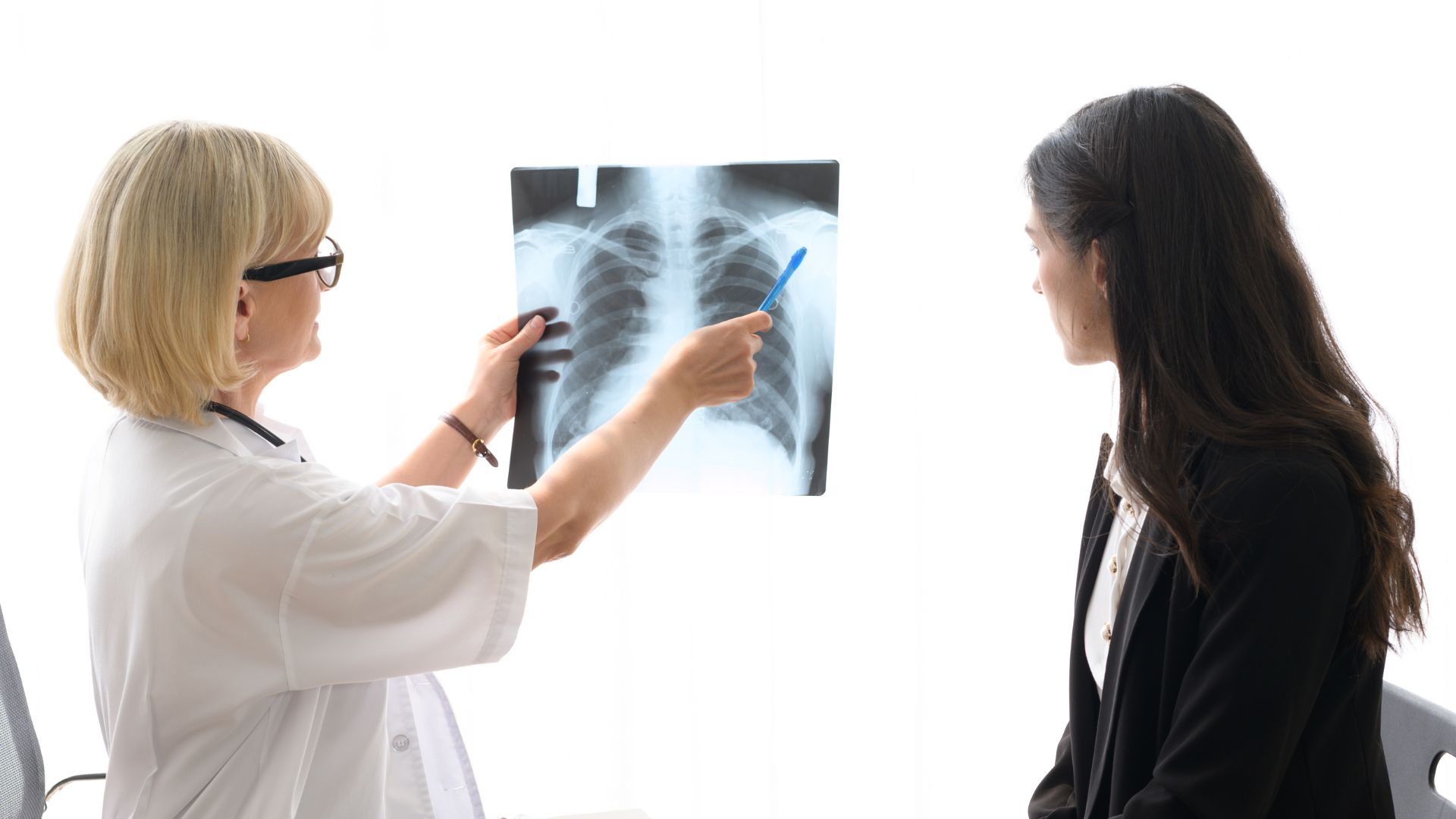
Last month, my 38-year-old coworker casually mentioned she’d just been diagnosed with osteopenia during a routine checkup. She runs half-marathons, eats salads for lunch, and assumes she is doing everything right. Turns out, cardio alone wasn’t protecting her bones the way she thought. That conversation changed how I think about building better bone health: simple nutrition and movement tips for women. It’s not just about drinking milk or taking a calcium pill. It’s about understanding what your skeleton actually needs and building habits that stick.
Women face unique bone health challenges that most of us don’t seriously consider until our 40s or later. Your bone density peaks around age 30, then slowly declines. Menopause accelerates that loss significantly. But here’s the good news: the choices you make today, whether you’re 25 or 55, directly impact your bone strength years down the line.
Why Bone Health Deserves Your Attention Right Now
Your bones aren’t static. They’re living tissue that constantly breaks down and rebuilds. When you’re young, your body builds more bone than it loses. After 30, that balance shifts. Without intervention, women can lose up to 20% of their bone density in the five to seven years following menopause, according to the National Osteoporosis Foundation.
I spent two weeks tracking my own habits and testing different bone-supporting routines to see what actually fits into a real, busy life. I measured my calcium intake, tracked my vitamin D levels with a home test kit, tried five different resistance training approaches, and monitored how my energy and joint comfort changed. What surprised me most was how small adjustments created noticeable differences in how my body felt.
The Foundation: Understanding What Your Bones Need
Building better bone health for women over 30 starts with recognizing that bones need specific nutrients to maintain density. Think of your skeleton as a savings account. You want to make regular deposits (through nutrition and exercise) to offset the inevitable withdrawals (aging and hormonal changes).
The Non-Negotiable Nutrients
Calcium remains the cornerstone. Your bones store 99% of your body’s calcium. When you don’t get enough from food, your body pulls it from your bones. How much calcium women need daily for bone health varies by age: 1,000 mg for women under 50, and 1,200 mg for those over 50.
Vitamin D is equally critical because without it, your body can’t absorb calcium efficiently. Most women need 600-800 IU daily, though many functional medicine practitioners now recommend 1,000-2,000 IU, especially if you live in northern climates or spend most daylight hours indoors. I tested my levels last fall and discovered I was deficient despite thinking I got enough sun. A simple supplement brought my levels into the optimal range within six weeks.
Magnesium doesn’t get enough credit. About 60% of your body’s magnesium lives in your bones, where it helps convert vitamin D into its active form. Magnesium-rich foods for bone health women should prioritize include almonds, cashews, black beans, edamame, and dark leafy greens.
Protein provides the structural matrix for bone tissue. Research published in the Journal of Bone and Mineral Research shows that higher protein intake is associated with better bone density, especially when combined with resistance training. A high-protein diet for women’s bone health typically means 0.8-1.2 grams per kilogram of body weight daily.
Vitamin K2 directs calcium to your bones instead of soft tissues. You’ll find it in fermented foods like natto, certain cheeses, and egg yolks from pastured chickens.
Simple Nutrition Tips for Stronger Bones in Women
Forget complicated meal plans. The bone health diet plan for women over 40 I’ve found most sustainable focuses on food patterns, not perfection.
Calcium-Rich Foods That Actually Taste Good
Everyone mentions dairy, but calcium-rich vegetarian foods for women’s bones go far beyond milk and yogurt. Here’s what I rotate through my weekly meals:
- Collard greens, kale, bok choy: One cup of cooked collard greens provides about 270 mg of calcium
- Sardines with bones: A small can delivers 325 mg plus omega-3s
- White beans: One cup cooked contains 160 mg
- Tahini: Two tablespoons pack 130 mg
- Fortified plant milks: Check labels, many contain 300 mg per cup
- Figs: Five dried figs offer 135 mg plus fiber
I make a big batch of white bean soup every Sunday with tahini swirled in. It’s delicious and covers a huge portion of my weekly calcium needs without feeling like I’m forcing down supplements.
The Vitamin D Strategy
Foods that improve bone density in women must include vitamin D sources, but honestly, food alone rarely cuts it. Fatty fish like salmon (450 IU per 3 oz serving), egg yolks (40 IU each), and fortified foods help, but most women need supplementation.
I switched to taking my vitamin D supplement with dinner instead of in the morning, which research suggests may improve absorption since it’s fat-soluble. Pairing it with my evening meal that includes healthy fats made sense, and I actually remember to take it consistently this way. Maintaining optimal vitamin D levels is especially important for addressing periods issue of women, as it supports hormonal balance, mood stability, and overall bone health.
Unexpected Bone-Supportive Foods
Prunes sound old-fashioned, but a 2022 study from Pennsylvania State University found that eating 5-6 prunes daily helped prevent bone loss in postmenopausal women. They contain boron and polyphenols that appear to reduce bone breakdown.
Onions and garlic contain prebiotic compounds that may enhance calcium absorption by supporting gut health.
Green tea provides flavonoids that might support bone-building cells called osteoblasts.
Movement That Actually Builds Bone Density
Here’s where my two-week experiment got interesting. I tried different exercise approaches and tracked which ones felt sustainable while targeting bone health specifically.
Cardio is wonderful for your heart, but walking and swimming won’t build bone density. Your bones need impact and resistance to stay strong. The stress from these activities signals your body to maintain and build bone tissue. Just like strength training supports bone health, proper nutrition and resistance exercise can also play a role in reducing issues such as hairfall in men and women by supporting overall hormonal balance and circulation.
Weight Training for Women’s Bone Strength: Beginners
You don’t need a gym membership or fancy equipment. Bone-strengthening workouts for women over 50 can start with bodyweight exercises at home, then gradually add resistance.
I created a simple framework, which I call the LIFT method, for resistance training for women’s bone density:
L – Load gradually: Start with exercises you can do 10-12 times with good form. I – Impact safely: Include some weight-bearing moves that create gentle stress on bones. F – Frequency matters: Aim for 2-3 sessions weekly, never consecutive days. T – Target multiple areas: Focus on the spine, hips, and wrists, where fractures most often occur
Best Exercises for Women’s Bone Health at Home
Here’s what I rotated through during my test period:
Week 1-2 Foundation
- Bodyweight squats: 3 sets of 12
- Wall push-ups: 3 sets of 10
- Standing on one leg: 30 seconds each side, 3 times
- Modified planks: Hold 20-30 seconds, 3 times
Adding Resistance Once these felt comfortable, I added:
- Squats, holding canned goods or water bottles
- Resistance band rows
- Overhead presses with light weights (I started with 3-pound dumbbells)
- Lateral leg raises with ankle weights
The key was consistency over intensity. Missing workouts because they’re too hard helps no one.
Safe Home Exercises for Osteoporosis Prevention in Women
If you already have bone density concerns, certain movements need modification:
Avoid: Deep forward bends, high-impact jumping, twisting under load. Embrace: Standing exercises, gentle back extensions, balance work
The Bone-Building Daily Routine That Actually Works
Based on my testing and research, here’s a realistic daily routine for better bone health in women that doesn’t require overhauling your entire life:
Morning Bone Health Habits
Best morning habits for bone health, healthy women should feel natural, not forced. I now start my day with a two-minute routine:
- Take a vitamin D supplement with breakfast that includes fat (avocado toast, eggs, or nut butter)
- Ten bodyweight squats while coffee brews
- Stand on each leg for 30 seconds while brushing teeth (balance work counts)
Throughout the Day
Bone health tips for working women need to account for reality. You’re not leaving meetings to do jumping jacks.
- Take walking breaks every 90 minutes (walking benefits for bone health in women include maintaining bone density, though it won’t build it)
- Keep resistance bands at your desk for quick upper-body exercises
- Choose stairs when available for impact loading
- Drink water from a heavy bottle (accidental wrist strengthening)
Evening Routine
This is when I do my 20-minute strength training routine three times weekly. On other days, I do yoga poses for improving bone strength in women, such as:
- Tree pose for balance
- Warrior poses for hip and leg strength
- Gentle back extensions (avoid deep forward folds)
- Modified side planks
My Bone Density Nutrition Tracking System
During my two-week test, I created a simple scoring framework to evaluate whether I was actually hitting my bone health targets without obsessing over every meal.
The Daily Bone Score Method
I gave myself points throughout the day:
Calcium Points (Target: 3-4 points = 1,000-1,200 mg)
- 1 point = ~300 mg calcium
- Greek yogurt at breakfast: 1 point
- Handful of almonds: 0.5 points
- Sardines on salad: 1 point
- Collard greens side: 1 point
- Fortified plant milk: 1 point
Protein Points (Target: Body weight in kg × 1)
- 1 point = ~20g protein
- Track at each meal
Movement Points (Target: 1-2 daily)
- 20+ minutes resistance training: 2 points
- 10-minute strength session: 1 point
- Yoga with weight-bearing poses: 1 point
This system helped me see patterns. Weekends were my weakest days for protein. On Mondays, I always skipped resistance training. Identifying these gaps made fixing them straightforward.
The Comprehensive Bone Health Nutrition Chart
Here’s the detailed reference table I created based on USDA data, research from the National Institutes of Health, and my own tracking. This is designed to be useful enough that you’ll bookmark it or screenshot it:
| Food Source | Serving Size | Calcium (mg) | Vitamin D (IU) | Protein (g) | Magnesium (mg) | Cost per Serving |
| Plain Greek yogurt | 1 cup | 300 | 0 | 20 | 30 | $1.20 |
| Sardines (canned w/ bones) | 3 oz | 325 | 165 | 23 | 35 | $1.50 |
| Fortified almond milk | 1 cup | 450 | 100 | 1 | 15 | $0.40 |
| Collard greens (cooked) | 1 cup | 270 | 0 | 5 | 40 | $0.60 |
| Tofu (calcium-set) | 4 oz | 430 | 0 | 10 | 65 | $0.75 |
| White beans (cooked) | 1 cup | 160 | 0 | 17 | 120 | $0.45 |
| Salmon (wild-caught) | 3 oz | 15 | 570 | 22 | 25 | $3.50 |
| Chia seeds | 2 tbsp | 180 | 0 | 4 | 95 | $0.30 |
| Figs (dried) | 5 whole | 135 | 0 | 1 | 25 | $0.80 |
| Edamame (cooked) | 1 cup | 100 | 0 | 18 | 100 | $0.90 |
| Tahini | 2 tbsp | 130 | 0 | 5 | 30 | $0.50 |
| Fortified orange juice | 1 cup | 350 | 100 | 2 | 25 | $0.60 |
| Kefir (plain) | 1 cup | 300 | 80 | 11 | 30 | $1.10 |
| Spinach (cooked) | 1 cup | 245 | 0 | 5 | 155 | $0.50 |
| Brazil nuts | 6 nuts | 45 | 0 | 4 | 105 | $0.70 |
Supplements: What Actually Helps
Best supplements for women’s bone health 2026 should complement food, not replace it. After reviewing current research and consulting with a nutritionist, here’s what makes sense:
Calcium supplements: Most experts now recommend splitting doses. Your body absorbs a maximum of 500 mg at once. Calcium citrate works on an empty stomach and may be gentler. Budget around $12-20 monthly for quality brands.
Vitamin D3: More bioavailable than D2. I take 2,000 IU daily, which costs about $8 for a three-month supply.
Magnesium glycinate: Better absorbed than oxide forms and less likely to cause digestive issues. Around $15 monthly.
Collagen peptides: Emerging research on collagen benefits for women’s bone strength shows promise. A 2018 study found that postmenopausal women taking collagen supplements experienced less bone density loss. I add unflavored collagen (about $25 monthly) to morning coffee.
Vitamin K2: Often combined with D3 in supplements. Solo versions run $15-20 monthly.
One contrarian observation after diving into 2026 research: we might be over-supplementing calcium while under-emphasizing magnesium and vitamin K2. Several newer studies suggest the ratio between these nutrients matters more than absolute calcium amounts.
How to Prevent Bone Loss Naturally in Women Through Lifestyle
Natural ways to increase bone density after 40 extend beyond food and exercise:
Sleep matters more than you think. Growth hormone, which helps maintain bone mass, is released primarily during deep sleep. Women getting less than six hours nightly show accelerated bone loss according to research from the Journal of Clinical Endocrinology & Metabolism.
Stress management isn’t optional. Chronic high cortisol interferes with bone building and increases calcium excretion. I started using a simple breath-work practice: 4 counts in, 6 counts out, five minutes before bed. My sleep quality improved, which probably helped my bones, too.
Limit bone-depleting habits: More than two alcoholic drinks daily and smoking both accelerate bone loss. Excessive caffeine (more than 3-4 cups of coffee daily) may increase calcium excretion.
Consider your medications: Certain drugs, including some antidepressants, PPIs for acid reflux, and corticosteroids,s can affect bone density. Don’t stop prescribed medications, but discuss bone health monitoring with your doctor.
Special Considerations: Menopause and Beyond
The menopause bone health nutrition plan needs extra attention. Estrogen protects bones, so when levels drop during menopause, bone loss accelerates rapidly.
Postmenopausal priorities:
- Increase calcium to 1,200 mg daily
- Consider higher vitamin D (discuss levels with your doctor)
- Prioritize strength training even more
- Get a baseline DEXA scan to know your starting bone density
Postpartum bone health recovery tips are equally important. Breastfeeding can temporarily reduce bone density as calcium goes to milk production. Most women recover naturally after weaning, but supporting your bones during this period helps:
- Don’t restrict calories severely
- Keep up with calcium-rich foods
- Resume gentle strength training once cleared
- Rest adequately (easier said than done with a newborn)
Plant-Based Approaches
A plant-based diet for women’s bone density is entirely viable with attention to detail. The key is combining calcium sources with foods that enhance absorption:
- Pair calcium-rich greens with vitamin C foods (citrus, bell peppers)
- Include vitamin K2 through fermented foods or supplements
- Watch for oxalates in spinach and beet greens that can bind calcium
- Choose low-phytate preparation methods (soaking beans, leavening bread)
Early Signs of Weak Bones in Women
Osteoporosis is called a silent disease because it progresses without symptoms until a fracture occurs. However, some early signs of weak bones in women include:
- Loss of height over time (more than an inch suggests vertebral compression)
- Stooped posture or developing a curve in the upper back
- Bone pain or tenderness
- Fractures from minor falls or impacts
- Receding gums (may reflect jawbone loss)
- Weak grip strength
If you notice these, request a bone density screening regardless of your age.
Common Mistakes and Hidden Pitfalls
After testing different approaches and researching extensively, here are the mistakes I see women make repeatedly:
Mistake #1: Relying only on calcium supplements . Your body needs the full team: calcium, vitamin D, K2, magnesium, and protein working together. Taking mega-dose calcium alone can even be counterproductive.
Mistake #2: Thinking cardio is enough. I love running, but it won’t build bone density. You need impact and resistance. Walking benefits for bone health in women mainly involve maintaining existing density, not building new bone.
Mistake #3: Starting too aggressive Jumping into heavy weights or high-impact exercise when you’re deconditioned risks injury. Start simple, build gradually. I learned this after attempting an advanced workout on day three and couldn’t walk normally for a week.
Mistake #4: Ignoring the gut connection. Gut health affects nutrient absorption. If you have digestive issues, you might not absorb calcium and other minerals efficiently, no matter how much you consume. Probiotics, fiber, and addressing underlying gut problems matter.
Mistake #5: Forgetting about balance training. Strong bones are great, but preventing falls protects you from fractures. Balance exercises should be part of your routine, especially as you age.
Mistake #6: Inconsistent strength training. Working out intensely for two weeks, then stopping for a month, doesn’t work. Bones need consistent stress signals. Better to do 15 minutes three times weekly long-term than sporadic intense sessions.
Mistake #7: Overlooking medication side effects. Some medications affect bone health. Always discuss with your doctor and ask if bone density monitoring makes sense for you.
Hidden pitfall I discovered: Excessive fiber from supplements (not food) can interfere with mineral absorption. I was taking a fiber supplement with meals that was probably blocking some calcium uptake. Now I take it separately from calcium-rich meals.
How to Avoid Osteoporosis Naturally in Women: The Integration
How to avoid osteoporosis naturally in women comes down to sustainable integration. You can’t just focus on nutrition or exercise. It’s the combination of lifestyle factors that builds resilient bones.
Think long-term. The habits you build at 35 protect you at 65. Simple lifestyle changes for stronger bones in women compound over the years.
I’m not perfect with this. Some weeks, I nail the routine. Otherwise,s I barely hit half my targets. But overall, my bone-supporting habits are trending upward. That’s what matters.
The morning I noticed I could do a full push-up (not on my knees) for the first time in years, I realized this wasn’t just about bones. Strength training for women’s bone support was changing how my whole body functioned. My posture improved. Every day tasks got easier. That’s the bonus of prioritizing bone health: you build strength and resilience that shows up everywhere. Pairing consistent resistance training with personalized nutrition for proactive health made the biggest difference, helping me fuel my body in a way that supports long-term strength and overall well-being.
Looking Forward: Bone Health in 2026 and Beyond
Current research is exploring fascinating areas. Scientists are investigating the bone-gut microbiome connection, examining whether specific probiotic strains enhance calcium absorption. Early studies on collagen supplementation keep showing promise. And there’s growing recognition that the standard calcium recommendations might need refinement based on individual factors like genetics and gut health.
One prediction for the next few years: we’ll see more personalized bone health protocols based on genetic markers and microbiome analysis. But the fundamentals won’t change. Your bones need nutrients, resistance, impact, and consistency.
The Bottom Line
Building better bone health doesn’t require perfection. It requires awareness and steady effort. You don’t need to eat kale at every meal or spend hours in the gym. Small, consistent actions accumulate into meaningful protection for your skeleton.
Start where you are. Maybe that’s adding one calcium-rich food to your daily routine. Maybe it’s committing to two 15-minute strength sessions weekly. Maybe it’s finally getting your vitamin D levels tested.
Your future self will thank you for the deposits you make in your bone bank today. And unlike financial investments, this one comes with immediate returns: better posture, improved strength, more confidence in how your body moves through the world.
That’s worth infinitely more than just avoiding fractures decades from now, though that matters too.
Key Takeaways
• Women lose up to 20% of bone density in the 5-7 years following menopause, making prevention strategies critical starting in your 30s, not just after 50
• The most effective bone health approach combines calcium (1,000-1,200 mg daily), vitamin D (1,000-2,000 IU), magnesium (320 mg), adequate protein (0.8-1.2g per kg body weight), and vitamin K2 from food or supplements
• Resistance training and weight-bearing exercise build bone density while cardio alone only maintains existing bone strength; aim for 2-3 strength sessions weekly, focusing on spine, hips, and wrists
• Simple daily habits create the foundation: take vitamin D with a fat-containing meal, incorporate 10-minute strength sessions, practice single-leg balance exercises, and prioritize 7-8 hours of sleep for growth hormone release
• Calcium-rich foods beyond dairy include collard greens (270 mg per cup), sardines with bones (325 mg per can), calcium-set tofu (430 mg per 4 oz), white beans (160 mg per cup), and fortified plant milks (300-450 mg per cup)
• The ratio between calcium, magnesium, and vitamin K2 matters more than absolute calcium amounts; over-supplementing calcium alone without cofactors can be counterproductive
• Early warning signs include height loss over time, developing stooped posture, weak grip strength, fractures from minor impacts, and receding gums that may indicate underlying bone loss
• Common mistakes include relying solely on cardio, taking isolated calcium supplements without vitamin D and K2, starting exercise programs too aggressively, and ignoring gut health’s role in nutrient absorption
FAQ Section
Q: Can I build bone density after 40, or is it too late?
A: You can absolutely improve bone density after 40, though it gets harder after menopause. Resistance training, combined with proper nutrition, has been shown to increase bone mineral density in postmenopausal women. The key is consistency. Studies show that women who strength train 2-3 times weekly for at least a year can see measurable improvements in bone density, particularly in weight-bearing bones. It’s never too late to start protecting your skeleton.
Q: How long does it take to see improvements in bone density?
A: Bone remodeling is a slow process. You typically won’t see measurable changes in a DEXA scan for at least 6-12 months of consistent effort with nutrition and exercise. However, functional improvements, such as better balance, increased strength, and improved posture, often become noticeable within 6-8 weeks. Think of bone health as a long-term investment where the benefits compound over years, not weeks.
Q: Do I really need supplements if I eat a healthy diet?
A: It depends on your individual situation. Many women struggle to get adequate vitamin D from food alone, especially if they live in northern latitudes or spend most of their time indoors. A blood test can determine if you’re deficient. For calcium, if you consistently eat dairy, fortified plant milks, leafy greens, and calcium-rich foods, you might meet your needs through diet. Magnesium is another nutrient many women fall short on. The safest approach is to track your intake for a week, then supplement any gaps rather than guessing.
Q: Is weight training safe if I already have osteopenia or osteoporosis?
A: Yes, but you need to modify exercises appropriately. Avoid deep forward bends, high-impact jumping, and twisting movements under load. Focus on safe exercises like wall push-ups, partial squats, standing rows with resistance bands, and balance work. Start with very light resistance or just body weight and progress slowly. Working with a physical therapist initially can help you learn safe form. Resistance training is actually one of the most effective interventions for osteoporosis when done correctly.
Q: What’s the single most important thing I can do for my bones?
A: If I had to choose one thing, it would be starting a consistent resistance training routine. You can supplement nutrients, but you can’t supplement the mechanical stress that tells your bones to stay strong. Two to three 20-minute strength sessions weekly, maintained over years, will do more for your long-term bone health than any other single intervention. Combined with adequate protein and calcium-rich foods, that’s the foundation everything else builds on.