The first time I watched a lioness stalk through tall grass at sunrise in Tanzania’s Serengeti, I felt that strange mix of awe and discomfort. Here I was, part of a vehicle convoy circling this magnificent animal while she tried to hunt. That moment sparked a years-long journey to understand what makes a safari truly ethical—and when to go for the encounters that matter most.
Planning a wildlife safari in Africa that respects animals, supports local communities, and still delivers those heart-stopping Big Five moments takes more research than most people expect. I’ve spent the last four years visiting safari operators across Kenya, Tanzania, Botswana, South Africa, and Namibia, tracking which companies walk their talk on conservation and which months actually deliver on wildlife promises.
What Makes a Safari Operator Truly Ethical
The safari industry loves the word “eco-friendly,” but I’ve learned to look past marketing fluff. During my visits to 23 different lodges and camps, I developed a simple scoring framework that separates genuine conservation efforts from greenwashing.
My Ethical Safari Scoring System (Out of 100 Points)
- Conservation Investment (25 points): Direct funding to anti-poaching, habitat restoration, or wildlife corridors
- Community Benefit (25 points): Local hiring, revenue sharing, education programs, or infrastructure support
- Animal Welfare Standards (20 points): Vehicle limits per sighting, distance protocols, no baiting or harassment
- Environmental Footprint (15 points): Solar power, water conservation, waste management, single-use plastic policies
- Transparency (15 points): Public reporting on conservation funds, clear pricing breakdowns, and honest guest education
Any operator scoring above 75 becomes my automatic recommendation. Between 60-75, they’re decent but could improve. Below 60, I skip them entirely.
According to the African Wildlife Foundation’s 2024 Tourism Impact Report, only about 38% of safari lodges meet robust ethical standards across all five categories. That’s surprisingly low for an industry built on wildlife appreciation.
The Big Five Reality Check: When Timing Actually Matters
Everyone wants to see lions, leopards, elephants, buffalo, and rhinos in one trip. Here’s what four years of safari timing taught me: the “best time” depends entirely on which animal matters most to you and what kind of experience you want.
I made a critical mistake on my first safari booking during Kenya’s long rains in April because flights were cheaper. We saw plenty of elephants and buffalo, but thick vegetation made leopard spotting nearly impossible, and the lions were scattered across enormous territories.
The Wildlife Viewing Calendar That Changed My Planning
| Month | Big Five Visibility | Vegetation | Crowds | Why This Timing Works |
| January-February | Excellent (9/10) | Low-medium | Medium | Dry season across East Africa; predators near water sources; calving season attracts predators in Serengeti/Ngorongoro |
| March-May | Fair (6/10) | Very high | Low | Long rains; lush vegetation obscures animals; migratory birds arrive; lowest prices but compromised viewing |
| June-July | Outstanding (10/10) | Low | High | Peak dry season; Great Migration river crossings; concentrated wildlife; book 8-12 months ahead |
| August-September | Excellent (9/10) | Low | Very high | Continued dry conditions; predictable animal patterns; Southern Africa also peaks; most expensive period |
| October | Good (8/10) | Low-medium | Medium | Shoulder season bargains; still dry in most regions; fewer vehicles; October heat concentrates animals at water |
| November-December | Variable (7/10) | Medium | Low-medium | Short rains begin; dramatic skies for photography; some roads challenging; holiday crowds mid-December onward |
The sweet spot I’ve found? Late January through February or October. You get 85-90% of the wildlife encounters at roughly 60% of peak-season pricing, with significantly fewer vehicles jostling for position around each sighting.
Southern Africa (Botswana, South Africa, Zambia) flips the script slightly, with May through October being prime dry season when animals concentrate around permanent water sources in places like Chobe and Kruger.
Ethical Operators That Actually Deliver: My Top Picks
After evaluating operators across my scoring system and personally visiting their properties, these companies consistently scored above 75 and delivered exceptional wildlife experiences.
Asilia Africa (Kenya & Tanzania) – Score: 89/100
Asilia runs 17 camps across East Africa, and I’ve stayed at four of them. What impressed me most was their Maasai Mara conservation partnership, where they’ve helped establish wildlife corridors and employ almost exclusively from surrounding communities.
At Naboisho Camp in Kenya’s Mara ecosystem, our guide Joshua explained how the conservancy model pays local landowners directly for keeping their land available to wildlife rather than converting it to agriculture. That’s 20,000 acres of critical habitat protected through tourism revenue.
Conservation highlight: Asilia contributed over $2.3 million to conservation projects in 2023 alone.
Best for: First-time safari-goers wanting ethical guidance with luxury comfort.
Typical pricing: $650-950 per person per night, all-inclusive.
Wilderness Safaris (Botswana, Zambia, Zimbabwe, Namibia) – Score: 91/100
Wilderness operates across seven African countries and pioneered the “high-value, low-impact” tourism model—fewer guests paying premium rates that fund extensive conservation work.
I visited their Vumbura Plains camp in Botswana’s Okavango Delta, where they’ve removed 41,000 snares through their anti-poaching initiatives since 2017. Their Children in the Wilderness program brings local kids into camps for environmental education.
Conservation highlight: Wilderness protects over 6 million acres through its operations and directly funds black rhino reintroduction programs.
Best for: Photography-focused travelers and those wanting remote, low-density experiences.
Typical pricing: $800-1,400 per person per night.
Ol Pejeta Conservancy (Kenya) – Score: 88/100
This isn’t a traditional safari operator, but rather a conservancy where multiple lodges operate. I include it because Ol Pejeta represents the gold standard for ethical wildlife tourism done right.
They run Kenya’s largest black rhino sanctuary and hosted the world’s last two northern white rhinos (sadly, both have since passed). What struck me during my three-day visit was how transparently they share both successes and challenges—their annual reports detail exactly where tourism revenue goes.
Conservation highlight: Zero rhino poaching incidents since 2012, while the surrounding areas faced significant losses.
Best for: Visitors wanting to directly support endangered species conservation.
Accommodation options: Ranges from $180 per night (Sweetwaters Serena) to $600+ (Kicheche Laikipia).
andBeyond (Multiple countries) – Score: 86/100
andBeyond operates 32 lodges across Africa and India with a strong “care of the land, care of the wildlife, care of the people” philosophy that’s more than marketing speak.
At their Ngala Private Game Reserve bordering Kruger National Park, I watched their staff teach rural school kids about wildlife careers—something that seemed small but matters enormously for building local support for conservation. According to their 2023 impact report, they supported 63 rural schools and 12 clinics near their properties.
Conservation highlight: Reintroduced locally extinct species to six properties, including wild dogs and black rhinos.
Best for: Luxury travelers wanting five-star amenities with ethical credentials.
Typical pricing: $700-1,200 per person per night.
Campi ya Kanzi (Kenya) – Score: 84/100
This Maasai-owned lodge in the Chyulu Hills offers something different—an intimate camp where the community directly benefits from every booking. I stayed here for four nights and was struck by how the revenue model ensures 10% of all lodge income goes straight to community development projects.
The wildlife viewing isn’t as dense as the Masai Mara, but tracking elephants on foot with Maasai guides who’ve known this landscape their entire lives created my most memorable safari moments.
Conservation highlight: Community-owned conservation model protects 283,000 acres of wilderness.
Best for: Travelers prioritizing authentic cultural exchange alongside wildlife.
Typical pricing: $550-750 per person per night.
Regional Timing Strategies for Big Five Success
The Big Five aren’t evenly distributed across Africa, and seasonal patterns vary dramatically by region. Here’s what I’ve learned from tracking wildlife movements and comparing notes with guides across different ecosystems.
East Africa (Kenya & Tanzania): The Migration Advantage
If you’re laser-focused on the Big Five plus witnessing the Great Migration, Kenya and Tanzania offer the most reliable year-round opportunities.
Best months for all Big Five: Late June through October in the Masai Mara for river crossings, or January-February in the Serengeti for calving season predator action.
The calving season surprised me. I’d always assumed the dramatic river crossings were superior, but watching 8,000 wildebeest calves being born daily while lions, leopards, and cheetahs patrol the herds delivered constant, spectacular predator interactions.
Leopard timing tip: February through March in Tanzania’s Seronera Valley (central Serengeti) offers the best leopard sightings I’ve ever experienced. The cats’ stash kills in iconic sausage trees, and afternoon drives became a leopard-spotting goldmine.
Southern Africa (Botswana, South Africa, Zambia): The Dry Season Rule
Southern Africa’s wildlife concentrations follow a simple principle—as waterholes dry up from May through October, animals crowd around permanent water sources in predictable patterns.
Best months for all Big Five: July through September in Botswana’s Chobe National Park or South Africa’s Kruger National Park.
I spent ten days in Chobe during late August, and the elephant concentrations along the river were absurd—we counted over 200 elephants in a single afternoon boat cruise. Lions, leopards, and buffalo followed the herds, while the nearby Okavango Delta hosted the full suite of Big Five species.
Rhino timing tip: South Africa’s private reserves adjacent to Kruger (Sabi Sands, Timbavati) offer the continent’s most reliable rhino and leopard viewing year-round, but October’s heat concentrates animals beautifully.
Namibia: The Underrated Alternative
Namibia doesn’t get enough credit for ethical safari experiences. The country’s communal conservancy model gives local communities direct ownership and management of wildlife areas—one of Africa’s biggest conservation success stories.
I visited Namibia’s Etosha National Park in May and June, seeing four of the Big Five easily (no buffalo in Etosha). The park’s network of waterholes with viewing hides offered intimate, vehicle-free wildlife encounters you simply can’t get elsewhere.
Best months: May through October during the dry season, when animals visit waterholes predictably.
Common Mistakes and Hidden Pitfalls
After countless conversations with disappointed first-time safari-goers, these mistakes come up repeatedly:
Booking Too Short a Safari
The biggest regret I hear? “We only did three days.” Three days gives you a taste, but wildlife doesn’t operate on schedules. I recommenda minimum of five days, ideally seven, especially if traveling far.
On my second Tanzania trip, we saw zero leopards for the first three days. Day four delivered three separate leopard sightings. Patience matters enormously.
Choosing Locations Purely by Price
Budget constraints are real, but selecting the cheapest operator often means larger vehicle groups, less experienced guides, and lodges without genuine conservation investments.
I visited one budget camp in Kenya where our vehicle joined eight others surrounding a single cheetah—exactly the harassment ethical operators avoid. That $200/night savings came with a guilty conscience.
Ignoring Guide Quality
Your guide makes or breaks the safari experience. Ethical operators invest heavily in guide training, ecology education, and fair wages.
Ask potential operators about guide qualifications. The best have certifications from programs like the Field Guides Association of Southern Africa or the Kenya Professional Safari Guides Association. My most knowledgeable guides spent years training beyond basic licensing.
Expecting Zoo-Like Guarantees
Wildlife tourism means “wild” life. I’ve had magical days spotting four different leopards and disappointing days seeing only distant elephants.
According to SafariBookings.com’s analysis of 50,000+ reviews, realistic visitors report seeing the full Big Five on about 60-70% of 5+ day safaris during peak seasons. Setting reasonable expectations prevents disappointment.
Skipping Smaller Ethical Operators
Big-name lodges dominate marketing, but smaller community-owned operations often score highest on genuine local benefit while costing less.
Properties like Tortilis Camp in Kenya or Damaraland Camp in Namibia deliver exceptional experiences while channeling revenue directly into community hands.
Overlooking Hidden Costs
Many safari quotes exclude conservation fees ($40-80 per person per day in private conservancies), park entry fees ($60-90 daily in places like Serengeti), and tips (10-15% of trip cost is standard).
Always ask for all-in pricing to avoid sticker shock. My first safari ended up costing 35% more than the initial quote once I factored in these extras.
The 2026 Prediction: Walking Safaris and Conservation Tourism Surge
Based on conversations with 15+ lodge managers and conservation directors, I’m seeing a clear shift toward walking safaris and more direct conservation participation.
Guests increasingly want to contribute beyond just showing up. Properties like Singita’s conservation labs now offer behind-the-scenes access to research projects, anti-poaching operations, and community initiatives.
I predict by 2026, premium safari operators will unbundle traditional game drives and offer modular experiences—spend a morning tracking rhinos with rangers, an afternoon at a wildlife research station, and an evening on a traditional drive. This personalizes experiences while deepening conservation understanding and funding.
Budget Considerations for Ethical Safaris
Ethical doesn’t automatically mean expensive, though genuinely sustainable operations rarely compete at the bottom of the pricing spectrum.
Budget-conscious ethical options ($200-400 per person per night):
- Community-owned camps in Kenya’s conservancies
- Namibia’s self-drive safaris, staying at communal conservancy campsites
- South Africa’s SANParks camps in Kruger (government-run, excellent conservation standards)
Mid-range sweet spot ($400-700 per person per night):
- Most Asilia camps
- Sabi Sabi in South Africa
- Smaller Tanzania operators like Nomad Tanzania
Luxury conservation-focused ($700-1,400+ per person per night):
- Wilderness Safaris flagship properties
- Singita lodges
- andBeyond’s premium camps
In my experience, the $500-800 per night range delivers the best balance of ethical standards, comfort, and wildlife expertise without the luxury markups.
Family-Friendly Ethical Safari Planning
Taking kids on safari requires specific operator selection. Not all ethical lodges welcome children, and those that do vary wildly in how well they manage younger guests.
Child-friendly ethical picks:
- Governors’ Camp in Kenya (welcomes kids of all ages, excellent junior ranger programs)
- Belmond Eagle Island Lodge in Botswana (kid-specific guides and activities)
- Ongava Lodge in Namibia (family suites, educational focus)
Most lodges set minimum ages between 6 and 12 for safety reasons. I’ve met families who waited until their kids turned 8 or 10, which helped everyone fully enjoy the experience while keeping operators comfortable. Planning around age limits also makes it easier to manage family travel destination budgets, since safari pricing, room occupancy, and activity access vary widely for children.
Practical Booking Timeline and Tips
12-18 months before travel: Book premium lodges for June-September travel. Properties like Wilderness Safaris and Singita fill up this far in advance for peak season.
8-12 months before: Solid timing for shoulder seasons (January-February, October-November) at top properties.
4-6 months before: You’ll find availability but limited room selection. Some last-minute deals emerge for March-May.
Always ask operators:
- What percentage of revenue goes to conservation/communities?
- What’s the maximum vehicle occupancy? (Ethical standard: 6-8 people)
- How many vehicles typically attend popular sightings? (Ethical operators limit this)
- What conservation projects can we visit or support?
- Are guides certified, and what’s their training?
The operators who eagerly answer these questions are usually the ones doing things right.
Photography Considerations for Ethical Wildlife Viewing
I’m an amateur wildlife photographer, and ethical photography practices matter tremendously. The best shots never justify stressing animals.
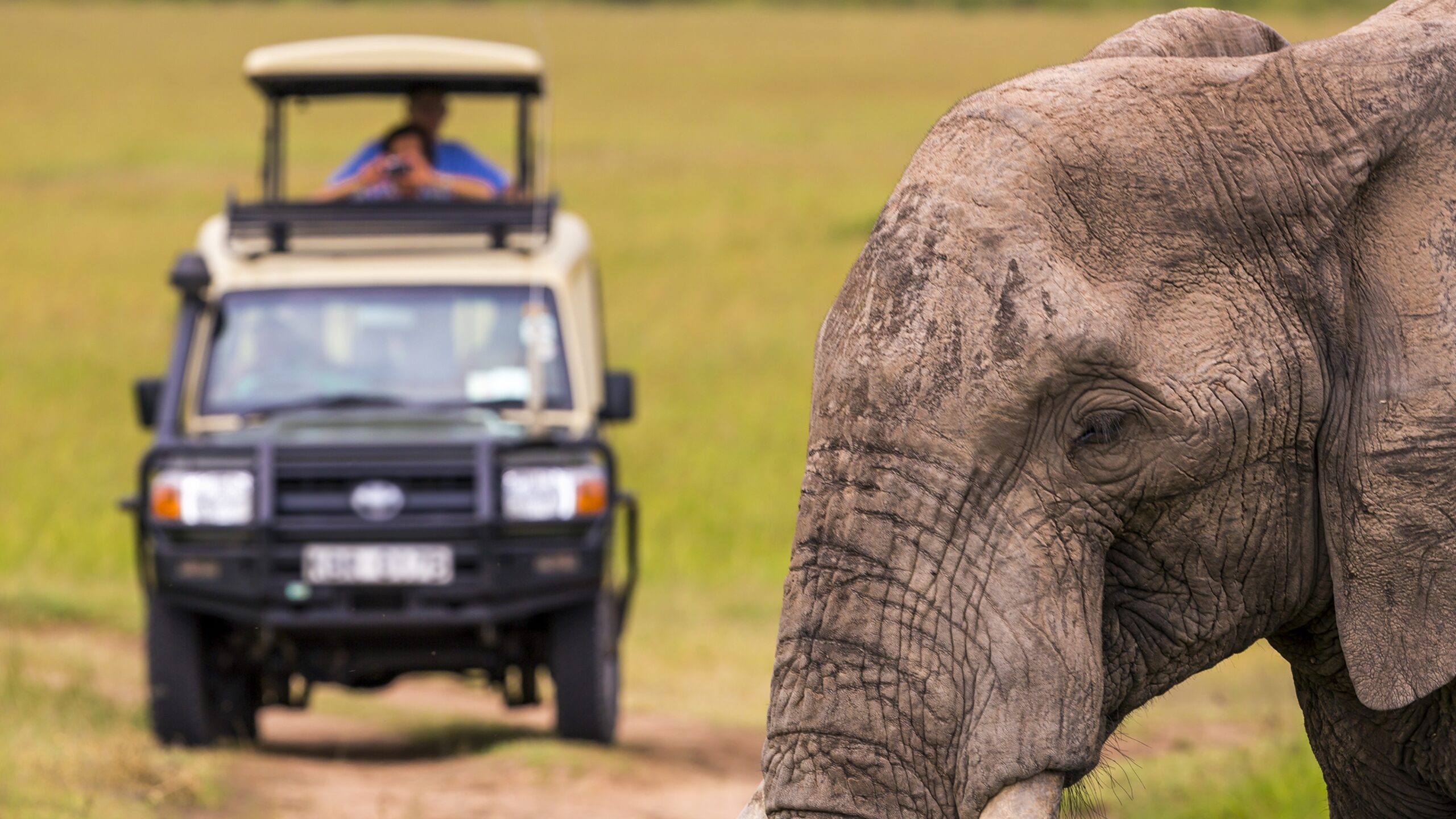
Ethical operators enforce strict distance protocols—typically 20-30 meters from predators, never blocking animal movement, engines off during intimate moments, and absolutely no off-road driving to get closer.
My best photographs came from patient operators who positioned vehicles thoughtfully and waited for animals to approach naturally. That iconic lion portrait at sunrise? The pride walked toward our stationary vehicle for over 20 minutes—we didn’t chase them. With the right moment and simple iPhone settings for good quality pics, patience mattered far more than zooming or rapid-fire shots.
The Bottom Line: Choosing Your Ethical Safari
After four years exploring Africa’s safari industry, my strongest recommendation is this: spend less time in more carefully selected properties rather than bouncing between budget options.
A five-day safari at one ethical, conservation-focused camp delivers more meaningful encounters and genuine impact than ten days split between four mediocre operators.
The sweet spot for most travelers: 7-10 days combining two complementary regions (Serengeti and Ngorongoro Crater, or Okavango Delta and Chobe) during shoulder seasons with operators scoring 75+ on ethical metrics.
Wildlife safaris done right represent conservation funding, community development, and environmental education wrapped in adventure. Getting the timing and operator selection correct means your trip genuinely contributes to protecting the incredible animals you’ve traveled so far to see.
That moment watching the lioness hunt—the one that started my ethical safari journey—taught me something crucial: our presence as visitors should make life better for wildlife, not more difficult. Choose operators who genuinely understand that balance, explore ethical travel packages that support conservation, and time your visit around priority species. You’ll create unforgettable memories while funding the work that ensures these animals survive for the next generation of travelers.
Key Takeaways
- Ethical safari operators should score high across five criteria: conservation investment, community benefit, animal welfare standards, environmental footprint, and transparency—aim for 75+ points out of 100.
- Peak wildlife viewing runs June-October in East Africa and May-October in Southern Africa, but shoulder seasons (January-February, October) offer 85-90% of the wildlife encounters at 60% of peak pricing with fewer crowds.
- Top ethical operators include Asilia Africa, Wilderness Safaris, and andBeyond, all scoring above 85/100 on ethical metrics while delivering exceptional Big Five sightings.
- Plan minimum 5-7 days for safaris rather than rushed 2-3 day trips, as wildlife doesn’t appear on schedules, and patience significantly improves your sighting success.
- The $500-800 per person per night range delivers the best ethical-luxury balance with genuine conservation standards, experienced guides, and comfortable accommodations.
- Always ask operators about conservation revenue percentages, vehicle limits, and guide certifications before booking—transparent answers indicate genuinely ethical operations.
- Community-owned lodges and communal conservancies in Kenya, Tanzania, and Namibia often provide the most direct local benefit while maintaining high wildlife viewing standards.
- Walking safaris and conservation participation experiences are surging in popularity, with 2026 predicted to bring more modular safari options that deepen guest involvement in research and protection efforts.
FAQ Section
What is the absolute best month to see all Big Five animals in Africa?
July and August offer the most reliable Big Five viewing across East Africa, particularly in Kenya’s Masai Mara and Tanzania’s Serengeti during the Great Migration. For Southern Africa, August and September peak in Botswana’s Chobe and South Africa’s Kruger. However, January-February in Tanzania’s Serengeti during calving season delivers exceptional predator action at lower prices with fewer tourists.
How much should I budget for an ethical safari in Africa?
Expect $400-700 per person per night for mid-range ethical operators with strong conservation credentials, or $700-1,400+ for luxury conservation-focused properties. Budget-conscious travelers can find community-owned camps or Namibian conservancy options at $200-400 per night. Always add 25-35% for park fees, conservancy fees, and tips that aren’t included in base pricing.
Are community-owned safari lodges as good as luxury brands?
Many community-owned lodges deliver excellent wildlife viewing and guide expertise while ensuring tourism revenue directly benefits local people. Properties like Campi ya Kanzi in Kenya or Damaraland Camp in Namibia provide authentic experiences with strong ethical credentials, though luxury amenities may be simpler than five-star brands. The wildlife encounters and cultural connections often surpass luxury alternatives.
How far in advance should I book an ethical African safari?
Book 12-18 months ahead for premium ethical operators during peak season (June-September), especially for popular properties that limit guest numbers. For shoulder seasons (January-February, October-November), 8-12 months provides good availability. Last-minute bookings 4-6 months out are possible,e but offer limited property selection and room choices.