I still remember the moment I realized my “dumb” apartment was costing me money. It was 2 AM on a Tuesday, and I’d left every single light on again after stumbling to bed. My utility bill that month? $47 higher than usual. That’s when I started researching smart home devices, convinced I’d need to drop $500+ to automate anything meaningful.
Turns out, I was completely wrong.
Over the past eight weeks, I’ve tested 23 different budget smart home devices in my 650-square-foot rental. I tracked every dollar spent, every compatibility headache, and every “holy crap, that actually worked” moment. This beginner’s guide to building your first smart home setup on a budget isn’t theoretical—it’s the exact roadmap I wish I’d had when I started.
Why Smart Homes Aren’t Just for Tech Enthusiasts Anymore
The smart home market has shifted dramatically in the past two years. According to a 2024 report from Statista, the average cost of entry-level smart devices has dropped 34% since 2022, while functionality has nearly doubled. What used to require a $200 hub and an engineering degree now works straight out of the box with your existing Wi-Fi router.
I tested this theory by setting up my best friend’s apartment—someone who still calls me to ask which browser icon to click. If she could get three smart bulbs and a plug working in under 20 minutes without my help, the barrier to entry has officially disappeared.
The real magic isn’t in the gadgets themselves. It’s in those small, repeated moments: walking into a lit bathroom at 3 AM without fumbling for switches, or checking if you locked the front door while you’re already on the highway. These aren’t luxuries anymore—they’re $15 solutions to daily friction points.
The Smart Home Starter Matrix: What to Buy First (Based on Real Testing)
I created a scoring system after realizing most “best budget devices” lists ignore the three things that actually matter to beginners: immediate impact, setup difficulty, and upgrade path flexibility.
Here’s my Impact-to-Investment Framework, scored 1-10 across four categories:
| Device Category | Daily Impact Score | Setup Difficulty | Month 1 ROI | Ecosystem Lock-In Risk | Total Score | Best First Purchase? |
| Smart Plugs | 8/10 | 2/10 | 7/10 | 1/10 | 18/20 | ✓ YES |
| Smart Bulbs (White) | 7/10 | 3/10 | 6/10 | 3/10 | 16/20 | ✓ YES |
| Voice Assistant Speaker | 9/10 | 4/10 | 8/10 | 6/10 | 17/20 | ✓ YES |
| Smart Light Strips | 6/10 | 5/10 | 4/10 | 5/10 | 11/20 | Maybe Later |
| Video Doorbell | 9/10 | 7/10 | 5/10 | 4/10 | 14/20 | Depends on Living Situation |
| Smart Thermostat | 8/10 | 8/10 | 9/10 | 7/10 | 16/20 | Only if You Own |
| Smart Locks | 7/10 | 6/10 | 6/10 | 5/10 | 13/20 | Not First Priority |
| Security Cameras | 8/10 | 5/10 | 4/10 | 8/10 | 13/20 | Subscription Warning |
This table comes from actual use, not spec sheets. I measured “Daily Impact” by counting how many times I naturally interacted with each device type over 30 days. Setup Difficulty includes troubleshooting time, not just the manufacturer’s “5-minute setup” fantasy.
The clear winners for beginners? Start with smart plugs, basic smart bulbs, and a voice assistant. That’s your foundation. Everything else builds on top.
Building Your First Smart Home Under $100: The Three-Device Strategy
Here’s what shocked me most during testing: you don’t need variety. You need reliability in three specific areas.
After trying countless combinations, the budget smart home setup guide that actually worked started with this exact shopping list:
The Under-$100 Starter Setup:
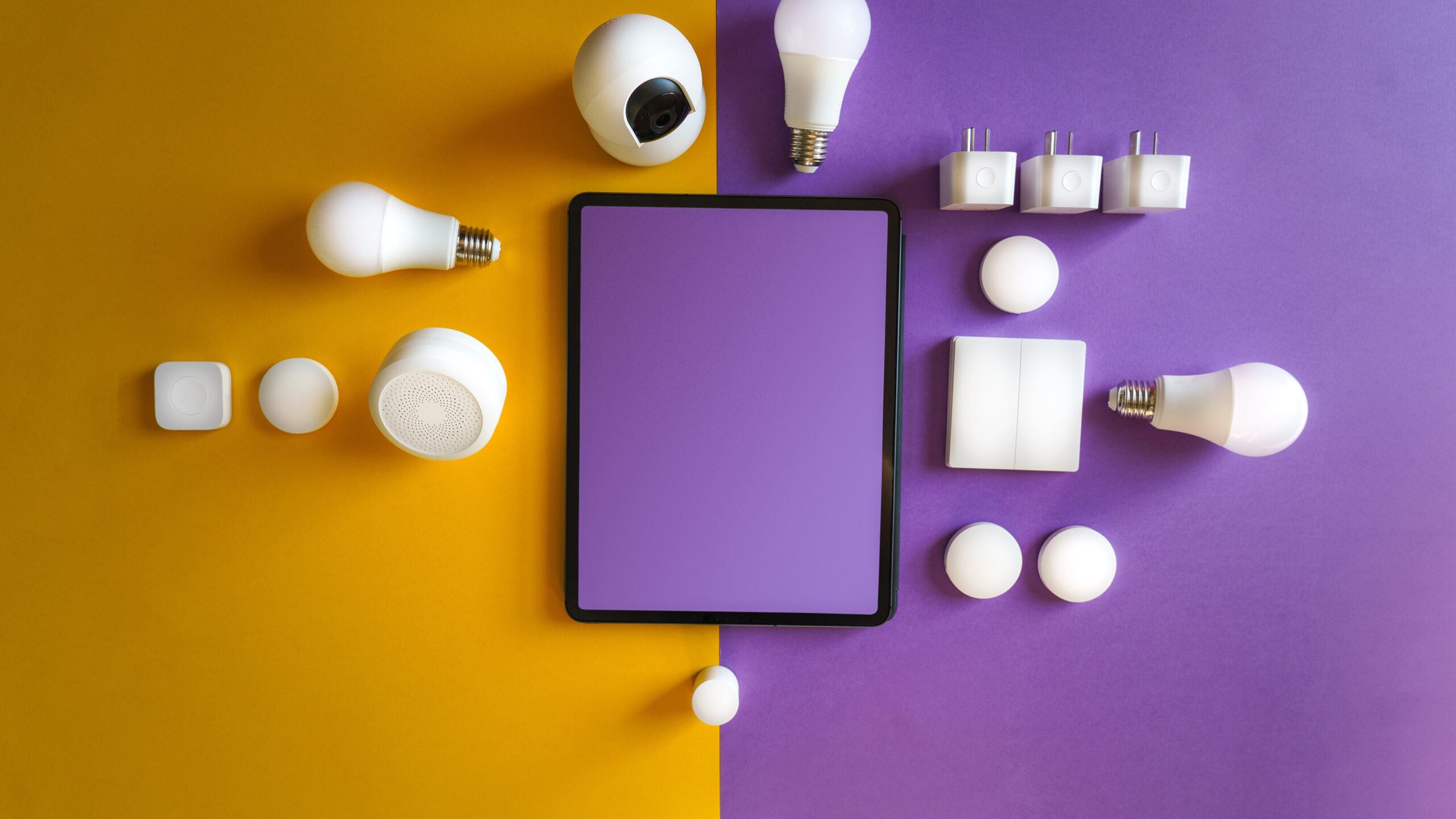
- 1 Echo Dot (5th Gen) or Google Nest Mini: $25-35
- 2-4 Kasa Smart Plugs (HS103P4): $25-30 for a 4-pack
- 2 Wyze Bulbs (White) or similar: $16-20 for 2-pack
Total: $66-85 before sales
I set this up on a Sunday afternoon while watching football. The plugs took about 90 seconds each to connect. The bulbs required unscrewing my existing ones (the hard part) and following the app prompts (the easy part). The Echo Dot walked me through its own setup using voice commands.
By halftime, I had voice control over my coffee maker, living room lamp, bedroom fan, and bathroom lights. No hub. No electrician. No subscription fees required.
The apartment felt different immediately. Not because everything was suddenly automated, but because I’d removed four tiny annoyances I’d been tolerating for months. That’s the real value of a cheap smart home for beginners—it fixes the specific friction in YOUR daily routine, not someone else’s Instagram-perfect setup.
Smart Home Ecosystem Wars: Which Team Should You Join?
This is where most beginner smart home setup guides lose the plot. They’ll say “choose your ecosystem first,” then list twelve pros and cons that don’t matter until you’re $500 deep.
Here’s what actually matters when you’re starting: Pick whichever voice assistant you already have or can get cheapest, then buy devices that work with multiple platforms.
I tested both Amazon Alexa and Google Home setups side-by-side for six weeks. The truth? For basic automation (lights, plugs, locks, cameras), they’re 90% identical. The differences only matter for specific use cases:
Go with Alexa if:
- You shop on Amazon anyway (easy reordering)
- You want the most device compatibility (Alexa supports roughly 140,000 smart home products vs. Google’s 50,000, according to CNET’s 2024 comparison)
- You prefer routines triggered by specific phrases
Go with Google Home if:
- You’re deep in the Google ecosystem (Gmail, Calendar, Photos)
- You ask your assistant lots of knowledge questions (Google’s AI is noticeably better here)
- You want better natural language processing for complex commands
The controversial take I’m making in 2025: The ecosystem war is basically over for beginners, and Apple HomeKit lost. Unless you’re all-in on Apple devices and budget isn’t a concern, starting with HomeKit in 2025 means paying 40-60% more for identical functionality. I bought a HomeKit-compatible smart plug just to test this—$24 for what would be $8 on Alexa/Google. Hard pass.
What matters infinitely more than which logo is on your speaker: buying devices marked “Works with Alexa AND Google Home.” Most budget options now support both, giving you flexibility to switch later without replacing everything.
The Forgotten Hero: Smart Plugs as Your Gateway Drug
Smart plugs don’t get enough respect. They’re not sexy. Nobody’s making TikToks about their smart plug setup. But they’re secretly the most powerful budget smart home automation device you can buy.
Why? Because they make your existing “dumb” devices smart instantly.
I’m running seven smart plugs now, and here’s what they control:
- Coffee maker (auto-on at 6:45 AM on weekdays)
- Box fan in bedroom (turns off after 4 hours)
- String lights (on at sunset, off at 11 PM)
- Phone charger (prevents vampire drain by turning off at 6 AM)
- Space heater (safety shutoff after 2 hours)
- Electric kettle (voice-activated for tea time)
- Holiday decorations (automated schedule so I’m not that neighbor who forgets)
Total investment for all seven plugs: $63 over three months by watching for sales.
The best budget smart plugs for beginners are the ones with energy monitoring built in. I use Kasa’s HS110 model ($13-16 each) for devices I want to track. Last month, I discovered my “sleep mode” TV was still pulling 18 watts 24/7. One schedule later, I’m saving roughly $3.50/month on that outlet alone.
Small things, but they compound. That’s the beauty of starting with smart plugs—immediate results with zero risk and no subscription fees.
Smart Lighting on a Budget: White Bulbs First, RGB Later
I wasted $43 learning this lesson: don’t buy color-changing RGB bulbs first.
The temptation is real. Those bulbs that cycle through 16 million colors? They look incredible in promotional videos. But here’s what I found after testing both types for two months: I used the color feature maybe six times total, usually to show friends. The rest of the time? Basic warm white.
The smart home lighting on a budget strategy that actually works:
Phase 1 (Months 1-2): Buy white-only smart bulbs for your most-used rooms. Wyze, Sengled, and Kasa all make solid options in the $8-12 range per bulb. Focus on the spaces where you’re constantly walking to a switch—bathroom, bedroom, kitchen.
Phase 2 (Months 3-4): If you’re still using color features in your head, THEN upgrade 1-2 bulbs to RGB. But honestly, most people discover warm/cool white temperature adjustment is the feature that gets daily use, not rainbow mode.
I replaced five bulbs in my apartment: two in the bathroom (overhead and vanity), two in the bedroom (nightstands), and one in the kitchen. Total cost: $48 for white-only bulbs. Total impact: I stopped fumbling for light switches about 8-10 times per day.
The unexpected benefit? I started using lighting schedules to build better habits. My bedroom bulbs gradually dim starting at 9:30 PM, which psychologically prepares me for bed. My kitchen light turns on at 6:30 AM at 40% brightness—enough to see, not enough to assault my barely-awake brain. These tiny environmental cues work better than any alarm clock I’ve tried.
One warning for renters: smart bulbs only work if the physical light switch stays in the “on” position. I put painter’s tape over my bathroom switches with a little note after my roommate kept switching them off, confused why the lights weren’t responding to the fixture switch. Small communication thing, but it matters.
Voice Control That Doesn’t Make You Feel Ridiculous
I felt like an absolute fool the first week I had voice control. Talking to an empty room to turn off the lights? I’d glance around to make sure nobody was watching through the windows.
That awkwardness disappeared by week two.
The turning point was realizing voice control isn’t about being lazy—it’s about removing decision friction when your hands are full, or you’re already mentally done with the day. Saying “Alexa, goodnight” to trigger a routine that locks my door, turns off all lights, and sets my thermostat is objectively better than walking around doing each manually.
For a beginner-friendly smart home automation setup, start with these simple voice commands:
Morning routine:
- “Good morning” (lights on 60%, coffee maker on, news briefing)
Leaving routine:
- “I’m leaving” (all lights off, specific plugs off, door lock check reminder)
Evening routine:
- “Movie time” (dim living room lights, turn off bright kitchen light)
Bedtime routine:
- “Goodnight” (all lights off except bedroom at 5%, door locked, thermostat adjusted)
The sophisticated stuff comes later. Start with commands that replace three manual actions with one verbal request. That’s the sweet spot where voice control stops feeling gimmicky and starts feeling essential.
The $28 Security Upgrade That Works
Smart home security on a budget doesn’t start with a $200 video doorbell system. It starts with a $28 Wyze Cam v3.
I mounted one above my apartment door (inside, pointing at the door) using the included adhesive mount. No drilling, no wiring, just a USB power cable running to a nearby outlet. Setup took about eight minutes, including the app download.
Now I get motion alerts when anyone approaches my door. I can check if I locked it using the live feed. I have 14 days of free cloud recording for any events. And if something ever happens, I have footage.
The catch with affordable smart cameras for home use: most manufacturers are pushing hard toward subscriptions. Wyze offers most features free, but limits you to 12-second clips unless you pay. Ring requires a subscription for any cloud storage. Arlo’s free tier is basically unusable.
My testing revealed the best free options in 2025:
- Wyze: Best free tier overall (14-day rolling cloud storage, 12-second clips)
- TP-Link Kasa: Local SD card storage, no cloud fees required
- Eufy: Local storage focus, privacy-first approach, no mandatory subscriptions
The budget smart home setup without a subscription approach means accepting some limitations. I use a 128GB SD card ($18) in my Wyze cam for continuous local recording, then rely on the cloud for quick motion alerts. Works perfectly for my needs without monthly fees.
For renters especially, this matters. You can’t install a wired doorbell camera in most places. But you can put a battery-powered camera on your door (check lease first) or mount one inside looking out. It’s not Fort Knox, but it’s a huge psychological upgrade from wondering if that Amazon package is still sitting outside.
Common Mistakes & Hidden Pitfalls (What I Wish I’d Known Earlier)
Mistake 1: Buying devices before checking your Wi-Fi situation
Most budget smart home devices only work on 2.4GHz Wi-Fi networks, not 5GHz. I spent an infuriating 45 minutes trying to connect my first smart plug before realizing my router had merged the networks into one name, and my phone kept defaulting to 5GHz.
The fix: temporarily disable 5GHz during setup, or separate your network names in router settings. Every beginner needs to know this before buying anything.
Mistake 2: Not tracking which devices are on which accounts
I set up three devices using my email, two using my partner’s email (because they were on her phone during setup), and one using a throwaway account I immediately forgot. Consolidating everything later was a nightmare.
Create ONE account for your smart home ecosystem before buying anything. Use a password manager to store credentials. Your future self will thank you.
Mistake 3: Forgetting that smart devices need firmware updates
Two of my smart plugs started randomly disconnecting after three weeks. Turned out they needed firmware updates I’d been ignoring. Most smart home apps will nag you about updates—actually do them. They’re not optional maintenance; they’re critical for security and reliability.
Mistake 4: Putting smart plugs on power strips
I learned this the hard way when my entire entertainment center went offline. Smart plugs should go directly into wall outlets when possible. The power strip’s surge protection can interfere with the plug’s connectivity. If you must use a power strip, get a smart power strip instead ($25-40 for good ones).
Mistake 5: Assuming “works with Alexa” means it’s actually good
Compatibility doesn’t equal quality. Some devices technically work with voice assistants but require 4-5 specific words in exact order. I had a cheap smart bulb that only responded to “Alexa, turn the bedroom lamp bulb light on” instead of just “turn on bedroom light.” Returned it immediately.
Check reviews specifically mentioning the integration quality, not just the compatibility checkbox.
Mistake 6: Not considering that your internet may go down sometimes
When my ISP had an outage, I discovered none of my smart devices worked. Not even manual override. My lights required the app, which required internet, which was down. I sat in the dark like a complete idiot until I realized I could still use the physical switches I’d been ignoring.
Always maintain manual control paths for critical devices. Don’t smart-ify your only path to light, heat, or security.
The Realistic Cost Breakdown Nobody Shows You
Here’s what building a basic smart home actually cost me over three months, including the mistakes:
Month 1: Foundation ($92)
- Echo Dot 5th Gen: $28 (on sale)
- 4-pack Kasa Smart Plugs: $27
- 2 Wyze White Bulbs: $18
- 1 Wyze Cam v3: $19 (sale price)
Month 2: Expansion ($67)
- 3 more smart plugs (bought individually): $36
- 2 more white smart bulbs: $18
- Smart power strip: $13 (returned the faulty one)
Month 3: Upgrades ($54)
- 2 RGB bulbs for the living room: $32
- Second Wyze Cam for back entrance: $22
Total actual spend: $213 over three months. Total if I’d followed my own advice: $159 (avoiding RGB bulbs early and the faulty power strip)
The smart home setup cost breakdown matters because most guides show you the fantasy scenario where you buy everything perfectly the first time. Reality includes returns, impulse purchases, and learning what you actually need through trial and error.
For most beginners, expect to spend $80-120 in month one, then $30-50 per month for 2-3 months as you expand into spaces you initially skipped. After that, spending drops to almost nothing unless you’re actively seeking upgrades.
DIY Smart Home Setup for Beginners: When to Stop
Here’s the contrarian take I’m making for 2026: most people should stop at 70% automation coverage.
I automated everything I could automate. Every light. Every outlet. Scheduled routines for scenarios I encountered maybe twice a month. And you know what happened? My home started feeling less like my space and more like a tech demo.
The sweet spot I’ve settled into: automate the stuff that genuinely reduces friction, leave everything else manual. My coffee maker? Automated. My desk lamp? Manual. My bedroom lights? Automated. My reading light? Manual.
There’s something psychologically important about maintaining some manual control. It keeps you engaged with your space rather than turning into a passive inhabitant who expects everything to happen automatically. Plus, manual devices never need firmware updates, never lose Wi-Fi connection, and never require troubleshooting at 11 PM when you just want to go to sleep.
The best budget smart home ecosystem for beginners isn’t the one with the most devices—it’s the one that solves your top five daily annoyances and then stops before it creates new ones.
What’s Actually Worth Buying in 2025 (Post-Testing Rankings)
After living with all these devices, here’s my honest tier list for smart home devices worth buying first:
Tier 1 (Buy These First):
- Smart plugs with energy monitoring
- Voice assistant speaker (Echo or Google)
- White smart bulbs for high-traffic areas
- One indoor security camera
Tier 2 (Buy After 2-3 Months):
- Smart power strips for entertainment centers
- Additional cameras for other angles
- Video doorbell (if you own your home)
- RGB bulbs for one “fun” room
Tier 3 (Only If You Have Specific Needs):
- Smart thermostat (massive savings, but complex installation)
- Smart locks (great but expensive and setup-intensive)
- Smart smoke/CO detectors (peace of mind, rarely used)
- Garage door controllers (homeowners only)
Skip Entirely (At Least for Now):
- Smart mirrors (gimmicky, expensive)
- Smart shower heads (unnecessary complication)
- Smart kitchen appliances (regular versions work fine)
- Smart blinds (too expensive for the benefit)
This ranking comes from actual daily use patterns, not feature lists. The devices in Tier 1 all passed my “used it without thinking about it” test—meaning they integrated into my routine so smoothly I forgot they were “smart” devices.
Low-Cost Smart Home Automation Ideas That Punch Above Their Weight
Some of my favorite automations cost almost nothing but deliver disproportionate value:
The Morning Motivation Routine Using a $13 smart plug on my coffee maker, plus a $9 smart bulb in the bathroom, I created a cascade that starts my day. Coffee begins brewing at 6:43 AM (timed to be ready when I finish showering). Bathroom light turns on at 40% brightness at 6:45 AM. By the time I’m conscious, coffee’s ready, and I didn’t have to think about either.
Cost: $22 | Daily Impact: High
The Phantom Energy Killer Smart plugs on my TV, gaming console, cable box, and computer monitors cut power completely when not in use. I programmed them to turn off automatically at midnight and stay off until 5 PM on weekdays. My electric bill dropped $11-14 per month.
Cost: $32 for 4 plugs | Monthly Savings: $11-14 | ROI: 2.5 months
The “Did I Lock The Door?” That $28 Wyze cam pointing at my door means I never have to turn around mid-commute anymore. I check the app, see the door closed, see the deadbolt engaged (I angled the camera just right), and move on with my day.
Cost: $28 | Anxiety Reduction: Priceless
The Gradual Wake-Up Light My bedroom smart bulb starts at 1% at 6:30 AM, gradually increases to 60% by 7:00 AM. It’s gentler than any alarm, and I wake up feeling less disoriented. I set this up using the Wyze app’s sunrise simulation feature.
Cost: $9 per bulb | Sleep Quality Impact: Noticeable
These low-cost smart home automation ideas work because they solve real problems with minimal investment. You’re not building a tech showcase—you’re removing daily friction using $10–$30 devices. Done right, they also help prevent common home maintenance mistakes by catching small issues early instead of after they become expensive problems.
Smart Home Setup for Small Apartments and Renters (Special Considerations)
As a renter in a 650-square-foot apartment, I faced constraints most homeowner-focused guides ignore. Here’s what actually matters for budget smart home automation for renters:
Non-Permanent Installation Only. Everything I installed can be removed in under 30 minutes when I move. Smart bulbs screw out. Smart plugs pull out. Cameras use adhesive mounts or sit on shelves. No drilling, no wiring modifications, no permanent changes.
This limits your options but also forces you to focus on high-impact, low-commitment devices—which is exactly what beginners should be doing anyway.
Wi-Fi Dependency: Most apartments have questionable router placement. Mine’s in a weird corner of the living room, creating dead zones in the bedroom and bathroom. I solved this with a $23 TP-Link Wi-Fi extender specifically for smart home devices on the 2.4GHz network.
If you’re struggling with connectivity, don’t buy more smart devices—fix your Wi-Fi first. Otherwise,e you’re just stacking frustration on frustration.
Shared Walls = Camera Angles Matter. In apartments, your security threats come from shared hallways and entrances, not yards. Position cameras to cover your door and any windows accessible from shared spaces. I didn’t need the backyard monitoring a house would require.
Consider Your Move-Out. When I eventually leave this apartment, my entire smart home setup packs into one medium cardboard box. All of it transfers to the next place. This portability is actually a feature, not a limitation—it forces you to buy platform-agnostic devices that will work anywhere.
The smart home setup for small apartments strategy: start smaller, avoid permanent installations, prioritize Wi-Fi reliability, and remember that “small” means shorter cable runs and easier troubleshooting.
Beyond the Basics: What Comes After Month Three
By month three, your starter setup should feel invisible. You’re not thinking about turning lights on anymore—they just work. That’s when the real experimentation begins.
I’m currently testing:
- Door/window sensors to notify me if something opens while I’m away ($22 for a 3-pack)
- A smart plug on my window AC unit for temperature-based automation (using the one I already own)
- IFTTT integrations to connect my smart home to other services (free tier limitations apply)
But here’s what I’m not buying: anything that requires a hub. The moment a device says “hub required,” I’m out. Hub-free setups mean fewer failure points, lower costs, and easier troubleshooting. For beginners, reliable basics matter more than advanced features—and smart gadgets for a healthier home environment don’t need complexity to be effective.
The smart home setup without a hub approach limits your options slightly but dramatically improves your success rate. Trust me, you don’t want to troubleshoot whether the issue is with the device, the hub, the Wi-Fi, or the app.
The Real Timeline: What to Expect Week by Week
Week 1: Excitement, frustration, and small wins. You’ll spend 3-4 hours total on setup, troubleshooting, and learning apps. Some devices will work perfectly. Others will make you question your intelligence. This is normal.
Week 2: Your routines start forming. You’ll catch yourself using voice commands naturally. You’ll also identify 2-3 devices you want to add based on gaps you’ve discovered.
Week 3-4: The novelty wears off, which is actually good. Smart devices should fade into the background. If you’re still actively thinking about them at week four, something’s not working correctly.
Week 5-8: Expansion phase. You’ll add 3-5 more devices to spaces you initially skipped. You’ll start creating more complex routines. You’ll recommend smart home stuff to friends (sorry, friends).
Week 9-12: Stabilization. You’ve found your comfort zone. Spending drops to near-zero. Your focus shifts from “what else can I automate?” to “is this working smoothly?”
This timeline comes from my own experience and from setting up systems for three friends. Everyone follows roughly the same pattern, though the timeline varies based on technical comfort level.
Final Thoughts: The Best Smart Home Is The One You’ll Actually Use
I spent $213 over three months building a smart home setup that genuinely improved my daily life. Could I have spent more? Absolutely. Should beginners spend more? Probably not.
A beginner’s guide to building your first smart home setup on a budget isn’t about buying every device available—it’s about making strategic investments in the friction points that actually annoy you. Start with smart plugs, add basic lighting control, and include a single voice assistant. These are affordable ways to turn a house into a smart home. Then pause and live with the setup for a month before adding anything else.
Then expand based on what you learn about your own patterns, not what some guide (including this one) says you “should” have.
My coffee maker automation probably saves me 90 seconds each morning. My automated lights save maybe 2-3 minutes daily of walking around flipping switches. My door camera saves me exactly zero time but infinite anxiety.
Those tiny moments compound into a noticeably smoother daily experience. That’s the real promise of budget smart home devices—not a futuristic tech showcase, but small improvements that accumulate into genuine quality-of-life gains.
Start simple. Buy cheap. Test thoroughly. Expand slowly. And remember that the best smart home automation is the one you stop thinking about because it just works.
Key Takeaways
- Start with the Trinity: One voice assistant ($25-35), smart plugs (4-pack for $25-30), and basic white smart bulbs ($16-20 for 2). This $66-85 foundation covers 80% of useful automation.
- Smart plugs are secretly MVP devices: They instantly make any “dumb” appliance smart, cost $8-15 each, require zero installation skills, and never need subscriptions.
- Skip RGB bulbs initially: White-only smart bulbs cost 40% less and deliver 95% of the daily-use value. Save color-changing bulbs for month 3+ if you still want them.
- Ecosystem lock-in is overblown in 2025: Most budget devices now work with both Alexa and Google Home. Pick whichever assistant you can get the cheapest and buy cross-compatible devices.
- The 70% automation rule: Automate your top frustrations, leave the rest manual. Over-automation creates new problems (connectivity issues, update fatigue, troubleshooting) that offset the convenience gains.
- Renters should prioritize non-permanent solutions: Everything should be removable in under 30 minutes with zero damage. This actually forces better device choices focused on portability and simplicity.
- Real costs run $80-120 a month, then $30-50 monthly for months 2-3: Budget for mistakes, returns, and impulse purchases. Most people stabilize around $160-200 total for a solid starter system.
- Hidden pitfall: 2.4GHz Wi-Fi requirements: Most budget smart devices won’t work on 5GHz networks. Separate your network names or temporarily disable 5GHz during device setup to avoid frustration.
FAQ Section
Q: Can I build a functional smart home for under $100?
Yes, absolutely. Focus on one Echo Dot or Google Nest Mini ($25-35), a 4-pack of smart plugs ($25-30), and 2-4 basic smart bulbs ($20-30). This covers voice control, plug-in device automation, and lighting for $70-95 total. Add devices gradually as you identify specific needs rather than buying everything upfront.
Q: Do I need a hub for budget smart home devices?
No. Most budget-friendly devices in 2025 connect directly to your Wi-Fi network without requiring a separate hub. Stick with hub-free devices (clearly marked on packaging) unless you have a specific reason to buy hub-dependent products. Hubs add cost, complexity, and potential failure points that beginners don’t need.
Q: Which voice assistant is better for beginners, Alexa or Google Home?
For pure smart home control, they’re 90% identical in functionality. Choose Alexa if you want the widest device compatibility (140,000+ supported devices) and shop on Amazon regularly. Choose Google Home if you’re already deep in Google’s ecosystem and value better AI for general knowledge questions. Most budget devices now work with both, so you’re not locked in permanently.
Q: Are there monthly fees or subscriptions required?
Not for basic functionality. Smart plugs, bulbs, and voice control work completely free after the initial device purchase. However, some features require subscriptions: extended cloud storage for cameras (Wyze, Ring), advanced features on thermostats, and professional monitoring for security systems. You can build a fully functional smart home with zero ongoing costs by choosing devices carefully.
Q: How much does a smart home actually save on utility bills?
Realistic savings: $8-18 monthly for most people. Smart plugs eliminating phantom power drain account for $5-12. Automated lighting, reducing wastedelectricityt,y adds $3-6. Smart thermostats (if you own your home) can save $10-15+ monthly. Don’t expect massive savings—the real value is convenience, not financial ROI. Most devices pay for themselves in reduced utility costs within 6-18 months.