There’s something magical about biting into a warm empanada from a street vendor in Buenos Aires or slurping noodles at a tiny ramen shop in Tokyo. Food-driven travel isn’t just about eating; it’s about connecting with a place on a deeper level. When you explore culture through food, you’re tasting history, tradition, and the soul of a destination. This culinary travel guide for beginners will show you how to plan unforgettable food experiences while traveling, whether you’re on a shoestring budget or ready to splurge.
Why Food-Driven Travel Matters
Food tells stories that guidebooks can’t. Every dish carries generations of tradition, local ingredients shaped by climate and geography, and techniques passed down through families. When you seek out authentic local food travel experiences, you’re not just a tourist taking photos. You’re participating in daily life, supporting local communities, and building memories that last far longer than any souvenir.
The best food experiences while traveling often happen when you venture beyond tourist traps. That hole-in-the-wall taco stand recommended by your Airbnb host? The morning market where locals shop for their weekly groceries? These are the moments that define a trip.
Planning Your Food-Focused Trip
Before you pack your bags, a little research goes a long way. Start by identifying regional food specialties to try in your destination. If you’re heading to Vietnam, pho and banh mi are obvious choices, but what about bun cha or cao lau? Digging deeper reveals layers of culinary complexity you might otherwise miss.
Create a foodie travel itinerary that balances structure with spontaneity. Mark must visit food markets that travelers should explore, but leave room for unexpected discoveries. Some of the most immersive food travel experiences come from wandering into a neighborhood restaurant simply because it smells amazing.
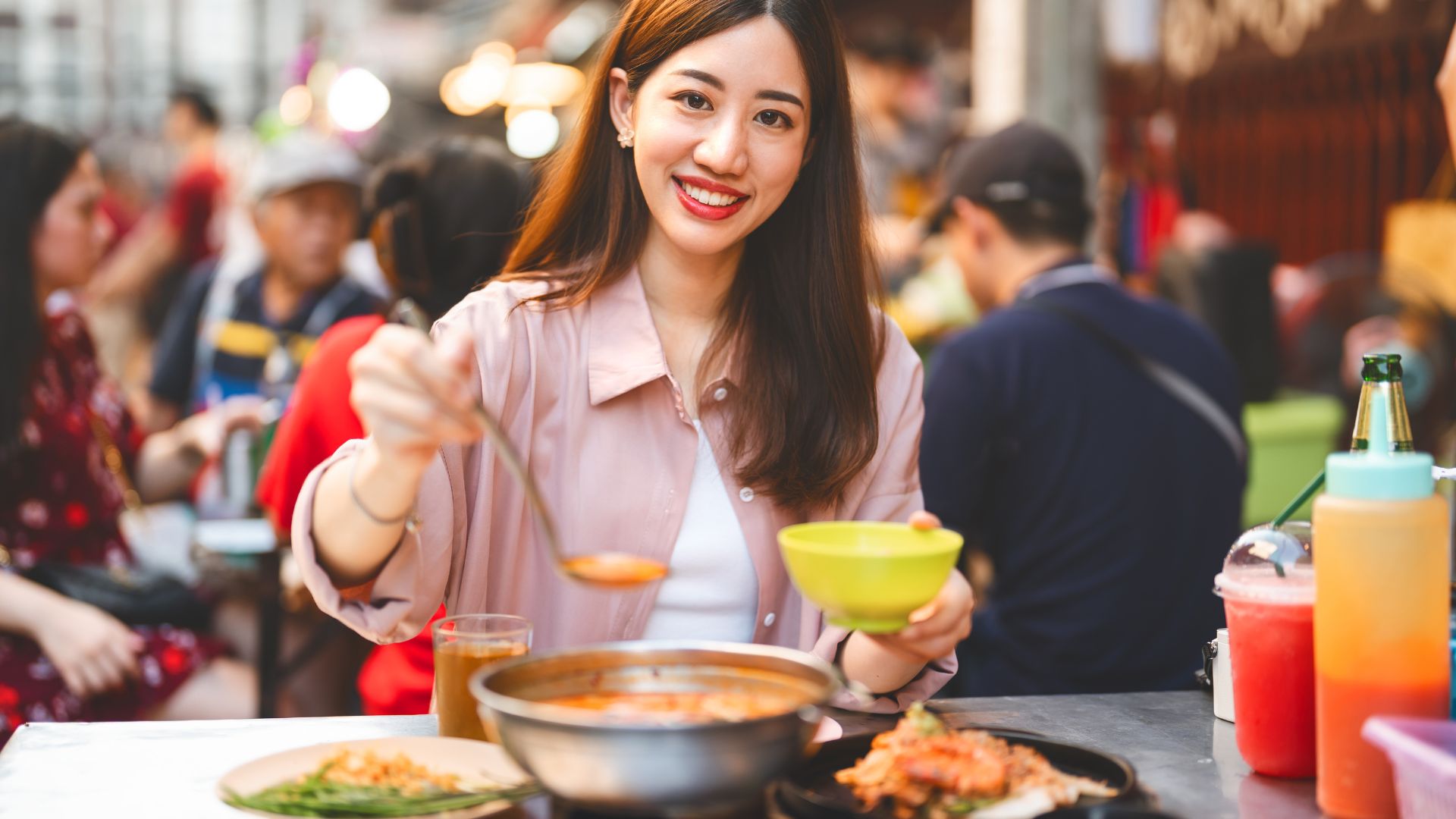
Budget travelers, don’t worry. Affordable culinary travel ideas abound. Street food travel guides consistently rank among the most valuable resources because street vendors often serve the most authentic dishes at a fraction of restaurant prices. In Thailand, a pad thai from a street cart costs less than two dollars and tastes better than anything you’ll find in a hotel.
Finding Authentic Food While Traveling
Here’s the truth: the restaurants clustered around major landmarks rarely serve the best local cuisine. So, how do you find authentic food while traveling? Start by looking where locals eat. If a place has a line of residents during lunch hour and no English menu, you’ve probably struck gold. This is the heart of food-driven travel, where the goal is to experience culture through flavor, not convenience.
Food markets are treasure troves for culinary explorers. Barcelona’s La Boqueria, Istanbul’s Spice Bazaar, and Mexico City’s Mercado de San Juan offer not just ingredients but ready-to-eat specialties that reveal what people actually cook at home. Visit early in the morning when vendors are setting up, and you’ll witness the rhythm of daily life, a moment every food-driven travel enthusiast appreciates.
Social media has become an unexpected tool for discovering hidden food gems around the world. Local food bloggers and Instagram accounts often highlight neighborhood favorites that never make it into traditional travel guides. Search hashtags in the local language for even better results. These digital breadcrumbs are incredibly valuable for food-driven travel because they point you toward places untouched by mass tourism.
When you embrace food-driven travel, you start paying attention to regional ingredients, seasonal dishes, and cooking traditions that change from one block to the next. It’s not just about eating; it’s about learning. Travelers who prioritize food-driven travel often discover stories, people, and traditions they’d never encounter otherwise. The best part? Food-driven travel doesn’t require a big budget, just curiosity, patience, and an appetite for the unfamiliar. Whether you’re slurping noodles on a busy street corner or tasting homemade pastries in a quiet alley, food-driven travel connects you with the soul of a place in a way few experiences can.
Exploring Food Trails and Culinary Routes
Many regions have developed official food trails and culinary routes to explore, and they’re worth following. Italy’s wine roads through Tuscany, Japan’s ramen trails, or the Southern barbecue circuit in the United States provide structured frameworks while still allowing for personal discovery. These curated paths are perfect for food-driven travel, giving you direction while leaving space for spontaneous flavor moments.
These routes often connect small producers, family-run restaurants, and traditional markets. You’ll meet cheesemakers, visit olive oil mills, or watch artisans craft products using centuries-old methods. This intimate, hands-on experience is exactly what makes food-driven travel so rewarding. By taking part in food-driven travel, you support local communities directly and help preserve traditional foodways that might otherwise fade.
For solo travelers, food tours offer both guidance and companionship. Food tours for solo travelers have exploded in popularity because they combine education with social interaction. You’ll learn about ingredients, cooking techniques, and local history while meeting fellow food enthusiasts. This style of exploration aligns perfectly with food-driven travel, where connection matters just as much as taste.
Whether you’re following a famous culinary trail or wandering into a hidden side street, food-driven travel encourages you to slow down and savor each stop. Every tasting, conversation, or kitchen visit enriches your understanding of a culture. And even if you’re traveling with minimal planning, food-driven travel ensures that every meal becomes a meaningful story, not just another dish on your itinerary. From regional festivals to small-town markets, food-driven travel transforms an ordinary trip into a flavorful journey filled with heritage, craft, and discovery.
Cultural Food Experiences That Transform Travel
The most meaningful travel food adventures for beginners often involve participation, not just consumption. Take a cooking class in Chiang Mai where you shop at the morning market before learning to make curry paste from scratch. Join a family in Morocco for a home-cooked tagine. These cultural food experiences abroad create connections that transcend language barriers.
Traditional dishes tell you what matters to a culture. In coastal regions, seafood dominates. In agricultural heartlands, vegetables and grains take center stage. Mountain communities often preserve food through smoking, drying, or fermenting. Understanding these patterns helps you appreciate not just what people eat but why.
Don’t shy away from unfamiliar ingredients or preparation methods. That fermented fish sauce might seem intimidating, but it’s fundamental to Southeast Asian cooking. Offal dishes common in Europe and Latin America reflect resourcefulness and respect for the whole animal. Stepping outside your comfort zone often leads to the most memorable meals.
Best Countries and Destinations for Food Tourism
While every destination offers something delicious, some countries stand out as the best countries for food tourism. Italy, Japan, Thailand, Mexico, and France consistently top lists, but don’t overlook rising stars. Peru’s culinary renaissance has made Lima a world-class food city. Portugal offers incredible seafood and pastries. Georgia’s ancient wine tradition and unique dishes remain relatively undiscovered.
Travel destinations for food lovers aren’t always obvious. Secondary cities often provide better value and more authentic experiences than capitals. In Spain, skip Madrid for San Sebastián’s pintxo bars. In India, explore regional cuisines in places like Kolkata or Hyderabad rather than sticking to Delhi.
Regional variations within countries provide endless exploration opportunities. Italy isn’t just one cuisine; it’s twenty distinct regional styles. The rice dishes of northern Italy differ dramatically from the pasta traditions of the south. In China, Sichuan’s fiery cuisine contrasts sharply with Cantonese delicacy. Understanding these nuances transforms surface-level tourism into genuine culinary education.
Making the Most of Local Eateries Abroad
The best local eateries to explore abroad often lack fancy decor but overflow with character. Family-run establishments where grandma still cooks in the kitchen serve food with soul you won’t find in chain restaurants. These places operate on slim margins and depend on regulars, so your patronage directly supports local families.
Timing matters when visiting popular spots. Arrive when locals eat, typically later than standard tourist hours in many countries. Spaniards don’t eat dinner until nine or ten at night. Greeks might not sit down for lunch until three in the afternoon. Adapting to local schedules improves your chances of experiencing restaurants at their authentic best.
Building relationships with restaurant staff enhances your experience. Learn a few words of the local language, show genuine interest in the food, and return to places you love. Regulars often receive special treatment, off-menu recommendations, and invitations to try new dishes the chef is experimenting with.
Navigating Challenges and Staying Safe
Food-driven travel isn’t without challenges. Dietary restrictions can complicate matters, though increasingly, restaurants accommodate allergies and preferences. Learn key phrases in the local language: “I’m allergic to nuts” or “I don’t eat meat” can prevent serious problems.
Street food safety concerns are valid but manageable. Look for vendors with high turnover, which means fresh ingredients. Watch how food is prepared. Choose cooked items over raw when sanitation seems questionable. Trust your instincts; if something looks or smells off, skip it.
Budget constraints affect everyone differently. Exploring local cuisine on a budget requires creativity but not sacrifice. Lunch menus often cost half of dinner prices. Markets sell amazing prepared foods cheaply. Bakeries offer breakfast pastries for pennies. Balance one splurge meal with several budget-friendly ones.
Language barriers can feel intimidating at first. Point at what others are eating, use translation apps, or rely on pictures. Most restaurant owners appreciate the effort and will help guide your choices. Some of the best meals come from simply trusting the chef’s recommendations.
Bringing Flavors Home
The end of a trip doesn’t mean the end of your culinary journey. Visit local grocery stores and bring back spices, sauces, or dried goods. These ingredients let you recreate dishes at home and extend the travel experience. Just check customs regulations before packing food items.
Document your food adventures through photos, but also keep a food journal. Note restaurant names, dish descriptions, and your impressions. These records become invaluable when you want to recommend places to friends or plan return visits.
FAQ Section
What are the best food-driven travel tips for first-time culinary travelers?
Start with destinations known for welcoming food cultures like Italy, Thailand, or Mexico. Research local specialties beforehand, but stay flexible. Eat where locals eat, try street food, visit markets early, and don’t be afraid to point at dishes if you can’t read the menu. Always carry small bills for street vendors and bring an appetite for adventure.
How can I find authentic local food while traveling on a tight budget?
Focus on street food, local markets, and neighborhood eateries away from tourist zones. Eat your main meal at lunch when prices are lower. Ask locals, hotel staff, or taxi drivers where they eat. Look for places packed with residents rather than tourists. Grocery stores and bakeries also offer affordable,e authentic foods perfect for picnic lunches.
Which travel destinations offer the best food experiences for beginners?
Japan, Italy, and Thailand top the list for food tourism because they combine incredible cuisine with relatively easy navigation for English speakers. Mexico City, Lisbon, and Vietnam also offer outstanding food scenes with welcoming atmospheres. These destinations have diverse options from street food to fine dining, making them ideal for culinary travel beginners.
Are food tours worth the cost when traveling?
Food tours provide excellent value, especially in new destinations. They efficiently showcase multiple establishments, offer historical and cultural context, handle language barriers, and often include tastings that would cost more separately. For solo travelers or those short on time, tours maximize experiences while providing social interaction and insider knowledge from local guides.
How do I stay safe while enjoying street food abroad?
Choose vendors with high customer turnover, which indicates fresh food. Watch for proper food handling and cooking temperatures. Opt for thoroughly cooked items over raw preparations when hygiene seems questionable. Avoid pre-cut fruit sitting out in hot weather. Follow where locals e;t, they know which vendors maintain good standards. Carry hand sanitizer and trust your instincts.