Walking into a grocery store with good intentions and a tight budget can feel overwhelming. You want to eat healthy, but those organic vegetables and lean proteins seem to come with premium price tags. The good news? Healthy and affordable grocery shopping isn’t just possible; it’s actually easier than you might think once you know the right strategies.
You don’t need to choose between your health and your wallet. With some planning, smart shopping habits, and knowledge about what to buy, you can fill your cart with nutritious foods without breaking the bank. This guide will show you exactly how to buy healthy food on a budget, whether you’re a student, feeding a family, or just trying to make better food choices while watching your expenses.
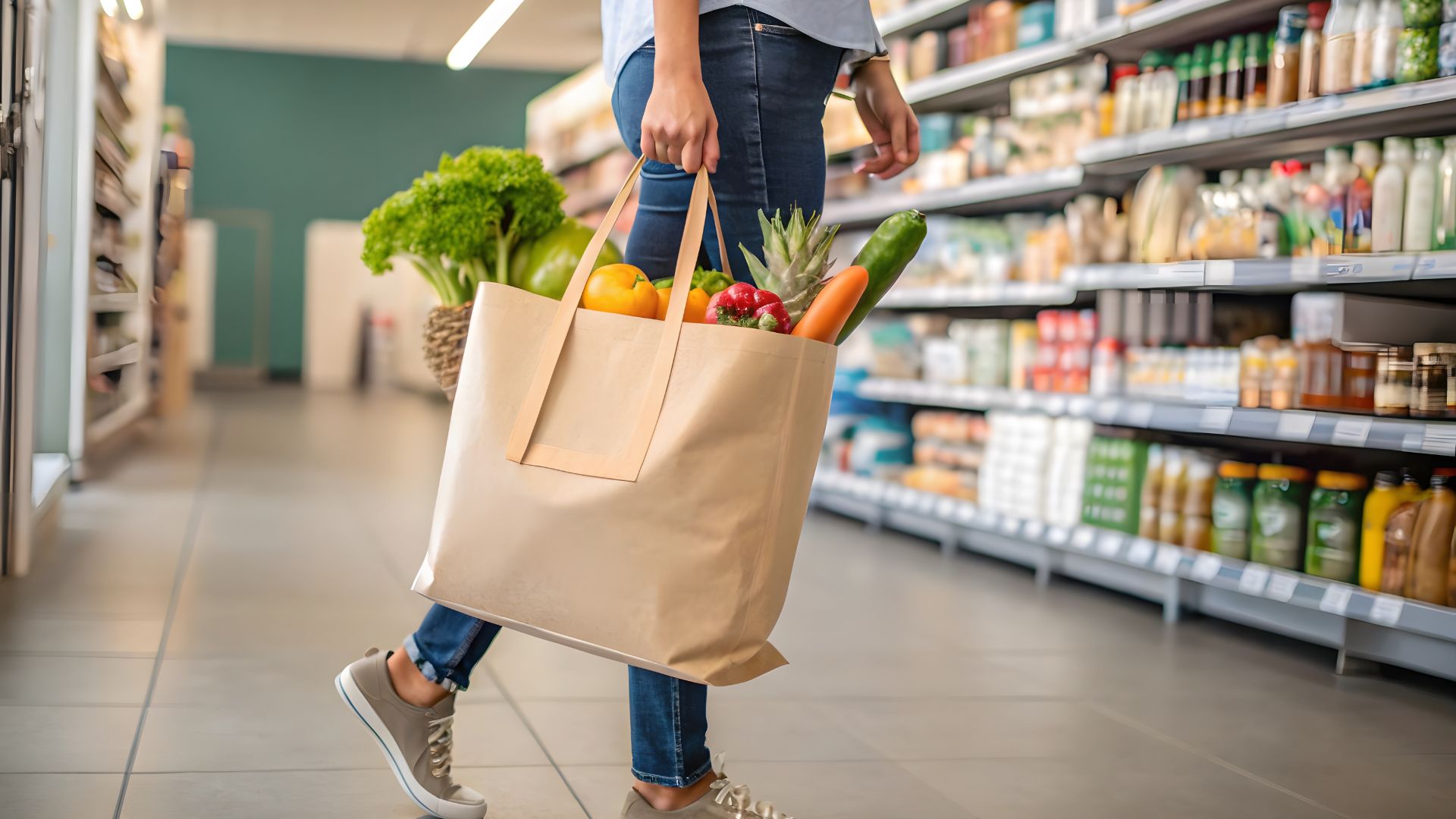
Why Healthy and Affordable Grocery Shopping Matters
Before we dive into the tips, let’s address something important. Many people assume healthy eating is expensive, and frankly, it can be if you don’t shop smart. Processed convenience foods often seem cheaper upfront, but they cost you more in the long run through health issues, less energy, and actually needing to eat more because they’re not filling.
Learning how to grocery shop healthy on a tight budget means investing in your health now instead of paying for it later. Plus, when you know what you’re doing, whole foods like beans, rice, eggs, and seasonal produce are often cheaper per serving than packaged meals or takeout.
Planning Before You Shop: The Foundation of Budget-Friendly Healthy Grocery Lists
The biggest mistake people make isn’t what they buy, it’s shopping without a plan. Walking into a store hungry and without a list is like throwing money away. You’ll grab whatever looks good, forget what you already have at home, and end up with ingredients that don’t make complete meals.
Start by checking your pantry, fridge, and freezer. What do you already have? What’s about to expire? Build your meals around these items first. Then, plan your meals for the week. You don’t need fancy meal prep containers or complicated recipes. Just know what you’re eating for the next five to seven days.
Create a detailed shopping list organized by store sections. This keeps you focused and prevents those “oh, that looks good” impulses that destroy budgets. When you know exactly what you need, you spend less time in the store and less money overall.
How to Shop Smart for Healthy Groceries: Store Navigation Tips
Not all grocery stores are created equal, and where you shop matters for your budget. Compare prices between different stores in your area. Discount grocery chains, ethnic markets, and even dollar stores often have excellent produce and staples at lower prices than traditional supermarkets.
Shopping the perimeter of the store is classic advice for a reason. That’s where you’ll find fresh produce, dairy, meat, and whole foods, the core of healthy and affordable grocery shopping. The middle aisles are packed with processed items that cost more per serving and offer less nutrition. That said, the middle aisles have treasures too: dried beans, whole grains, canned tomatoes, and frozen vegetables.
Generic or store brands are usually identical in quality to name brands but cost significantly less. The packaging might not be as flashy, but your body doesn’t care about marketing. Save 20 to 40 percent by choosing store brands for staples like rice, oats, canned goods, and dairy products. If you’re following a diet for muscle gain, prioritizing affordable protein sources like eggs, Greek yogurt, chickpeas, and canned tuna can help you build strength without overspending.
Best Affordable Healthy Foods to Buy
Let’s talk about what actually belongs in your cart. These budget-friendly healthy grocery list staples give you the most nutrition for your money.
Protein Sources That Won’t Break the Bank
Forget expensive cuts of meat as your only protein option. Eggs are nutritional powerhouses and one of the cheapest proteins available. A dozen eggs costs less than most single servings of meat and provides versatile, high-quality protein for breakfast, lunch, or dinner.
Dried beans and lentils are incredibly affordable high high-protein grocery foods. A one-pound bag costs a couple of dollars and makes multiple meals. They’re packed with fiber, vitamins, and minerals. Yes, they take time to cook, but you can make large batches and freeze portions for quick meals later.
Canned tuna and salmon offer omega-3 fatty acids at reasonable prices. Chicken thighs cost less than breasts and have more flavor. Ground turkey or chicken often goes on sale and can be portioned and frozen. Greek yogurt provides protein and probiotics while costing less than many protein bars or shakes.
Inexpensive Nutrient-Dense Foods: Fruits and Vegetables
Here’s where many people overspend. Fresh produce is essential, but you need to be strategic. Buy whatever’s in season because it’s cheaper and tastes better. Apples, bananas, carrots, cabbage, and potatoes are almost always affordable.
Frozen vegetables are just as nutritious as fresh, sometimes more so because they’re frozen at peak ripeness. They’re pre-washed, pre-cut, don’t spoil quickly, and often cost less per serving than fresh. Stock your freezer with frozen broccoli, spinach, mixed vegetables, and berries.
Farmer’s markets near closing time often discount produce. Imperfect or “ugly” produce programs sell cosmetically flawed fruits and vegetables at deep discounts. The slightly bruised apple tastes the same in your oatmeal.
Whole Grains and Starches
White rice, brown rice, oats, and whole wheat pasta are cheap weekly healthy grocery list staples that provide energy and fiber — perfect for healthy and affordable grocery shopping on any budget. Buying in bulk saves even more. Sweet potatoes and regular potatoes are filling, nutritious, and cost pennies per serving.
Whole-grain bread goes on sale regularly. When it does, stock up and freeze extra loaves. Bread freezes beautifully and thaws in minutes. You can also add science-backed superfoods like berries, spinach, chia seeds, and Greek yogurt, which offer antioxidants, protein, and heart-healthy benefits without breaking the bank when purchased in season or in bulk.
Money Saving Tips for Clean Eating
Clean eating doesn’t require expensive superfoods or trendy ingredients. It’s about eating whole, minimally processed foods, which are often the cheapest options anyway.
Buy whole foods and do the prep yourself. Pre-cut vegetables, pre-marinated meats, and ready-to-eat meals cost two to three times more than their whole counterparts. Spending 30 minutes chopping vegetables on Sunday saves serious money throughout the week.
Use every part of what you buy. Vegetable scraps make stock. Chicken bones make broth. Stale bread becomes croutons or breadcrumbs. Overripe bananas become smoothies or banana bread. Reducing food waste is one of the most effective ways to save money on healthy groceries.
How to Shop Organic on a Budget
Organic sounds expensive, and it can be. But if organic matters to you, be strategic about it. The Environmental Working Group publishes the “Dirty Dozen” list of produce with the highest pesticide residues. If you’re going to buy organic, prioritize these items: strawberries, spinach, apples, and tomatoes usually make the list.
The “Clean Fifteen” are conventionally grown produce with the lowest pesticide residues. Save money by buying these conventional items: avocados, sweet corn, pineapple, and onions are typically included.
Store brand organic options cost less than name-brand organic. Buying organic grains and beans in bulk dramatically reduces the price per serving.
Affordable Meal Prep Grocery Tips
Meal prep isn’t just for fitness enthusiasts. It’s a powerful tool for anyone trying to eat healthy on a low budget. When you prep meals in advance, you’re less likely to order expensive takeout or grab unhealthy convenience foods.
Choose recipes that use overlapping ingredients. If you’re buying spinach, use it in salads, smoothies, and pasta dishes throughout the week. When chicken goes on sale, buy extra, cook it all, and use it in different meals: tacos, salads, stir-fries, and soups.
Batch cooking saves time and money. Make large pots of chili, soup, or curry that improve with time and freeze well. Having healthy homemade meals in your freezer means you always have an affordable option ready. And for busy days, keep a few quick high-protein snack options like boiled eggs, Greek yogurt cups, or roasted chickpeas so you’re fueled without overspending.
Grocery Store Hacks for Healthy Eating
Shop alone if possible. Kids and even partners can derail your budget with requests for snacks and treats. If you must bring family members, set clear expectations before entering the store.
Never shop hungry. This is the most repeated advice for good reason. Hunger makes everything look appealing and clouds your judgment. Eat a snack before heading to the store.
Check unit prices, not just total prices. A larger package might seem more expensive, but it costs less per ounce or pound. However, only buy larger quantities if you’ll actually use everything before it spoils.
Download your store’s app and check digital coupons before shopping. Many stores offer personalized discounts based on your shopping history. Some apps let you scan items and compare prices with other nearby stores.
Shop on specific days when stores mark down meat, dairy, and bread approaching their sell-by dates. These items are perfectly safe but are discounted 30 to 50 percent. Use or freeze them immediately.
Budget Healthy Grocery List for Families
Feeding a family healthy meals on a budget requires extra planning but follows the same principles. Focus on stretching proteins with grains and vegetables. Casseroles, stir-fries, and one-pot meals make a small amount of meat feed several people.
Get kids involved in meal planning. They’re more likely to eat what they helped choose and prepare. Teaching children about nutrition and budgeting sets them up for lifelong healthy habits.
Pack lunches and snacks instead of relying on school cafeterias or vending machines. The cost adds up quickly, and homemade options are usually healthier. Affordable healthy snacks like apple slices with peanut butter, homemade trail mix, or carrot sticks with hummus cost less than packaged alternatives. You can also include simple pre work out food for recovery, like bananas, yogurt, or a small peanut-butter sandwich, to keep kids energized for sports or after-school activities without spending extra.
Budget Grocery Shopping for Weight Loss
Weight loss doesn’t require special diet foods or expensive supplements. In fact, many “diet” products cost more and aren’t necessarily healthier. Focus on whole foods that keep you full: lean proteins, vegetables, whole grains, and healthy fats in appropriate portions.
Inexpensive nutrient nutrient-dense foods naturally support weight loss because they’re filling and satisfying without excessive calories. Foods like eggs, Greek yogurt, beans, vegetables, and whole grains keep you energized and less likely to overeat.
Avoid buying trigger foods just because they’re on sale. If chips, cookies, or ice cream derail your efforts, they’re not worth any discount. Save your money and your progress by simply not bringing them home.
Common Challenges and How to Overcome Them
Let’s be honest about the obstacles. Time is a real constraint. If you’re working multiple jobs or managing a busy family schedule, elaborate meal planning feels impossible. Start small. Plan just three meals to begin with. Use a slow cooker or pressure cooker to minimize hands-on cooking time.
Food deserts are real problems in many communities. If you don’t have access to full-service grocery stores, you’ll need to get creative. See if local churches or community centers offer food programs. Look into community-supported agriculture programs or food co-ops. Some areas have grocery delivery services that might open up more options.
Limited kitchen equipment or storage can make budget cooking harder. Focus on one-pot meals that don’t require extensive cookware. If you lack freezer space, shop more frequently for smaller quantities of fresh food. Dried and canned goods don’t require refrigeration and last months.
How to Avoid Overspending on Groceries
Set a realistic weekly or monthly grocery budget and track your spending. Cash envelopes work for some people. Take out your budgeted amount in cash and only spend that. When it’s gone, you’re done shopping for the period.
Review your receipts and identify patterns. Are you consistently overspending on drinks, snacks, or convenience items? These are easy areas to cut back without sacrificing nutrition.
Consider a grocery challenge once a month where you shop your pantry and freezer before buying anything new. You’ll be surprised at what complete meals you can make from forgotten ingredients.
Putting It All Together
Healthy and affordable grocery shopping becomes easier with practice. Your first few shopping trips using these strategies might take longer as you compare prices, read labels, and adjust to new habits. That’s completely normal. Eventually, these behaviors become automatic, and you’ll navigate the store efficiently while staying within budget.
Remember, perfection isn’t the goal. You won’t always find every sale, meal prep perfectly, or avoid all impulse purchases. What matters is making better choices more often than not. Even small improvements in your grocery shopping habits add up to significant savings and better health over time.
Start with one or two strategies from this guide. Maybe this week you’ll focus on planning meals and making a detailed list. Next week, you might explore cheaper protein options or try frozen vegetables. Gradual changes stick better than trying to overhaul everything at once.
Your health is worth investing in, and eating well doesn’t require a fortune. With these healthy and affordable grocery shopping tips, you can nourish your body, enjoy delicious food, and keep money in your pocket for other important things.
Frequently Asked Questions
Q: What are the cheapest healthy foods I can buy on a tight budget?
The most budget-friendly healthy foods include eggs, dried beans and lentils, oats, brown rice, frozen vegetables, bananas, carrots, potatoes, canned tomatoes, and peanut butter. These staples provide excellent nutrition, cost under two dollars per pound, and form the basis of countless healthy meals. Buying these items in bulk when possible stretches your budget even further.
Q: How much should I budget for healthy groceries each week?
A realistic budget varies by location and household size, but generally plan for $50 to $75 per person per week for healthy eating. Singles might spend $40 to $60 weekly, while families of four might budget $200 to $300. These numbers assume home cooking, minimal processed foods, and smart shopping strategies. Track your spending for a few weeks to find your baseline, then work to reduce it using the tips in this guide.
Q: Is buying organic worth it on a budget, or should I skip it entirely?
Buying organic selectively is the best approach for budget shoppers. Prioritize organic versions of the “Dirty Dozen” produce items that typically have higher pesticide residues, like strawberries, spinach, and apples. Save money by buying conventional “Clean Fifteen” items like avocados, cabbage, and onions. Remember that eating conventional fruits and vegetables is far healthier than not eating produce at all due to budget concerns.
Q: How can I meal prep on a budget without wasting food?
Start by planning meals that share ingredients to avoid buying items you’ll only use once. Cook proteins and grains in bulk at the beginning of the week, then mix and match throughout the week with different vegetables and seasonings. Store prepped ingredients separately rather than assembled meals for more flexibility. Freeze portions immediately if you won’t eat them within three to four days, and always label containers with contents and dates.
Q: What are some healthy, affordable snacks I can buy instead of junk food?
Replace expensive packaged snacks with budget-friendly options like air-popped popcorn, apple slices with peanut butter, carrot sticks with hummus, hard-boiled eggs, Greek yogurt with frozen berries, homemade trail mix using bulk nuts and dried fruit, string cheese, or whole grain crackers. Making snacks from whole ingredients costs significantly less than pre-packaged options and gives you control over sugar, salt, and unhealthy fats.