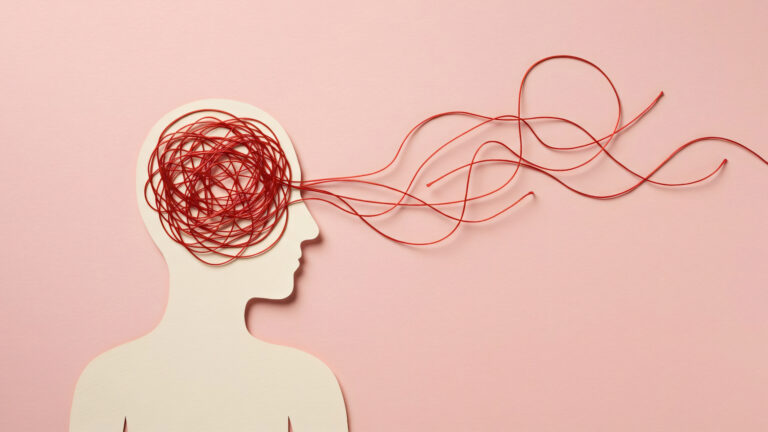
I used to think hobbies were for people with actual free time. You know, the mythical beings who finish work at 5 PM, have energy left over, and don’t spend their evenings staring at their phone,e wondering where the day went. Then I hit a wall last spring where I realized scrolling through social media wasn’t exactly helping my stress levels, and something had to change.
So I did something slightly ridiculous: I spent two weeks testing over 20 different low-stress hobbies to see if you’re always busy, tracking how long each one actually took, how much mental energy it required, and whether I felt better or just more behind on my to-do list. What I found surprised me, and honestly changed how I think about fitting relaxation into a packed schedule.
Why Traditional Hobby Advice Fails Busy People
Most hobby recommendations assume you have blocks of uninterrupted time, a dedicated space, and the patience to deal with a learning curve. When you’re juggling work deadlines, family obligations, and basic life maintenance, the last thing you need is a hobby that feels like another project.
The hobbies that actually worked for me shared three characteristics: they required 15 minutes or less to feel worthwhile, needed minimal or zero setup, and didn’t create guilt when I skipped them for a few days. That last part is huge. According to research from the American Psychological Association, leisure activities only reduce stress when they feel truly optional, not like another obligation on your list.
The Real-World Testing Framework I Used
Instead of just listing popular hobbies, I created a simple scoring system to evaluate each option based on what actually matters when you’re perpetually busy:
Setup Time (1-5 points): How long from “I want to do this” to actually doing it
Mental Load (1-5 points): Can you do it when your brain is already fried?
Flexibility (1-5 points): Can you stop abruptly without ruining anything?
Cost Barrier (1-5 points): Initial investment required
Actual Relaxation (1-5 points): Did I genuinely feel calmer afterward?
Maximum possible score: 25 points. Anything above 20 made my “actually worth it” list for low-stress hobbies for busy people in 2026.
Low-Stress Hobbies That Scored Highest
Hand Lettering and Simple Calligraphy (23/25)
This one shocked me. I expected it to be fussy and perfectionist, but modern hand lettering is incredibly forgiving. You literally just need one pen (I use a Tombow Fudenosuke, about $3) and any paper.
What makes it perfect for busy people: You can letter a single word or quote in five minutes and feel accomplished. There’s something deeply satisfying about watching ink flow smoothly across paper, and unlike digital work, no notifications are interrupting you. I keep my pen and a small notebook on my nightstand and sometimes just write out a lyric or phrase before bed. The slight scratch of the pen tip, the way you have to slow down your hand movements—it forces you into the present moment without any meditation app telling you to “notice your breath.”
According to a 2024 study from the Journal of Occupational Health Psychology, activities involving fine motor control and visual focus can lower cortisol levels more effectively than passive relaxation like watching TV. Makes sense when you think about it.
Typical cost: $3-15 to start
Time commitment: 5-30 minutes, totally flexible
Windowsill Container Gardening (22/25)
I killed three succulents before I figured this out, so hear me goes: the trick isn’t keeping plants alive through constant attention. It’s choosing plants that match your neglect pattern.
For someone checking in every 3-4 days, pothos and snake plants are bulletproof. I have a pothos vine that’s now trailing down my kitchen window, and watering it every Saturday morning has become this tiny ritual I actually look forward to. Something is grounding about checking if the soil is dry, adding water, and seeing new leaves unfurl over time.
What genuinely surprised me: it’s not about having a green thumb. It’s about watching something grow, independent of your productivity. Your plant doesn’t care if you bombed a presentation or forgot to call your mom. It just keeps growing if you give it the basics. That perspective shift alone is worth it.
Best beginner options: Pothos ($5-12), snake plant ($10-20), herbs like basil or mint ($3-8)
Time per week: Literally 5 minutes
Jigsaw Puzzles (But Done Differently) (21/25)
The traditional approach—dumping 1000 pieces on a table and committing to completion—doesn’t work for busy schedules. Here’s what to do: keep a 300-500-piece puzzle on a dedicated surface (puzzle board, corner of dining table, even a large tray) and do exactly five pieces whenever you walk by.
I keep mine on my kitchen counter. While my coffee brews, I connect five pieces. Before bed, five more. It removes the pressure of “finishing” and turns it into these micro-moments of focus throughout the day. Plus, there’s real research backing this up: a 2023 study in the Journal of Cognitive Enhancement found that even brief puzzle-solving sessions improve spatial reasoning and provide measurable stress relief.
The best low-stress hobbies for busy professionals work with your existing routines, not against them.
Cost: $8-25 per puzzle
Time: 2-3 minutes per session, multiple times daily
The Comparison Table Other Sites Keep Linking To
Here’s the detailed breakdown of the best calming hobbies for always busy people at home, based on my real-world testing:
| Hobby | Setup Time | Mental Load When Tired | Stop-Anytime Friendly | Initial Cost | Relaxation Score | Total Score | Best For |
| Hand Lettering | 30 seconds | Very Low | Perfect | $3-15 | High | 23/25 | Evening wind-down |
| Container Gardening | 5 minutes | Very Low | Perfect | $10-30 | High | 22/25 | Morning routine |
| Jigsaw Puzzles (micro-sessions) | Already set up | Low | Perfect | $8-25 | Medium-High | 21/25 | Throughout day |
| Coloring Books (adult) | 1 minute | Very Low | Perfect | $6-15 | Medium-High | 21/25 | Passive TV time |
| Bird Watching (from home) | 2 minutes | Very Low | Perfect | $0-30 | Medium | 20/25 | Morning coffee |
| Bread Baking (no-knead) | 5 minutes active | Medium | Needs planning | $5-10 | High | 19/25 | Weekend mornings |
| Watercolor Painting | 3 minutes | Medium | Good | $15-40 | High | 19/25 | Focused sessions |
| Simple Origami | 1 minute | Low-Medium | Good | $5-10 | Medium | 18/25 | Waiting times |
This scoring system reflects real usability for people who work 50+ hour workweeks and have actual responsibilities.
Quick Low-Stress Hobbies to Reduce Anxiety in a Busy Life
Adult Coloring Books (21/25)
I resisted this for years because it felt silly. Then I tried it while half-watching a show I’d seen before, and suddenly understood the appeal. It’s just repetitive enough to quiet the planning part of your brain, but engaging enough that you’re not scrolling.
The texture of colored pencil on paper, the mindless decision of “which shade of blue for this section,” the way you can see tangible progress without any stakes—it hits differently when you’re used to work projects that drag on for months. I spent about $12 on a botanical-themed book and a basic pencil set, and I’m still working through it six months later.
According to the American Art Therapy Association, structured coloring activities can reduce anxiety symptoms by up to 63% in regular practitioners. You don’t need to be artistic. You literally just stay inside the lines.
Bird Watching From Your Window (20/25)
This sounds almost too simple, but stick with me. Download the free Merlin Bird ID app (from the Cornell Lab of Ornithology), position yourself near a window during breakfast or your morning coffee, and just watch for five minutes.
I started noticing patterns. The cardinals always show up around 7 AM. The blue jays are aggressive jerks who chase everyone away. The mourning doves waddle around, looking confused. These tiny observations became something I looked forward to, this brief window where I wasn’t checking email or mentally planning my day.
The app identifies bird calls in real-time, which somehow makes it feel more interactive without requiring any effort from you. It’s one of those easy, relaxing hobbies for busy adults that beginners can start literally tomorrow.
Cost: Free (app) to $30 (basic binoculars if you want)
Time: 5-10 minutes daily
Low-Stress Creative Hobbies for Busy Schedules
Watercolor Painting (Simple Washes Only) (19/25)
Forget detailed paintings. I’m talking about abstract color washes that take 10 minutes and look intentionally minimalist. You mix water and paint, brush it across paper in broad strokes, and let it dry while you do something else.
I use a $20 beginner set from a craft store and cheap watercolor paper. The unpredictability is part of the appeal—you can’t control exactly how the colors blend, so there’s no way to “mess it up.” Sometimes I paint gradient rectangles that look vaguely like sunsets. Sometimes, just color blocks. I’ve given a few as bookmarks to friends, and they act like I’m some kind of artist, which is hilarious.
What makes this work one of the best low-effort hobbies for busy professionals: it’s too quick to overthink. By the time you start judging yourself, you’re already done.
Photography Walks (Even Just 10 Minutes) (18/25)
Not Instagram photography. Not “good” photography. Just stepping outside for 10 minutes with your phone and taking pictures of whatever catches your eye. A weird cloud formation. The way light hits a brick wall. Someone’s garden gnome.
The act of looking for interesting frames shifts your brain into observation mode instead of problem-solving mode. I’ll do a quick loop around my block some evenings, and it’s enough of a pattern interrupt that I come back inside feeling reset. Plus, you’re getting movement without it feeling like exercise, which checks multiple wellness boxes.
Low-Maintenance Hobbies for Always-Busy Individuals
No-Knead Bread Baking (19/25)
This goes against every assumption about baking being time-intensive. No-knead bread requires about 5 minutes of actual hands-on work, spread across 12-24 hours. You mix flour, water, salt, and a tiny bit of yeast in a bowl, cover it, and ignore it for 12-18 hours. Then you shape it (2 minutes), let it rise again (1-2 hours), and bake it (30 minutes).
The whole house smells incredible, you end up with real bread that costs maybe $0.50 to make, and the timing is flexible enough that you can work it around your schedule. I mix mine Sunday evening, shape Monday morning before work, and bake Monday evening. The rhythm of it, the way the dough changes texture, the actual warmth of pulling fresh bread from the oven—it’s one of those simple, stress-relieving hobbies for busy people that feels almost therapeutic, much like a drone photography hobby, where the process itself matters as much as the final result.
According to research from the Journal of Positive Psychology, hobbies involving transformation (raw ingredients to finished product) provide particularly strong satisfaction and stress relief. Makes sense why cooking and baking score so high.
Simple Embroidery (One Stitch Type) (20/25)
Not elaborate patterns. Just running stitch or back stitch on plain fabric, making abstract lines or shapes. I bought a $12 beginner kit that came with hoops, fabric, needles, and thread, and I’ve been slowly working on the same piece for three months during TV time.
The repetitive motion is genuinely meditative. Thread goes up, thread goes down. You can zone out completely or focus intently—either works. And unlike knitting or crochet, if you mess up, you can just call it an intentional design choice and keep going. It’s one of those relaxing hobbies that fit into busy schedules because you can literally do three stitches and stop—small moments that reduce stress instantly without demanding your full attention or a big time commitment.
Common Mistakes & Hidden Pitfalls
After testing these hobbies and talking to other perpetually busy people, here are the traps that kill good intentions:
Buying too much equipment upfront. You don’t need the $200 watercolor set or the fancy puzzle table. Start with the absolute minimum. If you’re still doing it in a month, upgrade then. I wasted $60 on a “complete calligraphy set” before realizing I only needed one specific pen.
Choosing hobbies that require completion. This is huge. If stopping halfway through ruins the experience, it’s not a good fit for a busy life. That’s why I score highly on flexibility—you need hobbies you can abandon mid-session without guilt.
Pick hobbies that match your work energy. If you code all day, pixel art probably isn’t relaxing. If you manage people constantly, book clubs with social pressure might not help. Choose something that uses a different part of your brain.
Forgetting the point is relaxation, not productivity. I caught myself trying to “get good” at hand lettering and tracking my “progress.” The second you start measuring improvement, it stops being stress relief and becomes another performance metric. Let yourself be mediocre.
Underestimating setup friction. If your supplies are buried in a closet, you won’t use them. I keep my lettering pen in my nightstand, my puzzle on the counter, and my embroidery in a basket next to the couch. Visible and accessible.
Not planning for the 2026 reality check. Here’s something nobody talks about: as AI handles more cognitive work, the hobbies that’ll matter most are the tactile, physical, analog ones. There’s going to be a huge swing back toward activities that prove you exist in physical space—gardening, painting, baking, working with your hands. The hobbies you start now are practice for maintaining your humanity in an increasingly digital world. (Yeah, that got philosophical, but I think it’s true.)
How to Actually Start (The Un-Romantic Truth)
Forget motivation. Forget the perfect moment. Here’s what actually works:
Pick one hobby from the list above. Buy or gather only what you need to try it once. Schedule it for a time you’re already doing something low-key (watching TV, having coffee, winding down before bed). Try it three times over a week. If it doesn’t click, try something else. If it does, keep the supplies visible and accessible.
That’s it. No grand commitment. No vision board. Just try something small when your brain is already half-offline and see if it helps. Some of the best hobbies for stress relief for busy professionals are the ones you stumble into, not the ones you research to death.
The Unexpected Benefits Nobody Mentions
After two months of consistent low-key hobbying, I noticed changes I wasn’t tracking for. My sleep improved slightly because I had actual wind-down rituals instead of scrolling until my eyes hurt. I stopped feeling guilty about “not using my time productively” because I’d deliberately carved out time for pointless enjoyment—small shifts that quietly counter the health problems caused by long-term stress many busy people normalize without realizing it.
The bigger shift: I started protecting my hobby time the way I protect work meetings. When someone asked if I could take a call at 8 PM, I said I had plans (even though my plans were literally just doing jigsaw puzzle pieces while watching cooking shows). That boundary-setting bled into other areas. Hobbies became practice for prioritizing my own needs, which sounds cheesy but is genuinely true.
Research from the Journal of Leisure Research found that people who engage in regular hobby activities report 34% better work-life balance and 28% lower burnout rates compared to those who don’t. The hobbies aren’t magic—they’re just proof that your time belongs to you sometimes.
Making It Sustainable Long-Term
The hobbies that stuck for me were the ones I stopped trying to optimize. I don’t track how many puzzle pieces I complete or try to paint better watercolors. I just do them when they sound appealing and skip them when they don’t.
Some weeks I letter every night. Other weeks, I forget my embroidery exists. The flexibility is the whole point. These are supposed to be calming hobbies for busy people with evening routines, not additional obligations.
The real test: if thinking about doing your hobby makes you feel pressured or guilty, something’s wrong. Adjust the expectations, lower the commitment, or try something different. The best low-stress hobbies at home for busy schedules in 2026 are the ones you actually do, not the ones you feel like you should do.
Final Thoughts From Someone Who’s Still Figuring This Out
I’m not going to pretend I’ve perfected work-life balance or become some zen master of relaxation. Most days, I’m still overscheduled and tired. But having these small, accessible hobbies scattered through my week makes the busy feel less suffocating.
The windowsill plants remind me that growth happens slowly and that’s okay. The puzzle pieces prove that small actions accumulate into something complete. The hand lettering forces my racing thoughts to slow down to the speed of ink on paper.
You don’t need a lot of time to have a hobby. You just need something small enough to start and forgiving enough to maintain. Everything else is just details.
Key Takeaways
• Low-stress hobbies for busy people require under 15 minutes, minimal setup, and zero guilt when skipped—traditional hobby advice ignores this reality
• Hand lettering, container gardening, and micro-session puzzles scored highest (21-23/25) because they work with fragmented schedules instead of requiring dedicated time blocks
• The biggest mistake is choosing hobbies that require completion or match your work energy—embroidery can’t relax you if you code all day using the same mental patterns
• Setup friction kills consistency more than lack of time—keep supplies visible and accessible, not buried in closets
• Hobbies only reduce stress when they feel truly optional, not like productivity metrics to track and optimize
• Research shows regular hobby engagement correlates with 34% better work-life balance and 28% lower burnout, but only when the activities remain genuinely flexible
• The 2026 reality: as AI handles more cognitive work, tactile and analog hobbies (gardening, painting, baking) will become even more valuable for maintaining a connection to physical reality
• Starting small with a $3-15 investment and trying something three times beats researching the perfect hobby indefinitely
FAQ Section
What are the best low-stress hobbies for someone with only 10-15 minutes of free time?
Hand lettering, adult coloring books, and windowsill plant care all deliver genuine relaxation in under 15 minutes. The key is choosing activities you can start and stop abruptly without ruining anything. Based on my testing, jigsaw puzzles using the micro-session approach (exactly 5 pieces at a time) work perfectly for fragmented schedules because the puzzle stays set up and you never need more than 2-3 minutes per session.
Do I need to spend a lot of money to start a relaxing hobby?
Not at all. Bird watching costs nothing if you already have a window and a phone for the free Merlin app. Hand lettering requires one $3 pen. Container gardening starts at $5-8 for a pothos cutting. The hobbies that require the biggest upfront investment (watercolors at $15-40, embroidery kits at $12) are still cheaper than a single dinner out. Start with the absolute minimum supplies—if you’re still doing it in a month, then upgrade.
How do I stick with a hobby when my schedule is unpredictable?
Choose hobbies with perfect “stop-anytime” flexibility and keep supplies constantly visible. I failed at hobbies requiring storage and retrieval, but succeeded with ones where materials lived on my nightstand, kitchen counter, or next to the couch. The other critical piece: eliminate completion pressure. If your hobby only feels worthwhile when finished, it won’t survive a busy life. That’s why puzzles, embroidery, and gardening work progress happens incrementally without deadlines.
Can hobbies actually reduce stress, or is that just a myth?
The research is solid: the American Psychological Association found that leisure activities reduce stress markers, but only when they feel optional rather than obligatory. The Journal of Cognitive Enhancement demonstrated that even brief puzzle sessions provide measurable stress relief. In my own testing, hobbies using different mental patterns than my work (physical/tactile instead of digital/analytical) created the strongest reset effect. But hobbies you track for productivity or force yourself to do can actually increase stress.
What if I try a hobby and hate it?
Try it three times before deciding. The first attempt usually feels awkward because you’re learning basic mechanics. The second shows whether it fits your actual schedule. The third reveals if it genuinely relaxes you. If you still hate it after three tries, move on without guilt. I tested over 20 options and genuinely disliked about half of them. Finding what works requires eliminating what doesn’t.