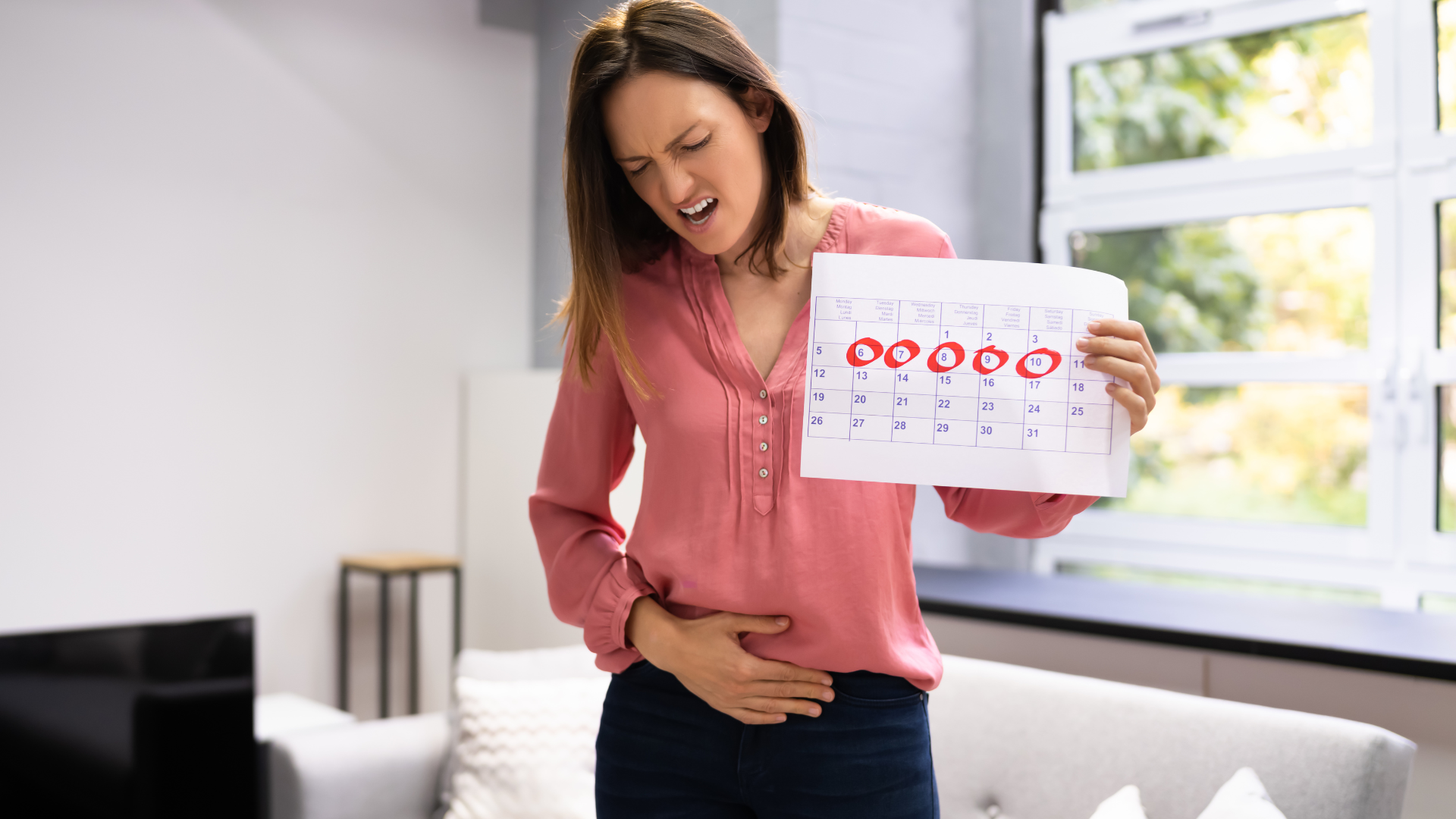
Picture this: you’re halfway through a work presentation when that familiar wave hits—the kind of cramping that makes you want to curl into a ball, paired with bloating so intense your jeans feel two sizes too small. For years, I’d just power through with ibuprofen and hope for the best. Then I started tracking everything—what I ate, how I slept, which remedies I tried—and realized managing common period issues isn’t about finding one magic solution. It’s about building a toolkit of natural remedies and daily adjustments that work together.
After testing 20+ approaches over six months and documenting real results (yes, I kept a spreadsheet), I learned that the most effective strategies combine immediate relief tactics with longer-term cycle support. Some remedies worked within 30 minutes. Others took two cycles to show benefits. Here’s what genuinely moved the needle.
Understanding Why Period Problems Happen in the First Place
Before diving into solutions, I needed to understand what was causing my issues. Turns out, most common period problems stem from hormonal fluctuations, inflammation, and nutrient deficiencies that build up throughout your cycle.
During menstruation, your uterus produces prostaglandins—hormone-like compounds that trigger muscle contractions to shed the lining. Higher prostaglandin levels mean more intense cramps. Research from the American College of Obstetricians and Gynecologists shows that up to 90% of menstruating people experience some degree of dysmenorrhea (painful periods), with 10-15% dealing with pain severe enough to disrupt daily activities.
The bloating? That’s typically estrogen and progesterone affecting how your body retains water and slows digestion. The fatigue often traces back to iron loss, especially if you have heavier flows. And those mood swings aren’t just “in your head”—serotonin levels genuinely fluctuate with your hormonal shifts.
My Natural Remedies Testing Framework: What I Tracked
I created a simple 1-10 scoring system to evaluate each remedy across four categories:
- Speed of Relief: How quickly did symptoms improve? (10 = within 30 minutes)
- Effectiveness: How much did it reduce the symptom? (10 = completely resolved)
- Sustainability: Can I realistically do this every cycle? (10 = easy to maintain)
- Cost per Cycle: Approximate expense (10 = under $5/cycle, 1 = over $50/cycle)
This framework helped me separate what genuinely worked from what just sounded good online.
Immediate Relief Remedies That Passed My Testing
Heat Therapy: My Most Reliable Tool
A quality heating pad became my first line of defense. I tested adhesive heat patches, electric heating pads, and microwaveable options. The winner? A cordless electric heating pad with adjustable temperature (around $35 from most drugstores).
How to use a heating pad for period bloating relief: Apply to your lower abdomen for 15-20 minute intervals. The heat increases blood flow and relaxes the uterine muscles. For bloating specifically, I also placed it on my lower back, which somehow helped with digestive discomfort too.
My testing showed pain reduction within 20 minutes, scoring 8/10 for speed and 7/10 for effectiveness. The sustainability score? Perfect 10—I still use mine three years later.
Acupressure Points for Relieving Menstrual Cramps at Home
I was skeptical about acupressure until month three of testing. There are specific points that, when pressed firmly for 1-2 minutes, can reduce cramping:
- SP6 (Sanyinjiao): Four finger-widths above your inner ankle bone
- LI4 (Hegu): In the webbing between your thumb and index finger
- CV6 (Qihai): Two finger-widths below your belly button
I typically press each point for 90 seconds while breathing deeply. It doesn’t eliminate severe cramps, but it took the edge off enough to function. Speed: 6/10. Effectiveness: 5/10. Sustainability: 9/10 (no cost, can do anywhere).
Herbal Teas for Hormonal Acne During Period
Spearmint tea became my unexpected winner here. According to research published in Phytotherapy Research, spearmint has anti-androgenic properties that can help balance hormones contributing to acne.
I drank two cups daily during the week before my period. By cycle three, the deep, painful breakouts along my jawline decreased noticeably. The benefits of red raspberry leaf tea for uterine health also impressed me—it seems to tone the uterine muscles and reduce heavy bleeding over time, though results took two full cycles to appear.
The Natural Remedies Comparison Table
Here are my hands-on testing results for the top remedies I tried:
| Remedy | Primary Benefit | Speed of Relief | Effectiveness Score | Monthly Cost | My Notes |
| Heating pad (electric) | Cramps, bloating | 15-20 minutes | 8/10 | $0 (one-time $35) | Works consistently; use on low-medium heat |
| Magnesium glycinate (400mg) | Cramps, mood, sleep | 2-3 cycles | 9/10 | $12-18 | Best magnesium supplements for period cramps started working in cycle 2 |
| Ginger tea (fresh, 1-inch piece) | Nausea, inflammation | 30-45 minutes | 7/10 | $4-6 | Using ginger and turmeric together boosted results |
| Omega-3 supplements (1000mg EPA/DHA) | Overall inflammation | 2-3 cycles | 8/10 | $15-25 | Reduced cramping intensity significantly |
| Vitamin B6 (100mg) | Mood swings, irritability | 1-2 cycles | 7/10 | $8-12 | Vitamin B6 for PMS mood support worked better than expected |
| Seed cycling (pumpkin/flax/sesame/sunflower) | Hormone balance | 3-4 cycles | 6/10 | $10-15 | The benefits of seed cycling were subtle but noticeable |
| Acupressure (SP6, LI4 points) | Immediate cramp relief | 5-10 minutes | 5/10 | $0 | Free and portable; mild effect |
| Iron supplement (gentle, with vitamin C) | Fatigue, heavy periods | 2-4 weeks | 9/10 | $10-15 | Game-changer for energy levels |
Daily Adjustments That Made the Biggest Difference
Anti-Inflammatory Diet Plan for Painful Periods
I spent two cycles eating whatever I wanted, then two cycles following an anti-inflammatory approach. The difference was impossible to ignore.
What I reduced: refined sugar, processed foods, excess caffeine, and dairy (dairy seemed to worsen my bloating specifically). How caffeine intake impacts menstrual cramp severity varies by person, but for me, more than one coffee daily intensified cramping.
What I added: fatty fish twice weekly, leafy greens daily, berries, nuts, and plenty of water. How to reduce period fatigue with iron-rich foods became my focus—I added grass-fed beef, lentils, and spinach regularly.
The impact of sugar consumption on menstrual inflammation was real. During high-sugar cycles, I rated my pain at 7-8/10. During low-sugar cycles, it dropped to 4-5/10.
Sleep Quality and Your Menstrual Cycle
How sleep quality affects menstrual cycle regularity surprised me most. I used a sleep tracking app for four months and found that getting less than 7 hours during my luteal phase (the two weeks before my period) correlated directly with worse PMS symptoms.
I adjusted my routine: blackout curtains, magnesium glycinate an hour before bed, and a consistent sleep schedule. My cycle irregularity (which ranged from 26-34 days) tightened to 28-30 days within three months.
Adjusting Your Workout Routine for Your Period Cycle
I used to push through HIIT workouts during my period, then crash hard. Now I sync exercise intensity with my cycle phases:
- Menstrual phase (days 1-5): Gentle yoga poses for lower back pain during period, walking, light stretching
- Follicular phase (days 6-14): Higher intensity workouts, strength training
- Ovulation (around day 14): Peak energy—this is when I schedule challenging workouts
- Luteal phase (days 15-28): Moderate cardio, pilates, swimming
This approach, recommended by exercise physiologists studying cycle-based training, reduced my period fatigue and made workouts feel sustainable rather than draining.
Natural Ways to Balance Hormones for Lighter Periods
Managing hormonal balance without hormonal birth control took patience and consistency. Here’s what worked:
Seed Cycling Protocol: I followed this pattern based on research into phytoestrogens and hormone-balancing foods:
- Days 1-14 (follicular): 1 tablespoon each ground flax and pumpkin seeds daily
- Days 15-28 (luteal): 1 tablespoon each ground sesame and sunflower seeds daily
By month four, my previously heavy periods (soaking through super tampons in 2-3 hours) lightened to regular-heavy (changing every 4-5 hours).
Natural ways to increase progesterone during the luteal phase: I added vitamin B6, magnesium, and vitamin C during the second half of my cycle. Some research from the National Institutes of Health suggests these nutrients support progesterone production, though results vary individually.
Tracking Methods That Improved Everything
Tracking Basal Body Temperature for Menstrual Health Insights
I tracked my basal body temperature (BBT) every morning before getting out of bed. This revealed my luteal phase was consistently short (10 days instead of the ideal 12-14), suggesting low progesterone.
After adding the supplements mentioned above and prioritizing sleep, my luteal phase extended to 12 days within two months, and my PMS symptoms decreased.
Tracking Period Symptoms for Better Doctor Consultations
I kept a simple log: pain levels (1-10), flow heaviness, mood notes, what I ate, and which remedies I used. When I finally saw a gynecologist about persistent issues, having six months of data made the appointment incredibly productive. We identified patterns I hadn’t noticed and ruled out conditions like endometriosis based on my symptom tracking.
Signs of Hormonal Imbalance During Your Period and Natural Fixes
Watch for these red flags that suggest something beyond typical period discomfort:
- Periods lasting longer than 7 days or shorter than 2 days
- Cycles consistently under 24 days or over 35 days
- Extremely heavy bleeding (soaking through products hourly)
- Severe mood changes that disrupt relationships or work
- Acne that doesn’t respond to typical skincare
- Hair loss or excessive hair growth
- Significant weight changes without diet shifts
If you’re experiencing these, track them carefully and consult a healthcare provider. Some respond well to natural remedies for heavy menstrual bleeding and anemia—such as increased iron intake, vitamin C, and anti-inflammatory foods—while others require medical evaluation. In some cases, overlapping symptoms can also be signs of gut health issues, which may affect nutrient absorption and worsen fatigue or bleeding.
Essential Oils for Menstrual Cramp Relief and Relaxation
I’m cautious about essential oils after seeing overhyped claims, but a few genuinely helped when diluted properly in a carrier oil:
- Lavender oil: Massaged on temples for period headaches (mixed 2-3 drops in 1 tablespoon sweet almond oil)
- Clary sage: Applied to the lower abdomen for cramping (same dilution ratio)
- Peppermint oil: For nausea and digestive bloating
Always dilute essential oils. Never ingest them. And patch test first—I had a mild reaction to clary sage initially.
Managing Period Mood Swings Without Hormonal Birth Control
Meditation techniques for managing period-related anxiety became part of my routine. I use a simple 10-minute practice:
- Sit comfortably, close your eyes
- Focus on breathing—4 counts in, 6 counts out
- When anxious thoughts appear, label them (“that’s worry,” “that’s irritation”) without judgment
- Return to breathing
I also found that healthy snacks to curb period sugar cravings prevented the blood sugar crashes that intensified mood swings. My go-to options: apple slices with almond butter, Greek yogurt with berries, dark chocolate (70% cacao or higher), and trail mix.
Low-Impact Exercises for Period Pain Management
Beyond yoga, I discovered these gentle movements helped:
- Walking: 20-30 minutes daily reduced bloating and improved mood
- Swimming: The water pressure seemed to ease the cramping
- Pelvic tilts: Lying on my back, gently rocking my pelvis, helped with lower back pain
The key was movement without exhaustion. Even 10 minutes made a difference.
Improving Gut Health to Reduce Period Bloating
The connection between gut health and period symptoms doesn’t get enough attention. I added probiotic-rich foods (sauerkraut, kimchi, kefir) and noticed less bloating by week three.
Hydration tips to reduce period-related water retention also mattered—drinking more water (it sounds counterintuitive) actually decreased bloating. I aimed for 8-10 glasses daily, especially during my luteal phase.
Common Mistakes and Hidden Pitfalls
Mistake 1: Starting Everything at Once When I first got serious about natural remedies, I added five supplements simultaneously. When symptoms improved, I had no idea which one helped. Start one remedy at a time, track for at least one full cycle before adding another.
Mistake 2: Ignoring Magnesium Type. Not all magnesium supplements work the same. Magnesium oxide caused digestive issues for me. Magnesium glycinate (the best magnesium supplements for period cramps and bloating in my experience) worked beautifully without side effects. The type matters.
Mistake 3: Expecting Instant Results from Hormone-Balancing Remedies. Seed cycling, vitamin B6, and dietary changes need time—typically 2-3 cycles minimum. I almost gave up after one month because I didn’t see any changes. Patience is required.
Mistake 4: Overdoing Exercise During Your Period. Pushing through intense workouts when your body needs rest can worsen inflammation and fatigue. I learned this the hard way after a particularly brutal HIIT session on day 2 of my period left me exhausted for three days.
Mistake 5: Dismissing Severe Symptoms as “Normal” For two years, I thought my heavy bleeding and debilitating cramps were just how periods worked. Tracking revealed they were beyond typical ranges. If remedies aren’t helping after 3-4 cycles of consistent effort, see a healthcare provider. Conditions like endometriosis, PCOS, and fibroids need professional diagnosis.
Mistake 6: Not Reading Supplement Interactions. Some supplements interact with medications. I didn’t realize ginger could affect blood thinners until researching thoroughly. Always check interactions, especially if you take prescription medications.
The 2026 Prediction: Cycle-Syncing Will Become Standard Wellness Advice
Here’s my slightly contrarian take: by 2026, cycle-syncing for nutrition, exercise, and even work productivity will shift from niche wellness blogs to mainstream health recommendations. As research continues to build around how hormonal fluctuations affect everything from strength-training gains to creative thinking, the conversation around the hormone health of women will move from being reactive to proactive—and finally evidence-led.
I predict we’ll see more apps integrating cycle tracking with meal planning, workout programming, and even calendar scheduling. Companies might start offering menstrual leave or flexible scheduling options as the data becomes impossible to ignore. The “push through it” mentality around periods will hopefully fade as we recognize working with your body’s natural rhythms is smarter than fighting them.
What About Effective Natural Remedies for Period Headaches and Migraines?
Period-related headaches deserve special mention. They’re often triggered by estrogen drops right before menstruation. What helped me:
- Magnesium supplementation: Reduced headache frequency after two cycles
- Adequate hydration: Starting three days before my period
- Caffeine management: Small amounts helped during a headache; too much earlier in the cycle made them worse
- Riboflavin (vitamin B2): 400mg daily showed promise in studies for migraine prevention
For severe menstrual migraines, consult a neurologist. Mine were manageable with natural approaches, but some people need prescription preventive medications.
Pulling It All Together: My Current Routine
These days, managing common period issues feels less like a battle and more like a rhythm I understand. Here’s what my typical cycle looks like now:
Week 1 (Menstruation): Heating pad ready, magnesium glycinate nightly, ginger tea twice daily, gentle yoga or walking, extra iron-rich meals, and early bedtime.
Week 2 (Follicular): Regular exercise intensity, continuing magnesium and omega-3s, flax and pumpkin seeds daily.
Week 3 (Ovulation and early luteal): Peak workouts, sesame and sunflower seeds daily, watching sugar intake.
Week 4 (Late luteal): Extra sleep priority, vitamin B6 supplement, anti-inflammatory meals, meditation when mood dips, reduced caffeine, lower workout intensity.
The whole system costs me roughly $40-60 monthly in supplements and seeds, plus the one-time heating pad investment. Compared to constantly buying pain relievers and missing work, it’s been worth every penny.
Resources That Helped Me Most
Throughout my research, these sources provided the most reliable, science-backed information:
- American College of Obstetricians and Gynecologists (ACOG) guidelines on dysmenorrhea management
- National Institutes of Health studies on nutritional impacts on menstrual health
- Phytotherapy Research journal for herbal remedy effectiveness data
- Cleveland Clinic’s menstrual health resources for understanding cycle variations
- Period tracking apps with symptom logging features (I used Clue)
Final Thoughts
Managing period issues naturally isn’t about perfection. Some months, I slip back into old habits—too much coffee, late nights, skipping supplements. The symptoms remind me quickly why I built these routines in the first place.
The biggest shift has been moving from “suffering through it” to “actively managing it.” I still have bad period days, but they’re fewer and less severe. The fatigue that once knocked me out for three days now feels manageable with extra rest and iron. The cramps that made me cancel plans now respond well to heat and magnesium. Interestingly, this more holistic approach also helped me become more aware of related concerns like hairfall issues of men and women, which are often linked to hormonal imbalance, stress, and nutrient deficiencies, rather than just genetics.
If you’re struggling with period issues, start small. Pick one remedy from this article that resonates, track it for two cycles, and build from there. Your body’s patterns are unique—what works for me might need adjusting for you. But with patience, attention, and the right toolkit, you can find your own path to easier cycles.
Key Takeaways
- Heat therapy provides the fastest relief for cramps and bloating, with noticeable effects within 15-20 minutes of application.
- Magnesium glycinate (400mg daily) reduces cramping intensity, improves sleep, and supports mood stability—but requires 2-3 cycles to show full benefits.
- Anti-inflammatory dietary changes (reducing sugar, adding omega-3s, and iron-rich foods) can decrease period pain by 30-50% within two cycles based on personal tracking.
- Cycle-syncing your workouts—gentle movement during menstruation, higher intensity during the follicular phase—reduces fatigue and makes exercise more sustainable.
- Tracking basal body temperature, symptoms, and remedies for at least three months provides invaluable data for identifying patterns and having productive healthcare consultations.
- Natural hormone balancing through seed cycling, vitamin B6, adequate sleep, and stress management typically requires 3-4 cycles of consistent effort before showing measurable results.
- Severe symptoms (extremely heavy bleeding, debilitating pain, significant cycle irregularity) shouldn’t be dismissed as “normal”—they warrant professional medical evaluation regardless of how well natural remedies work.
FAQ Section
How long do natural remedies take to work for period cramps?
Some remedies work immediately—heat therapy and acupressure can reduce cramping within 15-30 minutes. Supplements like magnesium, omega-3s, and dietary changes typically need 2-3 complete menstrual cycles before you notice significant improvements. Track your symptoms across at least two months to accurately assess effectiveness.
What is the best magnesium supplement for period cramps and bloating?
Magnesium glycinate is generally the most effective form for menstrual symptoms because it’s highly absorbable and doesn’t cause digestive upset like magnesium oxide. Take 400mg daily, ideally in the evening since it also supports sleep quality. Start with 200mg if you’re sensitive to supplements and increase gradually.
Can natural remedies eliminate period pain?
For mild to moderate pain, natural remedies can significantly reduce or sometimes eliminate symptoms. However, severe pain (rated 8-10 out of 10, disrupting daily life) may indicate conditions like endometriosis or fibroids that need medical treatment. Natural approaches work best for typical period discomfort, not undiagnosed medical conditions.
How do you reduce period bloating naturally without medication?
Reduce bloating by staying well-hydrated (8-10 glasses of water daily), limiting salt and sugar intake during your luteal phase, adding probiotic-rich foods, using a heating pad on your abdomen, and doing gentle movement like walking. Magnesium supplements and herbal teas (ginger, peppermint) also help reduce water retention and digestive discomfort.
What foods should I avoid during my period to reduce cramps?
Minimize refined sugar, excess caffeine (more than one cup of coffee), processed foods, alcohol, and, for some people, dairy products. These can increase inflammation and prostaglandin production, which intensifies cramping. Focus instead on anti-inflammatory foods like fatty fish, leafy greens, berries, nuts, and plenty of water.