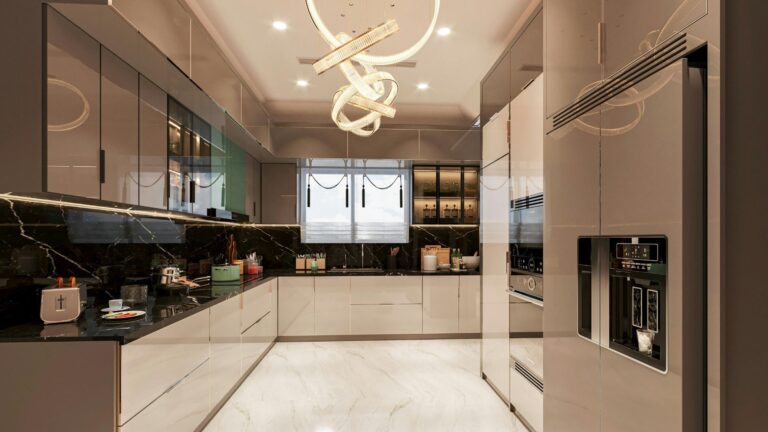
If you’ve ever opened your kitchen cabinets and felt overwhelmed by the sheer volume of gadgets you never use, you’re not alone. The truth is, you don’t need 50 items to create a functional, enjoyable cooking space. A minimalist kitchen setup focuses on quality over quantity, keeping only what serves a genuine purpose in your daily life.
Whether you’re setting up your first apartment, downsizing to a tiny home, or simply craving a more organized space, this guide will walk you through the minimalist kitchen essentials that actually earn their spot on your countertop and in your cabinets.
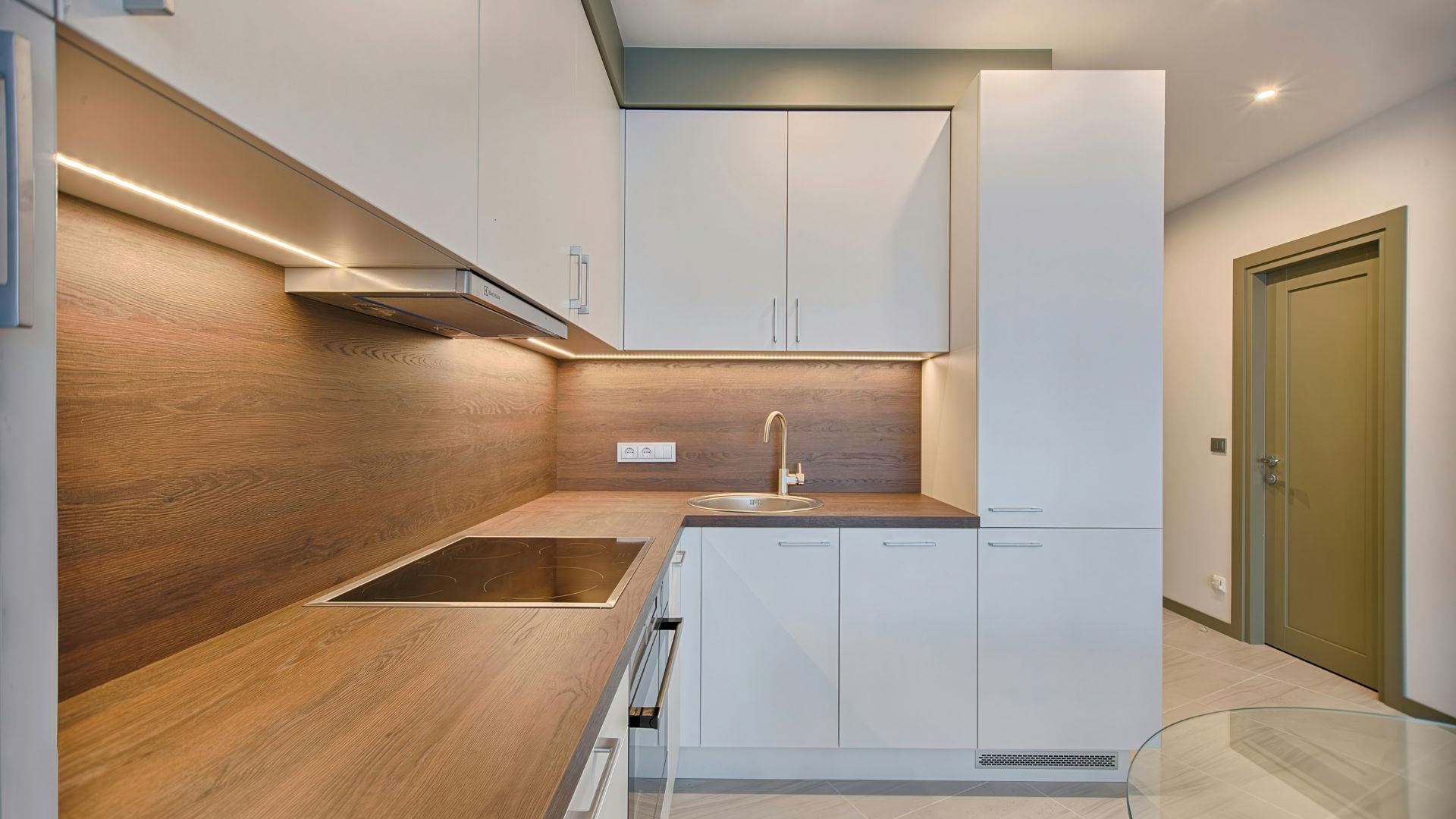
What Makes a Kitchen Truly Minimalist?
Before diving into specific items, let’s clarify what minimalist cooking actually means. It’s not about deprivation or living with the bare minimum. Instead, it’s about intentional choices that reduce clutter, save money, and make meal preparation genuinely easier.
A minimalist kitchen setup for a one-person household will look different from one designed for a family. The key is identifying your actual cooking habits, not the aspirational ones. If you’ve never made pasta from scratch, you probably don’t need that pasta maker taking up precious cabinet space.
Essential Cookware for Your Minimalist Kitchen Setup
When it comes to the best cookware for a minimalist kitchen setup, think versatile pieces that handle multiple tasks. Here’s what belongs in your collection:
The Core Trio
Start with three fundamental pans: a 10 or 12-inch skillet, a medium saucepan with a lid, and a large pot for soups or pasta. This combination covers about 90% of everyday cooking needs. Look for pieces that can transition from stovetop to oven, maximizing their functionality.
A cast-iron skillet deserves special mention as a minimalist kitchen essential. It works as a frying pan, baking dish, and even a pizza stone. With proper care, it lasts decades, making it perfect for sustainable living.
Baking Basics
Even if you’re not a regular baker, one versatile baking sheet and a single mixing bowl serve countless purposes. The baking sheet handles everything from roasted vegetables to reheating leftovers, while a medium-sized mixing bowl becomes your prep station for salads, marinades, and quick breads.
Minimalist Kitchen Utensils You Actually Need
Walk into any kitchen store and you’ll find specialized tools for every imaginable task. Resist the temptation. These minimalist kitchen tools every beginner cook needs will handle virtually everything:
- A chef’s knife (8-inch is ideal for most hands)
- A paring knife for detailed work
- Wooden spoon and silicone spatula
- Tongs that lock closed for storage
- Can opener
- Vegetable peeler
- Measuring cups and spoons
- Cutting board (one large one beats multiple small ones)
Notice what’s missing? Garlic presses, avocado slicers, and single-purpose gadgets that your chef’s knife handles perfectly well. When evaluating minimalist kitchen gadgets that are actually useful, ask yourself: “Can something I already own do this job?”
Minimalist Kitchen Appliances Essential List
Appliances represent the biggest investment and space commitment in any kitchen. For a minimalist approach, focus on these workhorses:
A quality blender serves as your food processor, smoothie maker, and soup purée tool all in one. Unless you bake bread weekly, skip the stand mixer. A toaster or toaster oven earns its spot for quick breakfasts and reheating without firing up a full oven.
The question of whether you need a microwave depends entirely on your lifestyle. For efficient meal prep and reheating, it’s invaluable. But if you rarely use one, that’s perfectly acceptable in a minimalist kitchen setup.
For those following a minimalist kitchen setup on a budget in India or other regions, prioritize a pressure cooker over specialty appliances. It dramatically reduces cooking time while using less energy, making it both economical and practical.
Minimalist Kitchen Storage Ideas for Small Spaces
Even with fewer items, organization matters immensely in small apartments or tiny homes. These minimalist kitchen storage ideas maximize every inch:
Use vertical space with wall-mounted magnetic knife strips and hanging utensil racks. This keeps your minimalist kitchen countertop essentials visible and accessible without cluttering surfaces.
Clear containers for your minimalist kitchen pantry essentials help you see what you have at a glance, preventing duplicate purchases. Stackable options make the most of cabinet height, crucial in cramped quarters.
For renters who can’t install permanent fixtures, adhesive hooks and removable shelving provide minimalist kitchen organization essentials without damaging walls. Over-the-door organizers create storage where none existed before.
Setting Up a Minimalist Kitchen on a Budget
Creating a functional minimalist kitchen doesn’t require expensive designer pieces. Here’s how to approach a minimalist kitchen setup without breaking the bank:
Start with what you already have. Seriously assess each item: have you used it in the past six months? If not, it’s likely just taking up space. Sell or donate these pieces, and you might fund your essential purchases without spending additional money.
Buy versatile minimalist kitchen equipment gradually as you identify genuine needs. A minimalist kitchen setup checklist for 2025 should reflect your real cooking patterns, not aspirational ones you saw online.
Thrift stores and estate sales often have quality cookware at a fraction of retail prices. Cast iron, in particular, improves with age and can be restored easily even if it looks rough initially.
Minimalist Kitchen Items That Save Space and Time
The beauty of minimalist cooking lies in how it streamlines your entire process. With a minimalist kitchen setup with multipurpose cookware, you spend less time searching for the right tool and more time actually cooking.
Fewer dishes mean less time washing up. When everything has a designated spot, cleanup becomes almost automatic. You’ll also notice how much faster grocery shopping becomes when you’re not wandering aisles looking for ingredients you’ll use once.
And when your space includes durable furniture that lasts years without wear, the whole kitchen feels even more efficient and clutter-free.
For health-conscious cooking, quality basics matter more than quantity. A sharp knife, reliable skillet, and fresh ingredients produce better results than a drawer full of specialized gadgets.
Minimalist Kitchen Must-Haves for Different Lifestyles
Your ideal minimalist kitchen essentials vary based on your circumstances:
First-time homeowners benefit from the minimalist kitchen essential set approach, buying quality pieces that grow with them rather than filling cabinets immediately.
Travel lovers with tiny kitchens should focus on compact, nestable items and minimalist kitchen items that save space through clever design.
Aspiring minimalists transitioning from cluttered kitchens might find it helpful to box up questionable items for three months. If you don’t reach for them, you have your answer about whether they’re truly essential.
The Challenges of Minimalist Kitchen Design
Honesty requires acknowledging the drawbacks. A minimalist kitchen layout for functional space sometimes means you can’t prepare elaborate multi-course meals efficiently. If you regularly cook for large groups or enjoy complex recipes requiring specialized tools, extreme minimalism might feel restrictive.
There’s also an adjustment period. You might occasionally wish you had that specific gadget you donated. The solution? Borrow it once or twice. If you find yourself needing it regularly, then it becomes a legitimate addition. But often, you’ll discover workarounds that make the specialized tool unnecessary—especially if you’re building a minimalist home on a budget, where every item has to justify its space and cost.
Building Your Minimalist Kitchen Checklist
Ready to create your personalized minimalist kitchen setup? Start by listing every meal you actually cook regularly. Be honest. Then note which tools and cookware those meals require.
This exercise reveals the minimalist kitchen essentials for sustainable living that match your reality, not an imagined lifestyle. You might discover you need fewer items than you thought, or that one quality piece could replace three mediocre ones.
For those in small apartments, this process becomes even more valuable. When every square inch counts, the minimalist kitchen essentials for small apartments must justify their existence through frequent, genuine use.
Maintaining Your Minimalist Kitchen Setup
Once you’ve pared down to essentials, maintaining that simplicity requires vigilance. Before adding anything new, ask: What will this replace? This one-in-one-out rule prevents gradual clutter creep.
Regular reassessment keeps your kitchen truly functional. Twice yearly, evaluate whether each item still serves your current needs. Lifestyles change, and your minimalist kitchen should evolve accordingly.
The goal isn’t perfection or adhering to someone else’s definition of minimalism. It’s creating a kitchen that makes cooking enjoyable and stress-free for you specifically.
Frequently Asked Questions
What are the absolute must-have items for a minimalist kitchen?
The core essentials include a chef’s knife, cutting board, skillet, saucepan, pot with lid, wooden spoon, spatula, and basic plates and bowls. These items handle 90% of everyday cooking tasks. Add measuring tools, a can opener, and storage containers, and you have a fully functional minimalist kitchen setup.
How do I set up a minimalist kitchen on a tight budget?
Start by using what you already own and eliminating rarely-used items. Shop thrift stores for quality cookware, especially cast iron and stainless steel pieces that last for decades. Invest in one quality chef’s knife rather than a full knife set. Buy additional items only after you’ve identified a genuine, recurring need rather than purchasing everything upfront.
Can a minimalist kitchen work for serious home cooks?
Absolutely, though it requires thoughtful selection. Focus on professional-quality basics rather than numerous mediocre tools. A minimalist approach actually benefits serious cooking by keeping your workspace organized and your best tools easily accessible. The key is choosing versatile, high-quality pieces that serve multiple purposes.
How many pots and pans does a minimalist kitchen really need?
Most people function perfectly well with three pieces: a 10-12-inch skillet, a 2-3-quart saucepan, and a 6-8-quart pot. If you cook for one, you might reduce this to two pieces. If you frequently prepare multiple dishes simultaneously, you might add one more pan. Anything beyond four pieces usually sits unused.
What kitchen items should I get rid of first?
Start with single-purpose gadgets you haven’t used in six months, duplicate items, broken or worn-out pieces, and anything you keep “just in case.” Specialty bakeware used once yearly, promotional items you never liked, and mismatched storage containers are also prime candidates for removal. Keep only items that serve regular, genuine purposes in your cooking routine.