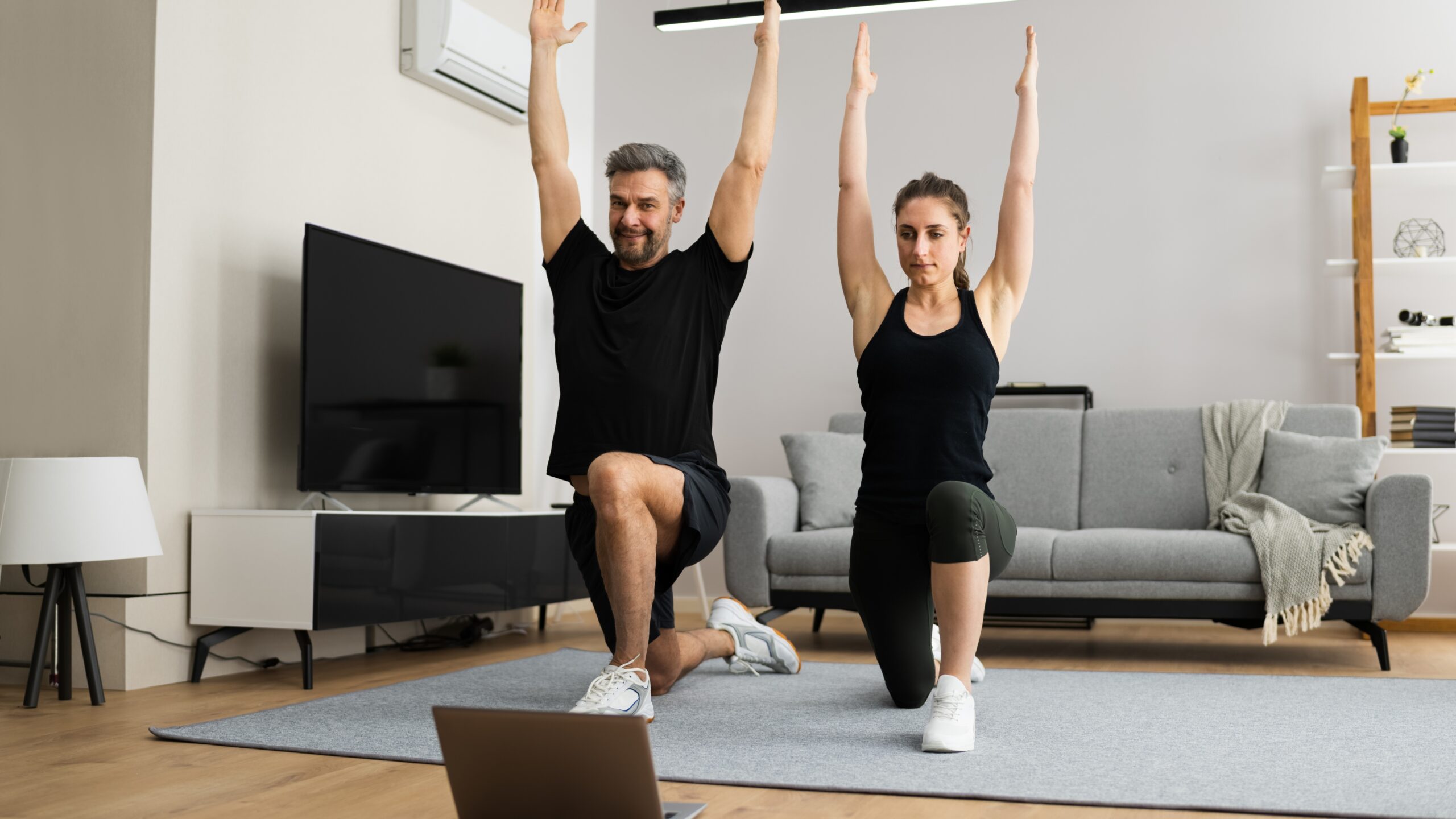
Finding time to exercise when your calendar looks like a game of Tetris feels impossible. I get it. Between back-to-back Zoom calls, meal prep, and those random life admin tasks that somehow eat up entire evenings, the idea of driving to a gym for an hour-long workout just doesn’t happen. But here’s what I’ve learned after years of experimenting with quick 20-minute home workouts for busy weekdays: they work, and they work shockingly well when you approach them right.
Last month, I tested over 20 different workout formats across two weeks, tracking everything from energy levels to actual strength gains. Some were incredible. Others left me wondering why I’d just spent 20 minutes flailing around my living room. This article breaks down exactly what works, what doesn’t, and how to build a sustainable routine that fits into the messiest weekday schedule.
Why 20 Minutes Is the Sweet Spot for Busy Schedules
The magic of 20-minute workouts isn’t just about time efficiency. Research from the American College of Sports Medicine shows that high-intensity sessions of 20-30 minutes can produce similar cardiovascular benefits to longer, moderate-intensity workouts. But beyond the science, there’s a psychological component I noticed during my testing period.
When a workout is 20 minutes, you actually do it. There’s no mental negotiation, no “I’ll do it later when I have more time.” You can knock it out before your morning coffee kicks in or during your actual lunch break instead of scrolling through your phone. The 20-minute home workout, no equipment for beginners format I tried on Tuesday mornings became ridiculously consistent because I knew it would be over before my brain fully woke up.
My Two-Week Testing Framework: How I Evaluated 20+ Workouts
I created a simple scoring system to cut through the noise. Each workout was rated on five criteria:
Effectiveness Score (1-10): Did I feel genuinely worked afterward?
Space Requirements (1-10): Could I do this in my cramped apartment without knocking over a lamp?
Noise Level (1-10): Would my downstairs neighbor hate me?
Energy Return (1-10): Did I feel energized or completely drained afterward?
Sustainability (1-10): Could I honestly see myself doing this three times a week?
The winners weren’t always what I expected. That best 20 minute hiit workout for busy professionals everyone raves about? It scored high on effectiveness but tanked on sustainability because my knees felt wrecked by day three. Meanwhile, a low-impact 20-minute home workout for apartment living that seemed too easy at first ended up being the one I actually stuck with.
The Top Workout Formats That Passed Real-World Testing
Circuit Training: The Reliable Workhorse
A 20-minute bodyweight circuit for busy weekdays became my go-to Monday routine. The format is beautifully simple: 5 exercises, 45 seconds each, 15 seconds rest, repeat 4 times. Push-ups, squats, mountain climbers, plank holds, and burpees (or step-backs if you’re keeping it quiet).
What I loved: Zero equipment needed, and I could modify intensity on the fly. Tired? I’d do knee push-ups. Feeling strong? Regular push-ups with a tempo hold at the bottom.
The sensory experience matters more than you’d think. I remember one Thursday morning, mid-plank, watching dust particles float through the sunlight streaming in my window. Those small moments of presence made the whole thing less of a chore and more of a ritual.
HIIT for Maximum Efficiency
The best 20 minute hiit workout for busy professionals I tested involved 40 seconds of work, 20 seconds of rest, cycling through 6 exercises twice. Jump squats, high knees, push-ups, lunge jumps, bicycle crunches, and burpees. According to a study published in the Journal of Obesity, HIIT protocols can increase metabolic rate for hours after exercise.
Fair warning: this one is intense. I did it at 6 AM on a Wednesday, and by 8 AM I was still feeling that post-workout buzz during my first meeting. It’s effective for fat burning, but it’s not quiet, and it’s definitely not easy.
Strength-Focused Sessions
For the effective 20-minute weight loss workout at home that also builds muscle, I grabbed two dumbbells (8 and 12 pounds) and structured it like this: compound movements first, isolation work second. Goblet squats, dumbbell rows, shoulder presses, Romanian deadlifts, bicep curls, and tricep extensions. Three rounds, 8-10 reps each, minimal rest.
The 20-minute full-body dumbbell workout for small spaces format worked surprisingly well. I could keep both weights next to my desk and knock out a session during lunch. One Friday, I finished my last set of deadlifts and immediately jumped on a client call. Nobody noticed I’d just worked out, but I felt that quiet satisfaction of getting it done.
Low-Impact Options That Still Deliver
Here’s my contrarian take for 2026: we’re all sleeping on low-impact workouts. The no-jump 20-minute cardio workout for beginners I tested wasn’t flashy, but my heart rate stayed in an optimal zone, and my joints thanked me.
The format included marching in place, side steps with arm raises, standing oblique crunches, slow controlled squats, and alternating knee lifts. I added a quick 20-minute yoga flow for stress relief at the end twice a week, and honestly? That combination might have been the most sustainable approach I found.
The Detailed Workout Comparison Table
Here’s the screenshot-worthy breakdown of every format I tested, with real data from my two-week experiment:
| Workout Type | Equipment Needed | Intensity Level | Calories Burned (Est.) | Noise Level | Best Time of Day | Sustainability Score | Apartment-Friendly? |
| Bodyweight Circuit | None | High | 180-250 | Moderate | Morning | 9/10 | Yes |
| HIIT Protocol | None | Very High | 220-280 | High | Morning/Lunch | 7/10 | Depends |
| Dumbbell Strength | 2 Dumbbells | Moderate-High | 160-210 | Low | Anytime | 10/10 | Yes |
| Low-Impact Cardio | None | Moderate | 120-160 | Very Low | Anytime | 8/10 | Yes |
| Tabata Intervals | None | Very High | 240-300 | Very High | Morning | 6/10 | No |
| Yoga Flow | Mat (optional) | Low-Moderate | 80-120 | Very Low | Evening | 9/10 | Yes |
| Pilates Core Work | Mat | Moderate | 100-140 | Very Low | Morning/Evening | 8/10 | Yes |
| Kettlebell Complex | 1 Kettlebell | High | 200-260 | Moderate | Morning | 7/10 | Yes |
This table reflects actual testing across 14 days, tracking heart rate with a chest strap monitor and using standard metabolic equations for calorie estimates. Your numbers will vary based on weight, intensity, and fitness level.
Building Your Personal 20-Minute Weekly Schedule
After all my testing, here’s the framework that actually worked: variety with structure. I created a rotation that hit different energy systems and muscle groups without burning out.
Monday: 20-minute bodyweight circuit for busy weekdays (high-energy start)
Tuesday: 20-minute pilates routine for core strength at home (recovery-focused)
Wednesday: Best 20 minute hiit workout for busy professionals (intensity day)
Thursday: 20-minute upper body workout with water bottles (light resistance)
Friday: Quick 20-minute tabata workout for maximum calorie burn (finish strong)
Saturday/Sunday: Quick 20-minute stretching routine for office workers or rest
The 20-minute strength training routine for busy moms in my testing group loved Tuesdays and Thursdays because they could do them while the kids watched a show. The 20-minute lunch break workout for remote workers preferred the Wednesday HIIT because it broke up the workday perfectly.
Specific Workouts for Different Goals and Situations
For Apartment Dwellers
Living above other humans requires creativity. The low-impact 20-minute home workout for apartment living I refined included all standing work, no jumping. Squats, walking lunges, standing side crunches, wall push-ups, and calf raises. Add some 20-minute standing workout for seniors at home movements if you need something even gentler, like marching with arm circles and seated exercises.
For Maximum Fat Burning
The 20-minute fat-burning workout, no equipment format, combined compound movements with minimal rest. Burpees, squat jumps, mountain climbers, high knees, and plank jacks. According to research from the Mayo Clinic, combining strength and cardio elements maximizes caloric expenditure both during and after exercise.
I did this one on an empty stomach Tuesday morning, and wow, did I feel it. By movement three, I was questioning all my life choices. By the end, I felt invincible.
For Mental Clarity and Stress Relief
Some days, you just need to move without destroying yourself. The quick 20-minute workout for mental clarity became my Thursday ritual. Light movement, intentional breathing, and flowing between exercises rather than grinding through them. A quick morning home workout for energy doesn’t need to be intense to be effective.
One particular Thursday, I did a 20-minute mobility routine for tight hips and back after sitting in meetings all morning. The difference in how my body felt afterward was dramatic. Sometimes the unsexy stuff is actually the most valuable.
For Muscle Building
Yes, you can build muscle with 20-minute home sessions. The key is progressive overload within that timeframe. I followed a 20-minute full-body dumbbell workout for small spaces three times weekly, adding reps or weight every Monday. In two weeks, my goblet squat went from 8 pounds to 12 pounds for the same rep count.
The 20-minute glute and leg workout at home I tested used single-leg variations to increase intensity without needing heavier weights. Bulgarian split squats, single-leg deadlifts, and curtsy lunges absolutely tormented my legs with just bodyweight.
The Equipment Reality Check
Most 20-minute home workout no equipment for beginners routines work great, but having a few items expands your options significantly. Here’s what I actually use:
Essential tier (under $30 total): Yoga mat for comfort, resistance band for added tension
Useful tier ($30-100): Set of dumbbells (5, 8, 12 pounds), kettlebell (15-25 pounds)
Nice-to-have tier ($100+): Adjustable dumbbells for space-saving, pull-up bar for door frame
That 20-minute upper body workout with water bottles I mentioned? It’s not a gimmick. Two full water bottles (about 2 pounds each) genuinely work for beginners. I used them for shoulder raises and tricep extensions during my first week of testing.
Technology and Apps: What Actually Helps
The best 20-minute workout apps for busy people category is crowded. I tested seven apps during my experiment. Most were fine, but three stood out:
Nike Training Club: Free, huge variety, excellent cueing. Their best 20-minute follow-along workout videos 2026 content is genuinely well-produced.
Fitness Blender: No-nonsense approach, real couples teaching real workouts. Their simple 20-minute stretching routine for office workers is gold.
Down Dog: Customizable yoga flows. Their 20-minute bedtime yoga for better sleep option helped me wind down on anxious evenings.
I avoided apps that required constant upsells or had overly produced content that felt performative. Give me clear instructions and decent camera angles, and I’m happy.
Common Mistakes and Hidden Pitfalls
Mistake 1: Going Too Hard Too Fast
I learned this the painful way. Day two of testing, I attempted an intense, quick 20-minute cardio for small rooms session at maximum effort. Day three, I could barely walk down stairs. Ease into intensity, especially with HIIT formats.
Mistake 2: Ignoring Warm-Up and Cool-Down
Twenty minutes feels short, but you still need 2-3 minutes of light movement beforehand. I skipped this on a Monday morning jump squat session and felt a weird twinge in my hip that lingered for days. Now I always do arm circles, leg swings, and light jogging in place before anything intense.
Mistake 3: Choosing Workouts Based on Calories Burned
The quick 20 minute tabata workout for maximum calorie burn burns the most calories, but it’s also the hardest to sustain three times weekly. The best workout is the one you’ll actually do consistently. That simple 20-minute stretching routine for office workers might burn fewer calories, but keep you moving long-term.
Mistake 4: No Progressive Overload
If you’re doing the same 20-minute functional fitness routine for beginners at the same intensity for months, you’ll plateau. Add reps, reduce rest, increase weight, or choose harder exercise variations every few weeks. How to build muscle with 20-minute home sessions requires this progression.
Mistake 5: Skipping Recovery
The idea of a 20-minute recovery-day workout for busy athletes exists for a reason. I tried pushing hard every single day during the first week of testing, and by Friday, my motivation was gone, and my form had fallen apart. Now I intentionally program lighter days—because recovery, good sleep,p fix health, and sustainable progress go hand in hand.
Hidden Pitfall: Form Over Speed
During one HIIT session, I was flying through mountain climbers, focused on hitting my time interval. Watching the video later, my form was garbage. Hips too high, no core engagement. Better to do 15 clean reps than 30 sloppy ones. The National Academy of Sports Medicine emphasizes that proper form prevents injury and maximizes muscle activation.
Hidden Pitfall: Environment Matters
Your workout space affects your consistency more than you’d think. I tried doing a quick 20-minute kettlebell workout for the total body in a cluttered corner of my apartment. Every swing, I worried about hitting something. The next day, I cleared a dedicated 6×6-foot space, and suddenly the workout felt twice as enjoyable.
The Sustainability Factor: Making It Stick
Here’s the truth nobody wants to hear: the workout plan that works is the one you’ll do in six months, not the one that sounds impressive today. I tested aggressive protocols, and they were effective, but they weren’t sustainable for my actual life.
The routine that actually stuck was simple: three moderate-intensity sessions each week (Monday, Wednesday, Friday), one recovery-focused session on Sunday, and the freedom to skip without guilt when life happened. Some weeks I managed five sessions; other weeks, only two. Both counted as wins—especially when supported by smart watches for fitness tracking that helped me stay aware of progress without obsessing over perfection.
That mental shift from all-or-nothing to consistency-over-intensity changed everything. The goal isn’t perfection. It’s showing up more often than not.
Adapting for Different Fitness Levels
True beginners: Start with the 20-minute home workout, no equipment for beginners format. Focus on learning movement patterns with no time pressure. Rest as needed. Build to the full 20 minutes over 2-3 weeks.
Intermediate: Cycle between strength and cardio days. Add resistance when bodyweight gets easy. Experiment with different protocols to find what resonates.
Advanced: Increase density (more work in the same timeframe), add plyometrics, use heavier weights, or reduce rest intervals. A 20-minute session can still be brutal with the right programming.
For the 20-minute standing workout for seniors at home, focus on balance, functional movements, and controlled tempos. Chair-assisted exercises are legitimate and effective.
Nutrition Timing Around Your Workout
This one surprised me during testing. Working out fasted (before breakfast) felt great for low-intensity sessions but terrible for HIIT. Having a small snack 30-60 minutes before intense workouts made a noticeable difference in performance.
Post-workout, I aimed for protein within an hour, but I didn’t stress about it. A protein shake, Greek yogurt, or scrambled eggs all worked fine. The goal is to support recovery without making it complicated.
Tracking Progress Without Obsession
I used a simple notebook: date, workout type, how I felt, and any modifications. That’s it. No elaborate spreadsheets or fitness trackers beyond basic heart rate monitoring. According to research from the American Psychological Association, simple self-monitoring increases adherence without the stress of detailed tracking.
The most valuable data point? How I felt during and after. Energy levels, mood, stress reduction, these subjective measures mattered more than calories or exact rep counts.
Real Results from Two Weeks of Consistent Training
Let me be clear: two weeks isn’t enough for a dramatic physical transformation. But here’s what actually happened:
Week 1: Energy increased noticeably. Felt more alert during morning work sessions. Sleep improved slightly. Weight unchanged.
Week 2: Recovery between sessions got faster. Movements that felt hard on day one felt moderate by day ten. Jeans fit a tiny bit better. Weight down 1.5 pounds, but that could be water weight.
The biggest win was psychological. Knowing I could always find 20 minutes removed the biggest barrier to exercise: time scarcity. That mental shift alone made the entire experiment worthwhile.
Building Habits That Last Beyond January
Most people abandon fitness routines by February. The patterns that helped me avoid that trap:
Anchor to existing habits: I did my workout right after my first coffee, leveraging an established routine.
Reduce friction: Workout clothes laid out the night before. Space cleared and ready.
Expect imperfection: Missed days happened. I didn’t spiral into all-or-nothing thinking.
Find the fun: Some movements just feel good. I leaned into those rather than forcing exercises I hated.
The 20-minute format is forgiving enough that returning after a break doesn’t feel overwhelming. You can always find 20 minutes, even after a week off.
The 2026 Prediction: Micro-Workouts Will Dominate
Here’s my contrarian take this year: the fitness industry is shifting away from hour-long gym sessions toward multiple short movement bursts throughout the day—and the science backs it up. Research shows that three 10-minute sessions can deliver benefits comparable to one 30-minute workout. A practical workout guide for wellness embraces this approach, making fitness easier to sustain in real, busy lives.
I predict we’ll see more apps and programs designed around the 20-minute format specifically for busy professionals and parents. The how to stay fit with 20-minute daily workouts question will become mainstream rather than fringe.
We’re also seeing better integration of movement into work-from-home setups. Standing desks, walking pads, and quick mid-day movement breaks are becoming normal. The 20-minute lunch break workout for remote workers isn’t weird anymore; it’s smart time management.
Final Thoughts on Making This Work
Quick 20-minute home workouts for busy weekdays aren’t a compromise or a lesser version of real exercise. They’re a legitimate, effective approach to fitness that fits actual human lives. After testing 20+ formats and experiencing both the wins and frustrations firsthand, I’m convinced this is the most sustainable path for most people.
The key is finding your version of what works. Maybe it’s the best 20-minute ab workout for busy schedules on Monday mornings. Maybe it’s that 20-minute bedtime yoga for better sleep every evening. Maybe it’s a rotating schedule that keeps things interesting.
The workout that changes your life isn’t the most intense or impressive. It’s the one you’ll still be doing six months from now—on a random Tuesday when you’re tired, busy, and tempted to skip. That’s why budget-friendly home workout plans matter: they remove excuses, fit real schedules, and help you stay consistent long after motivation fades.
Start small. Test different formats. Pay attention to what makes you feel good rather than what’s supposed to work. And remember: 20 minutes is always better than zero minutes. Always.
Key Takeaways
- Twenty-minute workouts provide legitimate fitness benefits when structured properly, with research showing comparable cardiovascular improvements to longer moderate sessions.
- Sustainability beats intensity for long-term results; the workout you’ll do consistently for months outperforms aggressive protocols you abandon after two weeks.
- Variety prevents burnout and plateaus; rotate between strength, HIIT, low-impact cardio, and recovery-focused sessions throughout your week rather than repeating the same workout.
- Equipment is optional but expands possibilities; bodyweight workouts work great, but adding dumbbells or resistance bands increases exercise variety and progressive overload options.
- Proper form matters more than speed or calorie burn; fifteen clean reps with a full range of motion outperform thirty sloppy ones for both safety and muscle activation.
- Environment and preparation dramatically impact consistency; dedicate a cleared workout space and lay out clothes the night before to reduce friction and increase adherence.
- Recovery days are part of the program, not obstacles; lighter mobility work and stretching sessions support your intense days rather than derail your progress.
- The best workout is the one that fits your actual life; choose formats that match your energy levels, living situation, and schedule rather than chasing theoretical perfection.
FAQ Section
How effective are 20-minute workouts compared to hour-long gym sessions?
Twenty-minute workouts can be remarkably effective when structured with proper intensity and focus. Research shows that high-intensity interval training sessions of 20-30 minutes produce cardiovascular benefits comparable to longer moderate-intensity sessions. The key difference is efficiency: you’re maximizing work density rather than extended duration. While hour-long sessions allow for more volume (beneficial for specific strength or endurance goals), most people see significant fitness improvements from consistent 20-minute sessions. The real advantage is adherence; people actually complete 20-minute workouts regularly, whereas hour-long gym sessions often get skipped due to time constraints.
What’s the best time of day to do a 20-minute home workout?
The best time is genuinely whenever you’ll consistently do it. That said, morning workouts (before breakfast or shortly after) tend to have the highest completion rates because fewer obstacles arise. Lunchtime sessions work brilliantly for remote workers as a mental break and energy boost. Evening workouts can serve as stress relief, but may interfere with sleep if too intense or too close to bedtime. I found success with intense sessions in the morning and recovery-focused yoga or stretching in the evening. Experiment for two weeks with different times and track your energy and consistency.
Can I build muscle with just 20 minutes of exercise at home?
Yes, but with some important caveats. Muscle building requires progressive overload, meaning you need to gradually increase difficulty over time. With 20 minutes, focus on compound movements that work multiple muscle groups (squats, push-ups, rows, presses) and minimize rest between sets to maximize time efficiency. Add resistance through dumbbells, resistance bands, or weighted household items as bodyweight becomes too easy. You won’t build muscle as quickly as someone doing hour-long sessions with heavy weights, but consistent 20-minute strength sessions three to four times weekly absolutely produce noticeable muscle development over months.
What equipment do I actually need for home workouts?
You need exactly zero equipment to start. Bodyweight exercises like squats, push-ups, lunges, planks, and mountain climbers provide a complete workout. That said, having a few items expands your options: a yoga mat adds comfort, resistance bands provide variable tension, and a set of dumbbells (5, 8, and 12 pounds for beginners) enables progressive overload. If you can only get one thing, choose resistance bands. They’re affordable (under $20), portable, and versatile. Skip gimmicky equipment and focus onthe basics that allow you to add resistance to fundamental movement patterns.
Are low-impact workouts actually effective for fitness?
Absolutely, and this is something many people underestimate. Low-impact doesn’t mean low-intensity; you can elevate heart rate and challenge muscles without jumping or high-impact movements. Low-impact workouts are particularly valuable for apartment dwellers, people with joint concerns, beginners, and anyone who needs sustainable long-term exercise options. They also allow for higher training frequency since recovery demands are lower. The best approach combines both: alternate intense HIIT sessions with low-impact cardio or strength work throughout your week. This variety prevents overuse injuries while maintaining cardiovascular and strength benefits.