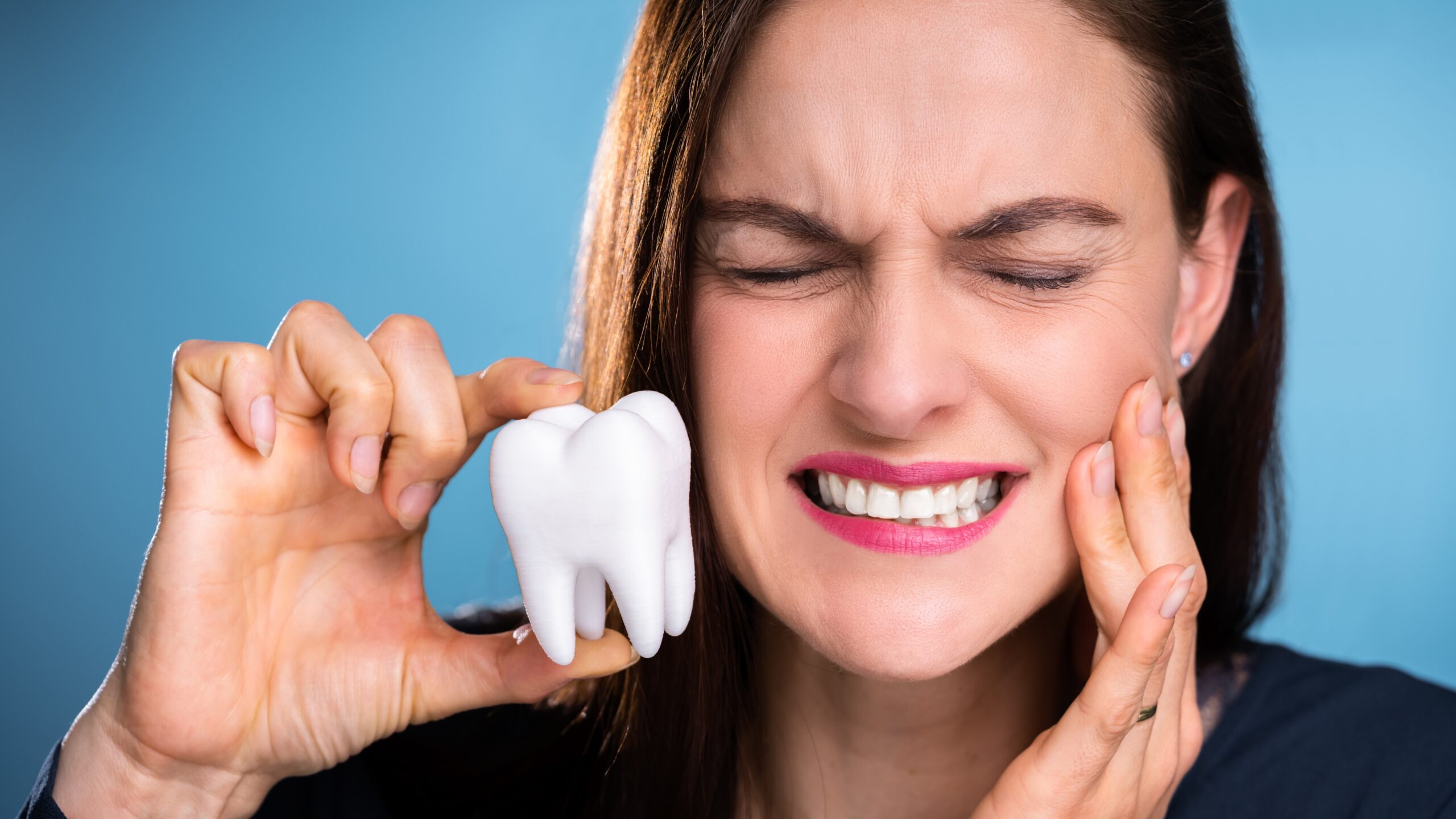
I still remember the first time I woke up at 2 AM with tooth pain so sharp it felt like someone was driving a nail into my jaw. I sat there in the dark, holding my cheek, wondering if I should drive to an emergency dentist or wait until morning. That night taught me something crucial: tooth pain isn’t just uncomfortable—it’s your body’s alarm system telling you something needs attention.
Tooth pain: common reasons and when to see a dentist is something every adult should understand, because the difference between “I can wait a few days” and “I need help now” can literally save your tooth. After years of dealing with my own dental issues and talking to my dentist about what really matters, I’ve learned that most tooth pain falls into recognizable patterns. The trick is knowing what you’re dealing with.
Let me walk you through everything I wish someone had explained to me during that sleepless night.
Understanding What Your Tooth Pain Is Actually Telling You
Tooth pain causes and symptoms vary wildly, and that’s what makes them so confusing. Sometimes you’ll get a quick, electric zap when you bite down on something cold. Other times, it’s a dull, throbbing ache that won’t quit, no matter what you do.
Your teeth have nerve endings inside them, tucked away in the pulp at the center. When something irritates these nerves—whether it’s bacteria, pressure, temperature changes, or damage—they send pain signals. The type of pain you feel often hints at what’s happening underneath.
Sharp, sudden pain usually means the nerve is getting directly stimulated. Dull, constant aching typically suggests inflammation or infection that’s built up over time. And if you only feel pain with specific triggers (hot coffee, ice cream, chewing), that tells you the protective layers of your tooth might be compromised.
The Most Common Reasons for Tooth Pain (Based on What Dentists Actually See)
Cavities and Tooth Decay
This is the big one. According to the CDC, more than 90% of adults have had at least one cavity by age 64. When bacteria eat away at your tooth enamel, they create tiny holes that expose the sensitive inner layers.
At first, you might not feel anything. But as decay reaches the dentin (the layer under enamel), you’ll start noticing sensitivity. When it gets close to the pulp where the nerve lives, that’s when the real pain kicks in. I learned this the hard way with a back molar—I ignored some mild sensitivity for months, thinking it was just from brushing too hard. By the time I finally went in, I needed a root canal.
What it feels like: Sensitivity to sweet foods, cold drinks, or hot beverages. Pain when chewing. As it worsens, constant throbbing.
Gum Disease and Periodontal Issues
Tooth pain causes gum related are sneaky because they don’t always start in the tooth itself. Gingivitis (early gum disease) causes inflammation, bleeding, and tenderness in your gums. When it advances to periodontitis, bacteria can create pockets between your teeth and gums, leading to infections that feel like tooth pain.
The American Academy of Periodontology notes that nearly half of adults over 30 have some form of gum disease. I started noticing this in my early thirties—my gums would bleed when I flossed, and certain teeth felt sore even though nothing was wrong with the teeth themselves.
What it feels like: Dull ache near the gum line. Pain when brushing or flossing. Sometimes a bad taste in your mouth. Teeth might feel slightly loose.
Cracked or Fractured Teeth
Tooth pain causes cracked tooth situations is surprisingly common. You don’t need a major accident—I cracked a tooth biting into a piece of hard candy. Sometimes teeth develop hairline cracks from grinding at night or just from years of use.
The tricky part is that cracked teeth often hurt intermittently. You might feel perfectly fine most of the time, then get a sharp jolt when you bite down in just the right way. That’s because the crack opens slightly under pressure, irritating the nerve inside.
What it feels like: Sharp pain when biting or chewing, especially when you release pressure. Sometimes sensitivity to temperature changes. Pain might disappear completely between episodes.
Tooth Infections and Abscesses
When bacteria reach the pulp of your tooth (usually through deep decay or a crack), you can develop an infection. This is one of those tooth pain causes infection situations where timing really matters. An abscess forms when pus builds up, and the pressure causes intense, throbbing pain.
According to research published in the Journal of Endodontics, dental abscesses require prompt treatment to prevent the infection from spreading. I’ve never had one myself, but my brother did, and he described it as the worst pain he’d ever experienced—worse than breaking his arm.
What it feels like: Severe, persistent throbbing pain. Swelling in your face or gums. Pressure sensitivity, sometimes fever. The pain might suddenly stop if the abscess ruptures, but that doesn’t mean the infection is gone.
Wisdom Teeth Problems
Tooth pain causes wisdom tooth issues, which typically hit people in their late teens or twenties, but I didn’t have problems with mine until I was 28. When there isn’t enough room for wisdom teeth to emerge properly, they become impacted—stuck under the gum or pushed against other teeth.
This creates pressure, inflammation, and sometimes infection. Even partially erupted wisdom teeth can trap food and bacteria, leading to painful gum infections called pericoronitis.
What it feels like: Pain in the back of your mouth. Swelling in the gums behind your last molars. Jaw stiffness. Sometimes, pain radiates to your ear or neck.
When Tooth Pain Isn’t What You Think: Surprising Causes
Sinus Infections
This one surprised me. Tooth pain causes sinus-related issues that are more common than most people realize. Your upper back teeth sit right below your sinus cavities, and when your sinuses become inflamed and filled with fluid, the pressure can make these teeth ache.
The Mayo Clinic explains that sinus-related tooth pain usually affects multiple upper teeth on one side, gets worse when you bend over, and comes with other sinus symptoms like congestion.
I once spent three days convinced I needed emergency dental work, only to realize it was a sinus infection when the pain moved to several teeth at once, and my nose started running.
What it feels like: Dull, aching pain inthe upper back teeth. Pain in multiple teeth simultaneously. Worsens with head movement. Accompanied by a stuffy nose, facial pressure, or headache.
Recent Dental Work
Tooth pain after filling or other dental procedures is actually normal for a short period. When your dentist drills and fills a cavity, the tooth and surrounding tissues get irritated. Sometimes fillings are placed close to the nerve, and it takes time for everything to settle down.
Most dentists say sensitivity should fade within a few days to two weeks. If it doesn’t, or if it gets worse, that might mean the filling is too high,h or there’s a complication.
What it feels like: Sensitivity when biting. Temperature sensitivity. Usually mild to moderate pain that gradually improves.
Teeth Grinding (Bruxism)
I didn’t realize I was grinding my teeth at night until my dentist pointed out the wear patterns during a checkup. Chronic grinding and clenching put enormous pressure on your teeth, leading to soreness, sensitivity, and sometimes cracks.
The stress on your jaw muscles can also cause pain that radiates to your teeth. I started wearing a night guard, and within a week, the constant dull ache I’d been attributing to “sensitive teeth” was completely gone.
What it feels like: Dull ache in multiple teeth, especially in the morning. Jaw soreness. Sometimes headaches. Pain that doesn’t seem connected to any specific tooth.
Nerve Damage or Referred Pain
Sometimes tooth pain originates from somewhere else entirely. Trigeminal neuralgia, TMJ disorders, heart problems, and even ear infections can cause pain that feels like it’s coming from your teeth.
This is rare, but I mention it because my dentist once told me about a patient who came in with severe tooth pain. After examining the tooth and finding nothing wrong, they discovered the patient was actually having a heart attack. Referred pain from cardiac issues sometimes presents in the jaw and teeth, particularly in women.
The Tooth Pain Severity Scale: A Framework I Wish I’d Had Earlier
After dealing with various dental issues over the years and comparing notes with my dentist, I created this simple scoring system to help me decide when to take action:
| Pain Level | Description | What It Might Mean | Action Timeline |
| Level 1: Fleeting Sensitivity | Brief twinge when eating/drinking something hot, cold, or sweet; goes away in seconds | Early enamel erosion, minor gum recession, or worn enamel | Schedule a routine checkup within 2-4 weeks; try sensitive toothpaste |
| Level 2: Mild Discomfort | Noticeable sensitivity or dull ache that lasts a few minutes; manageable with over-the-counter pain relief | Early cavity, small crack, mild gum inflammation | Book an appointment within 1-2 weeks; monitor for changes |
| Level 3: Moderate Pain | Pain that lingers for hours, disrupts eating or sleeping, and requires pain medication regularly | Deeper cavity, cracked tooth, gum disease, or early infection | See a dentist within 2-3 days; this won’t resolve on its own |
| Level 4: Severe Pain | Intense, throbbing pain that prevents normal activities; pain medication barely helps | Advanced decay, abscess, severe crack, or acute infection | Call the dentist immediately; a same-day or next-day appointment is needed |
| Level 5: Emergency | Unbearable pain with swelling, fever, difficulty swallowing, or facial swelling spreading | Serious infection that could spread; potential dental emergency | Seek emergency dental care or the ER immediately; the infection could become life-threatening |
I keep this framework on my phone now. It’s helped me make better decisions about whether to wait for my regular dentist or find urgent care.
Tooth Pain at Night: Why It Gets Worse When You’re Trying to Sleep
This is something that drove me crazy until I understood what was happening. Tooth pain at night causes are partly about physiology and partly about distraction.
When you lie down, blood rushes to your head, increasing pressure in your teeth and gums. If there’s already inflammation or infection, this extra pressure amplifies the pain. Plus, during the day, you’re distracted by work, conversations, and movement. At night, in the quiet darkness, every throb becomes impossible to ignore.
I’ve found that sleeping with my head elevated on an extra pillow helps. Taking anti-inflammatory medication (ibuprofen, not just acetaminophen) about an hour before bed can reduce inflammation and make sleep possible.
Common Mistakes and Hidden Pitfalls (What I Learned the Hard Way)
Waiting Too Long Because “It Comes and Goes”
This was my biggest mistake. I had a tooth that would hurt intensely for a day or two, then feel completely fine for weeks. I convinced myself it wasn’t serious. What I didn’t realize was that intermittent pain often means a problem is progressing. By the time I finally went in, what could have been a simple filling required a crown.
The lesson: Tooth problems rarely heal themselves. If pain keeps returning, even if it disappears between episodes, get it checked.
Using Pain Medication as a Long-Term Solution
I knew someone who managed tooth pain with ibuprofen for three months, thinking they were “handling it.” Pain medication masks symptoms but doesn’t fix the underlying problem. Meanwhile, that cavity or infection keeps getting worse.
Pain relievers are great for temporary management while you’re waiting for your dentist appointment, but they’re not a solution.
Ignoring Pain After Dental Work
Most people expect some discomfort after a filling or crown, but there’s a difference between normal healing and a real problem. I once had a filling that felt “off” when I bit down, but I assumed it just needed time to settle—a belief fueled by common health myths about dental work. After two weeks of discomfort, I went back, and my dentist adjusted it in five minutes. The relief was instant.
If pain after dental work lasts more than two weeks, gets worse instead of better, or prevents you from eating normally, call your dentist.
DIY Treatments That Make Things Worse
I’m all for home remedies for minor discomfort, but some popular “solutions” can cause more harm. Aspirin placed directly on gums (chemical burn), essential oils applied undiluted (tissue damage), or attempting to drain an abscess yourself (serious infection risk) are all dangerous.
Gentle saltwater rinses, cold compresses on the outside of your face, and over-the-counter pain medication are safe. Anything more aggressive should be left to professionals.
Assuming Tooth Pain Without Cavity Causes Isn’t Serious
Just because you don’t have a visible hole doesn’t mean nothing’s wrong. Cracks, gum disease, infections below the gum line, and grinding damage won’t show up in a mirror. I once had significant pain in a tooth that looked perfectly fine—turned out there was a vertical crack my dentist could only see with special equipment.
Not Disclosing All Symptoms to Your Dentist
When my dentist asks questions, I used to focus only on the tooth that hurt. But one time, I mentioned offhandedly that I’d been getting headaches, and she immediately recognized it as a sign of teeth grinding. Sharing those extra details helps dentists piece together the full picture—just like how a pediatrician relies on small clues from parents to understand what’s really going on with a child’s health.
When to See a Dentist for Tooth Pain: The Clear Guidelines
Based on conversations with my dentist and my own experiences, here’s when you absolutely need professional help:
See a dentist within 24-48 hours if you have:
- Pain that persists for more than 1-2 days
- Pain severe enough to disrupt sleep or eating
- Visible swelling in your gums or face
- Pain accompanied by fever
- A broken or knocked-out tooth
- Signs of infection (pus, bad taste, swollen lymph nodes)
Schedule an appointment within a week or two if you have:
- Sensitivity that’s getting gradually worse
- Pain when chewing on a specific tooth
- Gums that bleed regularly when brushing
- A filling or crown that feels loose or uncomfortable
- Pain that comes and goes but keeps returning
Mention it at your next routine checkup if you have:
- Occasionally, brief sensitivity to hot or cold
- Minor gum irritation that resolves quickly
- Questions about your teeth grinding or jaw clenching
The American Dental Association recommends seeing a dentist twice a year for routine checkups, but don’t wait for your scheduled appointment if you’re experiencing significant pain. Most dental offices reserve time slots for urgent cases.
Tooth Pain Causes and Treatment Options: What to Expect
When you finally sit in that dental chair, here’s what typically happens:
Your dentist will examine the painful tooth, take X-rays if needed, and run some tests (tapping the tooth, checking for temperature sensitivity, and looking at your gums). They might also ask about your symptoms in detail—when it hurts, what triggers it, and how long it’s been going on.
Treatment depends on the diagnosis:
- Cavities: Fillings for small cavities, crowns for larger ones, root canals if decay reached the nerve
- Gum disease: Deep cleaning (scaling and root planing), antibiotics if there’s infection, improved home care routine
- Cracked teeth: Bonding for minor cracks, crowns for more serious fractures, root canals if the crack exposes the nerve
- Infections: Root canal to remove infected tissue, antibiotics to fight bacterial spread, sometimes extraction if the tooth can’t be saved
- Wisdom teeth: Extraction if they’re impacted or causing recurrent problems
- Grinding: Custom night guard, stress management, sometimes muscle relaxants
Most treatments are straightforward and less scary than you’d think. I was terrified before my first root canal, but the procedure itself was less uncomfortable than the toothache I’d been dealing with.
Home Care for Tooth Pain (What Actually Helps While You Wait)
Until you can see a dentist, these approaches have helped me manage pain:
Saltwater rinses are simple but effective. Mix half a teaspoon of salt in warm water and swish gently for 30 seconds. This reduces inflammation and cleans around the painful area. I do this three times a day when I’m dealing with gum-related discomfort.
Cold compresses on the outside of your cheek (20 minutes on, 20 minutes off) can numb pain and reduce swelling. Never apply ice directly to your tooth—that can make things worse.
Over-the-counter pain medication helps manage inflammation and pain. Ibuprofen works better than acetaminophen for dental pain because it targets inflammation. Just follow package directions and don’t exceed recommended doses.
Avoid triggers once you know what makes it worse. If cold liquids cause sharp pain, stick to room-temperature drinks. If chewing on one side hurts, use the other side temporarily.
Elevate your head when sleeping to reduce blood pressure in your head and minimize nighttime pain.
What doesn’t work: Clove oil might provide temporary numbing, but it won’t fix the problem. Alcohol-based mouthwashes can irritate exposed nerves. And please don’t try to “clean out” a cavity yourself with toothpicks or other tools.
Prevention: The Boring Stuff That Actually Matters
After spending too much time and money fixing dental problems, I’ve become religious about prevention. These habits have kept me out of the dentist’s emergency schedule for the past two years:
Brush twice a day properly, using fluoride toothpaste and a soft-bristle brush. I set a two-minute timer on my phone because I used to rush through it in 45 seconds.
Floss daily before bedtime. I resisted this for years, but once I started, I noticed my gums stopped bleeding and felt healthier within weeks.
Get regular checkups every six months. My dentist catches small problems before they become painful emergencies.
Watch your diet—particularly sugary drinks and snacks. I switched from sipping soda throughout the day to having it only with meals, which gives my teeth recovery time.
Address grinding if you clench or grind your teeth. A night guard costs around $300-$500 through a dentist (or $20-$50 for an over-the-counter version), but it’s worth every penny.
Don’t use your teeth as tools—no opening packages, chewing ice, or biting fingernails. I cracked a tooth opening a plastic package, and it cost me $1,200 for a crown.
Looking Ahead: Tooth Pain Management in 2025 and Beyond
Dental technology keeps improving. Some innovations I’m seeing and hearing about from my dentist:
AI-assisted diagnostics are starting to appear in dental offices, helping dentists spot cavities and cracks earlier on X-rays. My dentist’s office recently got software that highlights potential problem areas she might have missed.
Better pain management options, including longer-lasting local anesthetics and nerve blocks, are making procedures more comfortable.
Regenerative treatments are in development—techniques that might help teeth repair minor damage naturally. This is still mostly experimental, but the research looks promising according to studies in the Journal of Dental Research.
Teledentistry has expanded since 2020, making it easier to get quick consultations about whether pain requires urgent care. Several apps now let you send photos and descriptions to dentists who can advise on timing.
But honestly, the fundamentals haven’t changed: good oral hygiene, regular checkups, and addressing problems early remain your best defense against tooth pain.
The Bottom Line on Tooth Pain
Here’s what I want you to remember from all of this: tooth pain is never just “one of those things” you should ignore. Your teeth are tough, and when they hurt, they’re trying to tell you something needs attention.
I’ve learned to trust that discomfort. The dull ache that won’t go away, the sharp jolt when biting down, and the sensitivity that keeps getting worse are all signals worth investigating. Often, habits like too much sugar in the diet quietly fuel decay long before visible damage appears. The cost and hassle of a dental visit is always less than dealing with an emergency root canal or extraction down the road.
And if you’re lying awake at 2 AM with tooth pain right now, wondering if you should wait or seek help: call your dentist in the morning. Even if it turns out to be something minor, you’ll have peace of mind. And if it’s something serious, catching it early makes all the difference.
Trust me—your future self will thank you for not waiting.
Key Takeaways
- Most tooth pain stems from cavities, gum disease, cracks, or infections—each has distinct patterns that help identify the cause.
- Intermittent pain doesn’t mean the problem is minor—issues that come and go often indicate progressive damage that needs professional attention.
- See a dentist within 24-48 hours if you have persistent pain, swelling, fever, or pain that disrupts normal activities—these signs indicate urgent problems.
- Pain severity, duration, and triggers matter more than pain location alone—keep track of when it hurts, what triggers it, and how long episodes last.
- Sinus infections, teeth grinding, and recent dental work can all cause tooth pain without obvious dental damage—the solution varies dramatically based on the actual cause.
- Home remedies like saltwater rinses and cold compresses help manage symptoms temporarily, but never replace professional treatment—they buy you time until your dentist appointment.
- Prevention through proper brushing, flossing, and regular checkups saves significantly more time and money than treating problems after they become painful—small habits compound over time.
- Trust your instincts about when pain crosses from “annoying” to “something’s wrong”—persistent or worsening discomfort deserves professional evaluation, even if you can’t see obvious damage.
FAQ Section
How long is tooth pain normal after a filling?
Mild sensitivity and discomfort are normal for 3-7 days after a filling, sometimes lasting up to two weeks. The pain should gradually decrease each day. If pain persists beyond two weeks, intensifies instead of improving, or makes eating difficult, contact your dentist—the filling might need adjustment, or there could be a complication like an exposed nerve or high bite.
Can a tooth hurt without having a cavity?
Absolutely. Common causes of tooth pain without cavities include gum disease, cracked teeth, teeth grinding, sinus infections, exposed tooth roots from receding gums, recent dental work, or TMJ disorders. Sometimes an infection develops in a tooth that already had a filling, or referred pain from other areas makes it feel like tooth pain. A dentist can determine the actual cause through examination and X-rays.
What does tooth infection pain feel like compared to cavity pain?
Cavity pain typically starts as sensitivity to temperature or sweets and progresses to sharper pain when chewing. Infection pain, especially from an abscess, tends to be severe, constant throbbing that doesn’t respond well to over-the-counter pain medication. Infections often cause visible swelling in the gum or face, sometimes accompanied by fever, bad taste, or a pimple-like bump on the gum. Cavity pain is usually localized; infection pain may radiate to your jaw, ear, or neck.
Can stress cause tooth pain even without dental problems?
Stress itself doesn’t directly cause tooth pain, but it commonly triggers teeth grinding and jaw clenching (bruxism), which absolutely can cause significant tooth pain, jaw soreness, and headaches. Chronic grinding wears down enamel, creates microcracks, and strains jaw muscles. Stress also suppresses your immune system, making you more susceptible to gum infections and flare-ups of existing dental issues. If you suspect stress-related grinding, your dentist can create a custom night guard to protect your teeth.