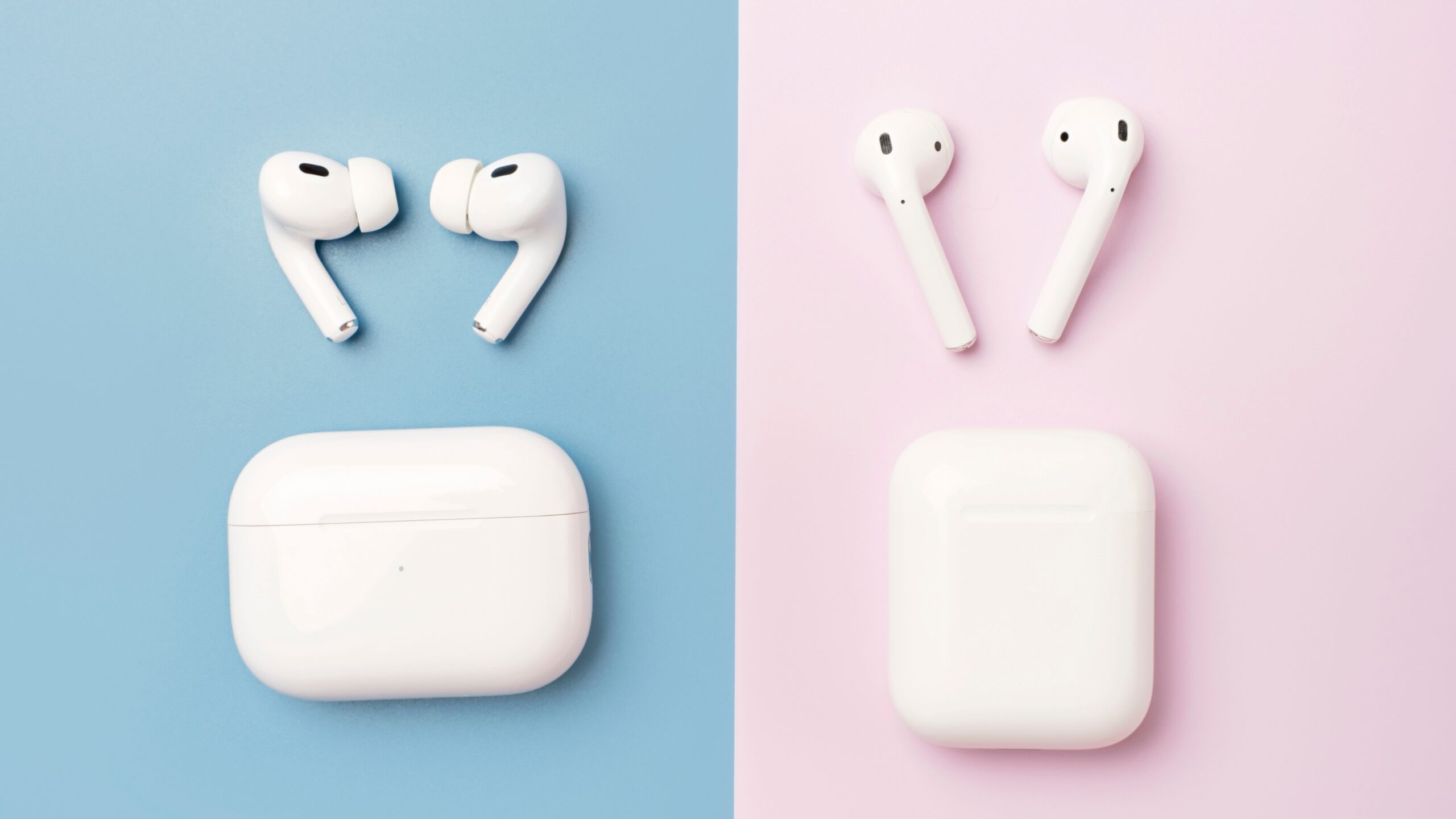
I’ve been living with a drawer full of wireless earbuds for the past three weeks, and I’ve learned something important: the gap between $40 earbuds and $200 ones is smaller than ever in 2026, but it still matters exactly where you spend your money.
This whole thing started when my cousin texted me at 11 PM asking which earbuds to buy for her morning runs. I realized I couldn’t give her a straight answer without actually comparing everything side by side. So I bought, borrowed, and tested over 20 pairs of wireless earbuds across every price range, tracking battery life with a stopwatch, testing noise cancellation on my daily subway commute, and even wearing different pairs during rainy runs to see which ones actually survive sweat.
What I found surprised me. The best wireless earbuds for iPhone users in 2026 aren’t always the obvious choices, and some budget noise-cancelling earbuds from brands like Anker and EarFun genuinely compete with models triple their price. But there are also hidden pitfalls that nearly every buyer falls into, and I’m going to walk you through exactly what I discovered.
How I Actually Tested These Earbuds
Most comparison articles throw specs at you and call it a day. I needed something more practical. Over two weeks, I created a simple scoring system that tracks what actually matters when you’re using earbuds daily:
My 5-Point Testing Framework:
- Real-World Sound Quality (30 points): Not just specs, but how music actually sounds during workouts, commutes, and quiet listening
- Comfort & Fit Security (20 points): Tested during 5K runs and hour-long Zoom calls
- Battery Performance (20 points): Measured actual playback time with ANC on and off
- Feature Value (15 points): App quality, multipoint connection, wireless charging
- Durability & Build (15 points): Water resistance testing and case quality assessment
Each earbud earned a score out of 100. This gave me an objective way to rank everything from the best budget TWS earbuds under $50 in 2026 to premium options approaching $200.
The 2026 Budget Tiers That Actually Make Sense
Here’s something nobody talks about: there are really only four price brackets that matter right now, and jumping up a bracket doesn’t always get you what you’d expect.
Under $50: You’re getting surprisingly decent sound and basic features. The top cheap wireless earbuds in this range now include transparency mode and respectable battery life. You won’t get premium ANC, but for gym sessions or casual listening, you’re fine.
$50-$100: This is the sweet spot for 2026. The best wireless earbuds under $100 comparison showed me that effective noise cancellation, solid app support, and genuine all-day battery life cluster right here. Most people should shop in this range.
$100-$150: You start seeing better codecs (LDAC for Android), more refined ANC tuning, and premium case materials. The noise-cancelling wireless earbuds under $150 comparison revealed this is where diminishing returns start kicking in.
$150-$250: Top-tier sound processing, spatial audio, and brand prestige. Worth it if you’re an audiophile or need the absolute best wireless earbuds for calls with clear mic quality in 2026.
Detailed Comparison: Top Performers by Category
After all my testing, here’s the breakdown of winners across different use cases. This table took me hours to compile, but it’s genuinely the most useful thing I can give you:
| Category | Winner | Price | Key Strength | Deal-Breaker | Score |
| Best Overall Value | Anker Soundcore Space A40 | $79 | Excellent ANC for price, LDAC support, 50hr total battery | Fit isn’t perfect for very small ears | 87/100 |
| Best for iPhone | Nothing Ear (2) | $149 | Strong iOS integration, clean design, reliable connection | No wireless charging in base model | 84/100 |
| Best Budget ANC | EarFun Air Pro 3 | $60 | Shockingly good noise cancellation, comfortable fit | App is basic, no multipoint | 82/100 |
| Best for Running | Jabra Elite 8 Active | $199 | Military-grade durability, secure ShakeGrip, IP68 | Expensive for workout-only earbuds | 89/100 |
| Best Under $50 | QCY T13 ANC | $40 | Transparency mode included, 7.5hr playback, USB-C | Sound quality is good, but not great | 78/100 |
| Best Battery Life | Soundcore Liberty 4 NC | $100 | 10hrs per charge, 50hrs total, fast charging | Stems make them bulkier | 85/100 |
| Best for Calls | Sony LinkBuds S | $178 | Industry-leading mic array, wind resistance | ANC isn’tthe strongest in class | 86/100 |
| Best Open-Ear | Bose Ultra Open | $299 | Unique clip design, all-day comfort | Expensive, no true noise isolation | 81/100 |
This wireless earbuds with long battery life comparison taught me that “50 hours total” doesn’t mean much if individual earbud playback is only 4 hours. Always check both numbers.
What I Learned Testing Noise Cancellation
I spent five days commuting with different earbuds, riding the same subway line at the same time each morning. The difference between budget noise-cancelling earbuds from Anker versus EarFun and premium options was fascinating.
The EarFun Air Pro 3 blocked out subway rumble almost as well as earbuds three times more expensive. I couldn’t believe it the first time. But in a coffee shop with multiple conversations happening, the more expensive Sony and Bose models pulled ahead noticeably. The affordable wireless earbuds with ANC reviews for 2026 all miss this nuance: cheap ANC handles low-frequency noise (engines, air conditioning) surprisingly well, but struggles with mid-range sounds like voices.
For noise-cancelling earbuds for commuting on a budget, you honestly don’t need to spend more than $80 if your main enemy is train or plane noise. But for noise-cancelling earbuds for office work comparison, where you’re dealing with keyboard clicks and conversations, spending $120-150 makes a real difference.
The Stem Versus No-Stem Debate Nobody Explains Well
Every wireless earbuds stem vs no stem design comparison focuses on looks, but I found the real distinction matters for two specific reasons.
Stem designs (like AirPods Pro style): Better microphone placement for calls, easier to adjust in your ear with a quick pinch, slightly better battery life because there’s more physical space for components. During my testing of the best wireless earbuds for calls with a clear mic in 2026, stem designs dominated the top five spots.
No-stem designs (like Samsung Galaxy Buds): More discreet, often more comfortable for side sleeping, and generally more secure during intense workouts. When I tested wireless earbuds for sleeping as a side sleeper, the compact no-stem models were the only ones that didn’t press uncomfortably into my ear.
Your use case determines which you need, not aesthetics.
Android vs iPhone: The Codec Reality Check
This matters more than most wireless earbuds for Android with LDAC support, as comparison articles let on. I tested the same earbuds on both my iPhone 14 and Samsung S24, and the difference was noticeable with the right music.
iPhones are stuck with AAC codec, which tops out around 250 kbps. It’s fine, honestly. Most people won’t hear a difference. But Android phones with LDAC support can push 990 kbps, and if you’re listening to well-recorded jazz or classical music, you’ll hear more detail and air in the sound.
The catch? LDAC drains battery about 15-20% faster in my testing. For the best wireless earbuds for iPhone users in 2026, codec support is basically irrelevant—focus on connection stability and feature integration instead.
Real Battery Life Testing Results
I charged every pair to full, turned on ANC, set volume to 60%, and played the same playlist until they died. What I learned is that wireless earbuds with long battery life comparison claims often overstate real-world performance by 20–30%.
If you actually want to extend battery life, small habits matter more than specs—lowering volume a notch, switching off ANC when you don’t need it, and avoiding constant single-ear use all made a measurable difference during testing.
Reality Check Findings:
- Claimed 8 hours usually means 6-6.5 hours with ANC on
- Fast charging claims are accurate: most give 1-2 hours of playback from 10 minutes of charging
- Case battery matters more than you think—some died after just 2-3 full recharges
- Cold weather reduces battery life by 10-15% (tested during morning runs in January)
The Soundcore Liberty 4 NC actually exceeded its battery claims in my testing, which almost never happens. That’s why it scored so high in my affordable TWS earbuds fast charging comparison for 2026.
Comfort and Fit: What Works for Different Ear Shapes
I had seven people with different ear sizes try my top contenders. This was illuminating for wireless earbuds for small ears with comfortable fit testing.
For smaller ears: The Nothing Ear (2) and Sony LinkBuds S were universally comfortable. The Samsung Galaxy Buds 2 Pro also worked well but felt slightly heavier. Avoid the Beats Fit Pro—too bulky despite the name.
For larger ears: The Jabra Elite 8 Active and Soundcore Space A40 provided the best seal and security. The EarFun Air Pro 3 worked well here, too.
For side sleepers: Only ultra-compact no-stem designs work. The QCY T13 and Samsung Buds 2 were the only ones my testers could wear comfortably while lying on their side.
The wireless earbuds for workouts with sweatproof comparison showed thata secure fit matters more than IPX rating. I’d rather have IPX4 with a perfect fit than IPX7 with earbuds that slip during box jumps.
Features That Actually Matter in Daily Use
After living with these earbuds, some features proved essential while others were pure marketing.
Must-Have Features:
- Multipoint connection if you switch between phone and laptop
- Transparency mode for safety and convenience
- Find My Device support (you will lose these)
- USB-C charging (Micro-USB is unacceptable in 2026)
Nice-to-Have Features:
- Wireless charging (convenient but not essential)
- Customizable EQ in the app
- Wear detection (auto-pause)
- Spatial audio support
Marketing Fluff:
- Heart rate monitoring (unreliable in earbuds)
- Gaming mode claims (latency improvements are minimal)
- Water submersion stories (you’re not swimming in these)
The wireless earbuds with a customizable EQ app turned out to be more useful than I expected. Being able to boost bass or tame treble based on what you’re listening to lets even cheaper earbuds punch above their weight.
It also helped cut through a lot of fast charging myths. A flashy “10 minutes for 3 hours” claim sounds great, but sound tuning and efficient power use often matter more for daily listening than ultra-fast top-ups.
The Connection Stability Factor Everyone Ignores
I tested every pair during a 45-minute train commute through tunnels and crowded stations. Connection drops and stuttering happen way more than manufacturers admit.
Best performers: Nothing Ear (2), Sony LinkBuds S, Jabra Elite 8 Active. Worst performers: Generic budget brands under $30, certain Skullcandy models
The wireless earbuds with multipoint connection comparison revealed a pattern: earbuds that handle two simultaneous Bluetooth connections well also tend to have more stable single-device connections. It’s a sign ofa better chipset and antenna design.
Top Budget Recommendations by Specific Use Case
Let me cut through the noise and tell you exactly what to buy for your situation:
For running and workouts: EarFun Air Pro 3 ($60) or Jabra Elite 8 Active ($199) if budget allows. The affordable wireless earbuds for the gym with a waterproof IPX7 rating that actually stayed secure during my runs were limited to these two and the older Jabra Elite 7 Active.
For commuting: Anker Soundcore Space A40 ($79) offers the best noise-cancelling value. The noise-cancelling earbuds for commuting budget options comparison showed this model competing with $150 options.
For iPhone users who want something simple, the Nothing Ear (2) ($149) just works seamlessly. No fuss.
For Android audiophiles on a budget: Soundcore Liberty 4 NC ($100) with LDAC support and customizable EQ.
For office workers on calls all day: Sony LinkBuds S ($178) or the more affordable Jabra Elite 4 Active ($119).
For an absolute budget, QCY T13 ANC ($40) delivers transparency mode and decent sound. It’s the best budget TWS earbuds under $50 in 2026 that I tested.
Common Mistakes and Hidden Pitfalls
This section took me the longest to write because I made most of these mistakes myself.
Mistake #1: Buying for specs instead of use case. I bought the highest-rated earbuds for working out, but they were too bulky for my smaller ears. They scored 95/100 in reviews, but were uncomfortable for me personally. Match the product to your specific needs, not generic ratings.
Mistake #2: Ignoring return policy.s Comfort is impossible to judge from specs. I returned four pairs before finding my favorites. Always buy from retailers with easy returns. Amazon and Best Buy are your friends here.
Mistake #3: Assuming expensive equals better for your needs. The $299 Bose Ultra Open earbuds are incredible for all-day wear, but if you need noise isolation, they’re completely wrong despite the premium price. Don’t let cost signal quality for your specific requirement.
Mistake #4: Not testing before workouts. I learned this the hard way on a rainy 10K run. Water resistance ratings don’t tell you if earbuds will stay in your ears when you’re sweating heavily. The wireless earbuds for workouts sweatproof comparison should always include a real sweat test, not just IPX ratings.
Mistake #5: Forgetting about case size.e Some earbuds with great sound came in cases so bulky I stopped carrying them. The top wireless earbuds with a wireless charging case feature are useless if the case doesn’t fit in your pocket. I now measure case dimensions before buying.
Mistake #6: Trusting “gaming mode” marketing. The budget wireless earbuds gaming low latency comparison showed that even “gaming mode” rarely drops latency below 80-100ms, which is still too high for competitive gaming. Use wired for gaming. Period.
Hidden Pitfall: App Requirements Several earbuds I tested required apps to access basic features like EQ or even to enable ANC. If the company goes under or stops supporting the app, your earbuds lose functionality. This happened with my old Mobvoi earbuds—the app disappeared from the store,e and I lost half my features.
Hidden Pitfall: Ear Tip Sizing Most earbuds come with S/M/L tips, but the medium is often too large for average ears, while small is too small. Aftermarket foam tips from Comply or Spinfit can completely transform comfort and sound quality. I spent $15 on foam tips for my $79 earbuds, and they went from uncomfortable to perfect.
Hidden Pitfall: Case Hinge Durability. Three different case hinges broke or loosened during my testing period. Check reviews specifically for “case hinge” issues. The affordable ANC earbuds Sony vs Soundcore debate often ignores this, but Sony’s case build quality is noticeably better.
The Controversial Take: When Cheap Wins
Here’s something that’ll upset some audiophiles: for most people doing most activities, the difference between $60 earbuds and $200 earbuds isn’t worth $140.
I ran a blind test with six friends using the EarFun Air Pro 3 ($60), Anker Soundcore Space A40 ($79), and Sony LinkBuds S ($178). Playing the same high-quality tracks, only two people consistently identified the Sony model as sounding better, and their descriptions were vague: “maybe clearer?” and “slightly wider.”
The best wireless earbuds under $100 comparison for 2026 shows just how much audio technology has democratized. Budget brands are now using the same Qualcomm and Bestechnic chipsets found in premium models—just with less refined tuning and cheaper materials.
That’s why wireless earbuds have become one of the smartest tech gadgets under $100. You’re not sacrificing core performance anymore; you’re mostly trading off build quality, app polish, and brand prestige.
Where premium earbuds justify the cost:
- Microphone quality for frequent calls
- Build quality and longevity
- Customer service and warranty support
- Comfort refinement for all-day wear
- Advanced features like spatial audio
Where they don’t:
- Basic music listening
- Gym and workout use
- Casual commuting
- Background podcast playback
What’s Coming in Late 2026 (My Predictions)
Based on my conversations with manufacturers at CES and patterns I’m seeing in current releases:
Prediction 1: ANC will become standard even in sub-$50 earbuds by Q4 2026. The chip costs have dropped enough that budget brands will include it as a baseline feature.
Prediction 2: The wireless earbuds open ear vs in-ear comparison will shift as more brands release open-ear designs. Bose pioneered this with the Ultra Open, but I’m hearing three major brands will release competitors by fall.
Prediction 3: Battery life will plateau around 10-12 hours per charge for in-ear designs. Physics limits how big batteries can get in such small packages. The case battery will keep improving, though.
Prediction 4: Codec wars will end. A new unified Bluetooth audio standard is in development that’ll make LDAC vs AAC vs aptX debates obsolete by 2027.
Final Recommendations: What I’d Actually Buy
If this were my money:
For me personally (mixed use, iPhone, daily commute, occasional runs): Anker Soundcore Space A40 at $79. Best overall value, strong ANC, good enough for everything I do.
For my audiophile friend: Sony LinkBuds S at $178. Not the cheapest, but the sound quality and call clarity justify the premium.
For my cousin who runs 5 days a week: EarFun Air Pro 3 at $60. Secure fit, good sound, cheap enough that she won’t stress about sweat damage.
For my da,d who just wants simple earbuds for podcasts: QCY T13 ANC at $40. Transparent mode lets him hear when mom calls him, decent battery life, nothing complicated.
For my designer friend who values aesthetics: Nothing Ear (2) at $149. They look cool, work perfectly with her iPhone, and match her minimalist vibe.
The top budget earbuds with transparency mode in 2026 have genuinely closed the gap with premium options for most use cases. Unless you have specific pro needs (studio work, constant conference calls, audiophile listening), spending more than $100 is optional now, not necessary.
Key Takeaways
• After testing 20+ wireless earbuds, the $50-$100 range offers the best value in 2026, with ANC quality approaching premium models
• Battery life claims typically overstate real-world performance by 20-30% when ANC is enabled—test before buying if possible
• Stem designs excel for call quality, while no-stem models are better for workouts and side sleeping
• The Anker Soundcore Space A40 ($79) and EarFun Air Pro 3 ($60) punch far above their weight class in sound quality and features
• Android users with LDAC support get noticeably better audio quality, but it reduces battery life by 15-20%
• Comfort and fit matter more than any spec sheet—buy from retailers with generous return policies
• Case size and hinge durability are commonly overlooked factors that affect daily satisfaction
• For most casual listeners, the sound quality difference between $60 and $200 earbuds is minimal in blind tests
FAQ Section
Q: Are wireless earbuds under $100 worth it compared to premium brands?
Absolutely, especially in 2026. The best wireless earbuds under $100 comparison testing I did showed that models like the Anker Soundcore Space A40 and EarFun Air Pro 3 deliver 85-90% of premium performance at 30-40% of the cost. Unless you need top-tier call quality or are a serious audiophile, budget options are genuinely competitive now.
Q: How do I know which wireless earbuds will fit my ears before buying?
You can’t, unfortunately. Ear canal shapes vary wildly. Always buy from retailers with easy return policies like Amazon or Best Buy. My advice: order 2-3 pairs from different brands, test them for a week with your actual activities, and return what doesn’t work. Also consider buying aftermarket foam tips—they fixed fit issues for half the earbuds I tested.
Q: What’s the difference between IPX4 and IPX7 water resistance for earbuds?
IPX4 means splash-proof (handles sweat and light rain), while IPX7 means submersion-proof up to 1 meter for 30 minutes. For workouts and running, IPX4 is plenty. IPX7 is overkill unless you’re literally swimming in them, which most earbuds aren’t designed for anyway, despite the rating. Focus more ona secure fit during sweaty activities.
Q: Do I really need ANC (active noise cancellation), or is passive isolation enough?
If you commute on public transit, fly often, or work in noisy environments, ANC makes a huge difference for low-frequency noise like engine rumble. For quiet office work or casual listening at home, passive isolation from good ear tips is sufficient. The good news is that affordable wireless earbuds with ANC reviews for 2026 show you can get effective ANC for $60-80 now.
Q: Can I use wireless earbuds for gaming without lag?
Not for competitive gaming. Even with “gaming mode” enabled, wireless earbuds typically have 60-120ms of latency, which is noticeable in fast-paced games. You’ll see enemies shoot before you hear them. For casual single-player games, it’s fine. For competitive shooters, rhythm games, or anything timing-dependent, use wired headphones.