Introduction: The Workplace Revolution Is Already Here
The conversation around work automation has shifted from “if” to “when.” As we approach 2030, the employment landscape is transforming in ways we’ve seen since the Industrial Revolution. But here’s what makes this different: we’re not just replacing manual labor with machines. We’re witnessing artificial intelligence and automation reshape cognitive work, creative fields, and service industries in ways that seemed impossible just a decade ago.
Understanding how AI will change jobs by 2030 isn’t about doom-and-gloom predictions. It’s about preparation, adaptation, and recognizing opportunity amid disruption. The future of work automation 2030 jobs reshaped by AI presents both challenges and unprecedented possibilities for those ready to evolve.
Which Jobs Face the Highest Automation Risk?
Let’s address the elephant in the room: which jobs will automation replace by 2030? Research suggests that positions involving routine, predictable tasks face the greatest vulnerability. Office and administrative jobs automation risk by 2030 is particularly high, with data entry clerks, receptionists, and basic bookkeeping roles increasingly handled by intelligent systems.
Jobs most vulnerable to AI and automation by 2030 include:
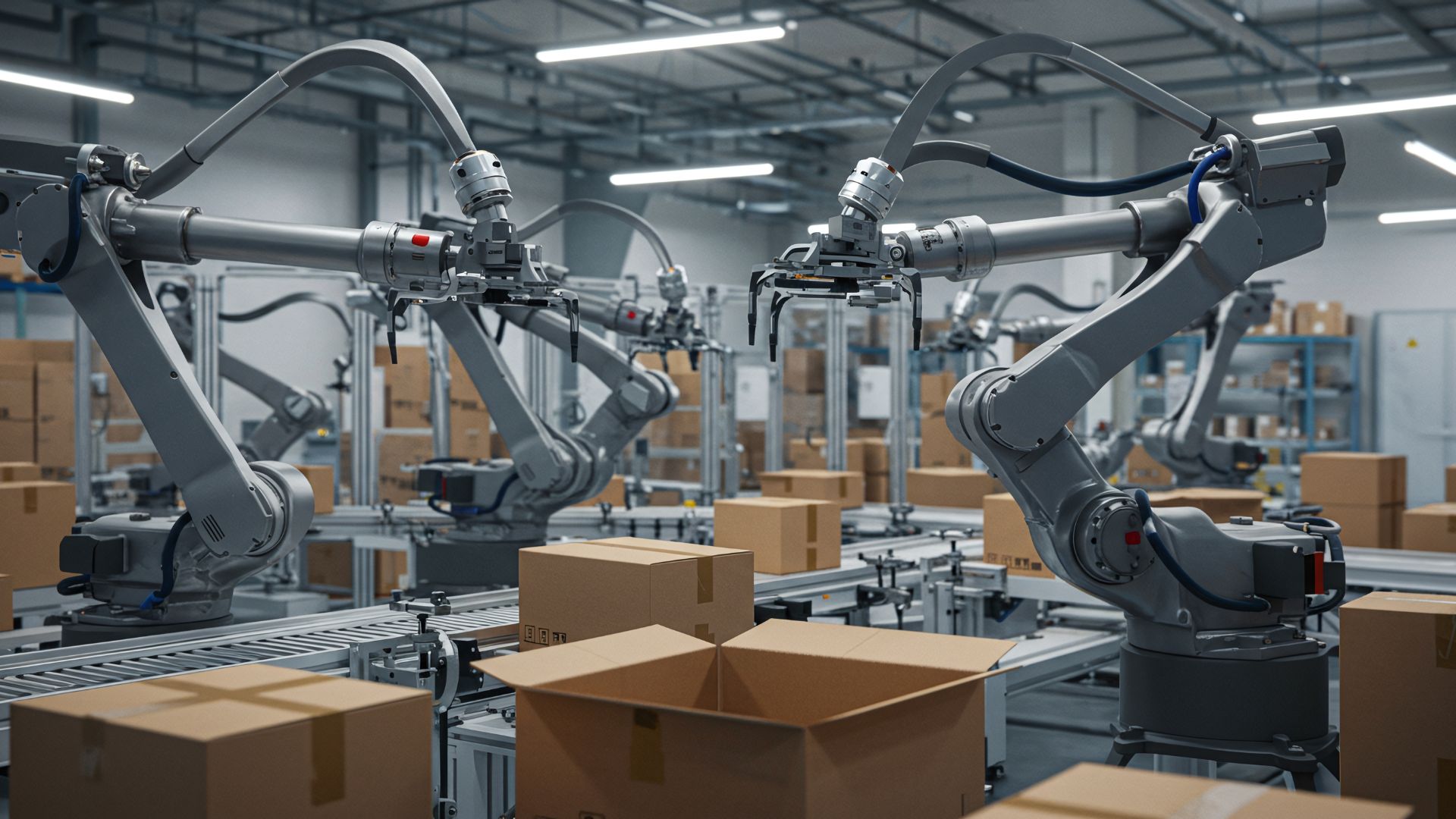
Manufacturing assembly line workers are seeing continued automation impact on employment in 2030, though this trend began decades ago. What’s new is the sophistication of robots that can now handle complex assembly tasks requiring precision and adaptability.
Transportation and delivery sectors face disruption through autonomous vehicles. While fully driverless systems might not dominate by 2030, the groundwork will be firmly established, affecting truck drivers, delivery personnel, and taxi services.
Customer service representatives in call centers are already being supplemented by chatbots and AI systems. Generative AI is reshaping creative jobs by 2030 in unexpected ways, even impacting content moderation, basic writing tasks, and simple graphic design work.
How automation will affect mid-skilled jobs by 2030 is perhaps the most pressing concern. These positions, requiring some training but not advanced degrees, form the backbone of many economies. Retail cashiers, bank tellers, and travel agents have already seen significant displacement, and this trend will accelerate.
The Flip Side: Jobs Growth vs Jobs Displacement Due to AI by 2030
Here’s where the narrative gets interesting. While certain roles face obsolescence, emerging job roles created by AI by 2030 will generate entirely new career paths. The question isn’t simply about replacement but transformation driven by work automation.
AI ethics specialists, machine learning engineers, and automation coordinators represent obvious additions. But consider less apparent roles: AI trainers who teach systems to understand human nuance, data privacy managers, and human-AI interaction designers who ensure technology serves human needs effectively as work automation and AI productivity expand.
What industries will create jobs because of AI by 2030? Healthcare stands out prominently. Automation and work automation in healthcare jobs by 2030 will create positions for robotic surgery technicians, AI diagnostic specialists, and personalized medicine coordinators. Rather than replacing doctors and nurses, technology will augment their capabilities.
The green economy, renewable energy sector, and sustainability consulting will boom as AI optimizes resource usage and environmental monitoring. Elder care, mental health services, and education will also see growth because these fields require the human touch that machines cannot replicate, even with advanced work automation.
Skills Needed for AI-Driven Workplaces by 2030
Understanding the skills needed for AI-driven workplaces by 2030 is crucial for anyone planning their career trajectory. Technical literacy is a baseline, but it’s not enough to simply know how to use AI tools or navigate work automation systems.
Critical thinking and complex problem-solving top the list. As machines handle routine analysis through advanced work automation, humans must tackle nuanced decisions requiring ethical judgment, emotional intelligence, and contextual understanding.
Creativity and innovation become premium skills. While AI can generate content, it lacks genuine imagination and the ability to connect disparate ideas in revolutionary ways. The role of human skills in an AI workplace by 2030 centers on our uniquely human capacities—capacities that even sophisticated work automation cannot replicate.
Adaptability and continuous learning aren’t just buzzwords anymore. The half-life of technical skills is shrinking rapidly. Professionals who thrive will be those comfortable with perpetual education and skill evolution as work automation reshapes job responsibilities.
Interpersonal skills, empathy, and emotional intelligence gain value. As automation handles transactional work, human roles will focus increasingly on relationship building, negotiation, mentorship, and leadership—areas untouched by even the most advanced work automation technologies.
How to Prepare the Workforce for AI and Automation 2030
Organizations face a critical challenge: how to prepare the workforce for AI and automation 2030 without triggering panic or resistance. This requires thoughtful strategy, not reactionary panic.
Reskilling strategies for workers in the age of AI by 2030 must start immediately. Companies investing in employee development today will outperform competitors tomorrow. This means creating pathways for workers in vulnerable positions to transition into emerging roles.
An automation readiness checklist for companies by 2030 should include assessing which processes benefit from automation, identifying employees who can manage new systems, and developing training programs before implementing new technology.
How to build a workforce strategy for AI and automation 2030 requires looking beyond immediate cost savings. Smart organizations recognize that AI-augmented jobs combining human and machine capabilities outperform pure automation. The future workforce collaboration between humans and AI by 2030 will define competitive advantage.
Industry-Specific Transformations
AI and automation in manufacturing jobs by 2030 will complete the shift from mass production to mass customization. Smart factories using AI-driven logistics, predictive maintenance, and quality control will require fewer traditional workers but more skilled technicians managing complex systems.
Automation in service industry jobs in 2030 presents unique challenges. While chatbots handle basic inquiries, complex service scenarios requiring empathy, creativity, and judgment remain firmly human. Restaurants might use automated ordering and food preparation, but hospitality and ambiance creation stay human.
How AI is changing job descriptions in 2030 workplaces means almost every position will include technology management as a core competency. Marketing managers will need data analysis skills. HR professionals must understand algorithmic bias. Financial advisors will combine AI-driven insights with human relationship management.
Remote Work and Workplace Transformation
Automation, AI, and remote work future of jobs 2030 are deeply interconnected. AI tools enable distributed teams to collaborate seamlessly, while automation eliminates geographic constraints for many roles. This democratizes opportunity but also increases global competition.
Workplace transformation through AI and automation by 2030 means reimagining office spaces. Physical locations become collaboration hubs rather than daily workstations. Companies save on real estate while investing in technology infrastructure and employee development.
How Businesses Adapt to Automation in the Workplace by 2030
How businesses adapt to automation in the workplace by 2030 separates winners from losers. This isn’t just about purchasing new software. It requires cultural transformation, leadership commitment, and employee buy-in.
Successful companies adopt a gradual approach, piloting automation in specific departments before scaling. They maintain transparency with employees about changes and involve workers in implementation planning.
How small businesses can survive job automation trends by 2030 involves leveraging AI as an equalizer. Affordable AI tools give small operations capabilities once reserved for large corporations. A boutique consultancy can use AI for market research, scheduling, and client communication, competing effectively with bigger firms.
Policy, Regulation, and the Social Safety Net
How policy and regulation affect jobs in the AI economy by 2030 will shape outcomes significantly. Governments face pressure to address displacement through universal basic income experiments, enhanced unemployment benefits, or wage subsidies for transitioning workers.
Education reform becomes critical. How AI reshapes education and jobs for the future workforce 2030 means updating curricula to emphasize skills that complement rather than compete with automation. This includes integrating technology training from elementary school forward and supporting lifelong learning initiatives.
How to Future-Proof Your Career for Automation by 2030
So, how to future-proof your career for automation by 2030? Start by assessing your current role’s vulnerability honestly. If your work is repetitive and rule-based, begin developing complementary skills now.
Invest in continuous education. Online courses, professional certifications, and cross-training in adjacent fields provide insurance against displacement. Focus on skills AI struggles with: creativity, emotional intelligence, ethical reasoning, and complex communication.
Build a professional network. Human relationships remain irreplaceable, and who you know often matters as much as what you know when navigating career transitions.
Embrace technology rather than fearing it. Professionals who learn to work alongside AI, using it to enhance their productivity and capabilities, position themselves as valuable hybrid workers.
Conclusion: Adaptation Is the New Job Security
The future of work automation isn’t a distant concept. It’s unfolding now, and by 2030, the workplace will look dramatically different than today. Jobs will disappear, emerge, and transform in equal measure.
The key insight? Change is inevitable, but disaster isn’t. Those who approach this transformation with curiosity, flexibility, and commitment to growth will find abundant opportunities. Organizations that invest in people alongside technology will build sustainable competitive advantages.
Work automation represents not the end of human employment but its evolution. The question isn’t whether you’ll be affected but how you’ll respond. Start preparing today, because the future is closer than you think.